Application Of Rapid Prototyping In Aerospace Industry
Application Of Rapid Prototyping In Aerospace Industry
Insightful perspectives from Guangdong Yingtai High Precision Technology Co., Ltd. — a leader in precision manufacturing and OEM/ODM solutions for aerospace and industrial markets. Rapid prototyping has emerged as a pivotal process in aerospace
Product Details
The Application of Rapid Prototyping in Aerospace Industry
Insightful perspectives from Guangdong Yingtai High Precision Technology Co., Ltd. — a leader in precision manufacturing and OEM/ODM solutions for aerospace and industrial markets.
Introduction & Industry Challenges in Aerospace Prototyping
Rapid prototyping has emerged as a pivotal process in aerospace manufacturing — not merely as an accelerating tool but as a strategic enabler of complex component development. Aerospace operations impose stringent demands on product accuracy, material performance, and compliance with certifications such as AS9100 and ISO 9001. Rapid prototyping technologies offer a flexible route to validate design concepts, functional testing, and tooling development before committing to expensive production runs. However, the industry faces significant challenges including long lead times, costly rework, and difficulty replicating aerospace-grade materials in prototype stages.
Procurement managers often struggle with balancing cost-efficiency against the imperative for high-fidelity prototypes that can endure environmental tests like vibration, thermal cycling, and UV exposure. Operations teams report issues when traditional fabrication methods fail to integrate seamlessly into the aerospace supply chain — causing delays or mismatched specifications during assembly.
One notable bottleneck has been the translation of prototype components into serial production without performance degradation. Conventional subtractive manufacturing limits geometry innovation and extends turnaround time. Rapid prototyping methods help close this gap but require thorough understanding of material science — from thermoplastics like PEEK and Ultem to metal powders used in Direct Metal Laser Sintering (DMLS). Moreover, aerospace prototypes must comply with certifications such as FAA regulations, adding layers of quality assurance beyond typical industrial sectors.
To put it plainly: procurement professionals in aerospace must weigh each prototyping route’s benefits against operational realities in production. The goal is to reduce retooling cycles, minimize waste, and ensure conformity on first pass — a tall order in an industry driven by safety and performance. Understanding the technical nuances behind rapid prototyping technologies is indispensable for decision-makers seeking leaner, more agile manufacturing workflows.
Industry Spotlight: Recent studies confirm aerospace manufacturers using additive manufacturing prototyping technologies reduce development cycles by approximately weeks, not months, enabling faster certification and assembly fit verification. Yet, proper supplier evaluation and process integration remain paramount for converting these efficiencies into reliable products.
Technical Deep Dive: Rapid Prototyping Methods in Aerospace
Rapid prototyping in aerospace predominantly involves Additive Manufacturing (AM) and 3D Printing techniques, supplemented by selective subtractive methods. Common technical approaches include:
Stereolithography (SLA): Utilizes photopolymer resins cured by precise UV lasers — ideal for high-detail components, tooling inserts, and fit-check models.
Selective Laser Sintering (SLS): Uses powdered nylon or composite powders fused layer-by-layer for robust, heat-resistant parts.
Direct Metal Laser Sintering (DMLS): Employs metal powders including titanium and Inconel, critical for aerospace structural elements with metal-grade properties.
Fused Deposition Modeling (FDM): Melts thermoplastic filaments, commonly PEEK or Ultem, for functional plastic prototypes with mechanical strength.
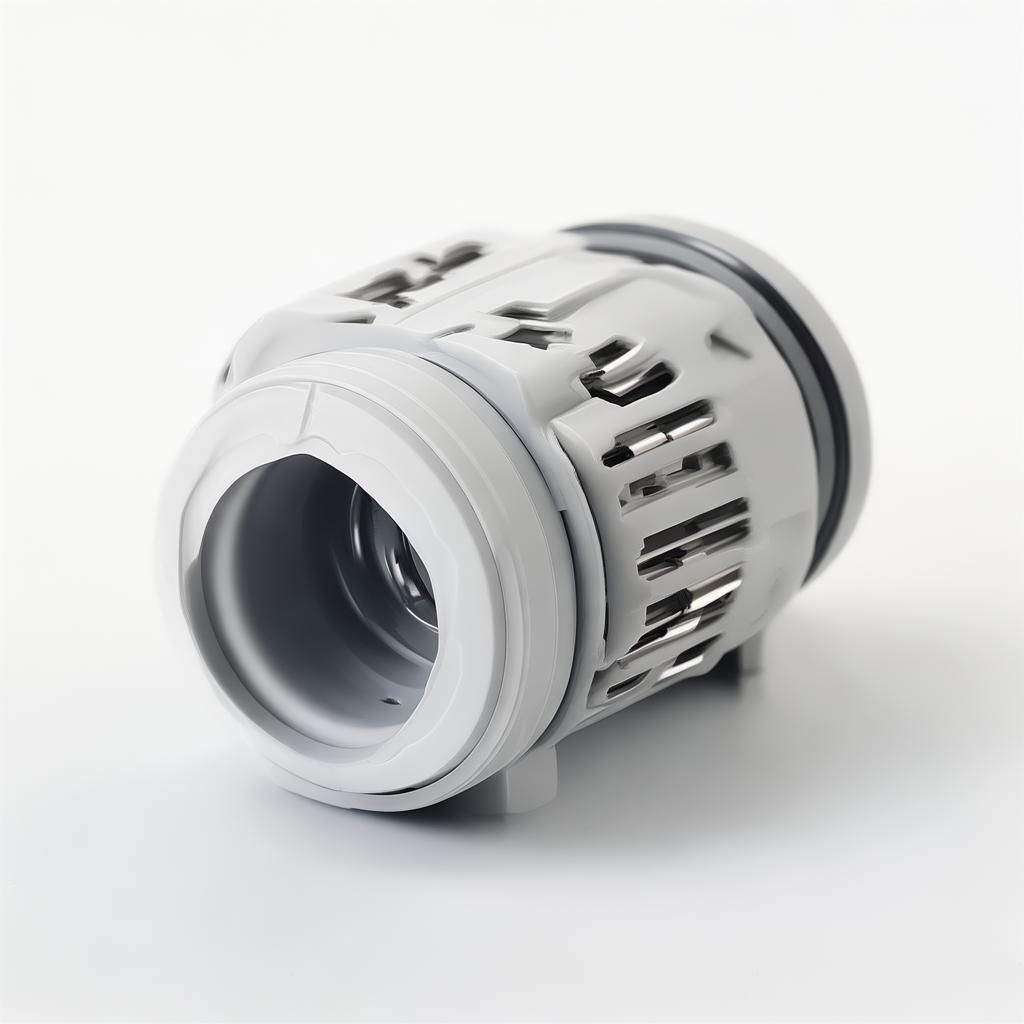
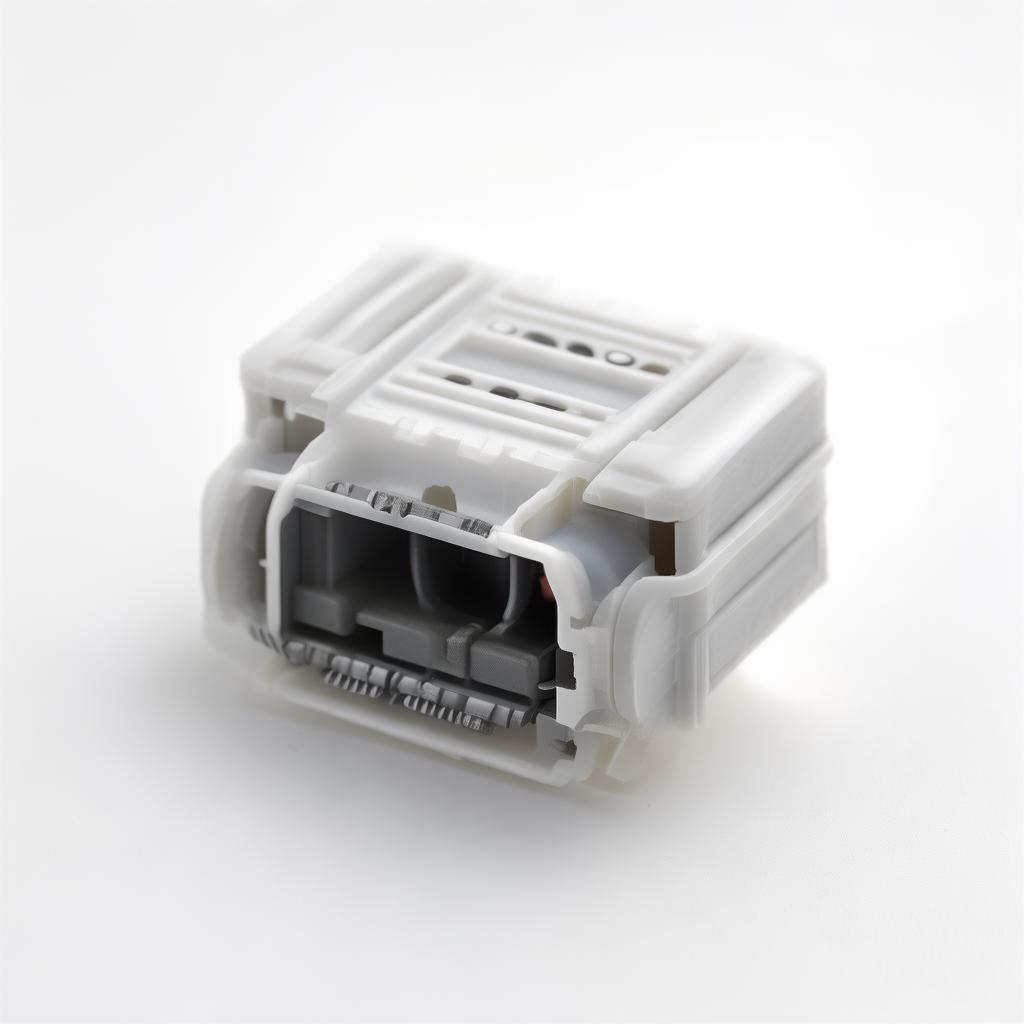
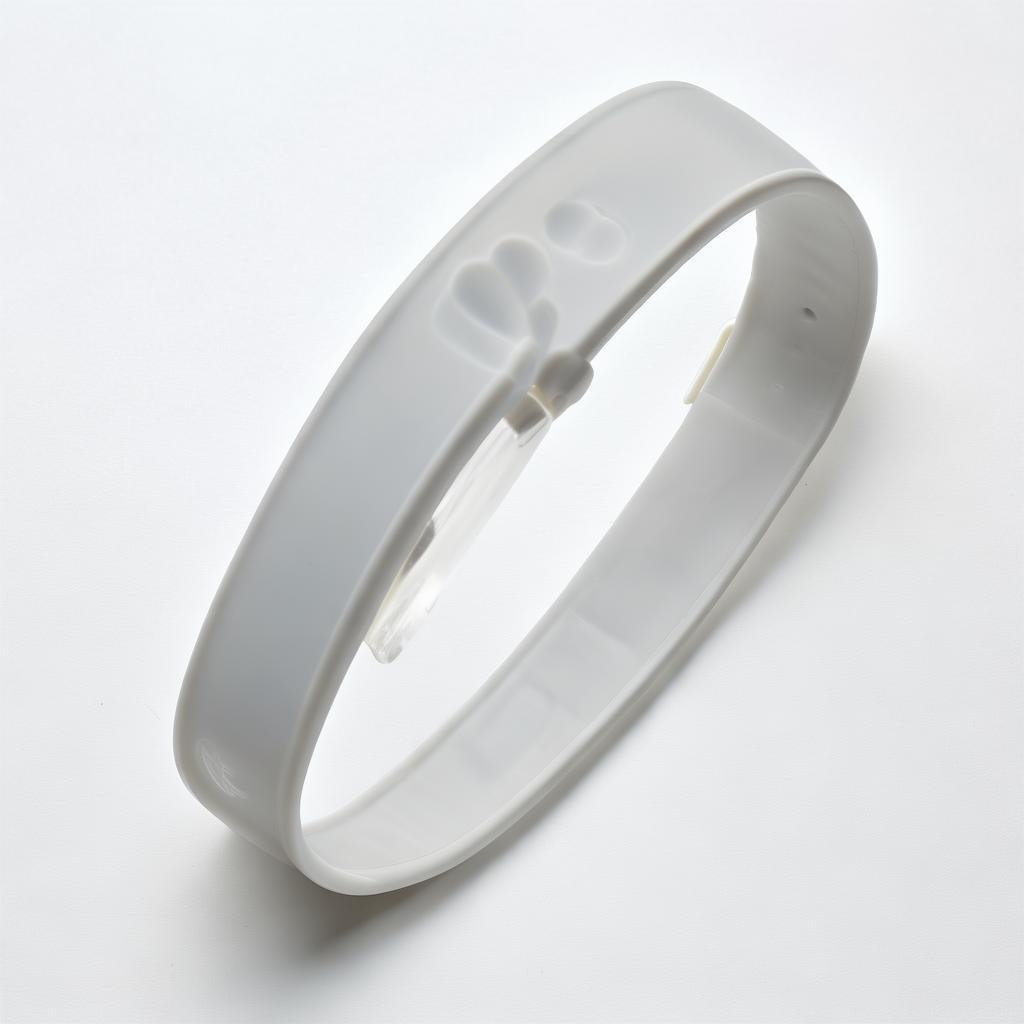
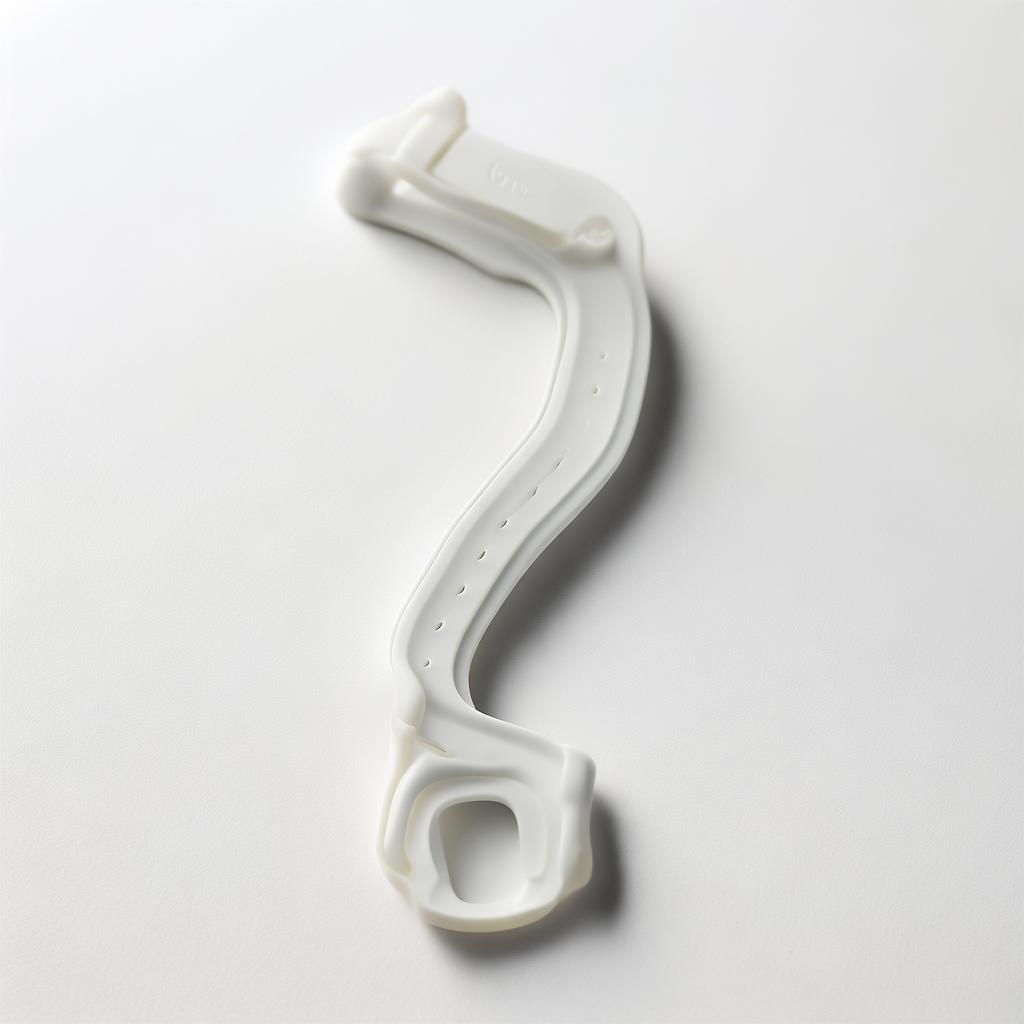
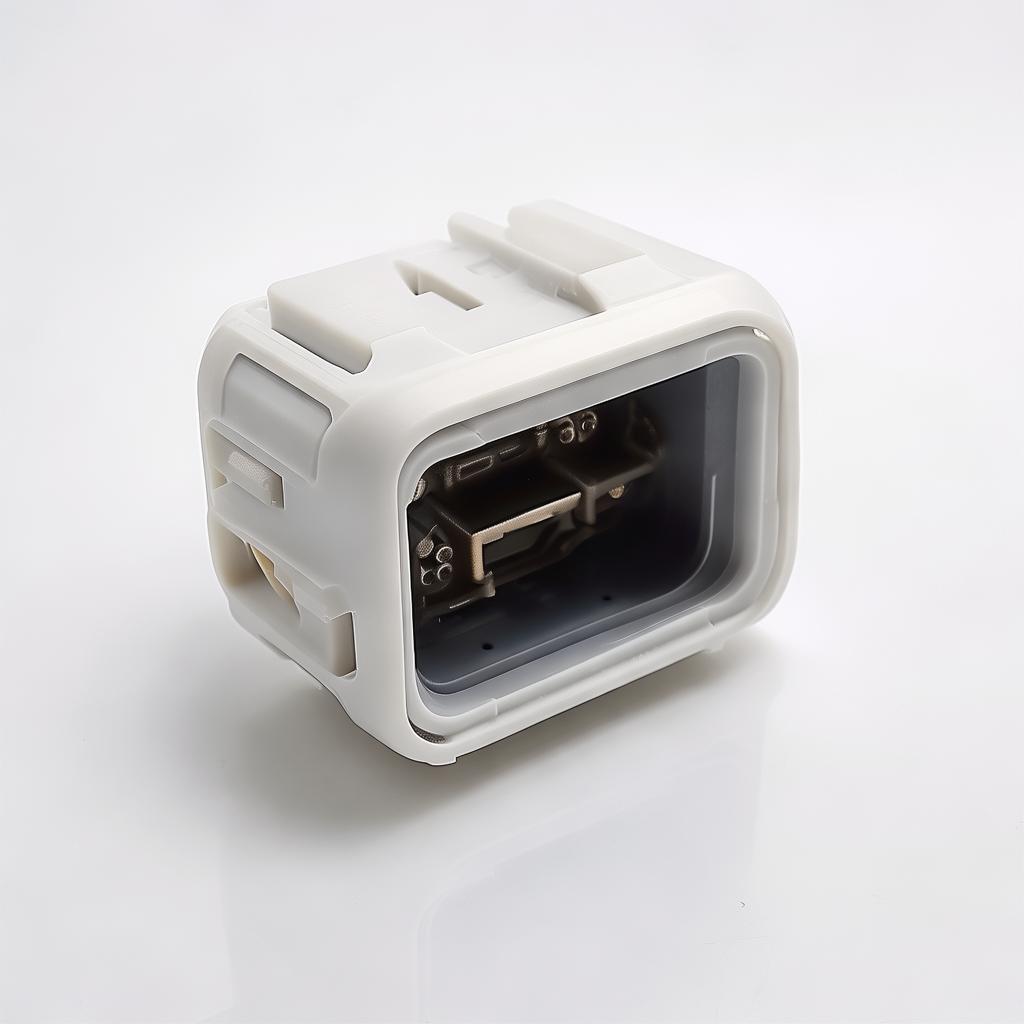
Liquid Silicone Rubber (LSR) Injection Molding: Rapidly produces flexible, durable prototypes used in seals and vibration damping components, combining precision mold making with fast turnaround times.
Integration of these methods is supported by extensive computer-aided design (CAD) workflows and advanced simulation tools compliant with industry standards. For instance, material characterization methods evaluated in injection mold simulations (see MDPI Polymers study) emphasize how rheological data quality influences cycle time accuracy — crucial for maintaining dimensional fidelity in aerospace prototypes.
Note: While additive methods excel at producing complex geometries and reducing prototyping cycle times, proper post-processing and material behavior assessment are vital. For example, aerospace parts subject to fatigue loads require accurate simulation results combined with physical testing to ensure safety margins.
Core Advantages & Aerospace Application Scenarios
Aerospace companies increasingly turn to rapid prototyping for several distinct advantages that traditional manufacturing cannot easily replicate:
Accelerated Design Verification: Early detection of design flaws through quick model iterations reduces costly engineering revisions.
Complex Geometry Fabrication: Enables production of aerodynamic shapes, internal channels, and lightweight lattice structures that improve fuel efficiency.
Reduced Lead Times: Rapid tooling and part iteration compress development from months to weeks — crucial for schedule-sensitive projects.
Material Versatility: Wide range of aerospace-grade thermoplastics and metals can be prototyped with functional equivalence.
Cost Containment: Minimizing waste with additive layering and small batch prototyping lowers initial production risk.
Functional Testing: Flight-critical components can be tested under simulated stresses and environmental conditions.
Assembly Fit Checks: Ensures new parts integrate flawlessly with existing systems — avoids expensive rework on the production line.
Tooling and Mold Development: Using patterns and inserts from rapid prototypes accelerates mold fabrication cycles.
Supplier Validation: Capture supplier accuracy and process capabilities early before scaling to serial production.
Certification Aid: Aerospace certifying authorities accept prototype data demonstrating compliance with standards such as FAR Part 21.
These benefits are not abstract. For example, aerospace OEMs producing engine brackets using Direct Metal Laser Sintering prototypes confirm fit and load capacity weeks before conventional machining steps. Similarly, flexible seals fabricated with Liquid Silicone Rubber Injection Molding prototypes provide measurable performance gains in vibration damping applications.
Practical Insight: Success depends on choosing the right prototyping method tailored to each application’s material, mechanical load, and certification requirements. Combining multi-material rapid prototyping and testing during initial R&D phases avoids costly revisions downstream.
Procurement & Risk Management Guidance
Procurement directors and purchasing managers often face complex tradeoffs when selecting rapid prototyping partners for aerospace projects. Key considerations include:
Quality Certifications: Verify suppliers hold relevant aerospace standards such as AS9100 and ISO 9001. These demonstrate robust quality management and traceability.
Material Authenticity: Confirm prototype materials match production specifications—particularly for metals like titanium alloys or specialty thermoplastics.
Lead Time Reliability: Aerospace supply chains are unforgiving. Assess actual turnaround times by reviewing supplier capacity and logistical capabilities.
Scalability: Ensure rapid prototyping providers can transition prototypes to small- or medium-volume manufacturing without altering material properties or tolerances.
Testing Support: Some suppliers provide integrated testing and inspection (e.g., CMM, non-destructive testing) which can consolidate vendor management and speed approval cycles.
Operationally, it’s wise to request sample prototypes and inspect them physically before committing to larger contracts. Investment in multi-phase supplier evaluation involving technical engineers, quality assurance personnel, and logistics specialists mitigates common pitfalls such as delayed shipments or unexpected material substitutions.
Beware of vendors offering unrealistically low prices paired with fast delivery without sufficient certifications—such offers often lead to costly rework or non-compliance in aerospace applications. Risk reduction is paramount.
Tip from the field: Include contract clauses covering material traceability, prototype rejections, and clear acceptance criteria based on aerospace industry standards.
Factory Strength & Industry Certifications
Guangdong Yingtai High Precision Technology Co., Ltd. operates from a 35,000-square-meter industrial park in Dongguan, with over 20 years' experience producing high-precision liquid silicone, plastics, overmolded seals, and custom molds. Our factory is equipped with:
55 advanced liquid silicone molding machines
80 automatic plastic injection molding presses
20 solid silicone hydraulic presses
More than 30 precision mold processing and finishing instruments
Over 20 state-of-the-art testing instruments
Our integrated intellectual manufacturing system manages the full lifecycle from mold development to finished product, ensuring traceability and process control — critical in aerospace prototyping. We hold key certifications including:
Our R&D team of 500+ experts spans engineers, quality inspectors, and production managers who understand the nuances of aerospace material performance — from UV resistance and temperature stability to anti-slip and vibration damping features in silicone seals.
Export Experience: With extensive cross-border commerce know-how and container loading optimization, we consistently deliver aerospace prototypes on time to USA and global markets, adhering to strict packaging specifications for fragile precision parts.
B2B Buyer FAQs
Q1: What materials can be rapidly prototyped for aerospace parts?
Common aerospace prototype materials include titanium alloys, aluminum, high-performance thermoplastics like PEEK, and liquid silicone rubber for flexible components. Material choice depends on part function and certification standards.
Q2: How accurate are prototypes compared to production parts?
Most rapid prototyping methods offer dimensional accuracy within ±0.1 mm, with metal AM methods achieving even tighter tolerances. Post-process finishing can further improve surface quality to production levels.
Q3: Can rapid prototyping be certified for aerospace use?
While prototypes themselves are typically for development and validation, materials and processes used are aligned with aerospace certifications like AS9100 and FAA regulations. Prototypes aid in speeding certification of final parts.
Q4: What are typical lead times for aerospace rapid prototypes?
Lead times vary by method and complexity but generally range from 3 to 21 days depending on material and post-processing requirements.
Q5: How to select the right supplier for aerospace prototyping?
Prioritize proven aerospace certifications, technical capabilities, transparent supply chain management, and available testing services. Request pilot projects to verify quality and communication responsiveness.
Customer Reviews & Real-World Use Cases
John Peterson, Purchasing Manager, AeroDynamics Inc. “Switching to Yingtai’s rapid prototyping solutions cut our bracket development cycle by nearly two weeks. The fidelity of DMLS prototypes matched our strict AS9100 standards — a game changer for assembly line readiness.”
Get in Touch
If you have any camping barbeque equipment inquiry, please feel free to contact us.





 John Peterson, Purchasing Manager, AeroDynamics Inc.