Application Of Rapid Prototyping In Automotive Industry
Application Of Rapid Prototyping In Automotive Industry
Unlocking faster design cycles, cost efficiency, and improved manufacturing quality with cutting-edge prototyping solutions tailored for automotive engineering and production. In today’s fiercely competitive automotive sector, speed and precision define success. Rapid prototyping, once
Product Details
Application of Rapid Prototyping in the Automotive Industry
Unlocking faster design cycles, cost efficiency, and improved manufacturing quality with cutting-edge prototyping solutions tailored for automotive engineering and production.
Introduction: Rapid Prototyping’s Role in Automotive Innovation
In today’s fiercely competitive automotive sector, speed and precision define success. Rapid prototyping, once relegated to early-stage conceptual models, is now integral to the product development cycle — from design validation to pilot manufacturing. The automotive industry, with its complex assemblies and stringent safety standards, demands agility to swiftly iterate designs while maintaining uncompromising quality. This is no small feat.
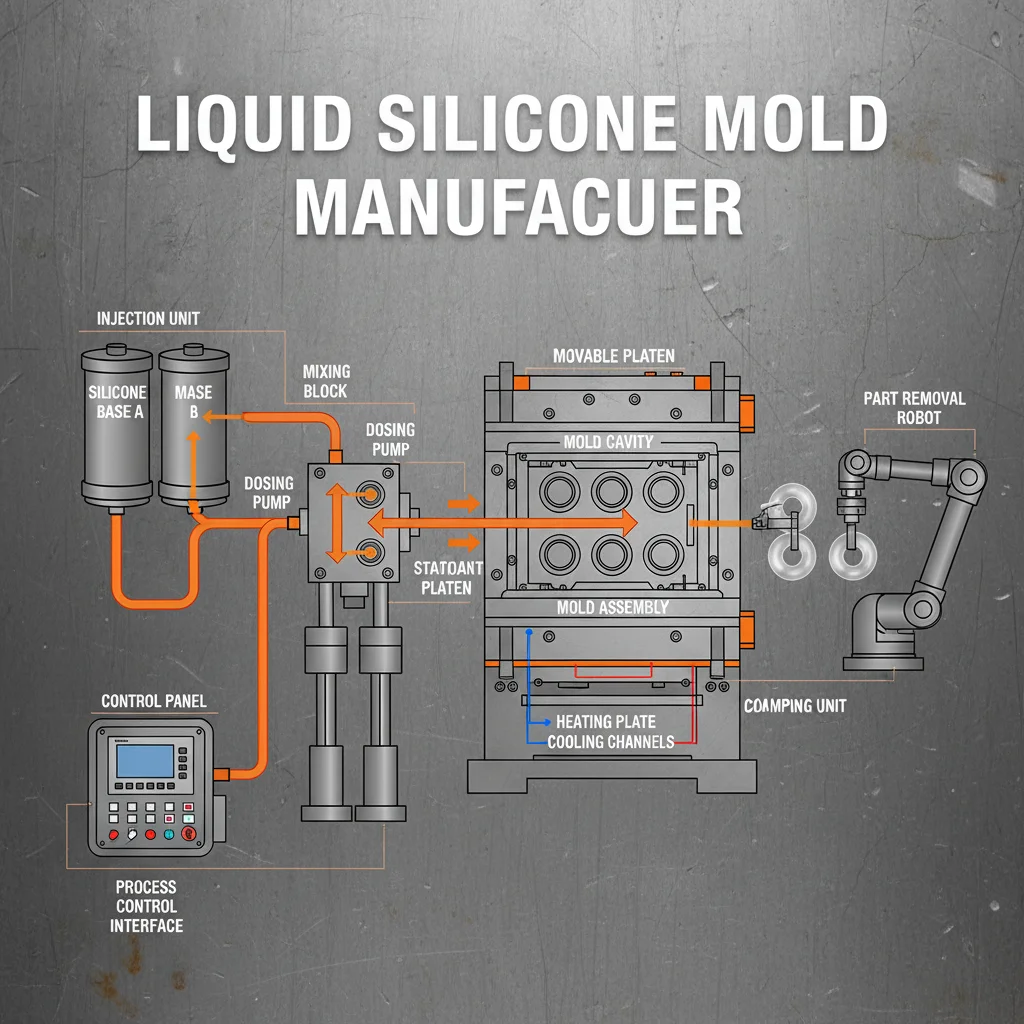
Prototyping methods such as 3D printing, injection molding tooling for low-volume runs, and CNC machining enable engineers to verify fit, function, and form before tooling costs surge. Notably, materials like liquid silicone rubber (LSR) and durable thermoplastics harmonize well with rapid tooling processes, offering realistic mechanical properties close to final production parts.
Development cycles, traditionally lasting months, are being compressed to weeks or even days in certain cases through rapid prototyping. This accelerates time-to-market and reduces costly last-minute design changes during mass production. Yet, rapid prototyping is more than speed — it’s a strategic lever that enhances quality, reduces error, and optimizes the supply chain.
From concept to validation, a well-executed prototyping workflow mitigates risks commonly encountered with OEMs and Tier 1 suppliers. Recognizing the nuances in materials processing—including thermal stability, surface finish requirements, and dimensional tolerances— is crucial for successful application. Missed expectations or improper simulation inputs during tooling can cause delays, flash defects, or poor sealing in components.
As referenced in the Liquid Silicone Rubber Market Size Report, 2030, the shift towards liquid injection molding techniques is poised to reach nearly USD 5 billion globally by 2030. These technologies are especially relevant for automotive seals, gaskets, sensors, and interior trim components where complexity and resilience are paramount.
In essence, rapid prototyping empowers automotive manufacturers to navigate the intricate balance between innovation, cost control, and regulatory compliance, enabling smarter procurement decisions and fostering robust supply partnerships internationally.
Current Industry Pain Points and How Prototyping Alleviates Them
Long Design Iterations: Traditional prototyping cycles encounter bottlenecks delaying the review process. Rapid prototyping cuts cycle times significantly, enabling multiple iterations within weeks.
High Tooling Costs: Established injection molds cost thousands upfront. Rapid tooling via 3D printed inserts or soft tooling offers low-cost alternatives for small batches and testing.
Material Mismatch Risks: Prototypes made from unsuitable materials can provide misleading validation. Using production-relevant materials like LSR improves fidelity in testing seals, gaskets, and flexible components.
Quality Defects: Issues like warpage, flash, or dimensional inaccuracies only surface late without proper prototyping verification, leading to expensive rework.
Supply Chain Delays: Misaligned timelines between design, prototyping, and production cause bottlenecks. Integrating prototyping with logistics ensures smoother transitions and realistic lead times.
Partnering with a supplier that understands these pain points and offers comprehensive prototyping-to-production workflows reduces risk and unlocks operational agility in the automotive sector.
Technical Deep Dive: Methods & Materials
Rapid prototyping in automotive manufacturing spans multiple techniques, each suited to specific applications:
3D Printing (Additive Manufacturing): Technologies like SLS (Selective Laser Sintering) and SLA (Stereolithography) allow quick creation of complex geometries. These parts serve well for aesthetic models, functional testing, and assembly checks.
Rapid Tooling: Creating injection molds using CNC-machined aluminum or 3D printed mold inserts accelerates pilot production while reducing costs versus steel tooling. Ideal for liquid silicone rubber (LSR) molding and thermoplastic injection.
CNC Machining: High-precision parts from metals or plastics for components requiring mechanical robustness or surface finish unattainable by additive processes alone.
Material Selection: Selecting prototyping materials with mechanical and thermal properties close to production-grade polymers, such as LSR, TPU, or nylon, enhances test accuracy. LSR injection molding especially benefits from rapid tooling innovations that maintain silicone’s biocompatibility and heat resistance, as highlighted in the Liquid Silicone Rubber Market Size & Forecast 2035.
Comparison of Common Rapid Prototyping Methods in Automotive Applications
Method
Typical Materials
Production Volume Suitability
Key Advantages
3D Printing (SLS, SLA)
Nylon, Resin, TPU
Low to mid
Complex shapes, quick turnaround
Rapid Tooling (Aluminum molds, 3D printed inserts)
LSR, Polypropylene, ABS
Low to mid
Closer match to production parts, cost-effective for pilot runs
The selection is always a trade-off between speed, material fidelity, and cost. For automotive applications demanding mechanical resilience and tight tolerances, rapid tooling combined with LSR injection molding has become a trusted industry standard.
Key Application Scenarios
The versatility of rapid prototyping enables wide-ranging applications across automotive engineering:
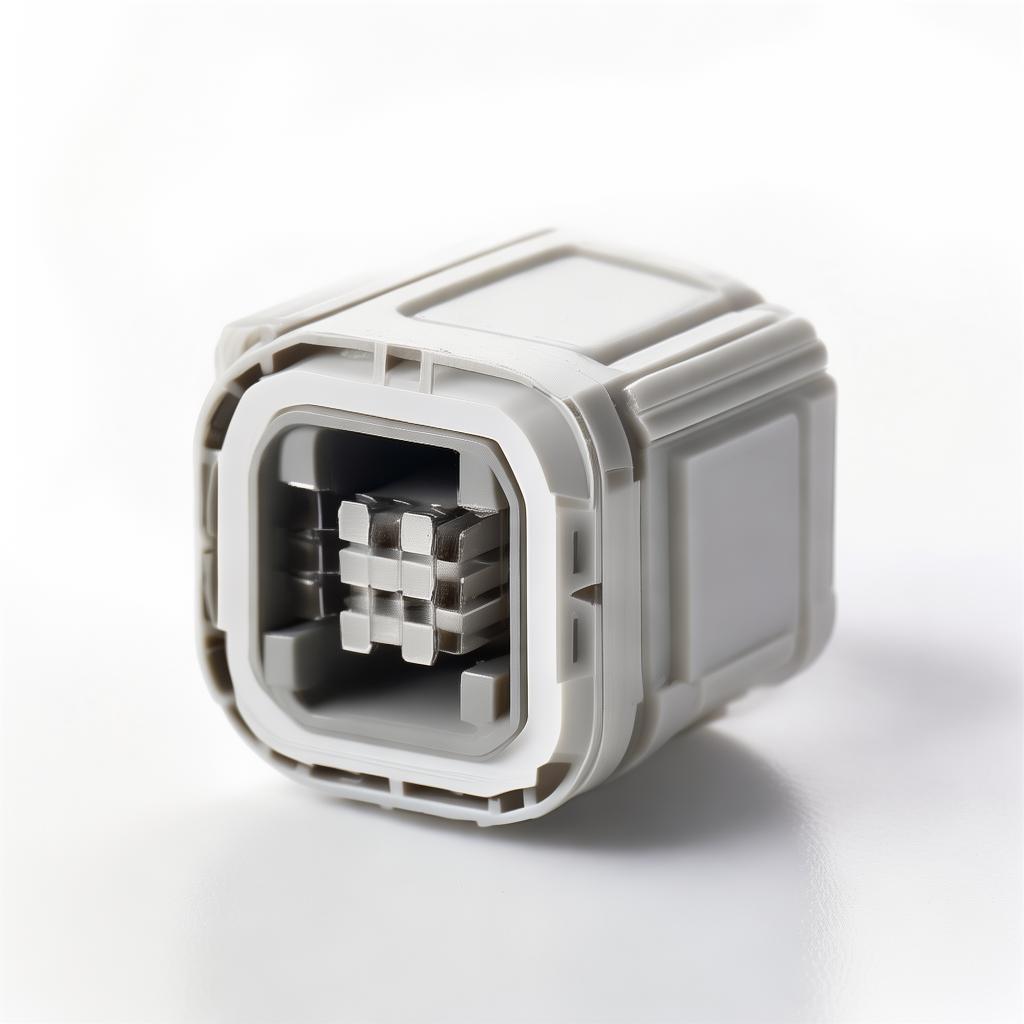
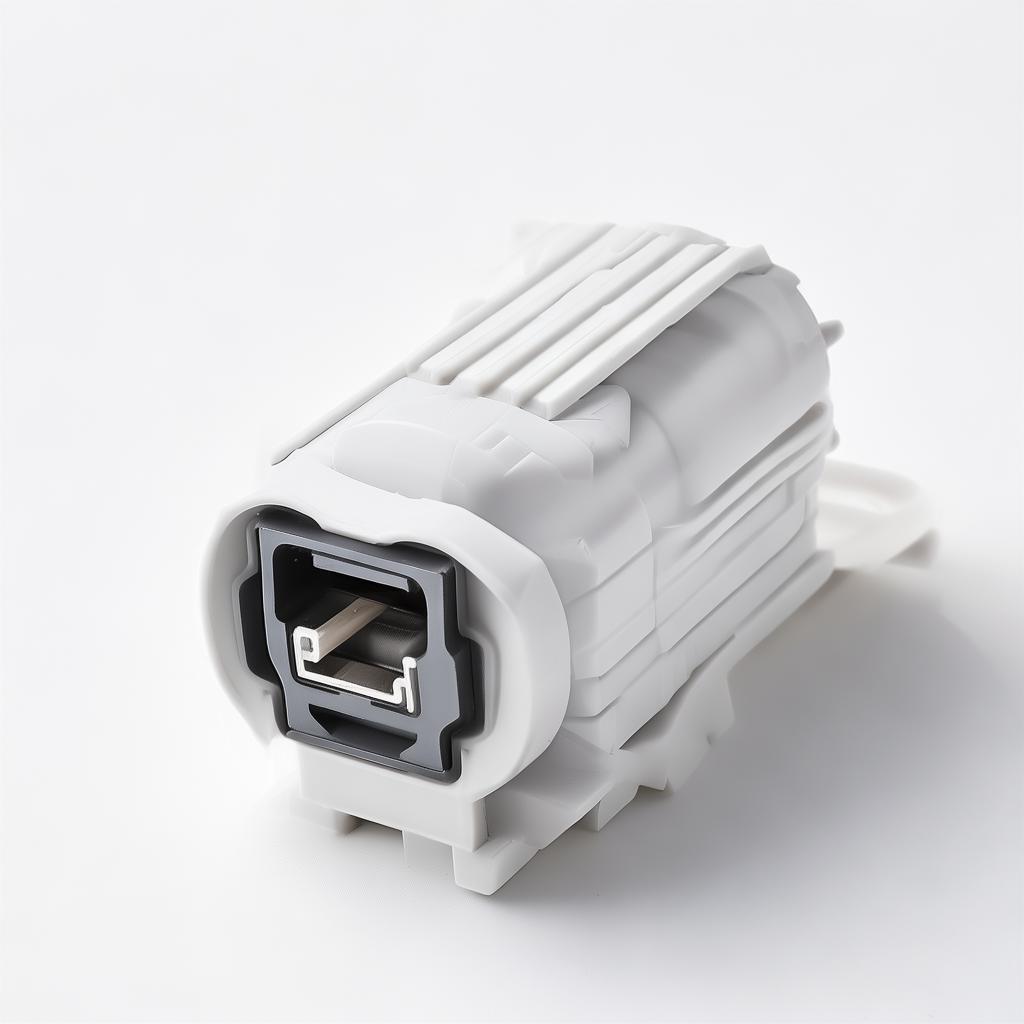
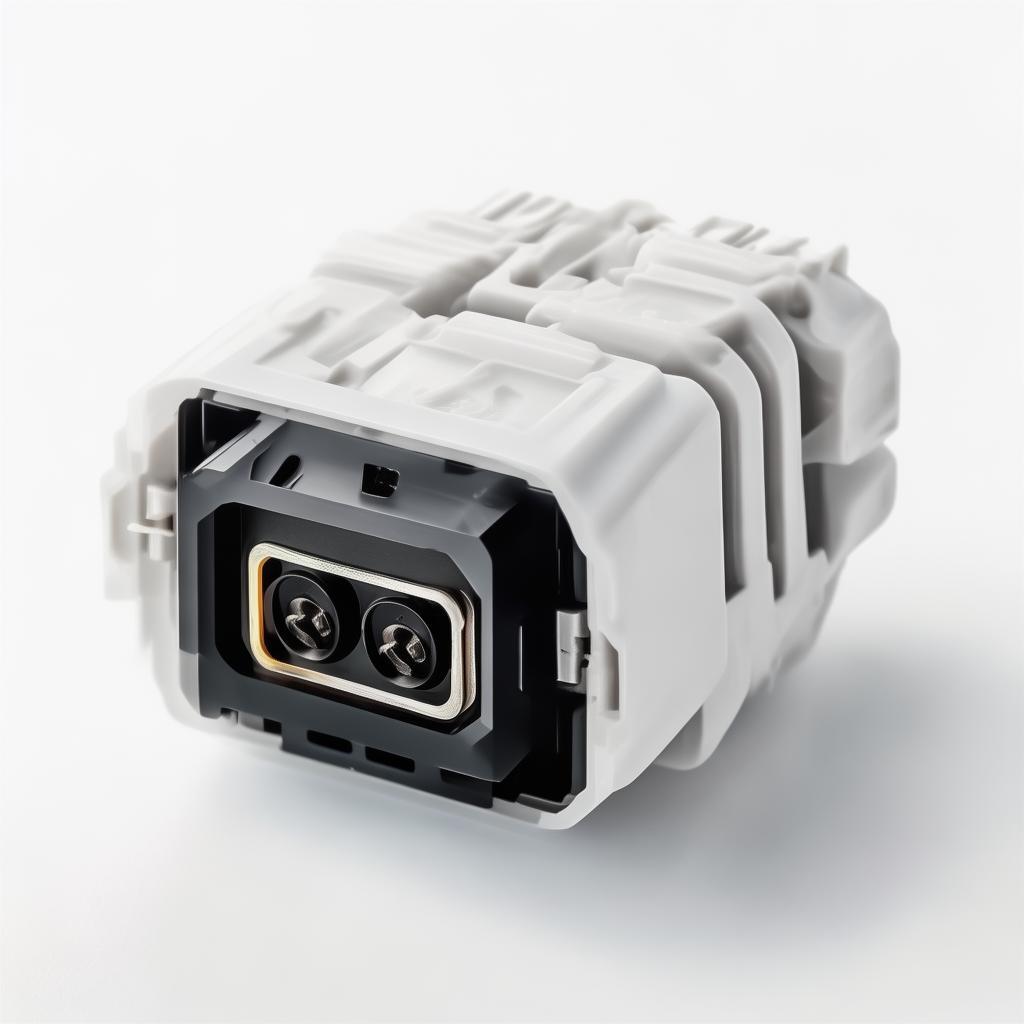
Functional Prototypes: Testing mechanical fitment of components such as brackets, housings, and connectors prior to committing to expensive tooling.
Seal and Gasket Validation: Using LSR molded prototype seals allows engineers to evaluate material performance under operational temperature ranges and fluid exposure.
Interior Trim Components: Rapid tooling for soft-touch silicone parts used in dashboards, buttons, and switches provides realistic textures and durability testing.
Sensor and Electronics Enclosures: Prototyping impact-resistant yet lightweight housings from injection-molded plastics supports iterative product development for ADAS (Advanced Driver Assistance Systems).
Pilot Production Runs: Low-volume pre-series manufacturing validates assembly processes and supply chain coordination before full-scale ramp-up.
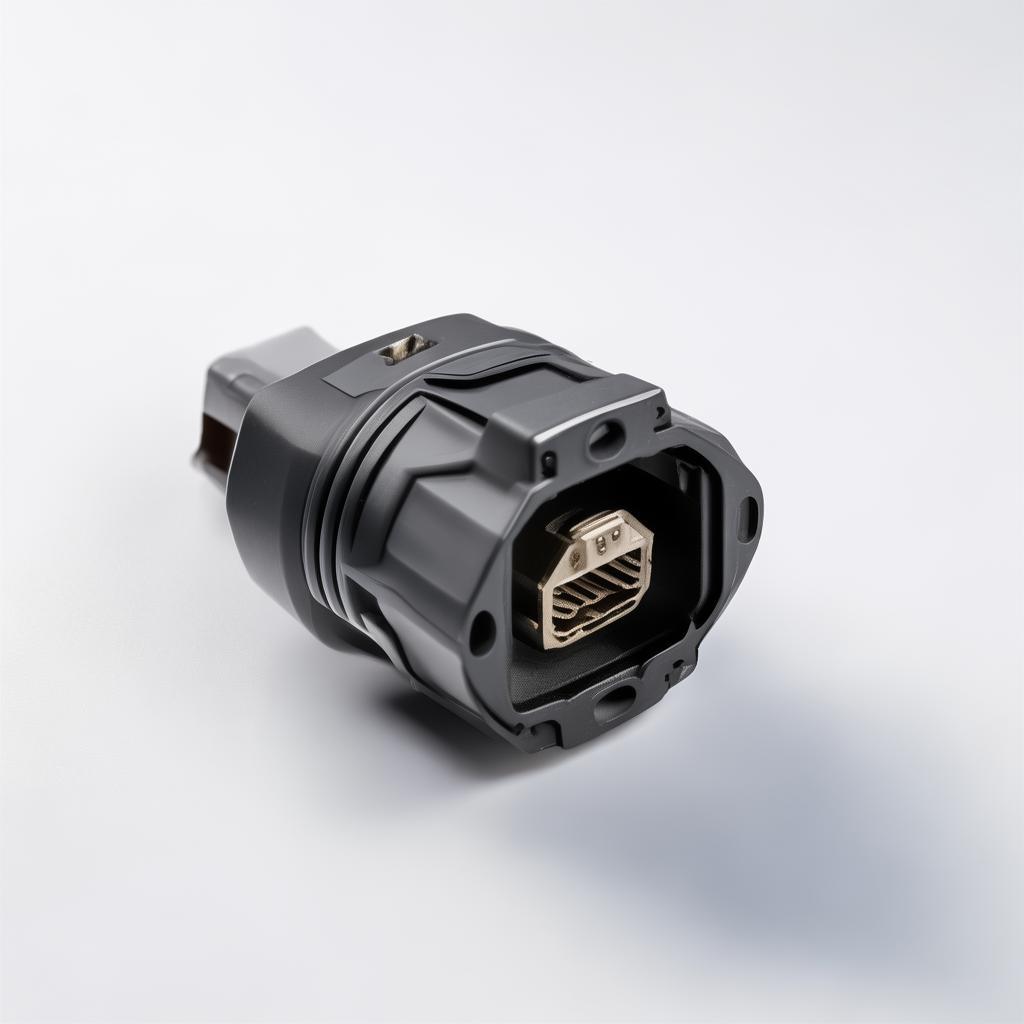
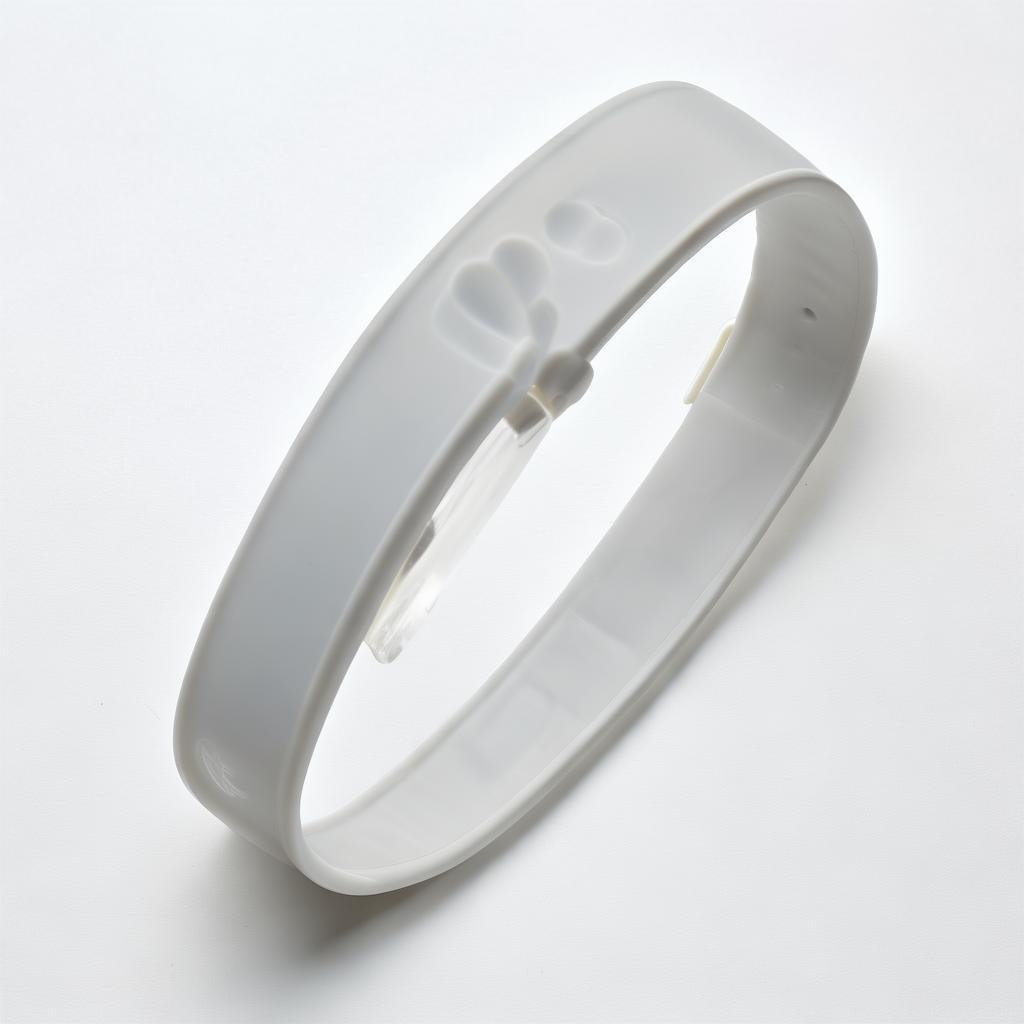
Example: Rapid tooling for LSR sealing components used in automotive engine compartments.
These use cases reflect the growing demand for precision and functional realism early in the development process, which reduces downstream error rates and material waste.
Procurement Considerations & Supplier Selection
Selecting the right partner for rapid prototyping requires balancing capabilities, cost, and reliability. Here are practical pointers for procurement teams in the automotive supply chain:
Technical Expertise: Confirm the supplier’s experience with relevant prototypes, especially for LSR materials and multi-component molding processes.
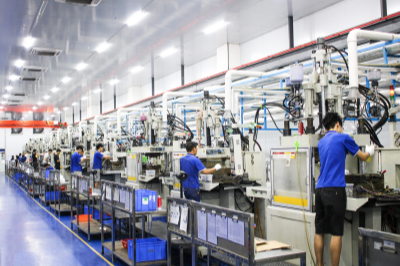
Equipment & Capacity: Facilities should house modern injection molding machines, advanced CNC tools, and precision molding equipment. For instance, Guangdong Yingtai High Precision Technology Co., Ltd. offers over 55 liquid silicone molding machines and 80 plastic injection machines, ensuring a flexible, comprehensive service.
Quality Certifications: Check for ISO 9001, IATF 16949 (automotive quality standard), and related certifications that affirm manufacturing excellence and process control.
Lead Time Transparency: Rapid prototyping’s advantage is speed—get detailed timelines for tool design, mold fabrication, sampling, and batch production.
Material Compliance: Ensure materials meet end-use requirements including heat resistance, UV stability, and biocompatibility where applicable.
Communication & Support: A collaborative partner provides technical advice, supports design for manufacturability (DFM), and offers troubleshooting assistance.
When possible, request samples or trial runs and demand clear Return Material Authorization (RMA) policies to mitigate risks before committing large volumes.
Installation Insights and Logistics
Beyond prototyping, smooth transition to manufacturing and deployment is essential. Installation efficiency for rapid prototyped components hinges on accurate dimensions and consistency — two frequent challenges in composite or multi-material parts.
From a logistics standpoint, suppliers located in major manufacturing hubs—like Dongguan, China—offer advantages including:
Streamlined Export Procedures: Customs expertise, experience with container loading, and proper packaging standards reduce shipping delays.
Container Loading Optimization: Understanding how to consolidate prototype runs with production batches minimizes freight cost and risks damage.
Customs Compliance: Documentation accuracy and certifications (e.g., CE, ISO) expedite international clearance.
Installation Recommendations: Suppliers with deep technical knowledge provide tailored advice on assembly and maintenance, reducing on-site labor and downtime.
Guangdong Yingtai’s comprehensive industry chain, spanning mold design, precision tooling, production, and QC, ensures end-to-end reliability.
Buyer FAQs
Q: How long does rapid prototyping typically take for automotive components?
Turnaround varies by method, but typical lead times are 1-3 weeks for 3D printed parts, and 3-6 weeks for rapid tooling with injection molding. Guangdong Yingtai prides itself on sampling in 15 days or less for many LSR parts.
Q: Can rapid prototyping parts be used for functional testing?
Absolutely. With proper material selection (e.g., LSR or engineering plastics), prototypes can simulate mechanical, thermal, and chemical performance similar to finished production parts.
Q: What certifications should a reliable prototype manufacturer hold?
At minimum, look for ISO 9001 quality management certification. For automotive suppliers, IATF 16949 is a critical standard. Other certifications like CE or RoHS ensure material and product safety compliance.
Q: How do rapid prototyping costs compare to full production tooling?
Initial costs are significantly lower—often 30-60% less—but per-piece costs can be higher for prototypes. The trade-off favors flexibility and testing without locking capital in steel molds too early.
Q: What are the common risks involved and how can they be minimized?
Risks include dimensional inaccuracies, material misfit, and shipping delays. Partnering with experienced suppliers with robust quality systems, detailed process controls, and transparent communication is essential to reduce these risks.
Customer Reviews
James Thornton Operations Manager, Midwest Automotive Supplier
“Working with Yingtai on rapid prototyping shortened our design cycles drastically. Their LSR tooling produced high-quality seals that matched our specs perfectly, helping us avoid costly last-minute mold changes.”
Get in Touch
If you have any camping barbeque equipment inquiry, please feel free to contact us.