

Applications of Silicone Rubber: Industry Insights & Practical Uses
Guangdong Yingtai High Precision Technology Co., Ltd. | Export Director: Miss Zhang
Introduction: Understanding Silicone Rubber Applications
Silicone rubber, notably liquid silicone rubber (LSR), has evolved beyond a basic elastomer into a cornerstone material for diverse industrial sectors. Its unique blend of flexibility, thermal stability, and resistance to UV, chemicals, and extreme temperatures makes it invaluable where conventional elastomers fall short. As an export director with over a decade in silicone product manufacturing, I’ve observed firsthand the steady rise of silicone rubber across OEM and ODM production lines catering to automotive, medical, electronics, and consumer device markets.
Volume growth projections are clear: forecasts from multiple industry reports, such as Grand View Research and Market.us, indicate the global LSR market is expanding at a CAGR averaging 8–9% through 2035, reflecting increasing end-user adoption of exquisite, precision injection-molded silicone parts. This isn't just hype. In practice, manufacturers sourcing silicone components for critical sealing, insulation, and flexible-touch applications prioritize material biocompatibility, lasting elasticity, and processing repeatability — areas where silicone rubber excels.
In operational terms, silicone rubber offers a rare combination of physical durability and chemical inertness. For instance, its broad temperature tolerance from -55°C to over 230°C means it fits into harsh environments such as automotive engine compartments or wearable medical devices requiring sterilization without degradation. Engineering teams appreciate silicone’s easy moldability through LSR injection molding, which supports intricate geometries combined with tight tolerances, a crucial capability for modern electronic seals or healthcare-grade tubing.
However, successful application depends on case-specific considerations. Not all silicone formulations suit all environments or mechanical demands. Procurement professionals must weigh factors such as tear strength, compression set, and UV resistance against the product’s life cycle. Equally important are manufacturing parameters and tooling expertise, as injection molds for silicone tend to be more expensive and technically specialized than thermoplastics. Poor process characterization can lead to issues like flash defects, dimension errors, or curing inconsistencies — costly mistakes avoided by selecting experienced OEM partners.
We provide an extensive network of resources and factory capabilities in Dongguan, China, leveraging 55 advanced LSR molding machines and a full-spectrum industrial park dedicated to tailored silicone solutions. Our focus is precision, scale, and customization to meet evolving demands in new energy vehicles, consumer electronics, and industrial appliances.
As you explore how silicone rubber can fit your production requirements, consider this guide a blend of supplier insight, technical overview, and practical procurement advice rooted in operational realities across international trade lanes.
Industry Pain Points & Operational Challenges
While silicone rubber is versatile, companies often confront a series of recurring challenges when integrating it into manufacturing:
- Long Lead Times: Specialized LSR mold tooling and testing can extend lead times compared to standard plastic injection molding, impacting project schedules.
- Tooling Costs: Precision molds cost considerably more due to multi-component designs and tight cavity balancing needed for flash-free parts.
- Material Selection Risks: Misalignment between prototype silicones (RTV) and production-grade LSR can cause dimensional shifts or bonding failures in assembly lines.
- Process Stability: Temperature, injection pressure, and curing time must be tightly controlled to prevent internal bubbles, inconsistent hardness, or warpage.
- Supplier Transparency: Overseas suppliers sometimes overlook QC standards or certifications required for regulated markets like medical or aerospace components.
A practical takeaway: early-stage collaboration with suppliers to discuss tooling design, certifications (ISO 9001, CE, FDA, RoHS), and sampling protocols helps prevent costly downstream rework.
Technical Overview & Material Properties
Silicone rubber's chemistry, mostly polydimethylsiloxane (PDMS) based, gives it intrinsic physical and chemical characteristics that outperform many elastomers:
| Property | Typical Range / Value | Comments |
|---|---|---|
| Temperature Range | -55°C to +230°C | Suitable for harsh thermal cycling and sterilization. |
| Tensile Strength | 6–12 MPa | Allows flexibility while maintaining integrity under stress. |
| Compression Set | 15–25% | Retains shape well under long-term compression. Key sealing property. |
| Chemical Resistance | Excellent to oils, solvents, and UV radiation | Reduces product failures in harsh chemical environments. |
| Hardness (Shore A) | 10 to 80 (customizable) | Adjusts flexibility and rigidity by formulation and curing. |
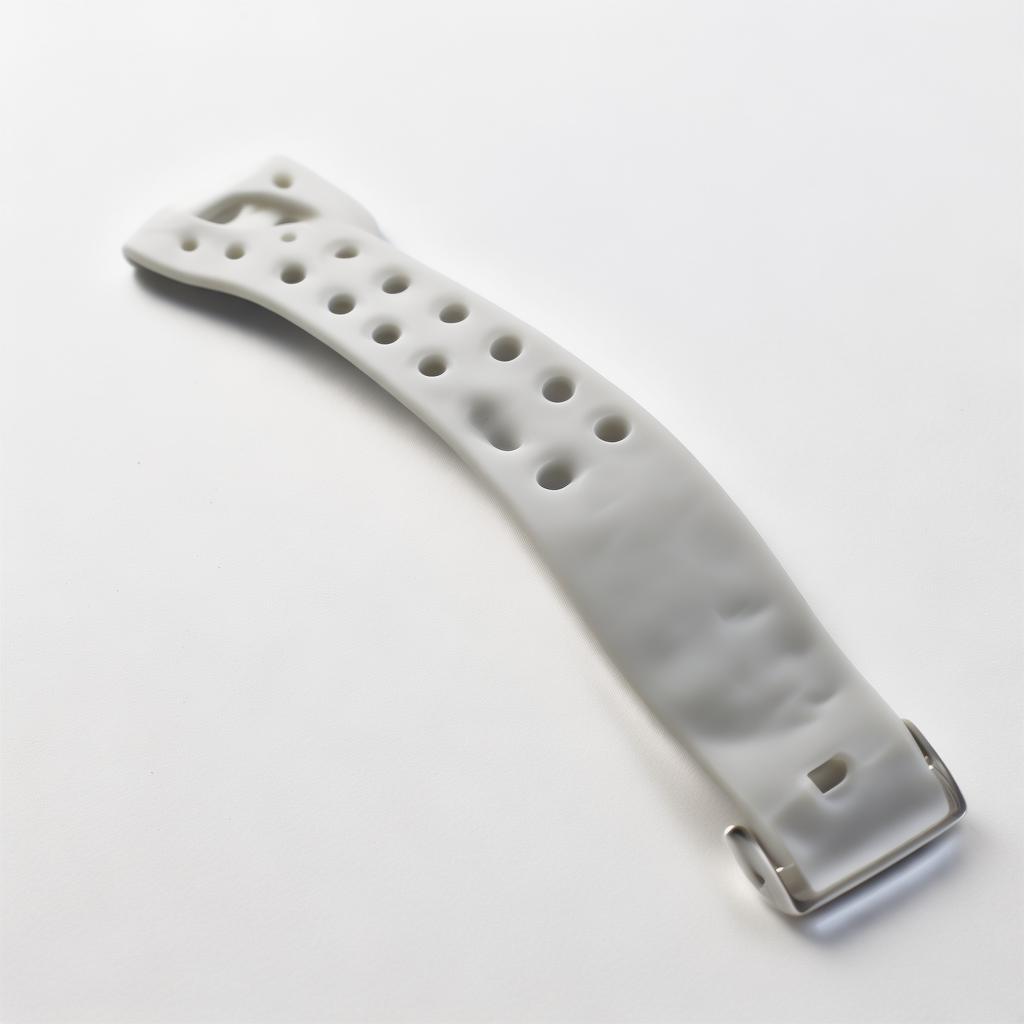
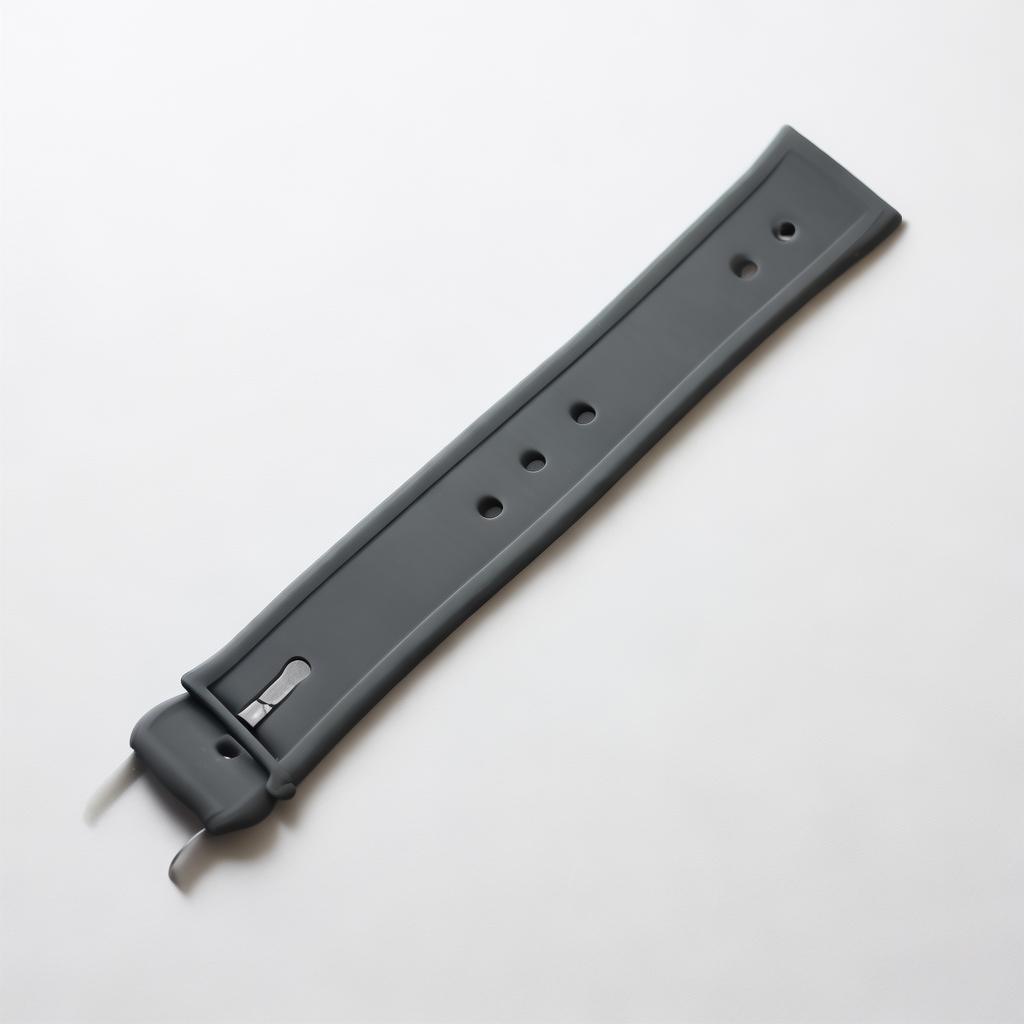
siliconen rubber solid silicone rubber Conductive silicone rubber accessories
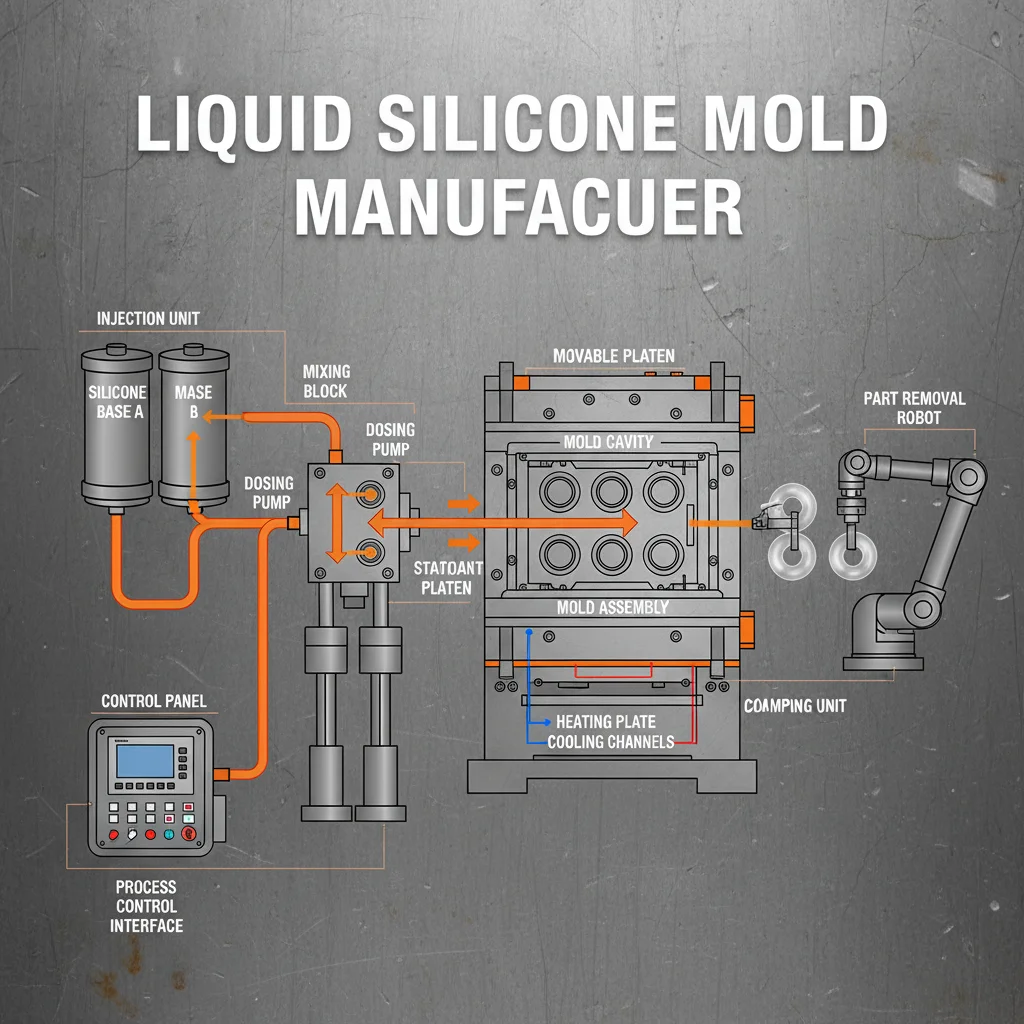
Production wise, liquid injection molding is the standard method for shaping LSR parts. This requires precision molds often made from stainless steel, equipped with ISO 9001-certified process control systems to maintain product uniformity. Advanced CAE simulations, as highlighted in recent research, emphasize the need for accurate rheological data to predict filling patterns and curing kinetics, ultimately reducing defects. Our factory leverages such data-driven methods to optimize cycle times and dimensional accuracy, critical for applications demanding tight tolerances.
Industrial Application Scenarios
Across industries, silicone rubber finds applications where reliability under challenging conditions is paramount:
- Automotive Sealing Solutions: Engine gaskets, HVAC seals, vibration dampers benefiting from silicone's heat and chemical resistance in powertrain and cabin environments.
- Medical Devices & Healthcare: Biocompatible LSR for respiratory masks, catheters, wearable diagnostic sensors with FDA-grade sterilizable materials.
- Consumer Electronics: Keypads, flexible connectors, anti-slip backings that require tactile response along with durability under UV and sweat exposure.
- Industrial Machinery: O-rings, bushings, protective covers in high-voltage electrical devices, and robotics which demand mechanical resilience and chemical stability.
- Food & Beverage Equipment: Gaskets and seals meeting FDA and EU standards for food contact safety, supporting hygienic and long-term use.
Each scenario demands precise material formulation and tightly controlled manufacturing. For example, medical LSR parts use specific platinum-cured formulations ensuring low extractables and hypoallergenic properties. Conversely, automotive components emphasize improved tear strength and heat-aging resistance. Matching silicone grades to application needs — including shore hardness, tensile strength, and curing method — reduces later-stage failures.
"Consulting with your manufacturer early on ensures material compliance and tooling design tailored to your product's operational environment." – Manufacturing Specialist, Guangdong Yingtai
Procurement & Supplier Evaluation Guidance
Buyers sourcing silicone rubber components internationally must consider several practical factors to secure consistent quality and supplier reliability:
- Certifications & Compliance: Confirm suppliers hold ISO 9001, CE, FDA (for medical), and RoHS certifications relevant to your industry. This ensures adherence to safety, quality, and environmental standards.
- Technical Support & Customization: Evaluate supplier capacity to support OEM/ODM modifications, tooling co-development, and production scalability to adjust to market demand.
- Lead Time & Capacity: Verify manufacturer capacity aligns with your order volume, keeping in mind tooling development cycles can take 4–8 weeks for new molds.
- Sampling & Quality Inspection: Request detailed sampling and visible quality inspection reports including dimensional checks, hardness testing, and internal defect analysis.
- Logistics & Shipping: Understand export experience, container loading optimization, and customs clearance procedures to minimize transit delays or damage risks.
Our facility's integrated industrial park supports entire supply chain control from mold design through finished product, with an insistence on continuous quality improvement. We coordinate logistics strategies with clients for container load maximization, ensuring cost-effective bulk export without compromising product condition.
Tip for importers: Negotiate a trial batch order with thorough documentation and post-shipment quality review, especially if working with new overseas manufacturers. Long-term relationships flourish from trust and transparency.
Request Factory Pricing & Production Lead Time
Buyer Frequently Asked Questions
- Q1: What are the main differences between liquid silicone rubber (LSR) and solid silicone rubber?
- LSR is a two-part liquid material suited for injection molding with faster cycle times and finer design detail capability. Solid silicone (HTV) is typically compression molded and better for lower volume or simpler parts but slower to process.
- Q2: How does temperature resistance vary with silicone rubber grades?
- Most LSR grades tolerate continuous use up to 230°C. Specialty grades with additives can extend this range, but high-heat applications should consult with manufacturers about thermal aging properties to ensure product lifespan.
- Q3: Is silicone rubber suitable for food and medical device applications?
- Yes. FDA- and EU-compliant silicone rubber grades are commonly used in medical tubing, seals, and consumer food-grade contact products. Proper certification and traceability from supplier are essential.
- Q4: What are common installation or maintenance concerns with silicone parts?
- Silicone parts typically require minimal maintenance. However, avoid prolonged exposure to harsh chemicals not compatible with silicone and ensure correct compression to maintain sealing effectiveness. Cleaning with mild detergents preserves longevity.
- Q5: How can I reduce defects in silicone injection molded parts?
- Defect reduction relies on tooling precision, stable process parameters, high-quality raw materials, and experienced operators. Advanced simulation, including rheological and curing data (as in MDPI study), helps optimize injection cycles.
Customer Reviews & Testimonials

John Simmons, Procurement Manager, Auto Parts Distributor
“Partnering with Yingtai has significantly streamlined our supply chain for silicone gaskets. Their quality consistency and on-time delivery helped us reduce assembly line downtime. The technical team's responsiveness is a definite asset.”

Maria Lopez, Senior Industrial Engineer, Medical Device OEM
“Working with Yingtai’s LSR specialists improved our component reliability. Their certification compliance and attention to mold design optimized the functionality of our wearable devices. We saw fewer defects post-launch.”

David Wright, Importer & Operations Manager, Industrial Equipment Firm
“We appreciated the support on logistics handling and freight planning; Yingtai’s understanding of container loading and export processes saved time and shipping costs. Product quality matched specs every time.”
Ready to Source High-Quality Silicone Rubber Components?
Contact Guangdong Yingtai High Precision Technology Co., Ltd. for tailored OEM/ODM solutions with global export experience.
Phone (Miss Zhang): +86 17722437688 | Email: zmm@yingtai168.com
Whatsapp: +86 17722437688 | Fax: +86 0769-83666863