Comprehensive Guide to ASA Polymer: Industrial-grade Solutions for Durable Performance
Guangdong Yingtai High Precision Technology Co., Ltd. presents an expert overview of ASA polymer—its properties, industrial applications, comparative advantages, and procurement insights for global purchasing managers, technical engineers, and supply chain decision-makers.
1. Introduction to ASA Polymer
Acrylonitrile Styrene Acrylate (ASA) polymer is an advanced thermoplastic resin engineered for superior weather resistance and mechanical durability in harsh outdoor environments. Originally developed as an improvement over ABS, ASA incorporates acrylic esters that offer notably enhanced protection against UV radiation, moisture, and temperature variations. This makes ASA an ideal choice for industrial manufacturers, OEM factories, and procurement teams sourcing robust materials tailored for outdoor applications.
From our vantage point in Dongguan, Guangdong Province—home to Guangdong Yingtai High Precision Technology Co., Ltd., with over 20 years in precision molding and polymer processing—the demand for ASA continues to grow steadily across sectors. We've observed a shift towards polymers that blend mechanical strength with long-term aesthetic retention. ASA polymer meets these criteria with exceptional weatherproofing and chemical resistance, minimizing field failures and reducing costly rework.
Our extensive manufacturing footprint, including 80+ automatic injection molding units and 55 liquid silicone molding machines, allows integration of ASA with advanced overmolding processes and hybrid polymer blends. Such synergy enhances functional properties, especially in consumer electronics housings, automotive exterior parts, and smart home appliances.
Understanding the global picture: market insights from recent industry reports—including a combined review from GrandView Research and MarketResearchFuture—highlight significant CAGR growth for specialty polymers akin to ASA in outdoor and automotive sectors through 2030. This validates ASA's rising importance as manufacturing scales globally and sourcing managers seek reliable, versatile materials.
In practical terms, ASA governs durability metrics with high tensile properties combined with flexural modulus typically between 2200 to 2500 MPa, and heat deflection temperatures surpassing 95°C. Crucially, it demonstrates excellent resistance to UV degradation without the brittleness sometimes associated with competing polymers like polycarbonate.
Note for procurement: While ASA may come with a modest cost premium versus ABS, the extended part lifespan and reduced maintenance make it a cost-effective choice for products requiring outdoor exposure or enhanced longevity.
2. Industry Pain Points Addressed by ASA Polymer
- UV and Weathering Failure: Traditional polymers degrade prematurely under sunlight exposure, causing yellowing, cracking, or mechanical weakening. ASA's acrylic component combats this by maintaining color stability and structural integrity over years, a major consideration in signage and outdoor housings.
- Chemical and Stress Cracking Resistance: Many polymers fail when exposed to cleaning solvents or industrial chemicals. ASA withstands common detergents and oils with minimal dimensional change, reducing warranty returns.
- Processability and Dimensional Stability: Sharp procurement specifications must align with molding capabilities. ASA offers excellent flow for injection molding and consistent shrinkage rates, ensuring tight tolerances necessary in multilayer or hybrid assemblies.
- Supply Chain Risk: ASA polymer supply can be volatile due to raw material fluctuations. Sourcing from a reputable factory with dedicated production lines—such as Guangdong Yingtai’s integrated industrial park—lowers lead times and mitigates container loading and customs delays.
- Integration with Overmolding: Industry practitioners frequently require ASA’s compatibility with liquid silicone rubber (LSR) for overmolded seals or protective coating. Poor material synergy causes adhesion failures, but well-tuned formulations and process controls solve this effectively.
3. Technical Overview and Properties of ASA
ASA polymer belongs to the family of styrenic resins and is manufactured typically through emulsion or mass polymerization methods. Key properties include:
| Property | Value / Range | Notes |
|---|---|---|
| Tensile Strength | 45-55 MPa | Strong mechanical resistance under stress |
| Flexural Modulus | 2200-2500 MPa | Resists bending and deformation |
| Heat Deflection Temperature (HDT) | 95-105°C | Suitable for thermal stability under operational stress |
| UV Resistance | Excellent | Retains mechanical and aesthetic qualities outdoors |
| Water Absorption | ~0.2% (24h) | Low moisture uptake aids dimensional stability |
| Processing Method | Injection Molding, Extrusion | Mold flow and temperature control critical for quality |
Due to ASA’s thermoplastic nature, it can be readily recycled, but care is advised to maintain batch consistency in large volume production.
Technical Insight: For injection molding, maintaining barrel temperatures between 230-260°C and mold surface temps of 40-60°C is crucial to prevent surface defects and ensure dimensional precision.
4. ASA Polymer Compared to ABS, PC, and Polycarbonate Blend (PC/ABS)
To aid purchasing decisions, here is a concise comparison of ASA with commonly used polymers in the industrial sector:
| Feature | ASA | ABS | PC/ABS Blend |
|---|---|---|---|
| UV Resistance | Excellent | Poor | Moderate |
| Impact Strength | Good (20-25 kJ/m²) | Moderate (15-20 kJ/m²) | Excellent (25-30 kJ/m²) |
| Chemical Resistance | Strong | Moderate | Variable |
| Thermal Stability (HDT) | 95-105°C | 85-95°C | 110-130°C |
| Aesthetic Retention | High (UV stable) | Low (yellowing) | Medium |
polychloroprene a polymer blending of polymers plastics engineering
Operational advice: Choose ASA for components exposed to sunlight or outdoor use requiring color stability and weather resistance. ABS can suffice for indoor, non-exposed parts where costs are tighter. PC/ABS blends offer better heat and impact performance for more demanding mechanical loads but at the expense of UV stability.
5. Key Application Scenarios for ASA Polymer
ASA's intrinsic properties make it well-suited across a range of industrial and commercial applications:
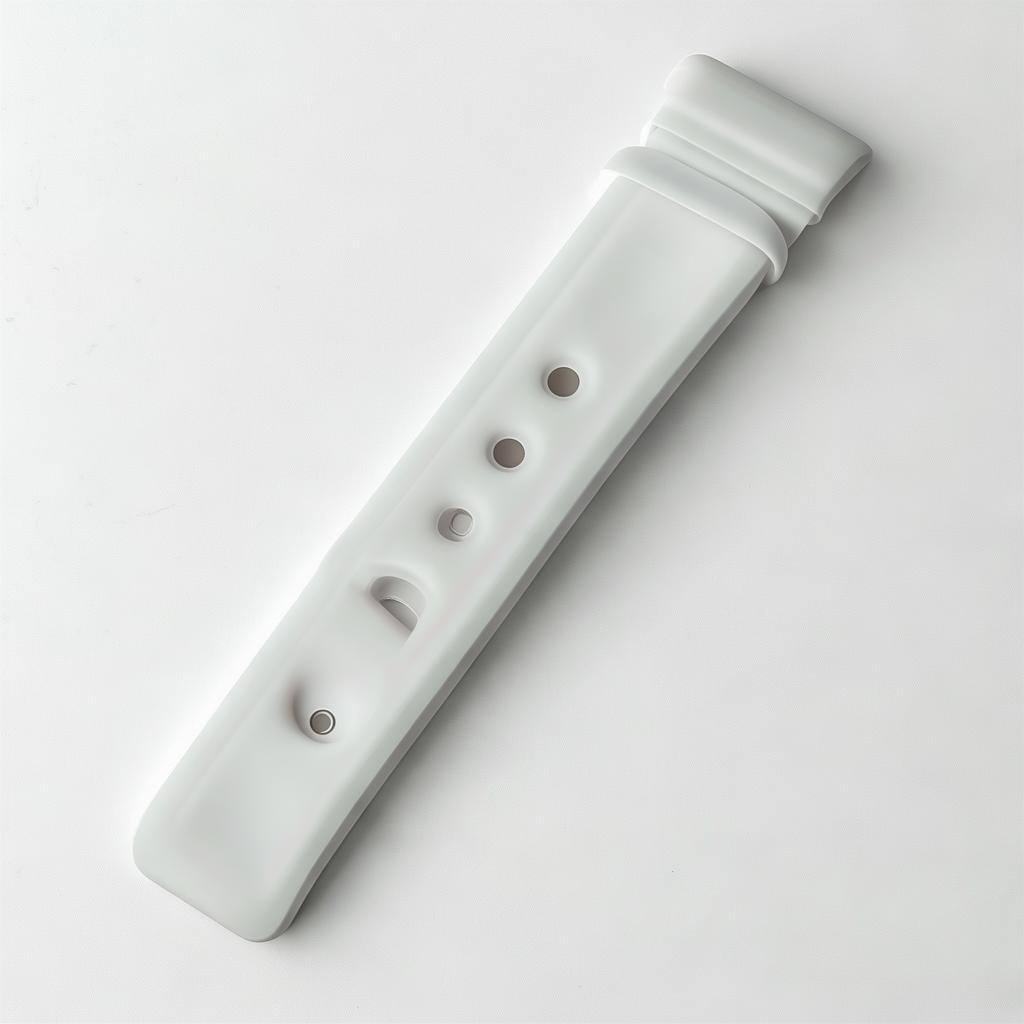
- Automotive Exterior Components: Mirror housings, grilles, emblems, and lamp bezels benefit from ASA’s UV and impact resistance allowing sustained outdoor use.
- Electrical & Electronics Housings: Outdoor routers, security cameras, and smart home device shells use ASA to withstand environmental exposure.
- Construction Profiles & Architectural Hardware: Window trims, door seals, and fascia components demand weather-resistant polymers to avoid paint and substrate degradation.
- Outdoor Furniture and Sports Equipment: Durable, color-stable parts with UV resistance increase product life and reduce maintenance.
- Consumer Goods Packaging: ASA parts requiring silicone overmolding for ergonomic grips or sealing gaskets are common in kitchen appliances and garden tools.
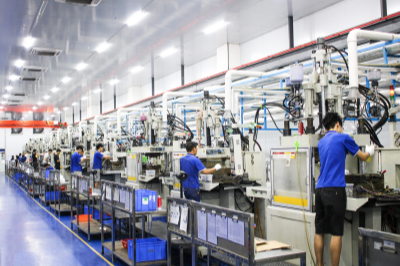
Procurement teams should also assess specific formulation additives for flame retardancy, color matching, and mechanical enhancement based on product lifespan and usage conditions. Custom OEM/ODM solutions available for tailored resin blends with optimized melt flow indexes and filler loadings.
6. Procurement & Supplier Evaluation Guide
Industrial supply chain managers and purchasing directors must carefully evaluate ASA polymer suppliers for quality, consistency, and logistics:
- Factory Capabilities: Confirm supplier's molding equipment (shot size, automation level, multi-material integration). Yingtai factory’s asset of 80 automatic injection molding presses qualifies for consistent batch-to-batch material performance.
- Material Certification & Compliance: Request ISO 9001 and material compliance certificates (e.g., RoHS, REACH) demonstrating traceability and chemical safety.
- Lead Times & Logistics: Negotiate defined production lead times and reliable container loading plans to avoid supply chain disruptions—especially critical for bulk orders exceeding industrial-use quantities.
- OEM/ODM Customization: Work with suppliers offering polymer formulation tweaks and overmolding integration for tailored end products rather than off-the-shelf resin delivery alone.
- Process Technical Support: Engage suppliers who provide mold design consultation and processing parameter optimization, reducing trial runs and fostering first-pass yield improvements.
- After-Sales Service: Clarify warranty terms, defect address policies, and availability of replacement stock or rapid prototyping for evolving product needs.
Insight: Purchasing ASA polymer directly from a technically capable manufacturer like Guangdong Yingtai means shorter feedback loops, better defect control during injection molding, and seamless integration with liquid silicone sealing processes. This operational advantage can save weeks in product launch timelines.
7. Frequently Asked Questions About ASA Polymer
- Q1: How does ASA’s UV resistance compare to ABS?
- ASA incorporates acrylic ester groups that provide a protective layer against ultraviolet (UV) radiation, reducing yellowing and cracking common with ABS in outdoor conditions. Typical ASA products retain color and mechanical strength for 5+ years under direct sunlight, whereas ABS degrades much sooner.
- Q2: Can ASA polymer be overmolded with liquid silicone rubber (LSR)?
- Yes. ASA is compatible with LSR overmolding processes, essential for creating sealing edges or soft-touch surfaces on rigid bases. This requires optimized surface preparation and molding parameters to ensure adhesion and durability.
- Q3: What are the typical processing temperatures for ASA injection molding?
- Recommended barrel temperatures range from 230°C to 260°C with mold temperatures around 40°C to 60°C. Precise adjustments depend on part thickness and flow characteristics but maintaining these ranges helps prevent surface blemishes and internal stresses.
- Q4: Is ASA suitable for food-contact applications or medical devices?
- While ASA is chemically stable, food or medical-grade certifications are not standard for the polymer stock itself. Specialized grades or formulations must be sourced for such markets. Concurrent use with LSR components (often FDA-approved) facilitates medical applications but consult your supplier for compliance documentation.
- Q5: What is the typical lead time when ordering ASA polymer parts from Guangdong Yingtai?
- Generally, production lead times range from 15 to 30 business days depending on order size, mold availability, and customization complexity. Expedited shipping and partial shipments can be arranged to meet urgent demand where feasible.
- Q6: How does ASA’s environmental impact compare?
- ASA is recyclable as a thermoplastic, but processing consumes energy and raw petrochemical feedstocks. Yingtai integrates waste reduction practices and precise molding controls to minimize material scrap rates. There is growing interest in bio-attributed ASA blends, though commercial availability remains limited.
8. Customer Reviews and Testimonials
 Michael J., Operations Manager - Seattle, WA
“Integrating ASA polymer parts from Yingtai dramatically reduced our outdoor device failures caused by UV degradation. Their technical team advised on mold parameters which helped us cut initial defect rates by nearly half in the first production cycle.”
 Sophia K., Procurement Director - Austin, TX
“We evaluated ASA against PC/ABS blends when sourcing housings for rugged electronics. Yingtai’s ability to customize resin blends and supply consistent batches gave us confidence through product launches. The lead time transparency was a big plus.”
 Carlos M., Industrial Engineer - Miami, FL
“The factory’s integration of ASA injection molding and LSR overmolding under one roof simplified our assembly. It’s rare to find such vertical integration combined with technical support, especially with their proactive communications about container logistics.”
Partner with a Trusted ASA Polymer Manufacturer Today
Every day you delay, costs rise and valuable market windows shrink. Connect with Guangdong Yingtai High Precision Technology Co., Ltd. to source premium ASA polymer solutions tailored for demanding industrial applications.
Request Factory Pricing & OEM OptionsReach Miss Zhang: +86 17722437688 | zmm@yingtai168.com
Author

Lin Wei
Export Director, Guangdong Yingtai High Precision Technology Co., Ltd.
With over 15 years in international polymer manufacturing export, Lin specializes in advising global OEMs and procurement leads on material selection and supply chain risk mitigation, especially for advanced thermoplastics like ASA polymer and liquid silicone overmolding solutions.