Expert Advice from Guangdong Yingtai High Precision Technology Co., Ltd. In the realm of industrial manufacturing , precise assembly guidelines form the backbone of consistent product quality, operational efficiency, and long-term component reliability. Whether
Product Details
Assembly Guidelines for Precision Industrial Components
Expert Advice from Guangdong Yingtai High Precision Technology Co., Ltd.
Understanding Assembly: The Foundation of High-Quality Manufacturing
In the realm of industrial manufacturing, precise assembly guidelines form the backbone of consistent product quality, operational efficiency, and long-term component reliability. Whether you are managing procurement of OEM and ODM parts or overseeing on-site installation, understanding the nuances of assembly processes is not just beneficial — it’s imperative.
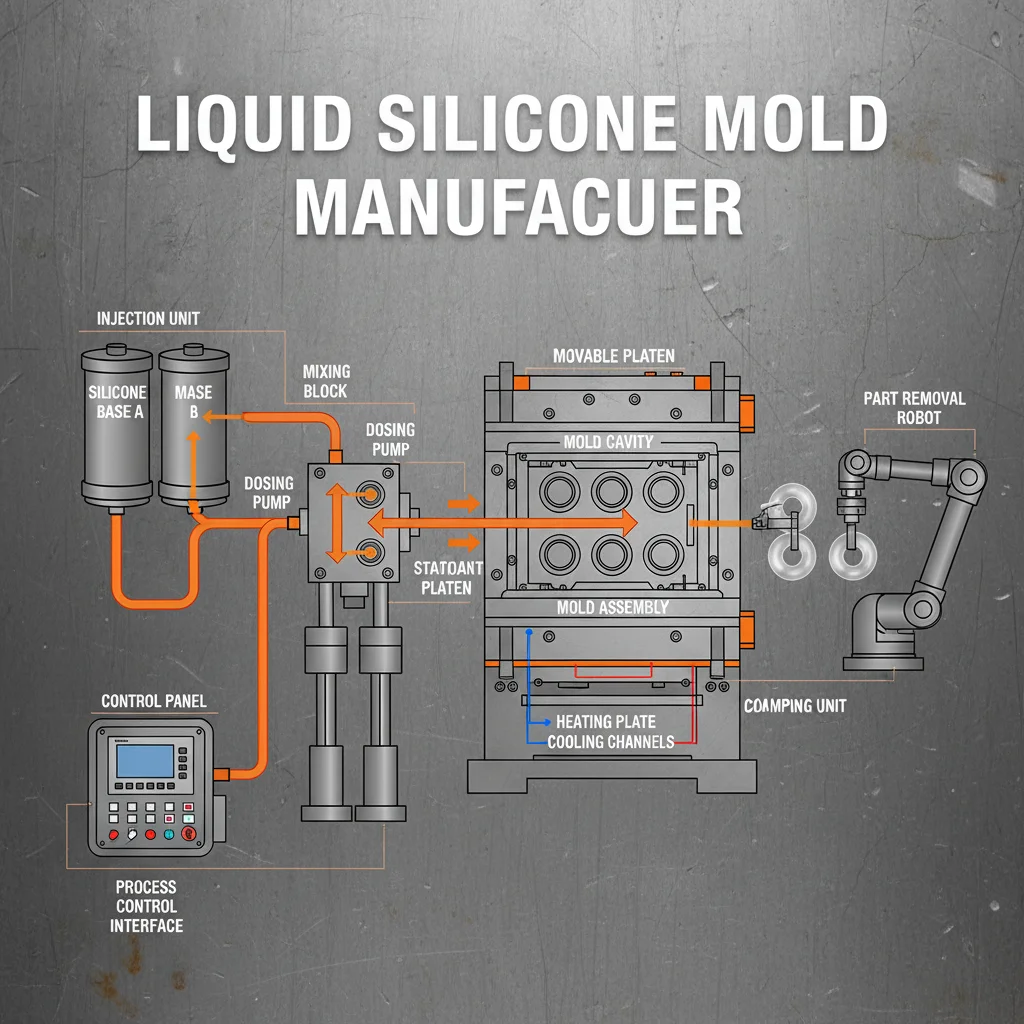
Assembly procedures differ widely depending on material selections, component complexity, and end-use environments. For example, assembling liquid silicone rubber (LSR) seals demands exact control over curing conditions and alignment, while plastic injection-molded parts require careful handling to avoid warping or stress cracking. Inaccurate assembly can lead to premature product failure, increased maintenance, and costly downtime.
More than 20 years ago, Guangdong Yingtai High Precision Technology Co., Ltd. began to set benchmarks in precisely this domain. With a modern industrial park spanning 35,000 square meters in Dongguan’s Changan Town, our expertise centers on producing liquid silicone and plastic products with rigorous assembly standards designed to meet international certifications such as ISO and CE. Our extensive experience working with new energy vehicles, medical electronics, and consumer goods has honed best practice guidelines that align with industry safety standards and real-world operational challenges.
Understanding the mounting market trends — witnessed in the global Liquid Silicone Rubber (LSR) injection molding sector, projected to nearly double in size by 2030 according to Grandview Research — shows the importance of adaptable, quality-driven assembly frameworks. Manufacturers and purchasing managers in the USA and beyond require assembly instructions that not only optimize for performance but also reduce procurement risks, comply with stringent testing requirements, and facilitate smoother logistics.
This guide provides a commercially realistic, operationally informed walkthrough of assembly practices tailored for industrial and international supply chains. It addresses technical aspects, material handling, installation algorithms, and procurement tips — all curated from on-the-ground observations and expert consultations within our factory floors and client sites.
Common Industry Challenges in Assembly
Industry veterans and procurement directors frequently confront recurring assembly pain points that can derail production schedules or degrade product quality. Some of the most operationally significant hurdles include:
Material Compatibility Issues: Mismatched material properties between components such as LSR overmolded onto ABS can cause adhesion failure or stress fractures.
Alignment & Fit Tolerances: Precision assembly requires sub-millimeter accuracy; slight deviations can cause repeatability issues affecting sealing or electrical connectivity.
Process Variability: Inconsistent curing or injection pressures often manifest as dimensional instability or surface defects.
Insufficient Training: Operators unfamiliar with multi-component assembly may cause increased scrap rates or assembly errors.
Quality Control Delays: Lack of inline inspection protocols may allow defective parts to pass unnoticed into final assembly.
Additionally, supply chain disruptions complicate the selection of reliable suppliers who adhere to strict EEAT (Experience, Expertise, Authority, and Trustworthiness) standards. As procurement experts know, evaluating vendors on their assembly capability and logistical agility is as critical as price or lead time.
Technical Insights & Material Considerations
The assembly process starts with a clear understanding of material characteristics and their behavior during and after joining. In applications involving liquid silicone rubber (LSR), the material’s thermal kinetics and chemical resistance influence not only mold design but downstream assembly techniques.
Research from MDPI underlines the importance of accurate rheological and thermal data in injection molding simulations — impacting cycle time predictions and curing uniformity. For assembly teams, that translates to variance management during post-mold fitting and sealing operations, especially when integrating LSR components with plastic housings.
Moreover, selecting the right molding method—be it single-shot, multi-shot hybrid molding, or overmolding—defines how assembly fits and tolerances are verified. Hybrid techniques combining LSR with rigid plastics, such as ABS, require stringent surface activation and bonding control to avoid delamination.
Material handling during assembly:
Avoid exposure to contaminants or solvents that impair silicone adhesion.
Ensure parts remain within recommended humidity and temperature ranges before joining.
Use anti-static and anti-slip tools to maintain component integrity and assembly line safety.
Follow manufacturer specifications for torque and pressure limits on mechanical fastenings.
Industry-standard certifications like ISO 9001 and CE often require manufacturers to document assembly processes with traceability and repeatability metrics, urging procurement officers to prioritize suppliers with compliant manufacturing systems.
Step-by-Step Assembly Process
Outlined below is an operationally practical assembly workflow commonly implemented for liquid silicone and injection molded plastic parts:
Step
Action Description
Key Notes
1
Pre-assembly Inspection
Check dimensions using calibrated gauges; verify material batch certificates.
2
Surface Preparation
Clean components to remove oils, dust; apply primers if required.
3
Alignment & Fixturing
Use dedicated jigs to ensure consistent positioning; avoid manual misalignment.
4
Joining / Bonding
Apply adhesives, heat, or mechanical fasteners according to specs; monitor cure times.
5
Quality Control & Testing
Perform leak, pressure, or electrical continuity tests; log results for traceability.
6
Final Packaging & Labeling
Use protective packaging materials to prevent damage during transit; mark with production batch numbers.
Practical tip: Automation of repetitive assembly tasks, such as robotic fixturing and controlled dispensing systems, can significantly reduce variability. However, initial calibration and ongoing maintenance remain crucial to avoid drift.
Installation Best Practices
Proper installation not only finishes the assembly cycle but plays a vital role in real-world performance. Here are operational insights based on manufacturing and field experience:
Environmental Controls: Avoid installation in extreme temperatures or high-humidity environments, which may impact seal flexibility and adhesive curing.
Tool Selection: Employ torque-limiting drivers, calibrated presses, or laser alignment devices for critical fixtures.
Component Handling: Use clean gloves and anti-static tools; contamination during installation may cause premature failures.
Compatibility Verification: Confirm that assembled modules fit precisely into housing or sub-assemblies without force — stresses can cause microfractures or seal breaches over time.
Documentation: Maintain detailed installation logs for warranty and troubleshooting support, especially for clients in regulated sectors such as medical devices or automotive.
Many contractors report shorter installation time compared with traditional materials when following streamlined assembly processes with pre-validated components.
Logistics & Shipping Considerations
Precision-components assembly guidelines go beyond the factory line — shipping and handling impose constraints that can affect deliverable quality and procurement decisions.
Key logistics factors include:
Packaging Design: Choose materials that protect against moisture ingress, UV exposure, and mechanical shocks during transit. For example, foam inserts combined with anti-static films shield delicate silicone parts from deformation.
Container Loading: Optimize container packing plans to maximize use of space while preventing crushing of lightweight molded components.
Lead Time Management: Work closely with suppliers to forecast realistic delivery timelines accounting for assembly, testing, customs clearance, and inland logistics, especially for international orders.
Transit Temperature Control: Certain silicone and plastic products require temperature monitoring during shipping to prevent premature aging or deformation.
At Guangdong Yingtai High Precision Technology Co., Ltd., we provide comprehensive shipping plans tailored for bulk shipments to North America and Europe, complete with material handling training and documentation support.
Supplier Evaluation & Procurement Advice
For purchasing managers and procurement directors, assessing suppliers on assembly capabilities is as crucial as evaluating pricing or certifications. Consider the following:
Factory Capabilities: Verify whether the supplier has end-to-end production lines, including precision molding, in-house tooling, assembly lines, and quality labs.
Certifications & Compliance: Look for ISO 9001, CE marking, and any industry-specific certifications (e.g., FDA for medical applications).
EEAT Credentials: Prioritize established manufacturers with clear export experience, documented client references, and transparent contact information.
Customization & OEM/ODM Support: Confirm supplier flexibility for product modifications, pilot runs, and packaging variations aligned with your project needs.
Logistics Reliability: Analyze supplier’s track record on delivery punctuality and damage claims for bulk shipments.
Conduct physical audits if possible — assessing clean-room conditions, tooling maintenance, and assembly workflows can reveal risks invisible in certifications alone. Yingtai’s 55 liquid silicone molding machines and over 30 precision mold-processing devices underscore our commitment to quality and capacity.
Frequently Asked Questions
Q: What are the best practices to avoid assembly defects in LSR components?
A: Maintain proper curing temperatures, ensure clean surfaces before bonding, and control injection pressures during molding. Using precise fixtures during assembly also minimizes misalignment.
Q: How can procurement reduce risks associated with overseas assembly?
A: Request detailed process documentation, conduct supplier audits, and demand quality samples ahead of large orders. Use phased shipments and maintain clear communication channels for swift issue resolution.
Q: Are multi-shot LSR overmolding assemblies more prone to failure?
A: When properly engineered, multi-shot assemblies offer strong adhesion and excellent durability. However, process parameters such as surface activation and temperature profiles must be tightly controlled to avoid delamination.
Q: What installation practices improve long-term seal performance?
A: Avoid uneven compression, maintain clean sealing surfaces, and allow recommended curing/setting times before exposure to operational stresses. Controlled torque application prevents over-compression.
Q: How important is documentation in assembly guidelines?
A: Critical. Documentation provides traceability, facilitates troubleshooting, and supports compliance with international standards.
Customer Reviews
Mark Davis
Procurement Manager, Electronics Manufacturing
“Yingtai’s assembly guidelines helped us reduce our warranty return rate by enhancing assembly consistency for LSR seals integrated in medical devices. Their detailed instructions on material handling and post-mold curing were especially valuable for our compliance teams.”
Get in Touch
If you have any camping barbeque equipment inquiry, please feel free to contact us.




 Mark Davis