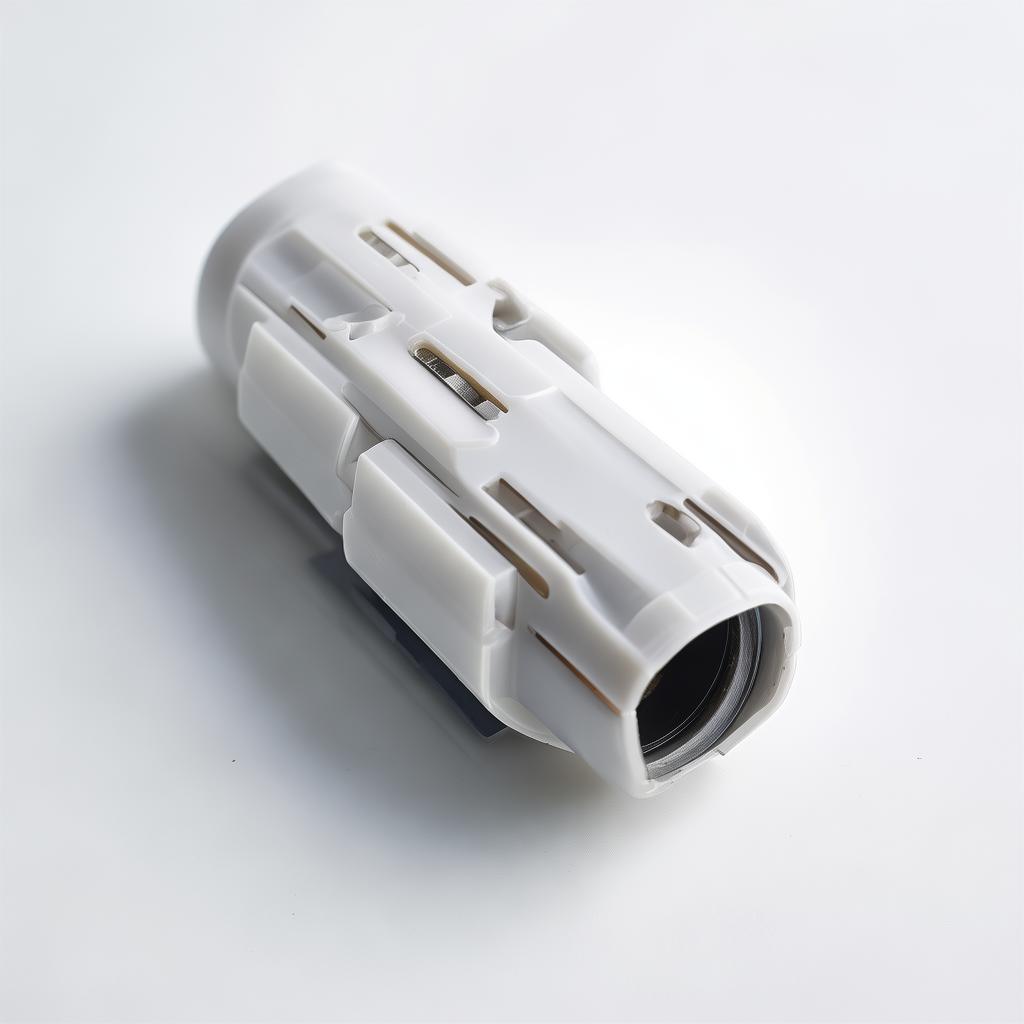
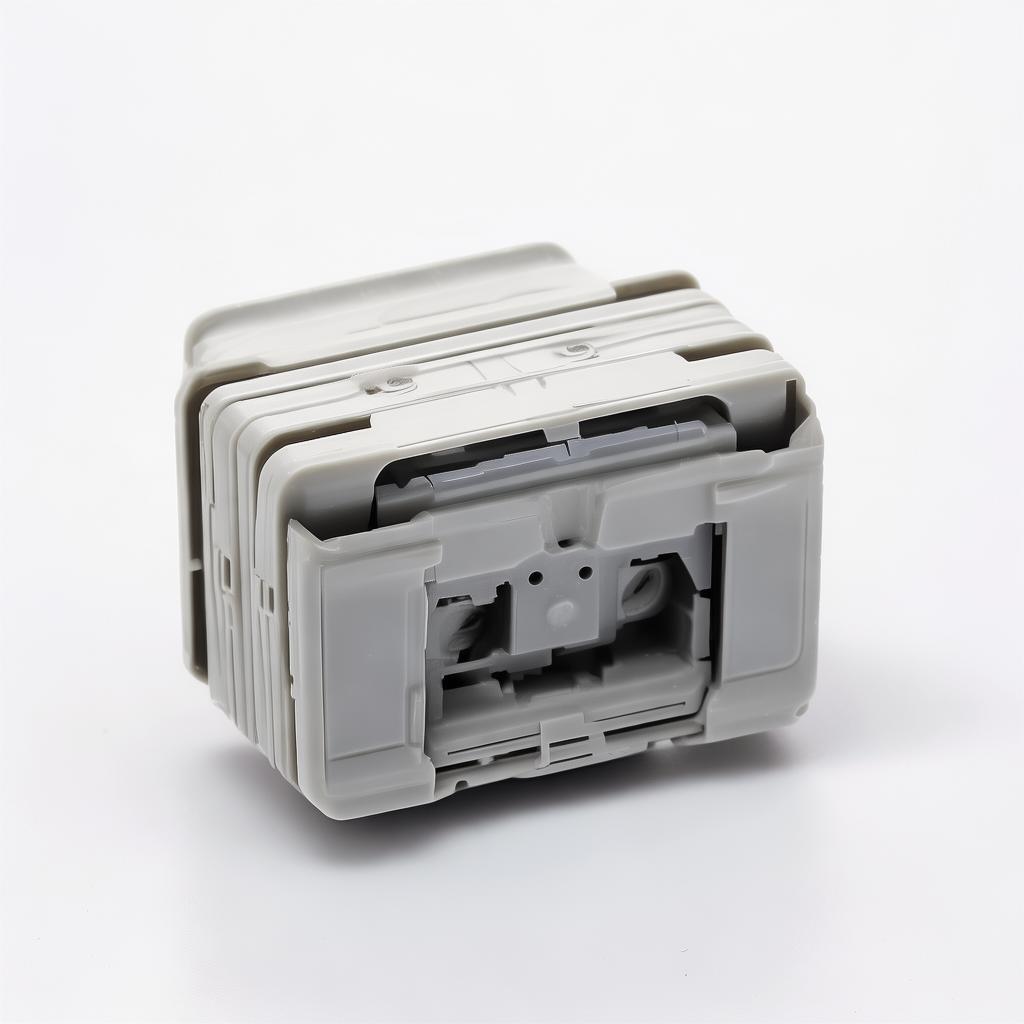
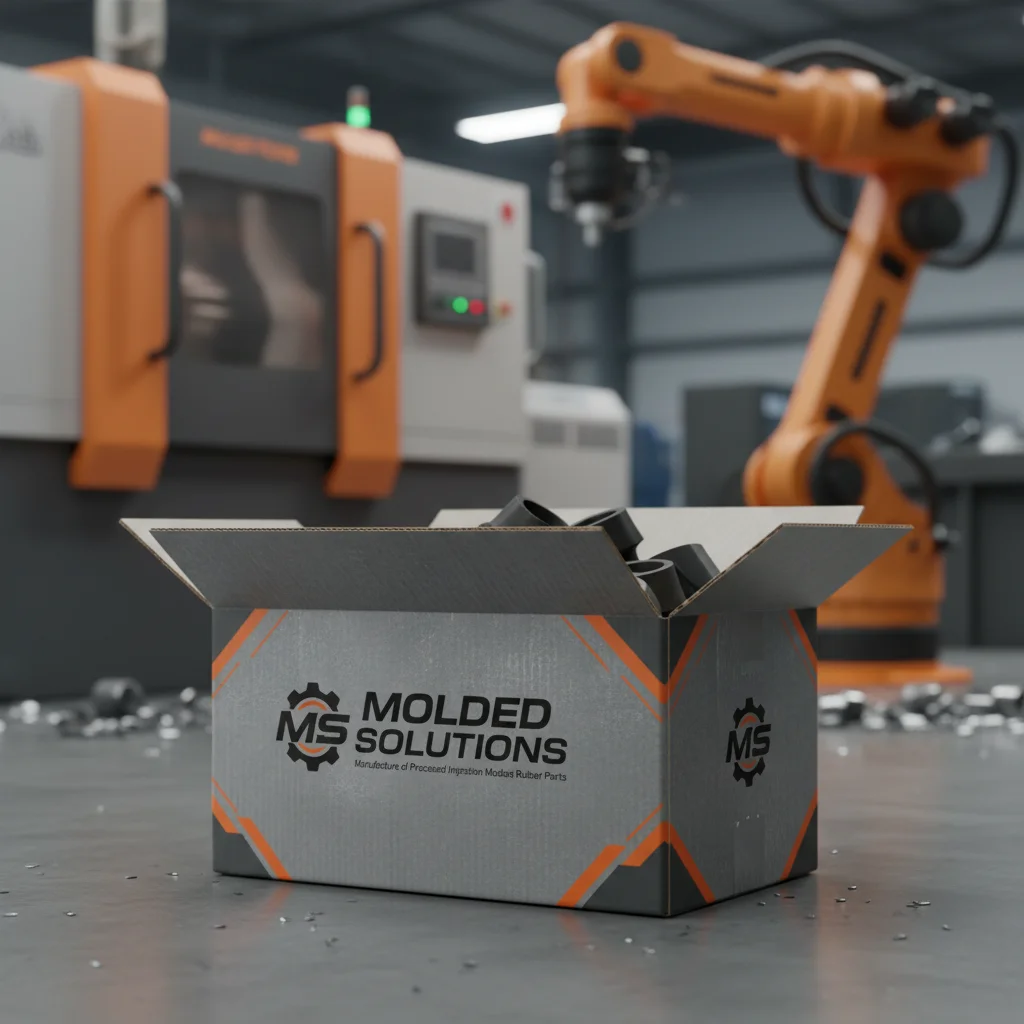
Reduce errors and ramp up efficiency with industrial-grade assembly jigs designed for complex component alignment and fixture stability. Expertly engineered to support high-volume production, our jigs serve as a backbone in quality manufacturing across
Product Details
Precision Assembly Jigs for Streamlined Manufacturing
Reduce errors and ramp up efficiency with industrial-grade assembly jigs designed for complex component alignment and fixture stability. Expertly engineered to support high-volume production, our jigs serve as a backbone in quality manufacturing across automotive, electronics, and medical device sectors.
Current Pain Points in Assembly Processes
Many manufacturing operations face ongoing challenges ensuring consistency in part placement and reducing operator-induced variability. Traditional methods and improvised fixtures often lead to misalignment, production delays, and increased scrap rates. Without dedicated assembly jigs, companies struggle with:
Prolonged cycle times due to manual adjustment and repositioning
Higher defect and rework rates increasing operational costs
Difficulty scaling assembly lines with minimal training overhead
Addressing these pain points requires intelligent fixture solutions that integrate both precision and ergonomics—especially for industries like automotive, aerospace, electronics, and medical devices, where tolerances are tight and volume demands are high.
Technical Overview: What Makes An Assembly Jig Effective?
Assembly jigs serve as custom-made tooling devices to accurately locate, support, and hold workpieces in place during fabrication or assembly. Unlike generic fixtures, jigs are carefully designed according to product geometry, facilitating precision alignment and repeatability.
Key factors defining a high-quality assembly jig include:
Material selection: Commonly aluminum alloys, hardened steel, or reinforced composites for wear resistance and lightweight, depending on operational needs
Tolerance control: Machining precision to millimeter or sub-millimeter levels guided by ISO 2768 standards
Ease of use: Ergonomic features to reduce operator strain, quick locking mechanisms, and tool-less adjustments
Modularity: Adaptability to accommodate design revisions and multiple product variants
Surface treatments: Anodizing, hard chrome plating or nitriding to enhance corrosion resistance and durability
Typical production workflows incorporate CNC machining for jig fabrication, often followed by custom assembly of subcomponents such as clamps, positioning pins, and guide bushes. Using CAD/CAM systems aligned with digital twin simulations optimizes jig design for manufacturing efficiency and long-term maintenance.
Material Comparison & Manufacturing Methods
Material selection directly impacts the lifecycle, precision, and cost of assembly jigs. Here's a comparison of common materials:
Material
Advantages
Limitations
Typical Application
Hardened Steel
High wear resistance, excellent stiffness, long lifespan
Manufacturing processes typically involve CNC milling and EDM for metallic components, while injection molding and 3D printing are options for plastic parts. Surface finishes like electroless nickel plating or hard anodizing extend tooling life in corrosive or high-contact environments. Welding and modular assembly enable versatile jig configurations tailored to diverse products.
Procurement Guide: Selecting the Right Assembly Jig Supplier
Purchasing managers require clear criteria when sourcing assembly jigs. Beyond just price, several operational realities must be considered:
Technical capability: Can the supplier meet your tolerance specifications and provide CAD files for pre-approval?
Material traceability: Are raw materials certified (e.g., ISO 9001, ISO 13485 for medical)?
After-sales support: Availability of spare parts, repair service, or calibration support which prolongs jig lifespan
Lead time transparency: Forecast realistic delivery schedules considering production workload and shipment logistics
OEM/ODM options: Customized branding or design flexibility can differentiate your production line and reduce tooling overhead
Beware of low-cost imports lacking comprehensive documentation or inadequate quality control. Investing upfront in a reputable manufacturer can dramatically lower risks such as tool failure or unscheduled downtime—which often kill profit margins.
Installation and Maintenance: Practical Considerations
Although assembly jigs are precision tools, operational efficiency depends heavily on proper installation and upkeep. Easy steps here save hours over the jig lifecycle.
Installation checks: Verifying alignment before production start reduces unexpected rejection
Calibration schedule: Define routine intervals for jig validation against master gauges
Cleaning protocol: Remove debris and lubricate guide pins to prevent wear or seizure
Spare parts inventory: Keep key components on hand for quick swaps minimizing downtime
Operator training: Educate staff on jig handling to avoid misuse or damage
Many manufacturers implement a 6 to 12 month preventive maintenance plan depending on shift cycles and contact intensity. Underestimating this aspect leads to dimensional drift and eventual fit issues, detracting from product quality.
Certifications & Factory Capabilities
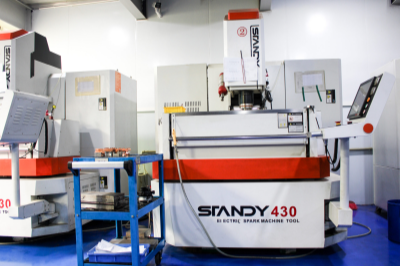
We partner with Guangdong Yingtai High Precision Technology Co., Ltd., a leading manufacturer specializing in high-precision tooling and injection molding for over 20 years. Their Dongguan facility features:
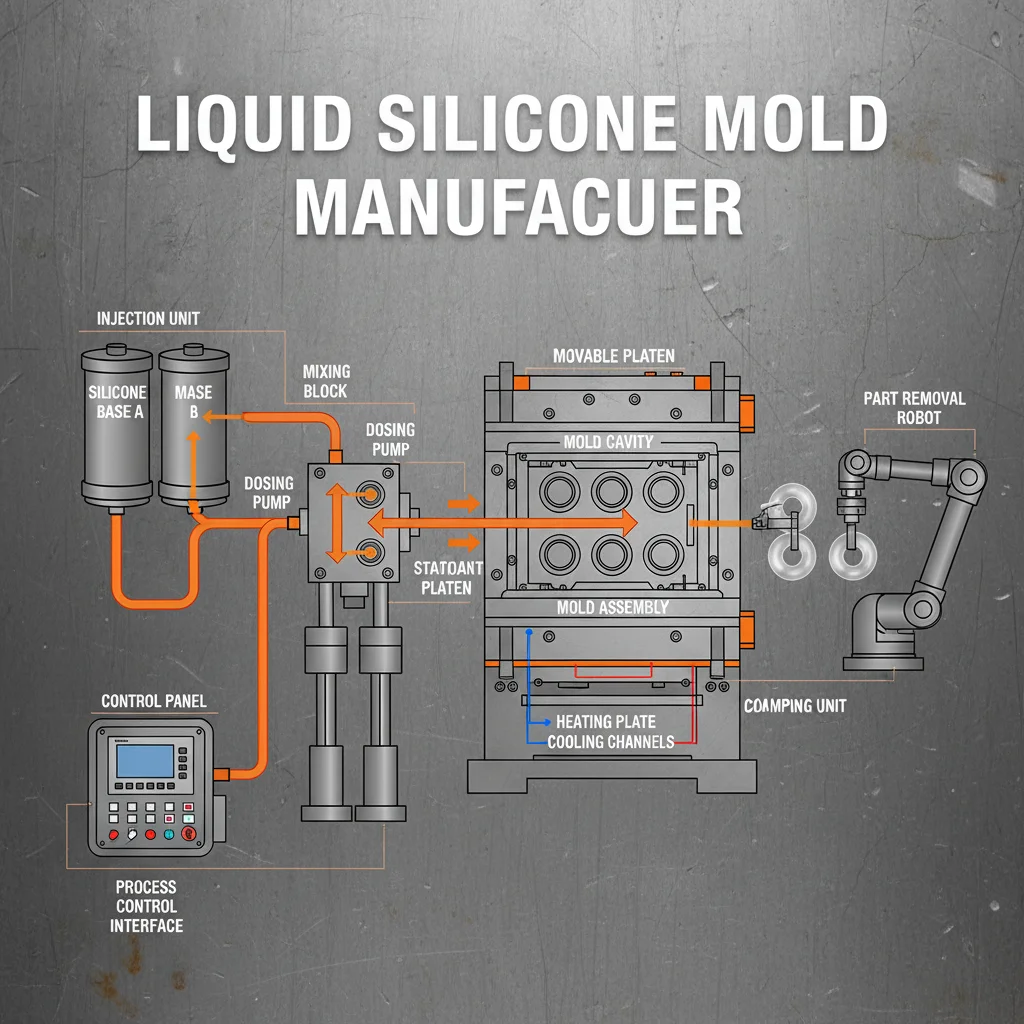
35,000 m² modern industrial park with 55+ liquid silicone molding and 80+ plastic injection machines
ISO 9001:2015, CE, RoHS certifications supporting quality and compliance requirements
Advanced CAD/CAM and CNC machining centers delivering sub-millimeter tolerance tooling
A skilled workforce exceeding 500 professionals including engineers, quality inspectors, and technicians
OEM/ODM expertise ensures custom jig solutions to fit complex manufacturing needs
Guangdong Yingtai High Precision Technology Co., Ltd. Industrial Park
Frequently Asked Questions
What is the typical lead time for custom assembly jigs?
Lead times vary depending on complexity but generally range from 4 to 8 weeks. Early collaboration on design and material selection can expedite production. Guangdong Yingtai boasts an efficient workflow with an average turnaround of 6 weeks for complex jigs.
Can assembly jigs be adapted for future product revisions?
Yes. Modular designs and adjustable locator systems allow for jig flexibility, accommodating minor engineering changes without full replacement. This reduces lifecycle costs and downtime.
What typical certifications should I look for in assembly jig manufacturing?
Ensure the manufacturer holds ISO 9001 for quality management. For medical or aerospace sectors, certifications specific to those industries may be required. Guangdong Yingtai also complies with CE and RoHS standards.
Is OEM or ODM manufacturing available?
Absolutely. Yingtai offers tailored OEM/ODM services, including design input, prototyping, and tooling development. Their integrated industrial chain supports rapid scale-up from prototypes to mass production.
What maintenance routine prolongs assembly jig lifespan?
Regular cleaning, lubrication of moving parts, and adherence to calibration schedules minimize wear. Preventative maintenance every 6 to 12 months is recommended depending on production intensity.
Customer Reviews
Mark Simmons, Procurement Director, Midwest Electronics:
"Guangdong Yingtai's assembly jigs have drastically reduced our assembly errors. Their team's detailed consultation helped us tailor the jigs specifically for our PCB assortments. Lead times were reasonable and after-sales service responsive."
Get in Touch
If you have any camping barbeque equipment inquiry, please feel free to contact us.