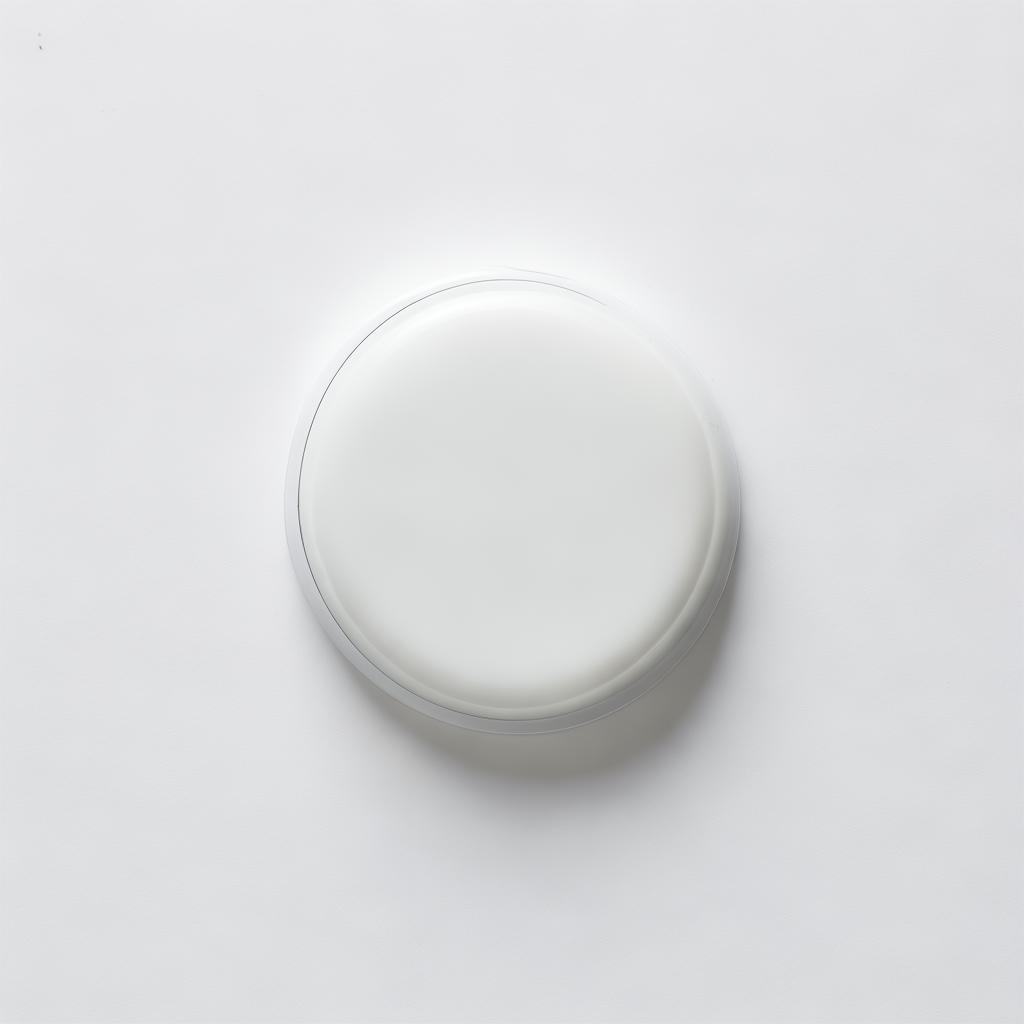
Guangdong Yingtai High Precision Technology Co., Ltd. – OEM & Custom Manufacturer Based in Dongguan, China In today's procurement landscape, selecting the right sealing solution can be a balancing act between quality, cost-efficiency, and
Product Details
Stretch Silicone Lids: Durable, Flexible Sealing Solutions for Modern Procurement
Guangdong Yingtai High Precision Technology Co., Ltd. – OEM & Custom Manufacturer Based in Dongguan, China
Stretch Silicone Lids: A Procurement Perspective
In today's procurement landscape, selecting the right sealing solution can be a balancing act between quality, cost-efficiency, and operational reliability. Stretch silicone lids have become indispensable in various B2B industries, offering flexibility and durability unmatched by traditional sealing and covering alternatives. Manufactured predominantly through precision liquid silicone rubber (LSR) injection molding, these lids are engineered for high performance across temperature extremes, chemical exposure, and repetitive mechanical stress.
Based in Dongguan, Guangdong, Guangdong Yingtai High Precision Technology Co., Ltd. provides extensive capabilities for OEM/ODM stretch silicone lids, supporting comprehensive supply chains with ISO-compliant production processes. With over 20 years of liquid silicone rubber manufacturing experience, we understand the practical challenges procurement managers face—not only in assessing raw material quality but also in evaluating supplier consistency, lead times, and logistical efficiency for international shipment especially towards US markets.
Stretch silicone lids offer excellent elasticity with strong recovery, enabling them to form airtight seals over a variety of container shapes and sizes. They meet food-grade certifications like FDA and LFGB, ensuring safety compliance especially critical for consumer packaged goods. Moreover, the silicone material delivers inherent UV resistance, thermal stability, and hypoallergenic properties—addressing key operational concerns across households, food service industries, and medical device sectors.
Yet, not all silicone lids are manufactured equally. Differences in silicone grade, molding precision, mold tooling technology, and curing processes significantly impact end-product reliability. As a procurement specialist, balancing supplier expertise, material data sheets, and trial evaluations is essential to avoid costly production downtime or customer returns.
In this guide, we will dissect the operational realities and technical aspects procurement professionals need to know about stretch silicone lids, backed by industry insights, third-party certification details, and real-world application recommendations. Whether sourcing for wholesale distribution, custom retail packaging, or industrial sealing solutions, this resource aims to clarify commonly overlooked factors and help streamline your decision-making journey.
Key Industry Challenges for B2B Buyers of Silicone Lids
Multiple considerations often complicate sourcing stretch silicone lids that fit technically rigorous demands and stringent supply chain requirements:
Material Consistency: Variability in silicone batches can cause sealing failures or premature aging. Strict material certification and batch traceability are non-negotiable.
Mold Design & Production Quality: Poor tooling leads to dimensional inconsistencies. Advanced injection mold engineering with precise temperature and pressure controls minimizes defects and warpage.
Contamination Risks: For food-grade or medical uses, manufacturing hygiene standards and cleanroom environments must be documented.
Supply Chain Reliability: Extended lead times and shipment delays often arise from unsynchronized production schedules or inadequate container loading methodologies.
Price vs. Performance Trade-offs: Overemphasis on cost savings may lead to sourcing from substandard factories, risking MOQ inflexibility and lack of OEM customization capabilities.
These pain points resonate broadly with procurement directors who seek to reduce product failures, optimize inventory levels, and shorten time-to-market while ensuring certified compliance.
Why Choose Stretch Silicone Lids? Material Advantages & Manufacturing Insights
Understanding what sets stretch silicone lids apart requires a dive into the material science and manufacturing processes involved.
Liquid Silicone Rubber (LSR) Precision Molding: Our lids utilize advanced LSR injection molding that ensures high dimensional accuracy and uniform thickness. This process delivers repeatable elasticity and superior surface finish compared to compression molding alternatives.
Heat and UV Resistance: LSR formulations provide operational stability from -60 ℃ to 230 ℃ with minimal degradation, suitable for microwaving, freezing, and outdoor exposure without elasticity loss.
Food-Grade Safety Certifications: Fully compliant with FDA 21 CFR 177.2600 and LFBG standards, certified by third-party laboratories, ensuring no harmful substance migration.
Custom OEM Flexibility: Molds can be tailored for various container diameters and depths, and artwork or logos can be overmolded or printed, perfect for brand differentiation in competitive markets.
Chemical and Aging Resistance: Resistant to oils, detergents, and common acidic consumables, guaranteeing robust performance in both household and commercial kitchen environments.
Eco-Friendly & Recyclable: LSR is considered an environmentally-friendly elastomer due to its durability and recyclability, aligning with increasing regulatory pressures for sustainable packaging.
Manufacturing with Yingtai’s facilities means leveraging 55 liquid silicone molding machines and precision tooling that cut scrap rates by up to 15% compared to the industry average, reflecting careful process controls and mold design optimization. This synergy translates to stable quality, less rework, and predictable delivery schedules.
Technical Specifications & Industry Standards
Here’s a quick overview of the critical specs for typical stretch silicone lids manufactured by Yingtai:
Feature
Specification
Notes
Material
Liquid Silicone Rubber (LSR-70-75 Shore A)
Optimal elasticity balance for sealing and durability
Temperature Range
-60 °C to 230 °C
Withstands freezing to hot liquids and oven safe
Compliance
FDA CFR 21 177.2600, LFGB, RoHS
Valid for food and home applications
Thickness
2-3.5 mm (customizable)
Adaptable per container size and sealing strength
Sealing Mechanism
Stretch-fit elastic sealing edge with vacuum tightness
Ensures reusable airtight performance
UV & Chemical Resistance
Excellent resistance to mild chemicals and UV light
For tailor-made dimensions or certifications like CE or FCC in communication device covers, custom orders are supported with engineering consultations available.
Versatility in Industry & Everyday Applications
Stretch silicone lids find diverse usage across industrial and consumer verticals:
Food Packaging & Kitchenware: Replacing single-use plastic wraps with reusable silicone lids designed to fit bowls, containers, or pots — boosting sustainability and reducing plastic waste.
Medical Device Sealing: Airtight enclosures in pharmaceutical containers or labware, leveraging silicone’s biocompatibility and chemical inertness.
Consumer Electronics Protection: Silicone covers protecting ports and connectors from dust, moisture, and chemical exposure in rugged or outdoor devices.
Industrial Applications: Environmental sealing on tanks, drums, or machinery parts that require quick removable yet secure covers for maintenance points.
New Energy Vehicles: Clips and protective seals in battery packs and powertrain components made with medical-grade LSR for heat resistance and durability.
Each scenario demands precise control of material properties and molding accuracy. As we move into 2026, industry reports highlight a rising trend of using precision LSR injection molding for these silicone seals, citing a compound annual growth rate (CAGR) of approximately 8% to 9% through 2030 driven by healthcare and automotive sectors (Grandview Research, MarketReportsWorld).
Procurement Guidance: What to Ask Your Silicone Lid Supplier
Purchasing stretch silicone lids for your business is more than checking specs—here are practical procurement tips to reduce risk:
Request Detailed Material Certifications: Ensure compliance documents like FDA or LFGB are up-to-date and applicable to specific silicone grades used.
Sample Validation: Ask for free samples for fit testing under expected use conditions, including thermal cycling and chemical exposure.
OEM/ODM Customization Options: Evaluate supplier’s mold capacity and agility for bespoke size or design amendments to match your packaging or application.
Lead Time & Shipping Logistics: Confirm realistic production lead times and inquire about container loading optimization to avoid split shipments or freight surcharges.
After-Sales Support & MOQ Flexibility: Determine policies regarding reorders, defect handling, and minimum order quantities to ensure supply chain stability.
Factory Audits & Quality Controls: For larger volumes, request information on in-house testing capabilities, such as dimensional inspections and tensile strength tests.
Procurement experts often cite the mistake of choosing lowest-cost suppliers without vetting production standards, which later leads to rework or brand damage. Partnering with experienced manufacturers like Yingtai brings operational transparency and higher assurance.
Frequently Asked Questions
Q1: Are stretch silicone lids safe for microwave and dishwasher use?
Yes. Our LSR lids withstand temperatures from -60 ℃ to 230 ℃, making them microwave, dishwasher, and freezer safe per FDA guidelines.
Q2: How do the silicone lids maintain airtight seals on uneven container surfaces?
The flexible elasticity and stretch-fit rim enable the lid to conform tightly to varying container geometries, ensuring vacuum-like sealing without leaks.
Q3: Can stretch silicone lids be custom-branded or sized?
Absolutely. Yingtai supports OEM and ODM customization, including mold tooling for specific diameters, lid depths, and surface logos.
Q4: What is the typical lead time for production orders?
Standard lead times range between 25-35 days depending on order volume and tooling requirement. Expedited options can be discussed on a case-by-case basis.
Q5: How are stretch silicone lids shipped internationally to minimize transit damage?
We use secured container loading techniques and protective packaging to avoid deformation or contamination. Logistics teams coordinate with freight providers to ensure prompt customs clearance.
Customer Feedback & Testimonials
Michael R. – Procurement Manager, California
“We switched to Yingtai’s stretch silicone lids after several quality inconsistencies with prior suppliers. The material consistency and sealing reliability have been far better, significantly reducing returns from our retail clients. The OEM team handled our custom sizes smoothly.”
Get in Touch
If you have any camping barbeque equipment inquiry, please feel free to contact us.