

Auto Injection Molding: Precision Solutions for Advanced Automotive Manufacturing
Insight by: Michael Tan, Industrial Engineer & Export Director at Guangdong Yingtai High Precision Technology Co., Ltd.

Addressing Key Challenges in Automotive Injection Molding
The automotive manufacturing sector is relentlessly evolving, pushing for components that offer higher precision, durability, and efficiency. Yet, many procurement managers and production engineers grapple with various operational pain points tied to injection molding processes. Typical problems include poor dimensional accuracy, inconsistent batch quality, protracted lead times, and escalating tooling costs.
Procuring injection molded parts without considering material compatibility or mold design flaws is a frequent source of rework and waste. Equally, logistics constraints such as container loading inefficiencies and fragile packaging exacerbate delivery delays, compromising assembly schedules downstream.
From the perspective of a procurement professional, these pain points translate to unforeseen budget overruns and reduced production throughput. For example, underestimating the importance of precise rheological data for liquid silicone rubber can lead to excessive flash defects or warping, issues commonly flagged in industry discussions ([Reddit Industry Discussion][12]).
- Material Handling & Quality Control: Selecting appropriate thermoplastics and LSR compounds is vital for automotive seals and gaskets requiring high tensile strength and UV resistance.
- Cycle Time & Efficiency: Inefficient mold cooling or curing leads to longer production cycles and increased energy consumption.
- Supplier & Factory Alignment: Lack of transparency in tooling capabilities and certifications often causes unexpected compliance risks and delivery uncertainties.
Note: The global Liquid Silicone Rubber (LSR) market's projected CAGR of over 8% from 2023 to 2030 highlights the growing demand for precision silicone injection molding products that meet automotive industry standards ([Grand View Research][1]).
Technical Deep Dive: Understanding Auto Injection Molding
Injection molding for automotive applications is not simply about shaping plastics; it requires an end-to-end mastery of material science, tooling technology, and process control. Whether using liquid silicone rubber (LSR) or advanced thermoplastics, manufacturers must account for chemical properties like viscosity, curing kinetics, and thermal expansion.
Advanced simulation techniques, including rheological characterization and thermal profiling, are crucial for predicting mold filling, shrinkage, and curing times accurately. As highlighted in a recent MDPI paper 【Method Matters: The Impact of Material Characterisation Techniques on Liquid Silicone Rubber Injection Moulding Simulations】, poor input data can cause significant deviations in production schedules and final product quality.
Several core materials dominate automotive injection molding workflows:
| Material | Key Properties | Typical Automotive Use |
|---|---|---|
| Liquid Silicone Rubber (LSR) | Biocompatible, heat resistant, flexible, chemical resistant | Seals, gaskets, flexible joints, overmolded electrical parts |
| Polypropylene (PP) & Polyamide (PA) | High strength, lightweight, anti-UV, good chemical resistance | Interior panels, covers, housings |
| Thermoplastic Elastomers (TPE) | Elastic, durable, recyclable, low-temperature flexibility | Weather stripping, bumpers, vibration dampers |
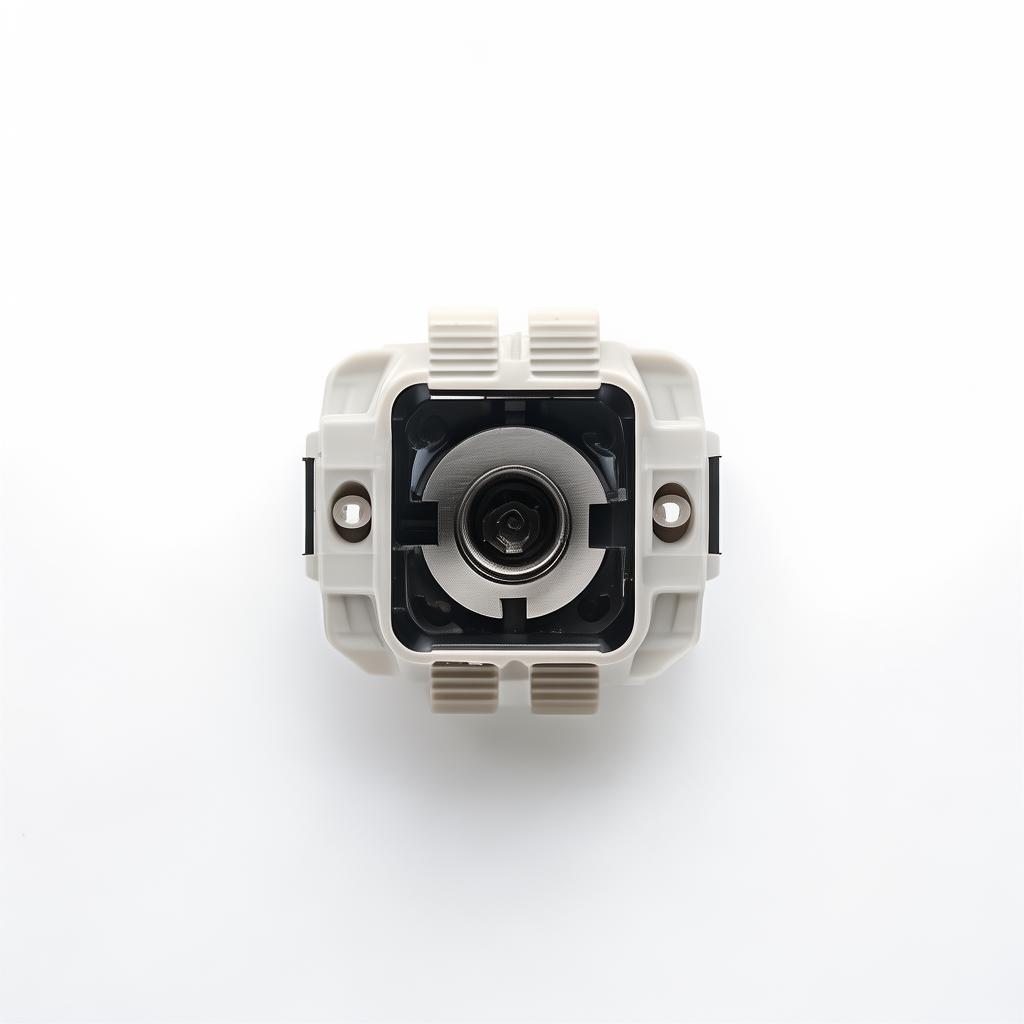
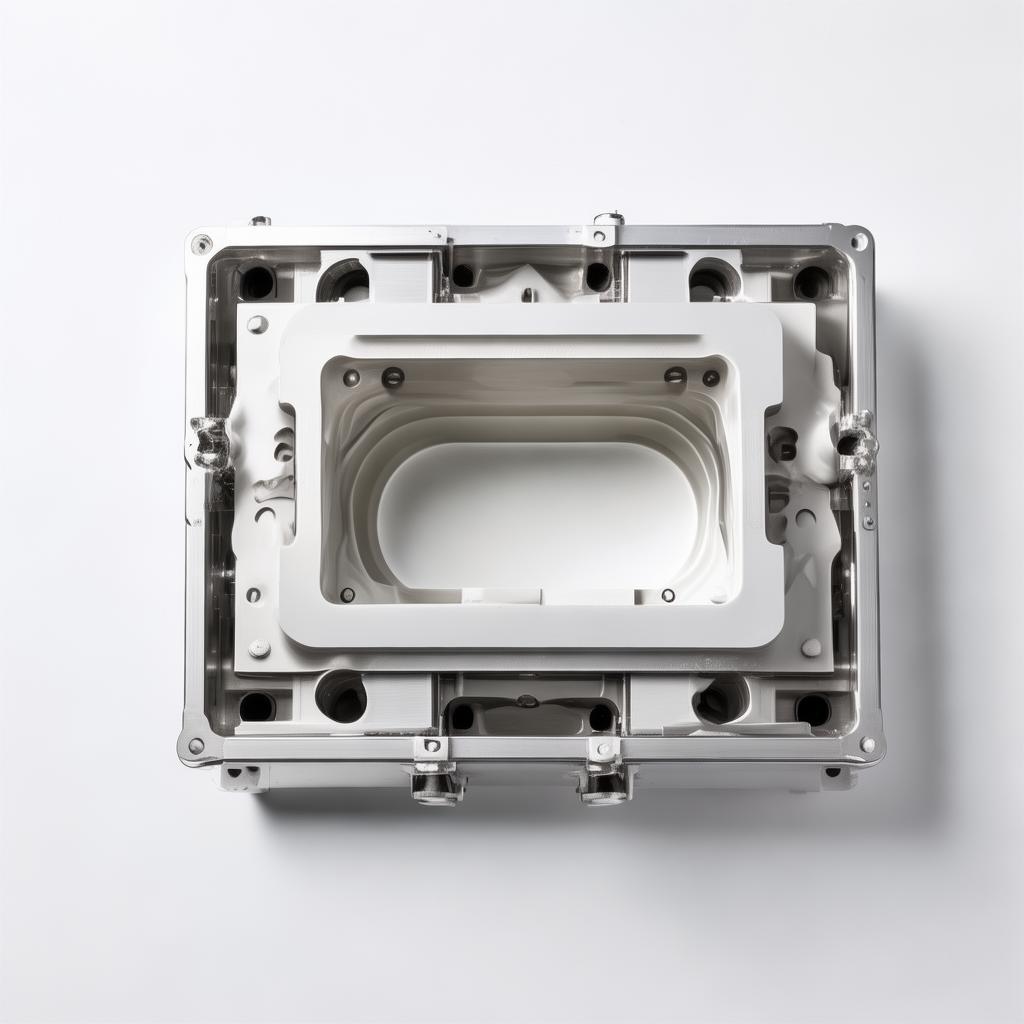
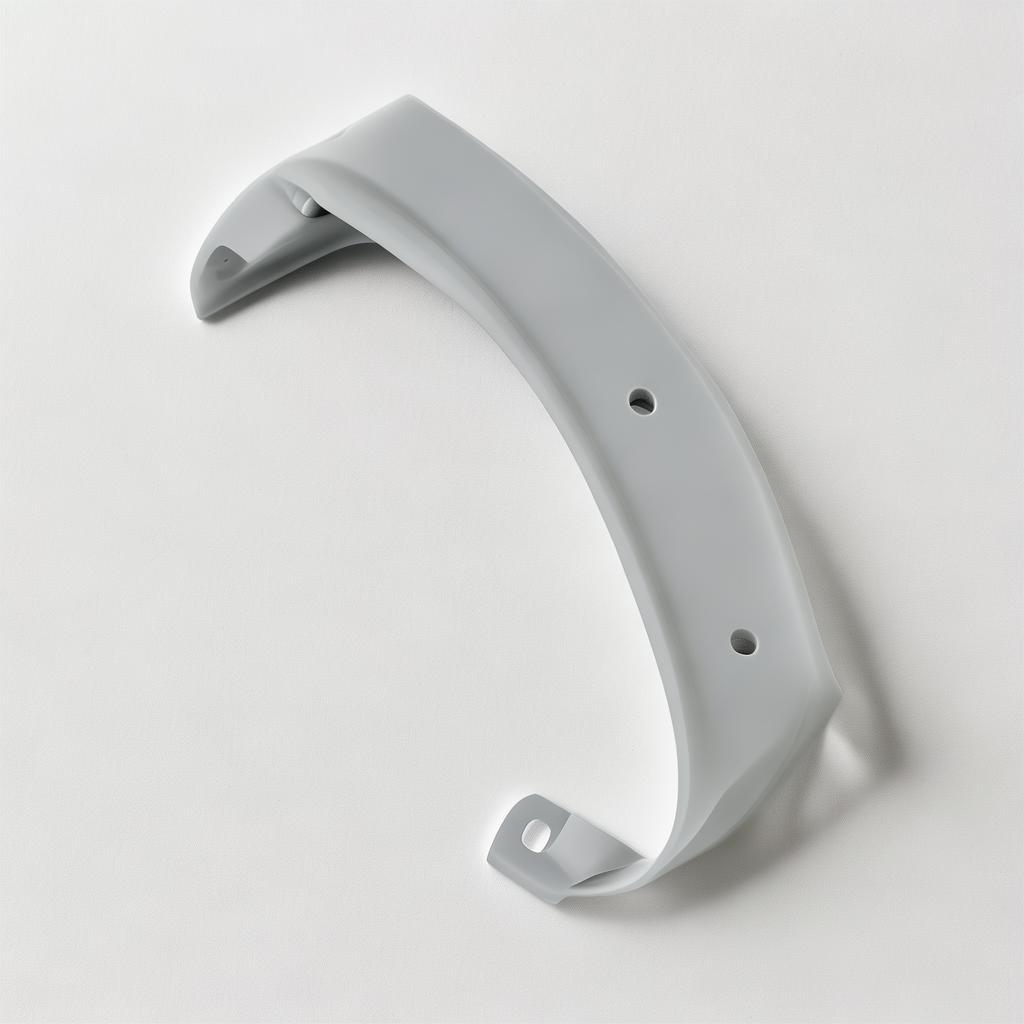
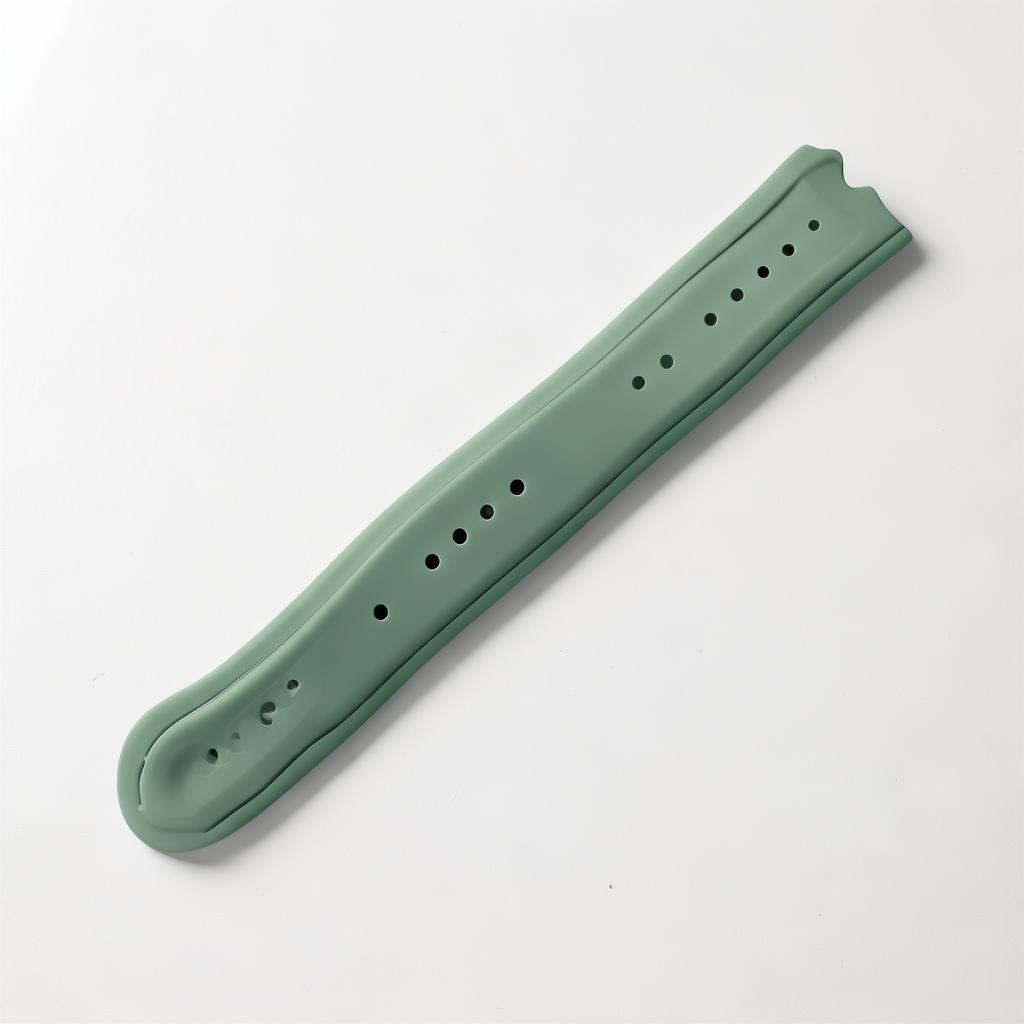
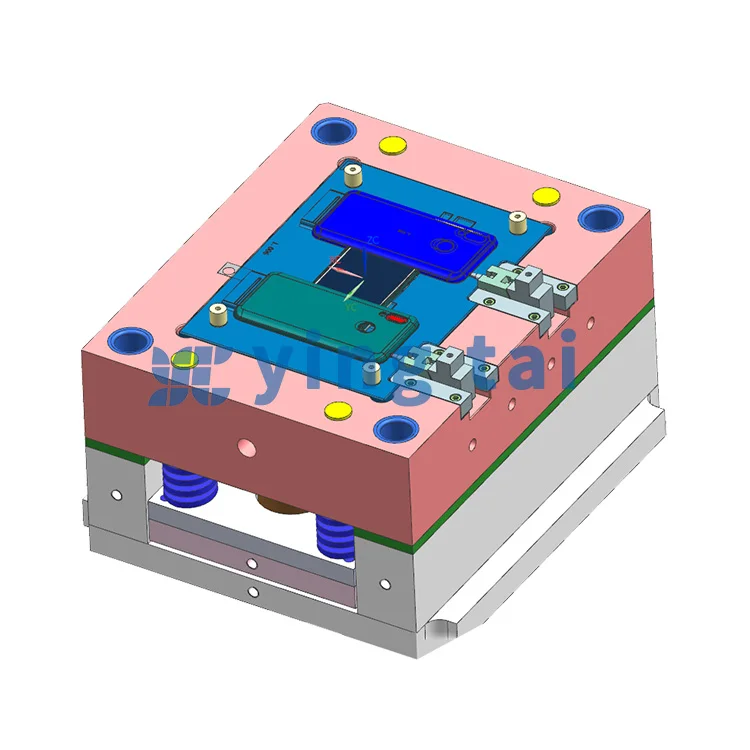
injection molding systems injection molding injection molding Product
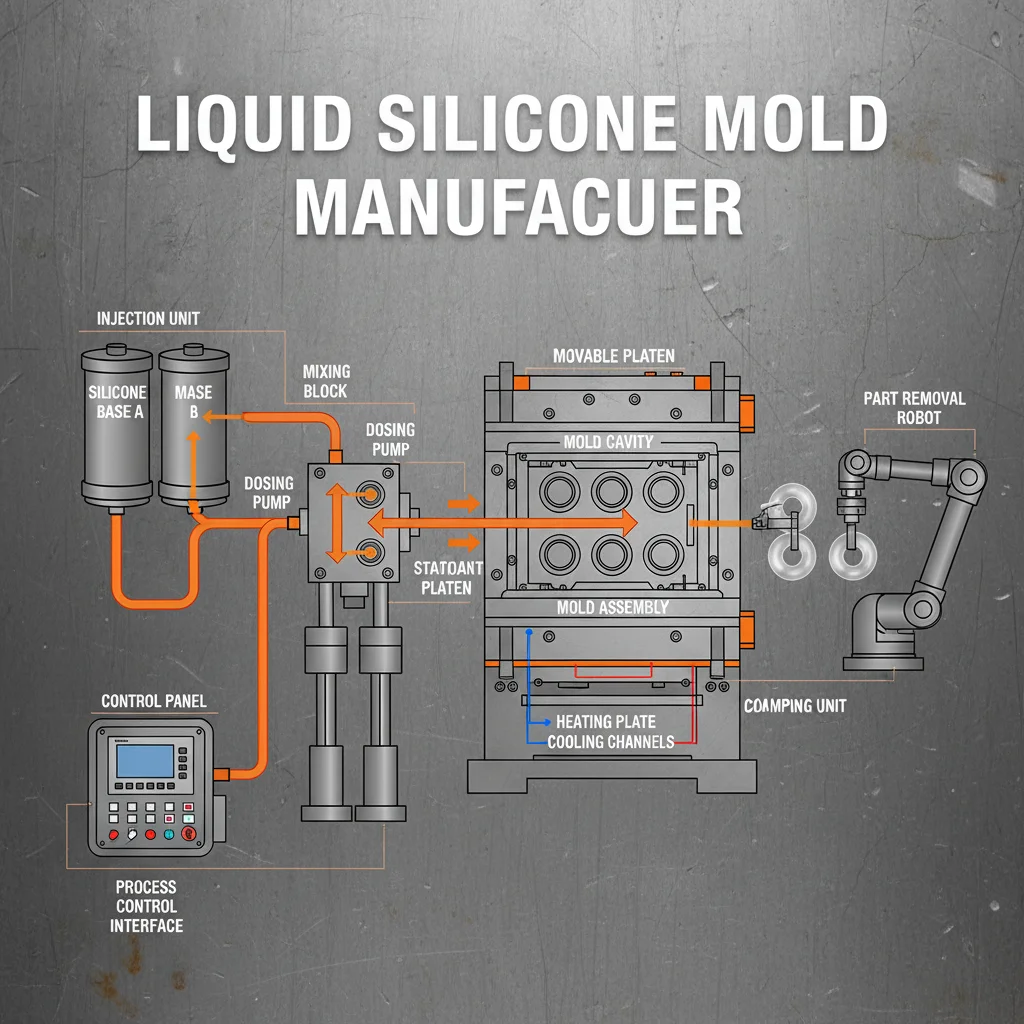
Conceptually, injection molding follows this sequence:
- Mold Design & Tooling: Requires tight tolerances with specific venting and cooling channels to avoid defects (flash, sink marks).
- Material Preparation: Drying and pre-heating materials to meet rheological standards according to ISO and ASTM protocols.
- Injection Process: Careful control of injection speed, pressure, and mold temperature – essential for consistent curing of LSR or ensuring molecular alignment in thermoplastics.
- Post-Molding Treatment: Cooling, removal from molds, and quality inspection for dimensional accuracy and surface finish.
Failure to optimize any stage can cause cycle repeats, increased waste, or long scrap revalidation times. Custom OEM and ODM injection molders like Guangdong Yingtai integrate cutting-edge sensor feedback and AI-assisted process controls to mitigate these risks (see Enhancing the Product Quality of the Injection Process Using Explainable Artificial Intelligence【arXiv】).
Why Partner With Us for Auto Injection Molding?
When navigating complex automotive production cycles, choosing a trusted injection molding partner is vital. Our long-standing industry presence—backed by extensive expertise and robust manufacturing capacity—means you align with a supplier who understands your pain points intimately.
- Comprehensive Industry Solutions: From liquid silicone rubber seals to rigid thermoplastic housings, we tailor products for new energy vehicles, smart electronics, and harsh environment applications.
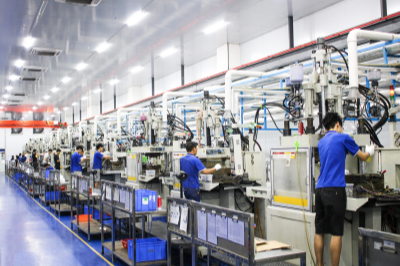
- Robust Manufacturing Assets: With over 80 automatic injection molding machines and 55 liquid silicone molding presses, scalability meets precision.
- ISO 9001 & IATF 16949 Certification: Our factory adheres strictly to automotive quality management standards, reducing risk on certifications and compliance audits.
- OEM/ODM Experience: Collaborate on custom molds and product innovation – from prototyping to mass production within optimized lead times.
- Quality Control & Testing: In-house labs use advanced metrology equipment and process data analytics to detect defects early and ensure durability.
Note: Practical communication during project phases often reveals hidden risks like mold design bottlenecks or material supply chain constraints. Avoid these by engaging with engineers familiar with export logistics and container optimization.
Procurement Guide: Navigating Auto Injection Molding Success
For purchasing managers and supply chain leads, selecting an injection molding partner requires more than just price comparison. A holistic approach considers:
- Material Certification & Traceability: Insist on raw material compliance with automotive standards such as UL94 V-0, RoHS, and REACH.
- Tooling Capabilities: Precision mold manufacturing is costly; check if tooling is maintained and tested via CAE simulations to avoid defects.
- Lead Time Transparency: Understand realistic cycle times, shipment schedules, and risk factors like customs clearance and export packaging (bulk or inline blister packs).
- Communication & After-Sales Support: Responsive technical teams reduce the time to resolve issues, saving project money in the long term.
A supplier capable of handling multi-component injection molding—combining rigid and flexible materials within one process—could save valuable assembly time. A recent MDPI study【MC-Injection Molding with Liquid Silicone Rubber and ABS for Medical Technology】emphasizes how interface adhesion quality boosts durability, a principle directly transferable to automotive parts manufacturing.
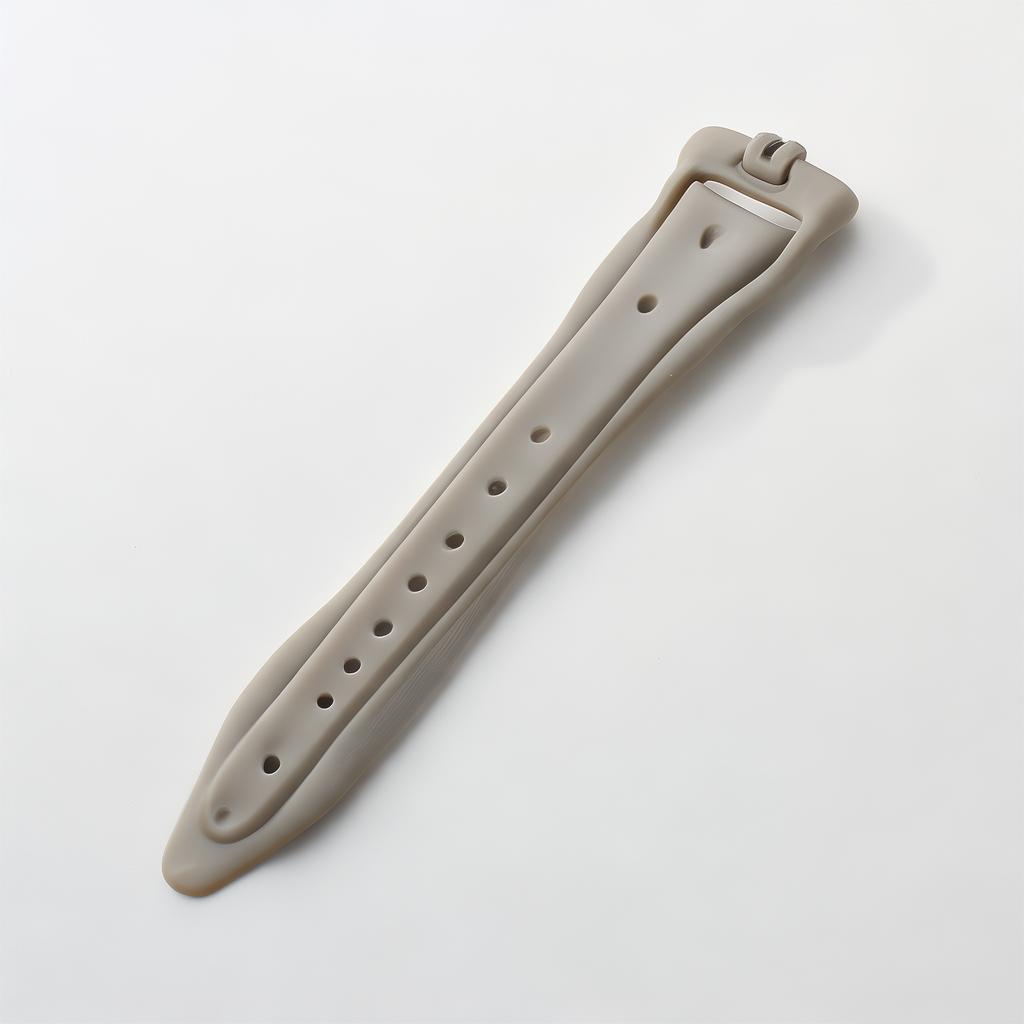
Logistics Consideration: To minimize freight damage, packaging with anti-slip backing and temperature-controlled containers is worth exploring. We hold substantial experience in global shipping logistics to help clients mitigate these risks efficiently.
Certifications & Factory Strength
Guangdong Yingtai High Precision Technology Co., Ltd. represents an embedded manufacturing powerhouse backed by:
- ISO 9001 Quality Management Certification
- IATF 16949 Automotive Quality Standards
- CE and RoHS Compliances for Electrical Components
- Full Industry Chain: From Design to Finished Product Inspection
- 35,000 sqm Industrial Park with Advanced Injection Molding and CNC Equipment




Our 500+ strong professional team includes dedicated engineers and quality auditors who ensure tight adherence to all norms. This operational rigor reduces production faults due to inconsistent process parameters or poor mold maintenance.
As reported by multiple market research studies, the Asia-Pacific region, including Dongguan, leads LSR automotive production due to superior scale and expertise (【Research Nester】).
Buyer FAQs on Auto Injection Molding
- Q1: What lead times should I expect for a new custom injection mold?
- Lead times vary based on mold complexity but typically range from 4 to 8 weeks. Tooling revisions or multi-shot molds may add additional 2–3 weeks. We recommend early engagement for prototype scheduling.
- Q2: How do you ensure quality consistency across large batch production?
- Our approach combines precision molds, strict ISO/IATF process controls, and real-time data monitoring. Random sampling and tensile testing ensure each batch meets specified mechanical and dimensional requirements.
- Q3: What materials do you recommend for automotive seals exposed to high temperature?
- Liquid Silicone Rubber (LSR) is excellent for sustained temperatures up to 230°C and exhibits excellent UV resistance. For rigid parts, high-temperature polyamides are preferred.
- Q4: Can you assist with OEM/ODM design adaptations?
- Absolutely. Our engineering team works closely during development to optimize designs for manufacturability, material use, and cost-effectiveness.
- Q5: How do you handle export logistics for bulk automotive parts?
- We plan container loading and packaging with anti-slip backing and shock-absorbent materials, coordinating closely with freight forwarders for smooth customs clearance.
What Our Clients Say

Jessica M., Procurement Manager, Detroit
“Yingtai’s injection molding precision and transparent lead times helped us reduce assembly rejects by nearly 30%. Their technical support during our LSR seal project was exceptional.”

Leonard K., Operations Director, Texas
“Their multi-shot injection molding ability saved us hours in later production stages. The mix of silicone and ABS was flawless, and the parts have passed all stress testing.”

Anna P., Supply Chain Head, California
“Communication was spot on from design phase through shipping. The customized packaging they recommended helped maintain part integrity during transit.”
Ready to Optimize Your Automotive Parts Supply?
Let's collaborate to bring your injection molding project to life with precision, compliance, and efficiency.
Request Product Specs & Get Factory Pricing