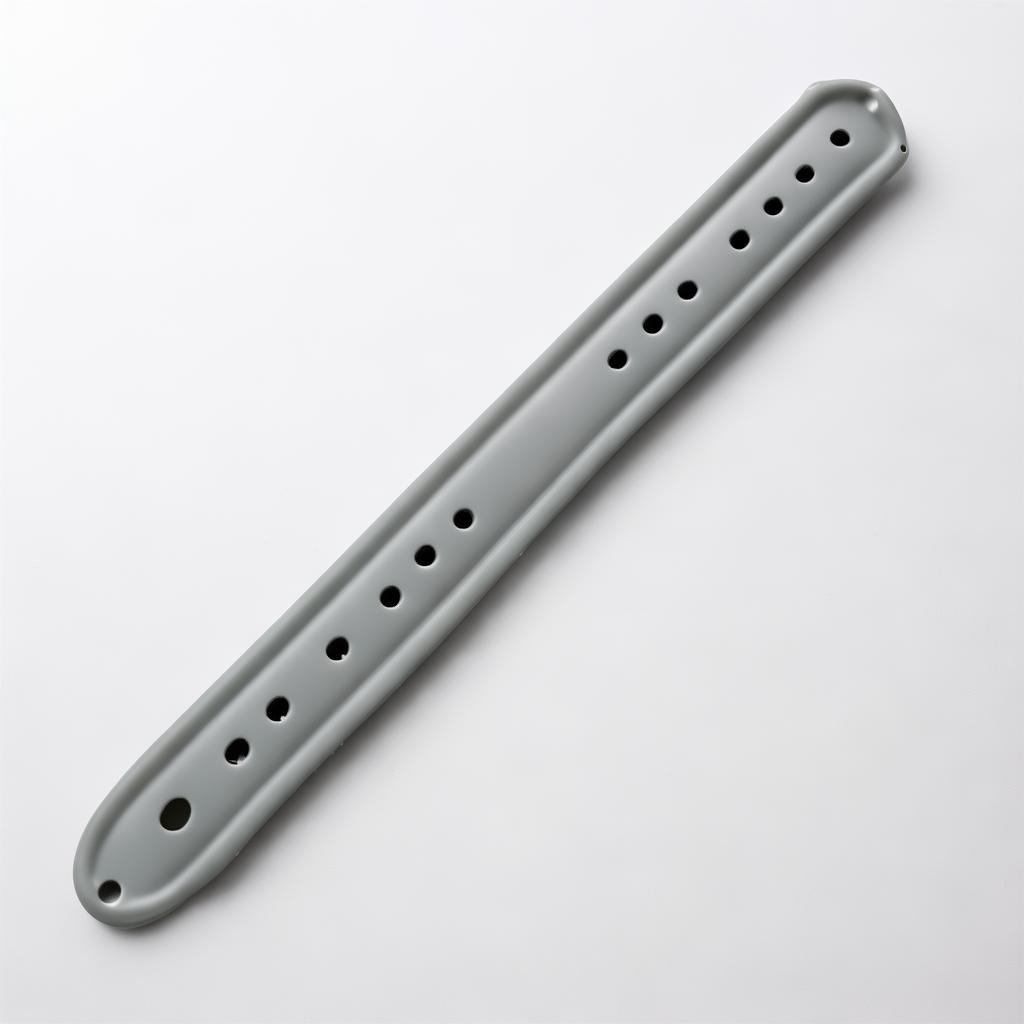
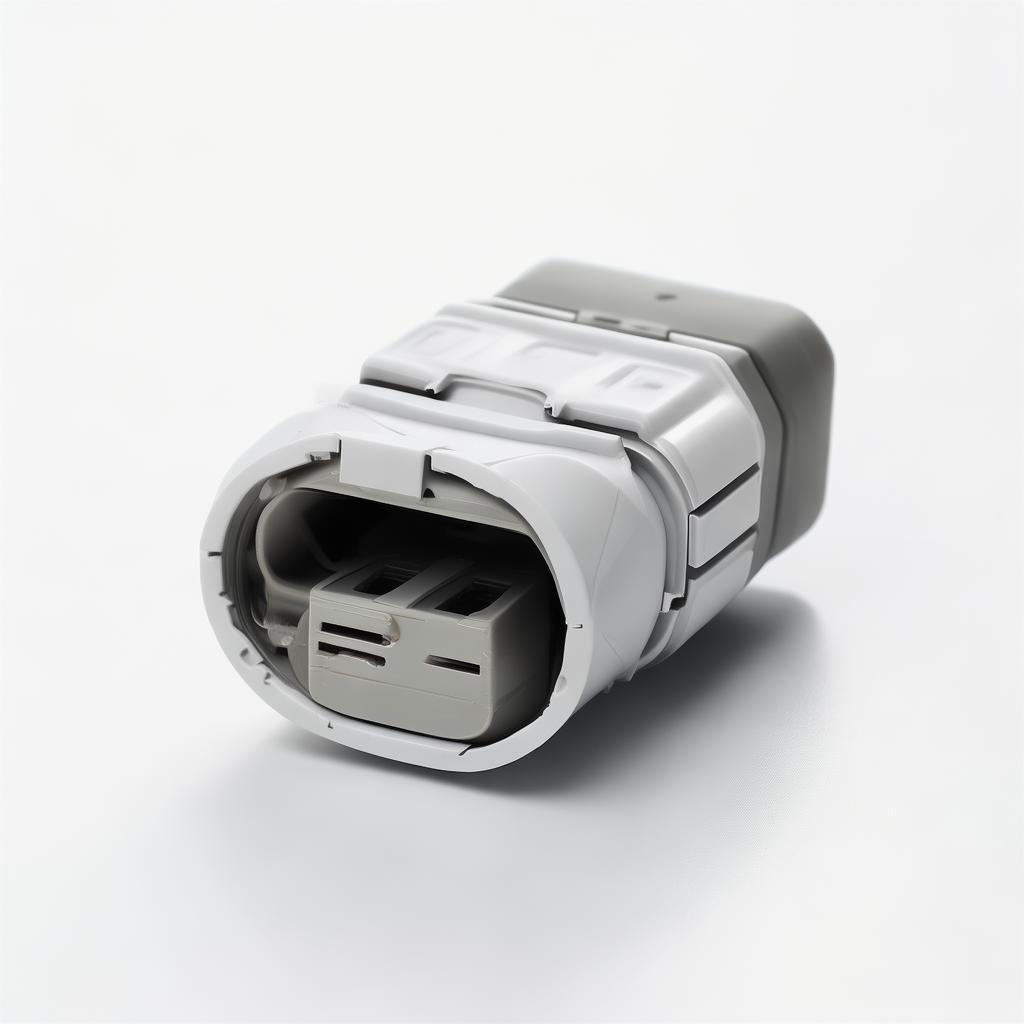
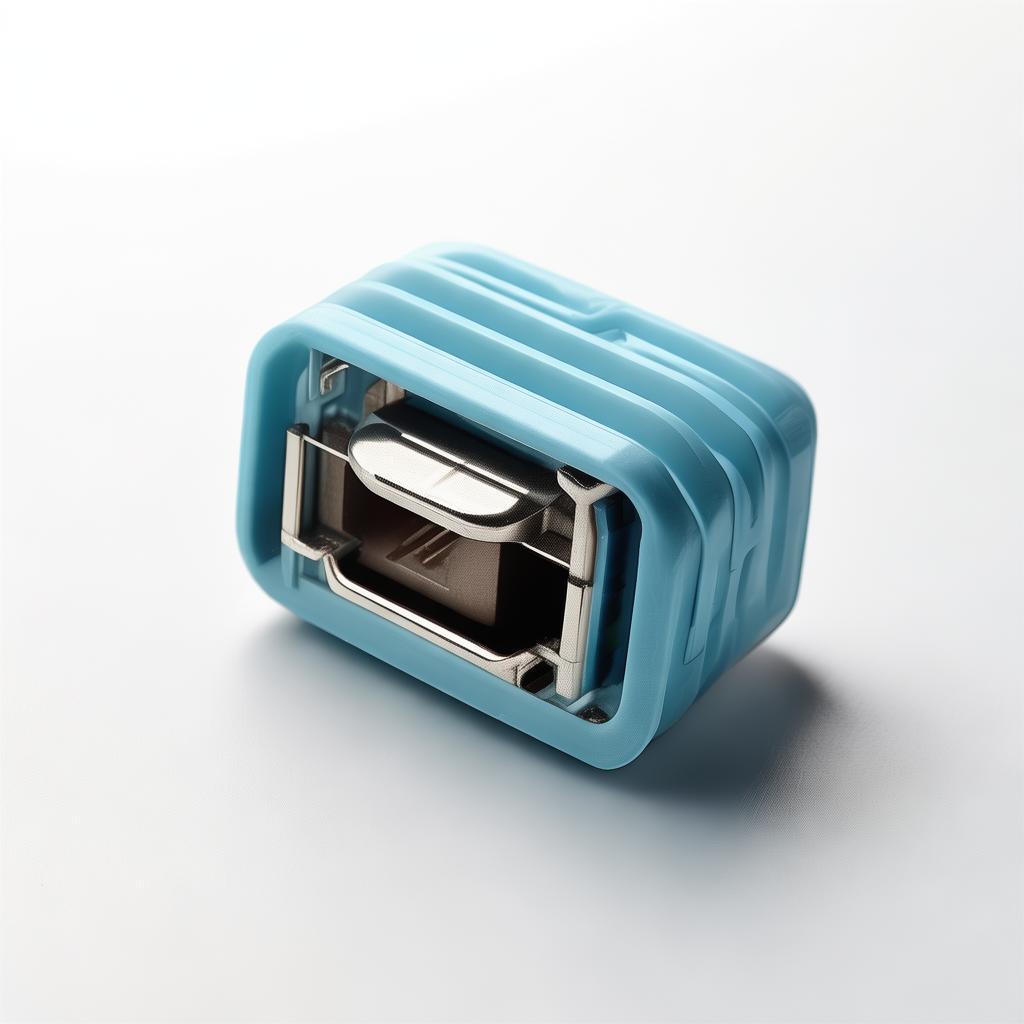
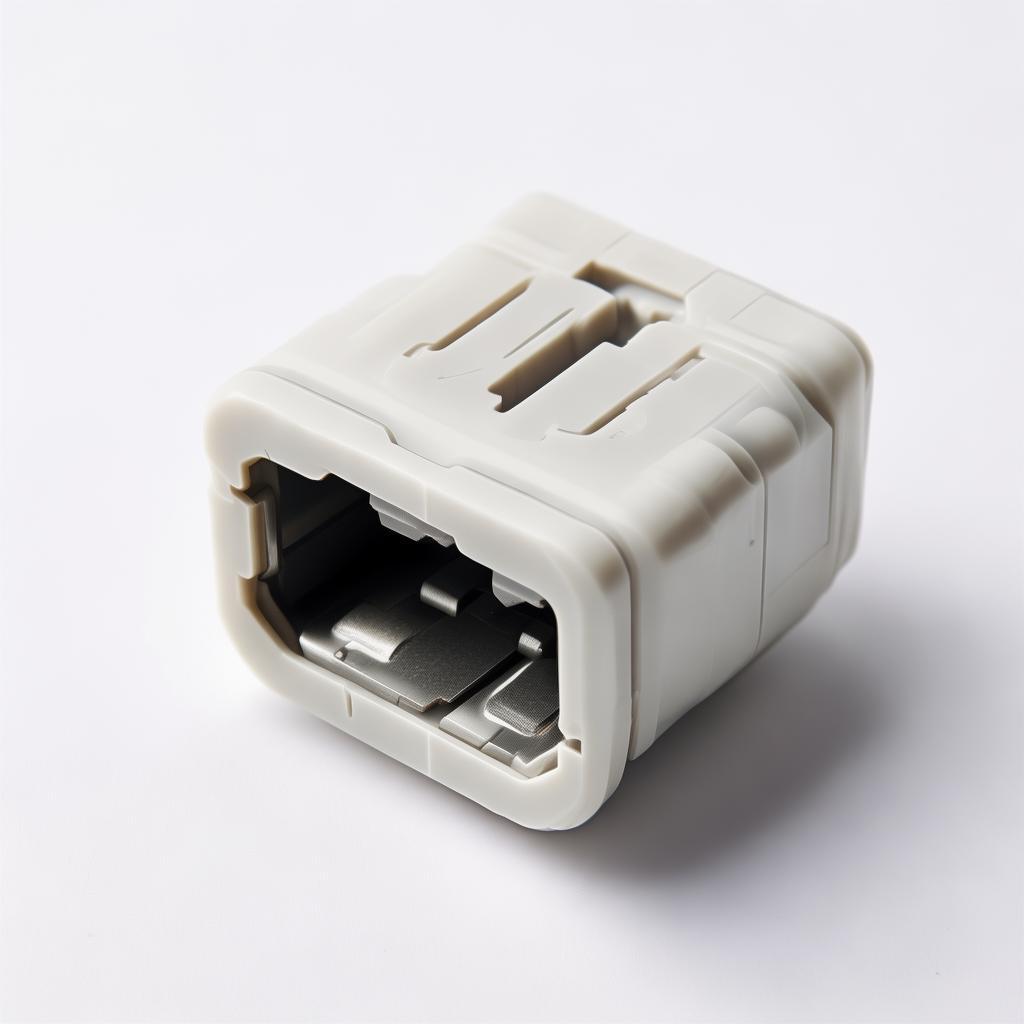
Trusted Automotive Mould Supplier | Over 20 Years OEM Experience | Guangdong Yingtai High Precision Technology Co., Ltd. The automotive industry is relentlessly pushing the boundaries of quality, precision, and efficiency in component manufacturing.
Product Details
Precision Auto Mould Solutions for Advanced Manufacturing
Trusted Automotive Mould Supplier | Over 20 Years OEM Experience | Guangdong Yingtai High Precision Technology Co., Ltd.
Understanding Industry Challenges in Automotive Moulding
The automotive industry is relentlessly pushing the boundaries of quality, precision, and efficiency in component manufacturing. As a purchasing manager or technical engineer, you’re acutely aware that inconsistencies in auto mould production can cascade into costly reworks, delayed timelines, and inferior product life cycles. Selecting the right injection moulding partner, materials, and processes is no small decision — it’s a strategic procurement action that shapes your product's performance on the road and in the aftermarkets.
Common operational pain points include:
Dimensional inaccuracies resulting in poor part fit and assembly challenges
Material degradation under automotive temperature extremes and chemical exposure
Long lead times due to complex custom tooling and tight tolerances
Logistics constraints for bulk mould shipments and container loading optimization
Variability in supplier compliance with international standards like ISO 9001 and TS 16949
In fact, industry analyses indicate that manufacturers who invest upfront in precision tooling and process stability often report reduced warranty claims and smoother aftermarket support. According to the Liquid Silicone Rubber Market Size Report, 2030, sophisticated liquid silicone rubber (LSR) tooling is driving a surge in automotive parts demand due to its superior durability and resilience. This points to a major shift toward advanced materials and precise mould engineering in the automotive mould market.
For operations managers and importers, understanding these pain points is key to ensuring you engage with a mould supplier who can meet these demanding criteria–not just technically but also on delivery reliability and customization feasibility.
Technical Insights Into Auto Mould Manufacturing
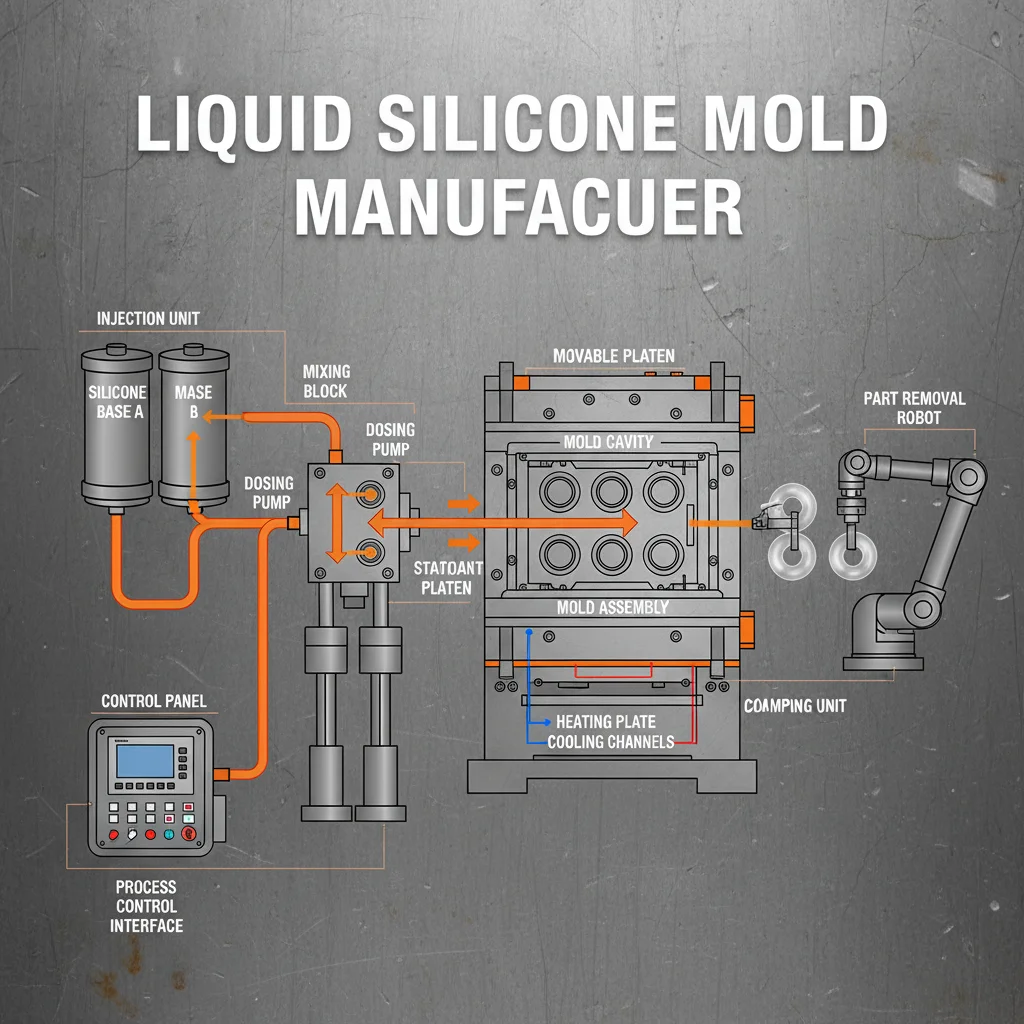
Automotive moulds are precision-engineered tools designed for the production of high-volume, intricate parts used extensively in vehicle assemblies ranging from body panels to electronic housings. Our expertise lies in both liquid silicone injection moulding and traditional plastic injection moulding, with an emphasis on seamless integration in OEM/ODM environments.
Key technical considerations include:
Material selection: Liquid silicone rubber (LSR) for flexibility and weather resistance versus high-grade thermoplastics such as ABS or polypropylene for rigidity.
Mould design: Precision CNC machining combined with advanced electrical discharge machining (EDM) to reach ±0.01mm tolerances.
Production cycle management: Optimized injection speed and cooling times to balance quality with cycle efficiency, supported by CAE simulations validated via material rheology (see MDPI study).
For technical engineers, the challenge often involves mitigating risks like warpage, flash, and air traps. Contemporary approaches entail vacuum-assisted mould filling setups, granting improved internal integrity as outlined in recent publications on soft robotic silicone manufacturing.
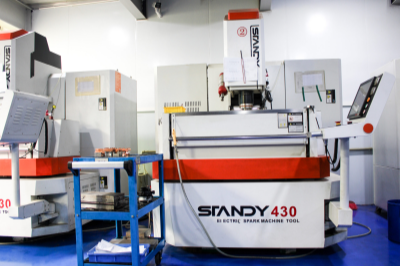
Our facility is equipped with a full suite of precision instruments:
Technical collaboration with clients importance cannot be overstated — we encourage early engagement to verify prototypes through rapid tooling and mold flow analysis.
Product Advantages & Material Comparison for Auto Moulds
With the growing adoption of liquid silicone rubber (LSR) and hybrid materials in automotive moulding, understanding the material properties directly impacts procurement decisions. Here's a snapshot for buyers comparing typical materials used in auto mould components:
Material
Key Properties
Applications
Certification/Relevance
Liquid Silicone Rubber (LSR)
Biocompatible, heat resistant to 230°C, exceptional sealing, UV & chemical resistant
Seals, gaskets, overmolded soft-touch components
FDA, RoHS, ISO 9001 compliant
ABS (Acrylonitrile Butadiene Styrene)
Rigid, impact resistant, good dimensional stability, flame retardant options available
Electronic housings, structural parts, dashboard elements
UL Listed, REACH compliant
Polypropylene (PP)
Lightweight, fatigue resistant, chemical resistant
Interior trims, clips, non-structural covers
OEM specification standards
Thermoplastic Elastomers (TPE)
Flexible, soft-touch, weather and abrasion resistant
Sealing profiles, vibration dampers
ISO 14001, OEM approved
Choosing the right material and moulding method is a dependency chain: the mould design must accommodate thermal expansion, shrinkage rates, and flow characteristics specific to each compound. This technical diligence helps avoid common pitfalls such as internal stress cracks or post-molding warpage that arise from misaligned materials and tooling.
Consulting procurement advisors or engineers early during the NPI (New Product Introduction) phase is vital, especially when contemplating hybrid moulds such as LSR overmolding with ABS for enhanced product functionality. Recent studies (MC-injection with LSR and ABS) highlight improved interface adhesion methods that enhance durability of multi-component automotive parts.
Our Factory Strength & Certifications
Guangdong Yingtai High Precision Technology Co., Ltd. has deep roots in Dongguan’s manufacturing hub. Our industrial park spans 35,000 m2 and houses state-of-the-art equipment tailored for complex silicone and plastic moulding operations.
Modern molding facility featuring automated injection systems
Certifications and Quality Management:
ISO 9001: Comprehensive quality management system ensures consistent delivery and traceability.
TS 16949: Meeting automotive industry quality demands and premium supplier standards.
RoHS Compliance: Environmentally conscious material sourcing adhering to global regulations.
FDA & CE certifications: Reflecting suitability for sensitive applications including automotive electronics and safety systems.
Operationally, our systems support a full industry chain from mould design, CNC and EDM tooling, prototype creation to volume production and final assembly. This integrated supply reduces risk of cross-supplier communication gaps and shortens lead times — a critical advantage for fast-paced automotive manufacturing cycles.
We continuously invest in workforce training and advanced quality control tools including Coordinate Measuring Machines (CMM) and optical scanners, frequently conducting First Article Inspections (FAI) with clients to ensure dimensional and functional compliance.
Factory tours and engineering consultation sessions are available for qualified customers wishing direct insight into our process capabilities.
Procurement Guidance & Risk Mitigation Strategies
Engaging the right auto mould supplier requires more than just price comparison. The inherently technical nature of silicone/plastic injection moulding demands well-informed procurement strategies to mitigate risks.
Key buyer considerations include:
Verification of supplier ISO/TS certifications to confirm adherence to automotive quality standards.
Review of tooling capabilities — can the supplier handle multi-cavity, tight tolerance moulds, and multi-material overmolding?
Lead time transparency with contingency plans for production delays or mold redesigns.
Sample and prototype evaluation before volume commitment, to test product fit and performance under operational stresses.
Understanding logistic solutions — container loading optimization, customs clearance experience, and shipping coordination are critical for cross-border supply chains.
OEM & ODM service offerings to support customization and iterative design improvements.
Warranty & post-delivery support provisions that protect your investment from latent defects or material failures.
One overlooked but crucial aspect is material consistency. As noted in industry discussions, prototyping materials differ significantly from production-grade LSR in cure kinetics and processing parameters. You want a supplier who can advise on material selection upfront to avoid costly product launches that require unexpected tooling changes.
Be wary of buyers solely chasing the lowest bid. While offshore sourcing is standard, poor tooling quality or inadequate process control can create hidden costs exceeding initial savings. Prioritize suppliers with proven export experience and established client references.
We encourage joint design reviews and process audits in early project stages as part of collaborative risk management.
Frequently Asked Questions (FAQs)
What types of auto mould materials are most common?
Liquid silicone rubber (LSR) is preferred for seals and flexible parts due to its temperature tolerance and durability. ABS and polypropylene are widely used for rigid components requiring structural integrity.
How long is the typical lead time for custom auto mould production?
Lead times vary depending on complexity and size, but generally range from 6 to 12 weeks, including mold design, prototyping, testing, and validation.
Do you support multi-component moulding or overmoulding?
Yes, our capabilities include LSR overmoulding on ABS or other substrates. This technology enables combining soft-touch and rigid parts in one assembly with durable bonding.
How do you ensure quality consistency across production runs?
We implement Statistical Process Control (SPC), regular mold maintenance, and conduct dimensional inspections on sample batches to maintain tight tolerances and material properties.
What are the shipping options and logistics support for international buyers?
We work closely with experienced freight forwarders to optimize container loads and handle international customs clearance, offering FCL or LCL shipping depending on order volume.
Customer Reviews & Testimonials
John SmithProcurement Director, Automotive OEM, Detroit, USA
"Partnering with Yingtai for our auto mould needs drastically improved our part consistency and reduced scrap rates. Their engineering team was hands-on during the prototype phase, ensuring our specifications were met with no surprises in volume tooling."
Get in Touch
If you have any camping barbeque equipment inquiry, please feel free to contact us.




 John SmithProcurement Director, Automotive OEM, Detroit, USA