Guangdong Yingtai High Precision Technology Co., Ltd. delivers expert OEM/ODM prototyping and injection molding services for liquid silicone, plastics, and advanced overmolding tailored to automotive innovations. Discover automotive prototype expertise built on 20+ years
Product Details
Auto Prototype Solutions for Precision & Efficiency in Automotive Manufacturing
Guangdong Yingtai High Precision Technology Co., Ltd. delivers expert OEM/ODM prototyping and injection molding services for liquid silicone, plastics, and advanced overmolding tailored to automotive innovations. Discover automotive prototype expertise built on 20+ years of specialized manufacturing experience in Dongguan, China.
Navigating Critical Issues in Automotive Prototyping
The trajectory from design concept to production-quality auto prototype is riddled with complexities. Manufacturers and procurement managers grapple with balancing precision, lead times, and cost efficiency.
In a market where rapid iteration governs competitive advantage, the limitations of legacy prototyping methods become clear: long development cycles, dimensional inaccuracies, and material mismatches can derail project timelines.
Reliable material selection—often liquid silicone rubber (LSR), advanced plastics, or hybrid composites—and tooling sophistication are fundamental. Inappropriate material data or subpar mold design can cause warpage, poor replicability, and delayed cycle times, adding risk to automotive project launches.
Additionally, stakeholders must weigh:
Cross-border logistics and customs clearance delays impacting sample shipments
Weighing OEM vs ODM manufacturing risks in overseas prototyping
Process scalability from prototype cavities to mass production runs
Certifications and compliance relevant to automotive-grade materials
Several reports confirm that the global Liquid Silicone Rubber market, an integral part of automotive sealing and flexible component applications, is expected to surge beyond $4.9 billion by 2030 (GrandViewResearch), reiterating the growing role of high-precision liquid injection molding.
Practical insight: Numerous procurement managers report that collaboration with suppliers possessing integrated mold manufacturing & injection molding systems accelerates prototype development cycles—often delivering parts in under 15 days.
Technical Deep Dive: Materials & Precision Processes
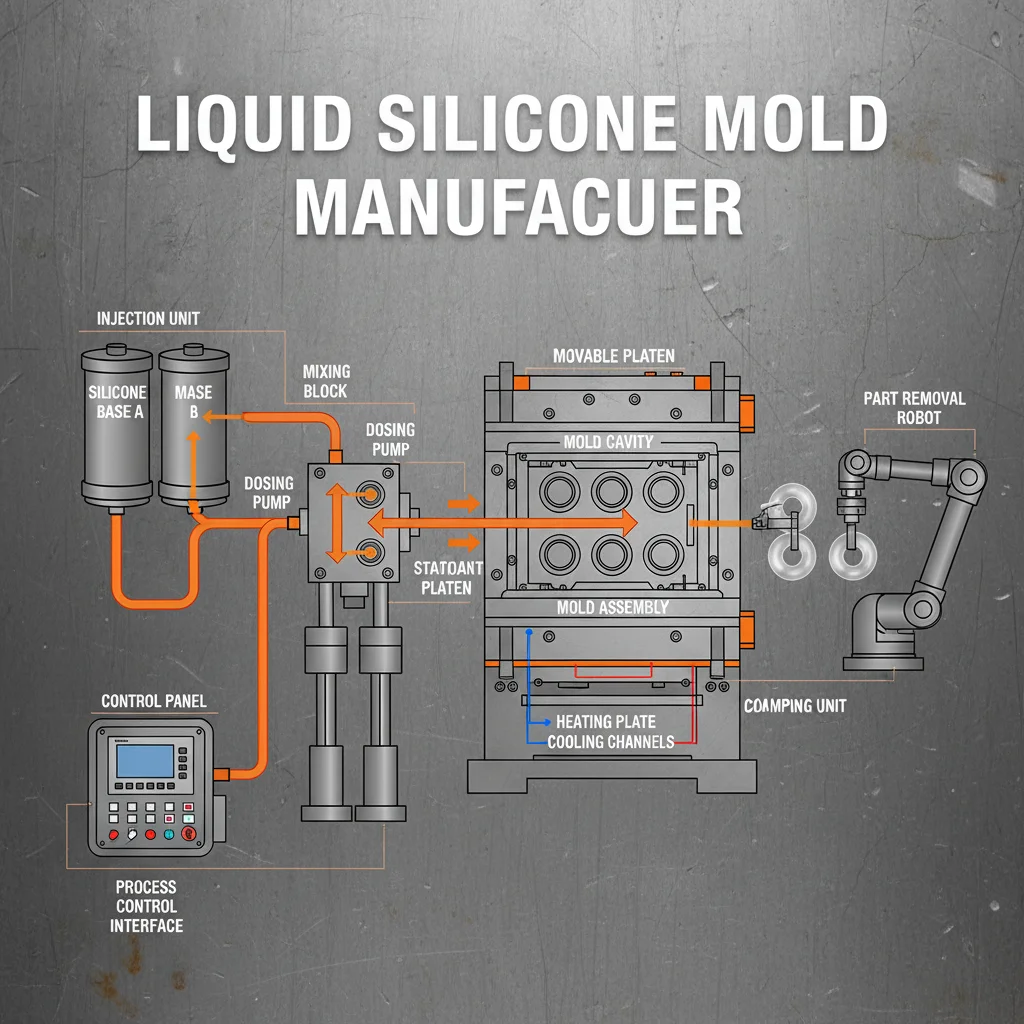
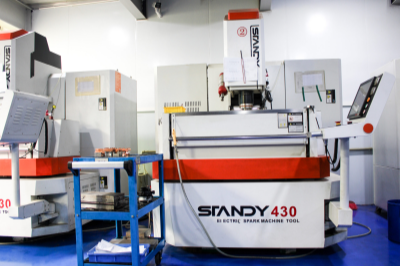
Yingtai’s facility encompasses over 20 years of experience crafting prototypes with liquid silicone and plastic injection molding using 55 sets of liquid silicone molding machines complemented by 80 plastic injection machines. The integrated production workflow fosters consistency and quality.
We harness advanced molding technologies such as:
High-precision liquid silicone injection molding (LSR) utilizing digitally controlled temperature and pressure parameters
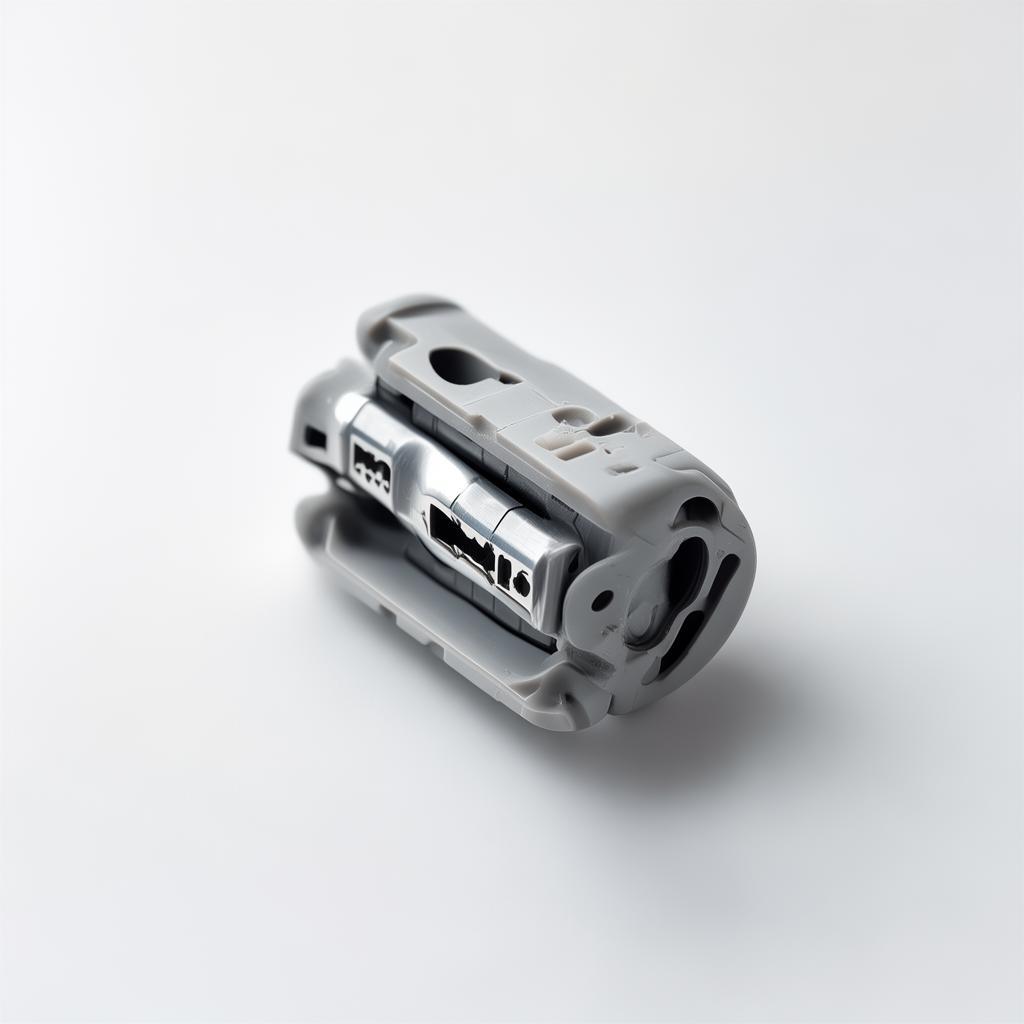
Multi-shot injection molding combining LSR and thermoplastics for overmolded automotive seals and connectors
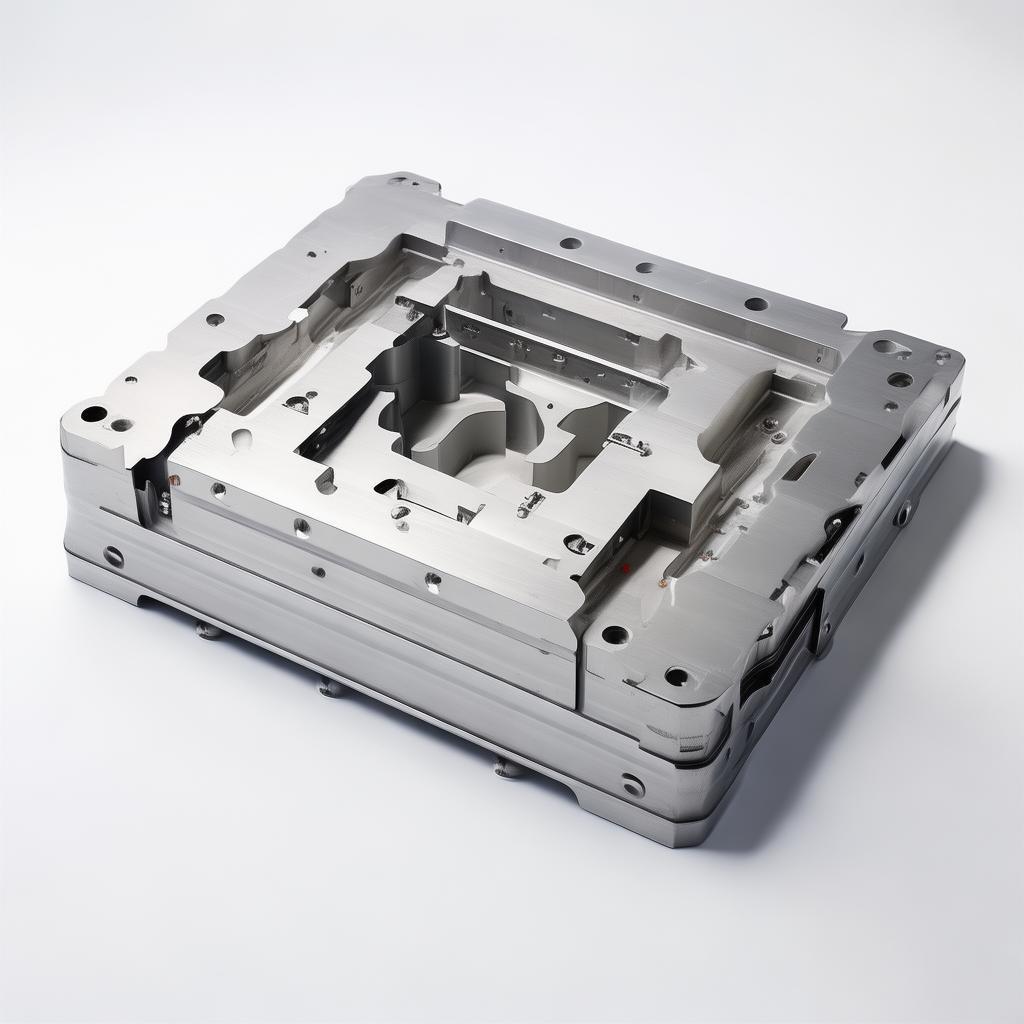
Rapid tooling solutions: tailored mold inserts with electrical discharge machining and precision cavity design to reduce flash defects and waste
CAE process simulations: informed by material characterization techniques optimizing curing kinetics and rheological data to improve cycle accuracy (MDPI Paper)
Our robust quality control includes dimensional checks with laser scanning and stringent chemical resistance tests aligned with ISO automotive standards and CE certification.
A leading-edge development addresses the challenge of bubble formation and material consistency — vacuum-assisted molding techniques dramatically improve silicone internal integrity (Springer Study). This technology ensures elastomeric components meet rigorous automotive durability standards.
Our engineering team adapts protocols for automotive prototyping challenges such as:
Maintaining dimensional stability through thermal cycling
Incorporating anti-slip backing and UV-resistant coatings where needed
Ensuring chemical resistance in fuel and coolant exposure environments
Designing for seamless multi-material integrations with ABS and polycarbonate
Key Advantages of Yingtai’s Automotive Prototypes
Yingtai's leadership in automotive prototyping stems from a unique blend of manufacturing capacity, technical knowledge, and global export expertise:
Comprehensive in-house capabilities: From mold design to finished product, reducing lead times and quality variability.
Material expertise: Specialized in liquid silicone rubber (LSR) conforming to medical & automotive-grade standards (ISO 9001, CE).
OEM/ODM flexibility: Tailored solutions for low-volume prototypes and scalable high-volume production without compromising accuracy.
Accuracy & finish: Tight-tolerance parts with smooth surface finishes, ideal for visible automotive interior components and functional sealing products.
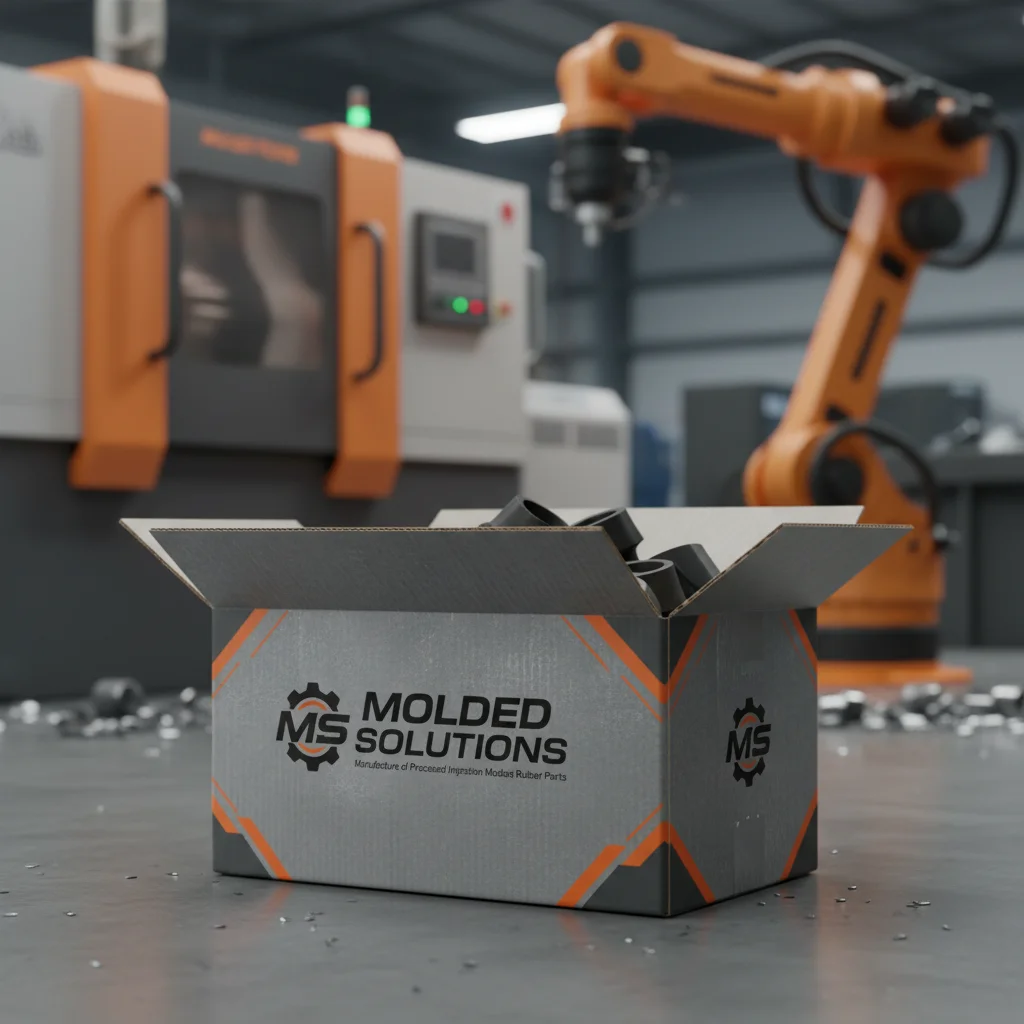
Global shipping expertise: Efficient logistics and container loading optimized to minimize delivery lead times and freight damage.
Prototype delivery from design approval in 10-15 business days
Reduced assembly effort due to precise dimensioning
Lower scrap rates through AI-enhanced process controls (arXiv Research)
Pairing liquid silicone with engineered plastics enables robust automotive seals, splash shields, and ergonomically designed buttons or grips that meet FIA safety and wear resistance requirements.
Automotive Prototype Application Scenarios
Prototyping at Yingtai supports a broad spectrum of automotive sectors including:
Application
Materials Used
Key Benefits
Sealing Components (Gaskets, Weatherstrips)
LSR with UV resistance, Polyethylene yarn reinforcements
Excellent flexibility, long-term durability in exposure to oil, water, heat
Liquid silicone injection molded parts, CE certified
Superior sealing against dust and moisture, electrical insulation
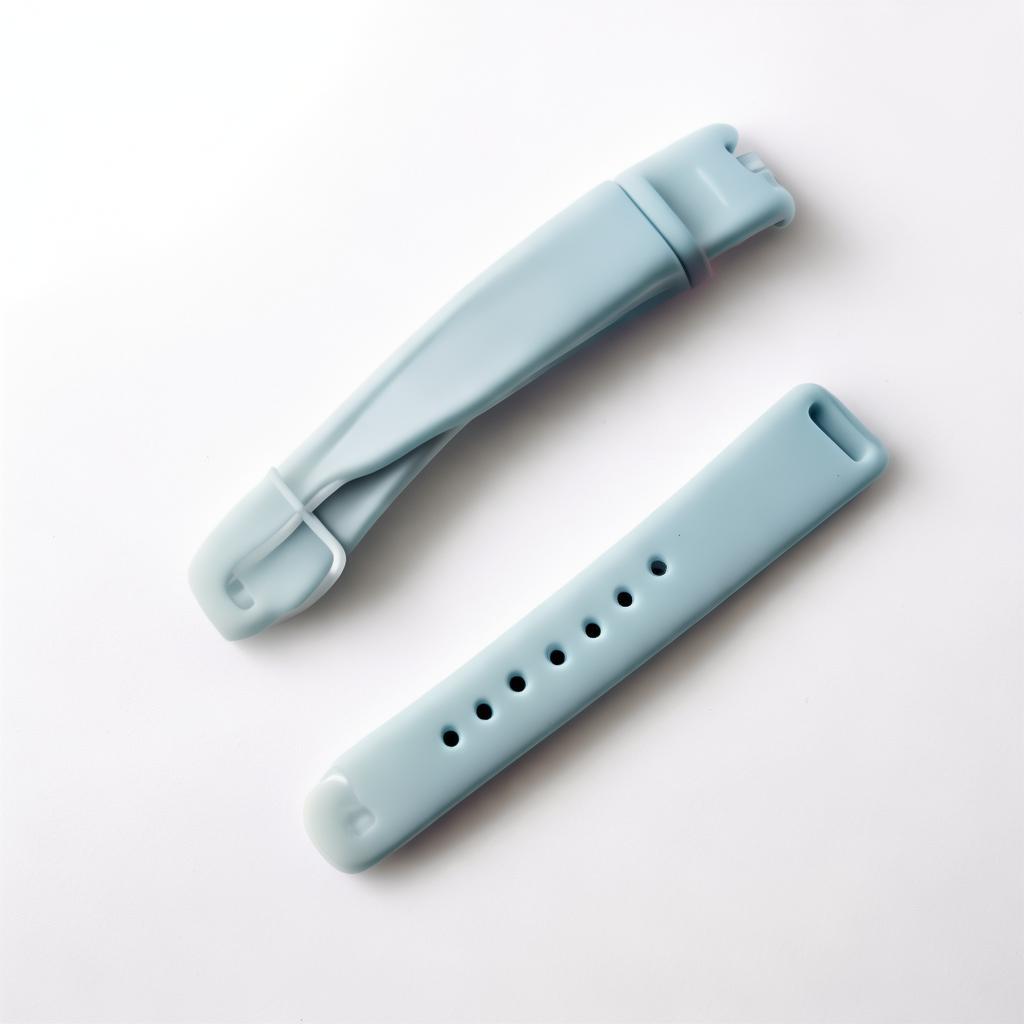
Sensor & Wearable Mounting Prototypes
Custom LSR blends for biocompatibility and elasticity
Conformable fit, resistance to cyclic stress
The diversity of prototype applications demands adaptable tooling and materials expertise. Collaborative design review ensures parts meet durability tests and assembly workflows.
Procurement Guidance & Supplier Evaluation Tips
Buyers sourcing automotive prototypes face challenges beyond price comparison. Supplier competence in materials, process control, and delivery reliability profoundly impacts project success.
Consider these essential evaluation factors:
Manufacturing footprint and scale: Factory square meters, equipment sophistication, and workforce expertise
Certifications: ISO 9001, CE, automotive standard compliance, and export license authenticity verify capability
OEM/ODM experiences: Proven track record in custom tooling and design-for-manufacture consultations
Process transparency: Use of smart manufacturing systems, digital molding simulations, and material testing protocols
Logistics handling: Ability to pack/customs clear and ship prototypes expedited to avoid production delays
Pro Tip: During early negotiations, ask for sample mold flow analyses or process data referencing rheology and curing simulations. This step can prevent hidden defects and reduce rework costs (Material Characterisation Paper).
Don’t just settle for price. Our export team advises early-stage inspections / audits, especially for cross-border OEM procurement. Valid factory credentials and a history of shipments to western automotive suppliers reduce surprises.
Frequently Asked Questions
Q1: What is the typical lead time for a silicone auto prototype?
Lead time usually ranges between 10–15 business days after design approval depending on mold complexity. We advise planning for 4–6 weeks including tool fabrication if starting from scratch.
Q2: How do you ensure material consistency between prototype and mass production?
We use production-ready liquid silicone rubber grades with verified batch certifications and maintain identical molding parameters between prototype and production runs to ensure consistent mechanical and thermal properties.
Q3: Can Yingtai accommodate multi-material overmolding?
Absolutely. Our facility is equipped for multi-shot injection molding combining LSR with thermoplastics such as ABS or polycarbonate for integrated automotive components.
Q4: Which certifications support your automotive prototype quality standards?
We comply with ISO 9001, CE certifications and can meet specific automotive standards such as ASTM D2000 for rubber components under request.
Q5: How is prototype packaging handled for international shipping?
Prototypes are packed with anti-static, anti-moisture materials and reinforced for container loading. We provide complete customs documentation and optimize shipments for cost-effective air or sea freight.
"We partnered with Yingtai for liquid silicone prototypes of automotive seals. Their expertise in material choice helped us avoid costly redesigns while accelerating our project timelines by almost two weeks compared to previous suppliers."
Get in Touch
If you have any camping barbeque equipment inquiry, please feel free to contact us.



 Michael S., Procurement Manager, Detroit