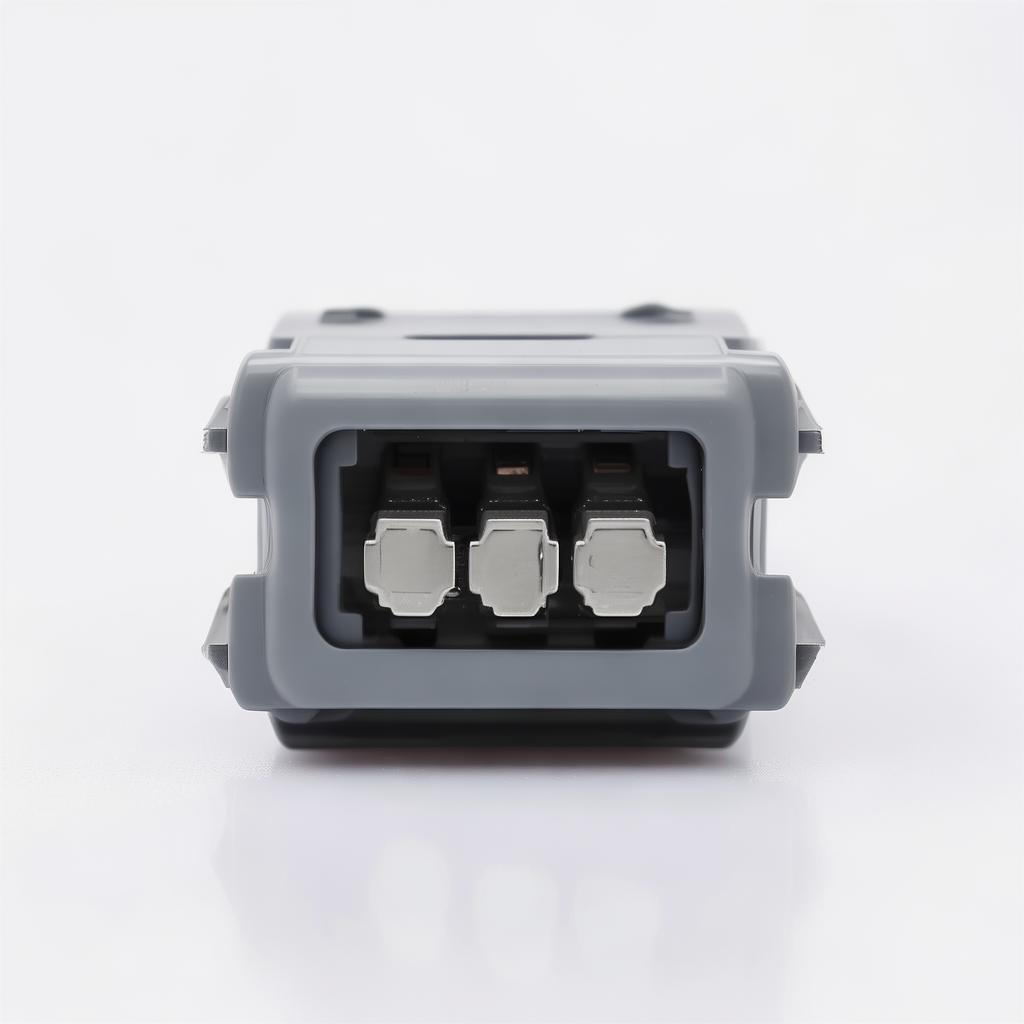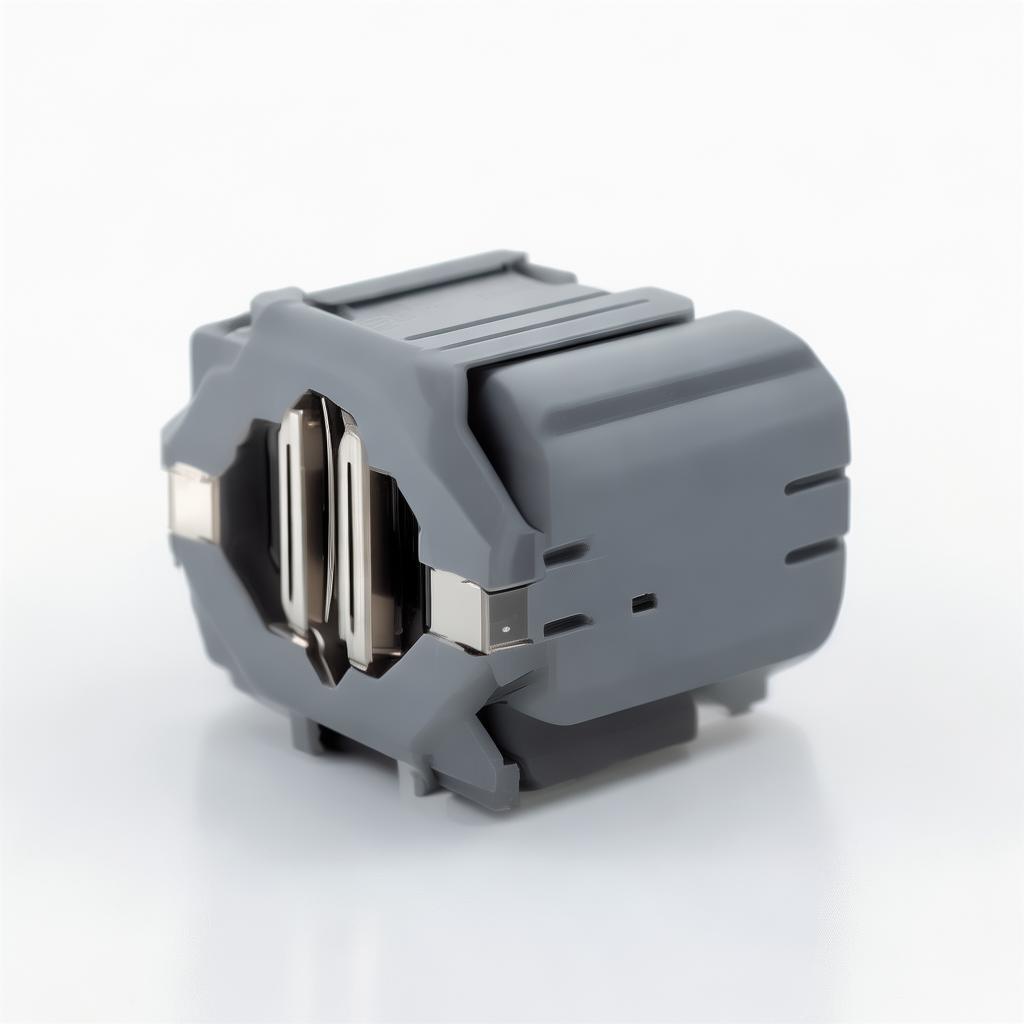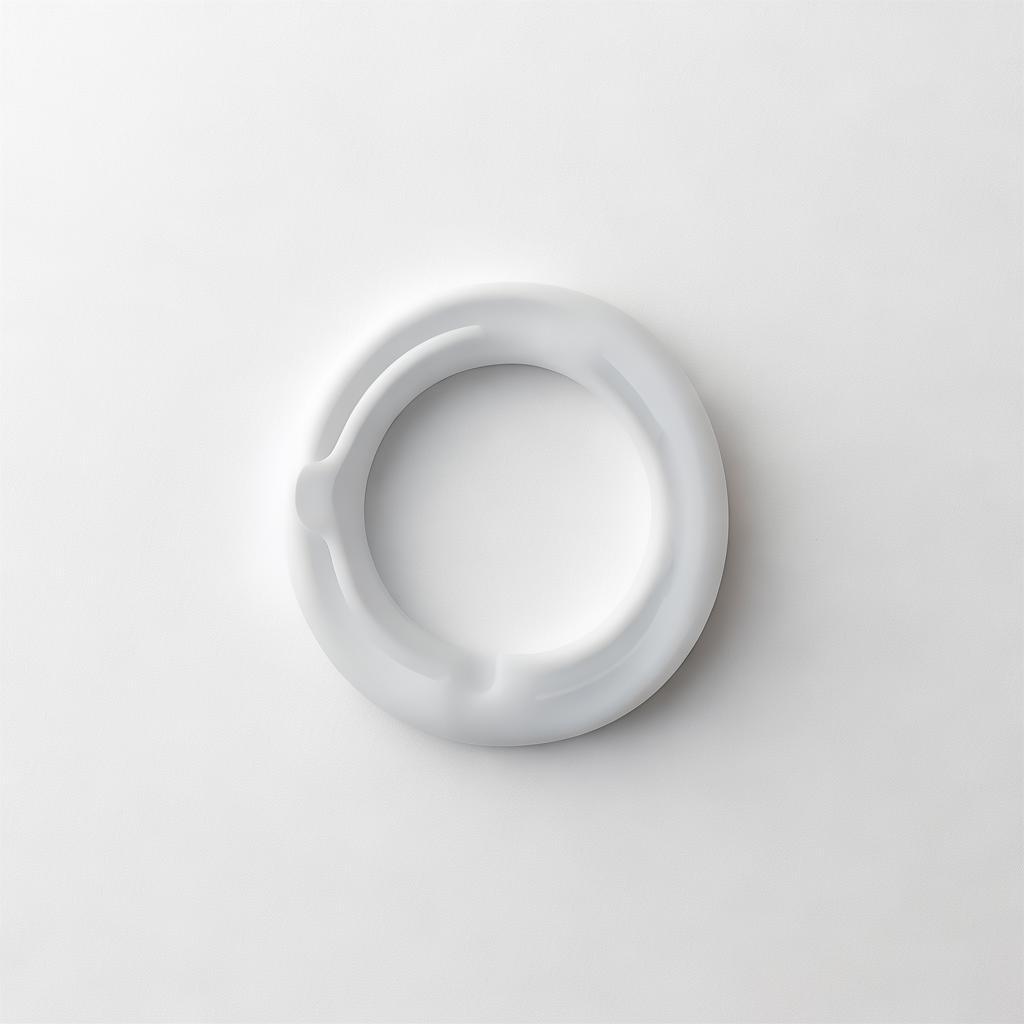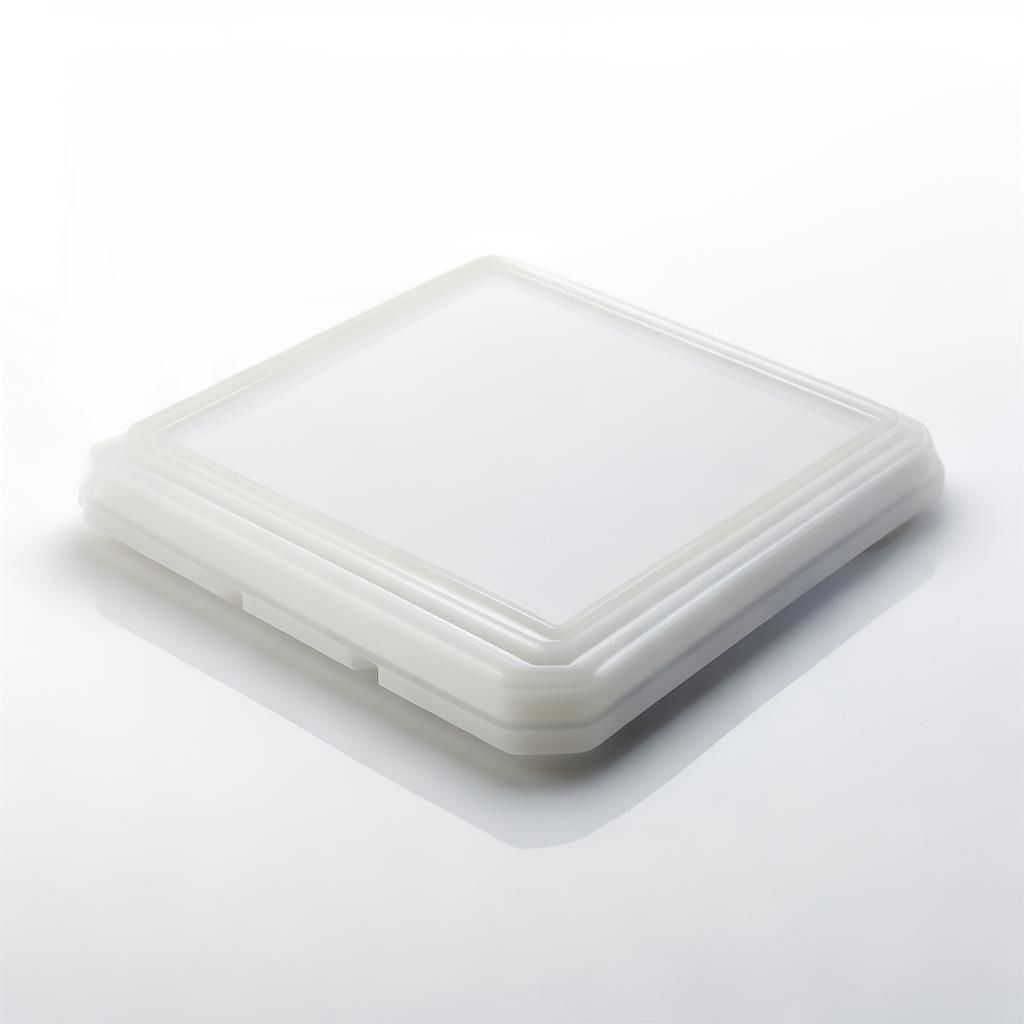


Precision Auto Rubber Grommets for Industrial Solutions
Reliable sealing and protection for automotive wiring and components sourced from a trusted international partner
Industry Challenges with Auto Rubber Grommets
Automotive manufacturing is a high-stakes environment where every minor component plays a crucial role in ensuring system reliability, safety, and durability. Rubber grommets, often overlooked, serve as essential protectors for wiring harnesses, fluid lines, and mechanical interfaces against abrasion, vibration, dust ingress, and moisture.
Most purchasers face common friction points: inconsistent material quality, premature wear under extreme temperatures, and poor dimensional tolerances leading to fitment issues. Suppliers frequently fail to address critical chemical resistances, such as exposure to automotive fuels, oils, and cleaning solvents. This disconnect leads to costly returns or premature system downtime, especially when grommets cannot withstand the increasingly demanding under-hood environments.
From a procurement perspective, timing and batch consistency matter just as much as raw material properties. Long lead times and lack of transparency during production can disrupt vehicle assembly schedules. Furthermore, without comprehensive verification of ISO/TS 16949 automotive standards and certifications like RoHS or REACH compliance, buyers risk non-conformance penalties or component recalls. In addition, shipping fragile molded rubber parts requires meticulous packaging to avoid deformation or contamination.
These challenges underline why partnering with an experienced manufacturer with proven industrial expertise and transparent export operations makes all the difference.
Material Insights & Product Advantages
Auto rubber grommets predominantly involve elastomer compounds such as EPDM (ethylene propylene diene monomer), nitrile (NBR), silicone rubber (VMQ), and liquid silicone rubber (LSR). Each caters to specific automotive application demands.
- EPDM: Outstanding UV, ozone, and weather resistance. Frequently used for exterior sealing and wire harness grommets. Its high temperature tolerance (up to 150°C) suits long-term outdoor exposure.
- Nitrile (NBR): Superior oil, fuel, and chemical resistance. Ideal for grommets in engine compartments where hydrocarbon exposure is typical.
- Silicone Rubber (VMQ): Excellent heat resistance (up to 230°C), flexibility over wide temperature ranges, and biocompatibility. Common in high-temperature sealing and sensor grommets.
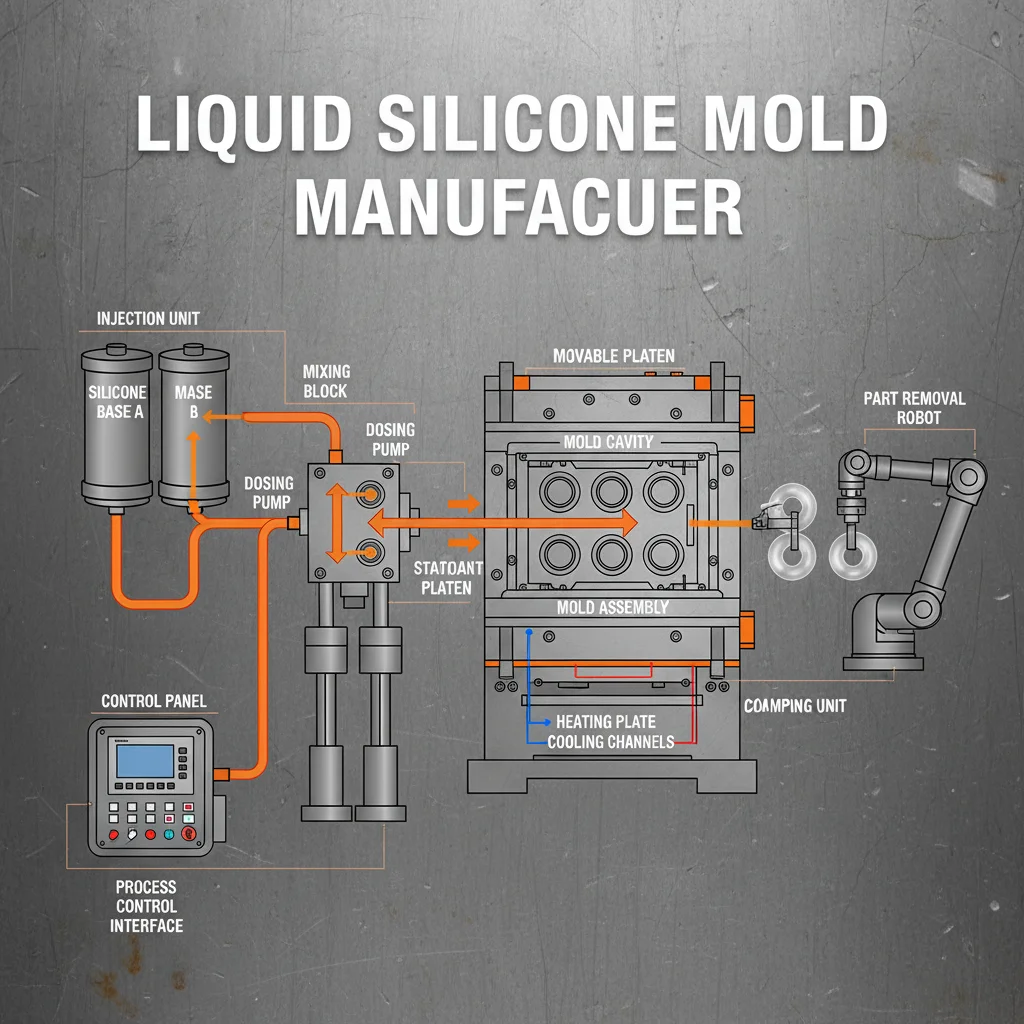
- Liquid Silicone Rubber (LSR): Advanced injection molding capabilities provide high-precision, consistent parts with great cosmetic finish and mechanical durability – perfect for OEM automotive assemblies with tight tolerances and complex geometries.
Our production facilities incorporate specialized injection molding lines and advanced curing techniques tuned for these materials, ensuring consistency with minimal flash and precise dimensional stability. Selecting the right elastomer depends heavily on your component’s service environment:
| Material | Temperature Range | Key Resistance | Typical Applications |
|---|---|---|---|
| EPDM | -40°C to 150°C | UV, ozone, weather | Door seals, cable grommets |
| Nitrile (NBR) | -30°C to 120°C | Oil, fuel, chemicals | Engine bay wiring, fuel line seals |
| Silicone (VMQ) | -60°C to 230°C | Heat, weather, biocompatible | Sensor boots, thermal seals |
| Liquid Silicone Rubber (LSR) | -55°C to 200°C | Chemical, thermal, mechanical | OEM precision molded parts, complex designs |
rubber grommets automotive rubber car grommets automobile rubber parts
Selecting substandard rubber products can cause downtime and maintenance headaches. We recommend suppliers who provide batch traceability, material certification, and support for custom compound formulation matching your exact use case.
Technical Specifications & Standards
Our grommets comply with rigorous automotive and international standards, ensuring reliability throughout the vehicle life cycle. Key certifications and testing capabilities include:
- ISO/TS 16949: Quality management for automotive production and relevant suppliers
- RoHS & REACH: Compliance with hazardous substance restrictions
- ASTM D2000: Classification system for rubber materials – controlling hardness, temperature resistance, and ozone resistance
- UL 50 & 94: Flame and electrical insulation tests where applicable
- Advanced mechanical testing for tensile strength, elongation, compression set, and aging characteristics in simulated automotive environments
We operate a high-tech production line equipped with 55 liquid silicone molding machines and 80 automatic plastic injection machines, supported by 30+ precision mold processing units replicating the exact tolerances automotive OEMs demand. Our QA teams utilize state-of-the-art instruments for dimensional inspection and chemical resistance validation.
| Property | Test Method | Typical Range | Unit |
|---|---|---|---|
| Hardness | ASTM D2240 (Shore A) | 40 - 80 | Shore A |
| Tensile Strength | ASTM D412 | 5 - 20 | MPa |
| Elongation at Break | ASTM D412 | 150 - 800 | % |
| Compression Set | ASTM D395 (B) | 15 - 30 | % |
| Operating Temperature | - | -40 to 230 | °C |
With the extensive test results and material certifications, our clients worldwide gain confidence that their auto assembly lines will run smoothly with these grommets.
Applications in Automotive and Beyond
While primarily designed to serve automotive manufacturers, our rubber grommets find versatile roles across multiple industries, reflecting the broad utility of precision molded elastomers.
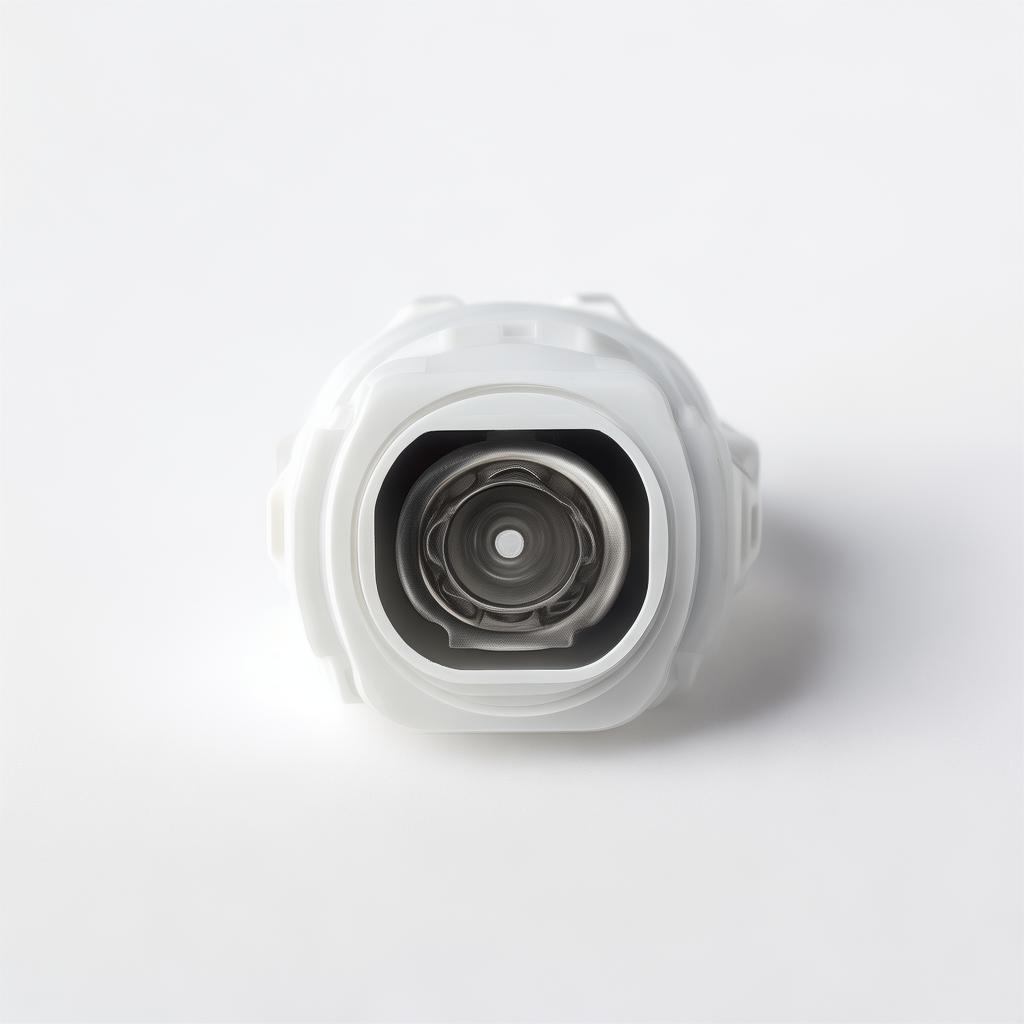
- Automotive wiring & cable harness protection: Prevent chafing and environmental damage at cable pass-throughs on doors, engine compartments, and interiors.
- Fluid and air line sealing: Specialty grommets for brake lines, fuel lines, and ventilation ducts where pressure and chemical resistance is mandatory.
- Electronic appliance insulation: Durable grommets for consumer electronics and household appliances, protecting sensitive wiring and ensuring compliance with UL94 standards.
- Industrial machinery: Vibration damping and dust-proofing solutions tailor-made for factory equipment and power tools.
- OEM/ODM custom projects: Support for design variations and overmolded components serving smart wearable devices, communication equipment, and electronic seals.
Our engineering teams work closely with customers to review design requirements and production constraints, often adapting grommet geometry through rapid prototyping and iterative mold adjustments. For instance, in the new energy vehicle sector, grommets endure stringent thermal cycling and chemical exposure tests.
Installation and Maintenance Advisories
Proper installation practices directly affect grommet service life and failure rates. Here are pragmatic tips gleaned from field observations and production consultancy:
- Inspect grommet dimensions and hardness before assembly – minor deviations can cause improper sealing, especially around complex wire bundles.
- Use lubricants compatible with rubber materials to ease insertion without damage. Avoid petroleum-based greases if EPDM is used, as swelling can occur.
- Ensure no sharp edges or burrs exist at mounting panels to prevent cuts during insertion and operation.
- During wiring removal or maintenance, handle grommets gently. Reusing deformed or torn grommets increases ingress risks.
- Keep detailed records of replacement intervals per vehicle model and use environmental performance feedback to adjust rubber grade selection.
Maintenance estimates suggest grommets last between 5-10 years depending on exposure intensity and material choice. Many automotive OEMs prefer silicone grommets for components subject to regular thermal cycling due to their superior longevity.
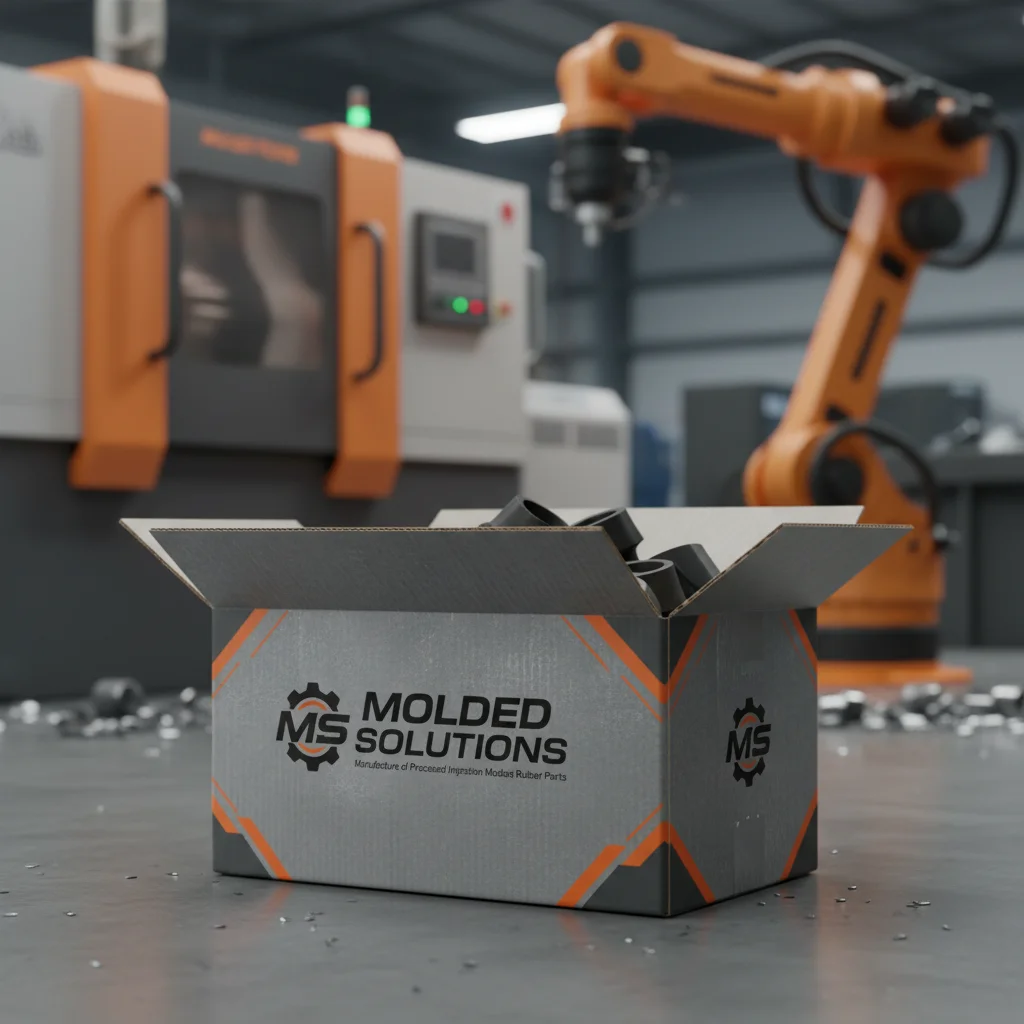
Note: Shipping rubber grommets requires attention to prevent deformation. We pack in molded trays with protective films to maintain shape integrity and facilitate easy handling at your reception dock.
Procurement Guidance & Risk Mitigation
Purchasing managers and procurement directors should be aware of common pitfalls during tendering and sourcing auto rubber grommets internationally:
- Verify manufacturer certifications: Ask for ISO/TS quality management certificates, material test reports, and product sample testing results before signing contracts.
- Confirm material formulations: Request datasheets and clarify if compounds meet your automotive-grade standards. It’s advisable to confirm resistance to specific chemicals relevant to your vehicle platforms.
- Request tooling and mold details: High-precision injection molding demands tight control. Confirm if the supplier has contemporary mold-making facilities and can adjust tooling as designs evolve.
- Discuss packing & logistics plans: Understand the supplier’s packaging methods to minimize deformation and contamination during transit. Containers should be optimally packed to avoid crushing during shipment.
- Order production samples: Before committing to bulk purchases, request free or low-cost samples to validate material feel, dimensions, and fit.
- Consider OEM/ODM cooperation: Many advanced buyers co-develop grommet designs and formulations collaborating with manufacturers to tailor solutions exactly matching application needs and assembly line constraints.
Guangdong Yingtai High Precision Technology Co., Ltd., with its 20+ years in OEM/ODM liquid silicone and plastic molding, offers extensive co-development support, fast prototyping, and stable quality assurance – a strong partner for risk-averse buyers.
Frequently Asked Questions
- Q1: Can these rubber grommets be customized for unique automotive designs?
- Absolutely. We specialize in OEM/ODM services with tooling development from scratch to produce grommets tailored to specific diameters, hardness levels, and geometries.
- Q2: What typical lead times should I expect for bulk auto rubber grommets?
- Standard production lead time ranges between 30-45 days depending on order volume and tooling availability. We advise planning procurement accordingly, especially during peak demand seasons.
- Q3: How do your grommets withstand extreme temperatures?
- Material selection is key. Silicone-based grommets can endure -60°C to 230°C. EPDM and NBR have lower temperature ceilings but excel in chemical resistance. We recommend selecting materials aligned with your environmental and functional needs.
- Q4: What precautions should I take during installation?
- Inspect for physical damages, avoid sharp tool insertion, and use recommended lubricants. Also, ensure surface edges are smooth to prevent premature grommet damage.
- Q5: Do you provide technical support for integration into assembly lines?
- Yes, our customer support team includes engineers ready to assist with installation consultancy, tool recommendations, and batch tracking support.
Customer Testimonials

“The precision and material quality of Yingtai’s rubber grommets have noticeably reduced our assembly line rejects. Improved chemical resistance and tighter tolerances mean fewer on-site complaints. Their technical team’s responsiveness sets them apart.”

“Their customizable OEM grommets fit perfectly across our hybrid vehicle models. Logistics were streamlined thanks to secure packaging and timely delivery. A dependable supplier with strong engineering knowledge.”

“The in-depth data sheets and test reports helped us confidently qualify their grommets for our engine wiring harnesses. On-site testing under thermal cycling was solid. We value their transparency and OEM experience.”
Interactive Chat Support – Real-Time Assistance



Partner with Guangdong Yingtai – Your Auto Rubber Grommet Specialist
With two decades of precision manufacturing experience, integrated mold design, and comprehensive quality control, Yingtai is positioned to be your trusted supplier for automotive and industrial rubber grommets. Benefit from stable supply chains, competitive FOB pricing, and expert technical consults tailored to your production needs.
Request Factory Pricing & Talk to Our Engineer