Industry Overview & Introduction
Automobile rubber parts remain the silent warriors behind vehicle performance and safety, playing pivotal roles in sealing, vibration dampening, weather resistance, and component protection. These are not just simple pieces of rubber — they embody complex balances of material science, engineering precision, and rigorous quality standards.
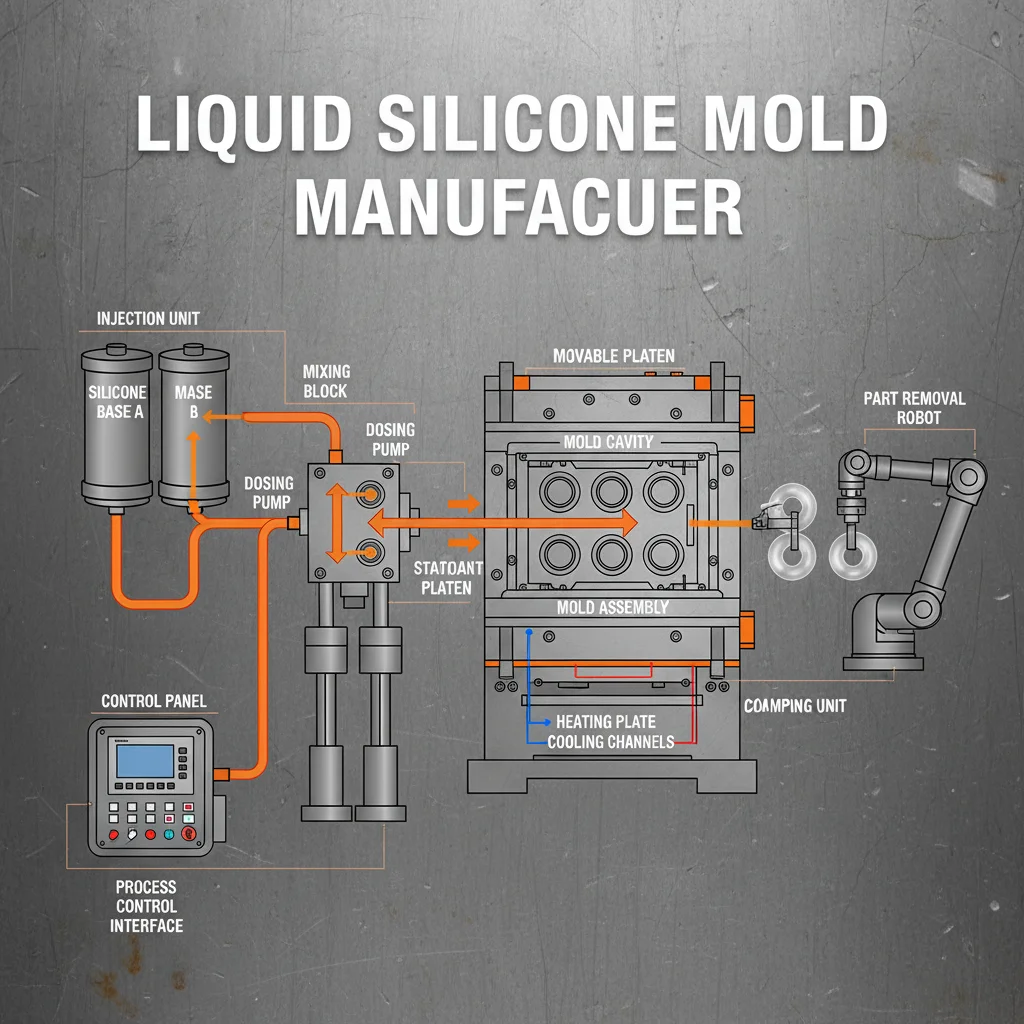
The modern automotive sector's move towards enhanced fuel efficiency, tighter emissions regulations, and electrification pushes suppliers like Guangdong Yingtai High Precision Technology Co., Ltd. to innovate continuously in rubber part development. The synergy of liquid silicone rubber (LSR) injection molding, precision tooling, and advanced automation enables production of high-tolerance gaskets, seals, vibration isolators, and bushings designed for demanding environments.
From engine compartments subjected to wide thermal fluctuations to door seals combating dust, water ingress, and UV radiation, our parts endure harsh conditions over the full lifecycle of vehicles. Selecting the right automobile rubber components requires detailed consideration of material compositions, manufacturing processes, and compliance with industry standards such as ISO 9001, IATF 16949, and specific OEM protocols.
Practical insight: Many procurement managers underestimate the impact of subtle differences in Shore hardness or compression set resistance when specifying seals or mounts. Such oversights contribute to premature part failure or assembly issues downstream, increasing warranty claims and service costs.
Technological advances continue reshaping the landscape. According to recent market analyses, the liquid silicone rubber segment is poised for steady growth — with projections estimating the global LSR market to reach nearly USD 7.5 billion by 2035 (Grand View Research; Persistence Market Research). This trend highlights the rising OEM preference for LSR-based rubber parts due to their heat resistance, chemical inertness, and excellent mechanical properties, crucial for new energy and internal combustion vehicles alike.
Our factory in Dongguan operates at the intersection of tradition and innovation, leveraging over 20 years of experience in advanced injection molding and overmolding techniques. We continuously adapt to emerging requirements from automotive Tier 1 suppliers, delivering customizable solutions with optimized lead times and logistical reliability essential for global supply chains.
In the sections ahead, we detail common procurement risks, elucidate material advantages, unpack factory strengths, and offer practical guidance for selecting a reliable partner in automobile rubber parts manufacturing.
Product Advantages & Material Insights
Our automobile rubber parts leverage liquid silicone rubber (LSR) alongside high-grade EPDM, NBR, and custom rubber compounds precisely formulated for application-specific requirements. Benefits include:
- Exceptional Thermal Stability: LSR withstands -60°C to +230°C, ideal for engine gaskets and electronic housing seals.
- UV and Ozone Resistance: High durability for exterior seals, maintaining elasticity and preventing cracking.
- Chemical Compatibility: Resistance to fuels, oils, coolants, and cleaning agents ensures longevity.
- Precision Moldability: Injection molding techniques achieve tight dimensional tolerances and complex geometries.
- Overmolding Capability: Enables integration of multi-material components enhancing mechanical performance and assembly efficiency.
Comparison: Typical Rubber Materials for Automotive Parts
| Material |
Thermal Range (°C) |
Chemical Resistance |
UV/Ozone Stability |
Typical Applications |
| Liquid Silicone Rubber (LSR) |
-60 to 230 |
High (fuels, oils) |
Excellent |
Seals, gaskets, vibration mounts |
| EPDM |
-40 to 150 |
Moderate (heat, steam) |
Good |
Door seals, weatherstripping |
| Nitrile Butadiene Rubber (NBR) |
-30 to 120 |
High (oil and fuel) |
Poor |
Fuel system seals, gaskets |
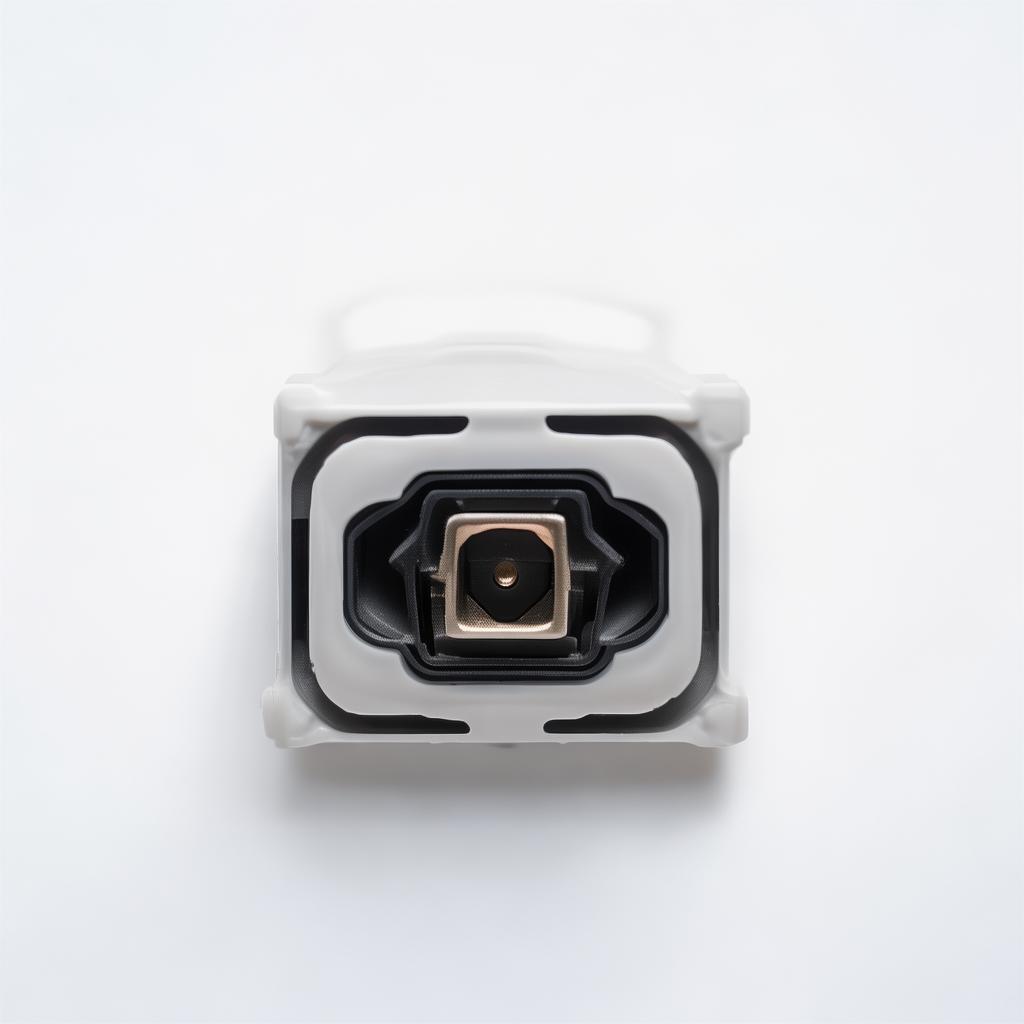
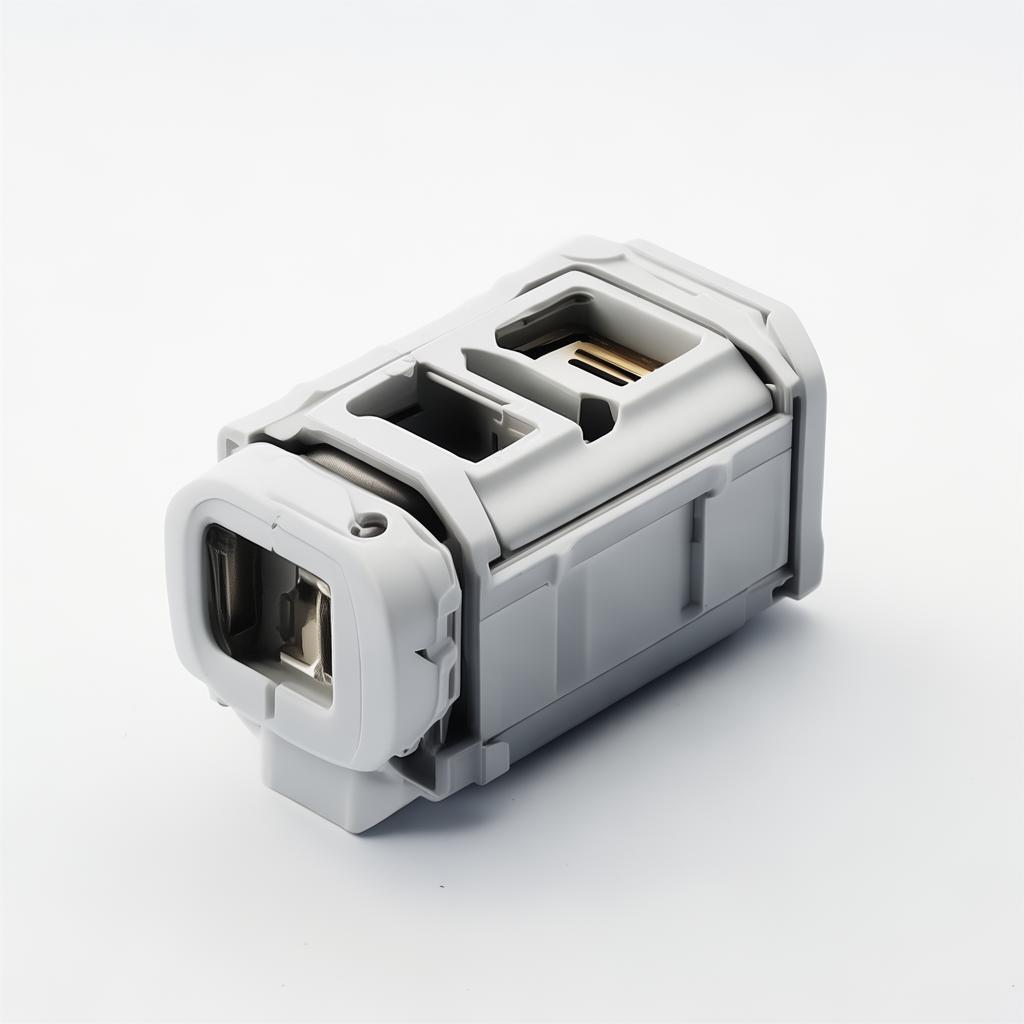
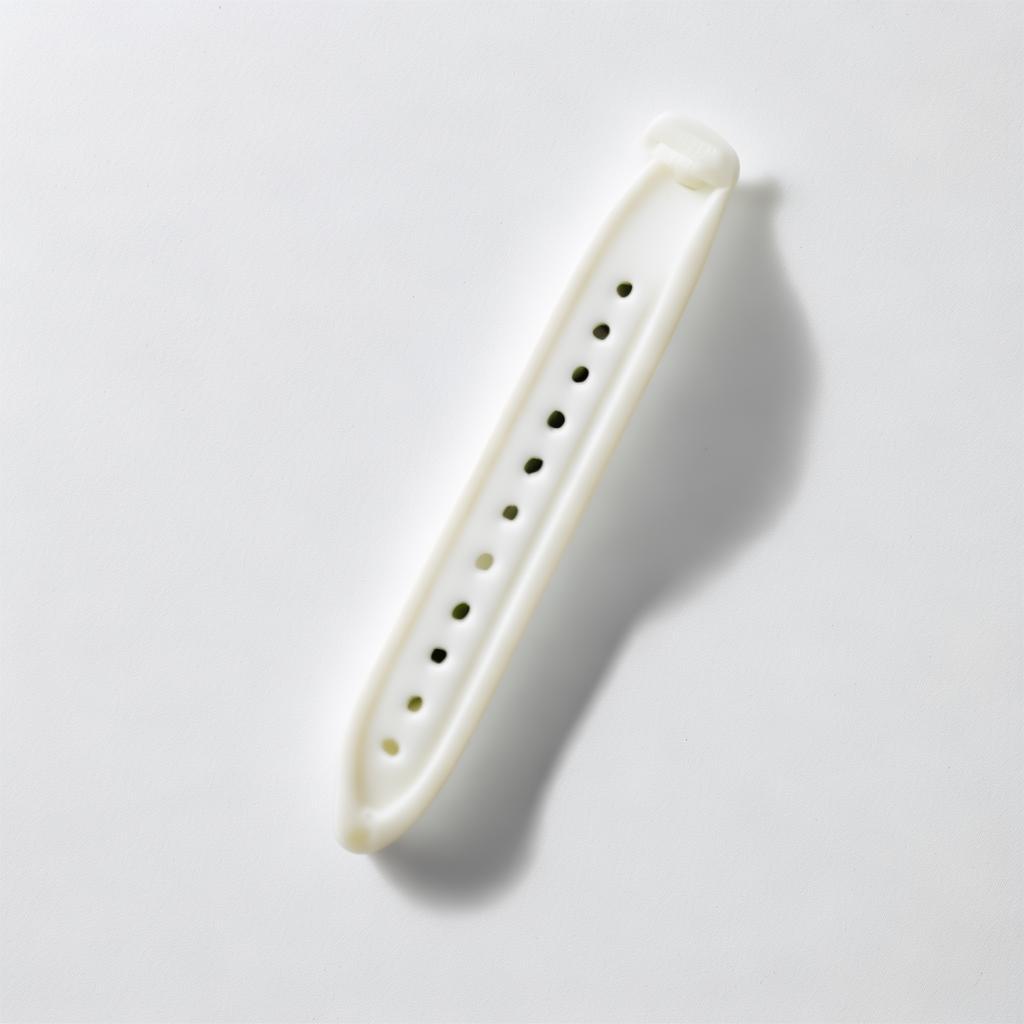
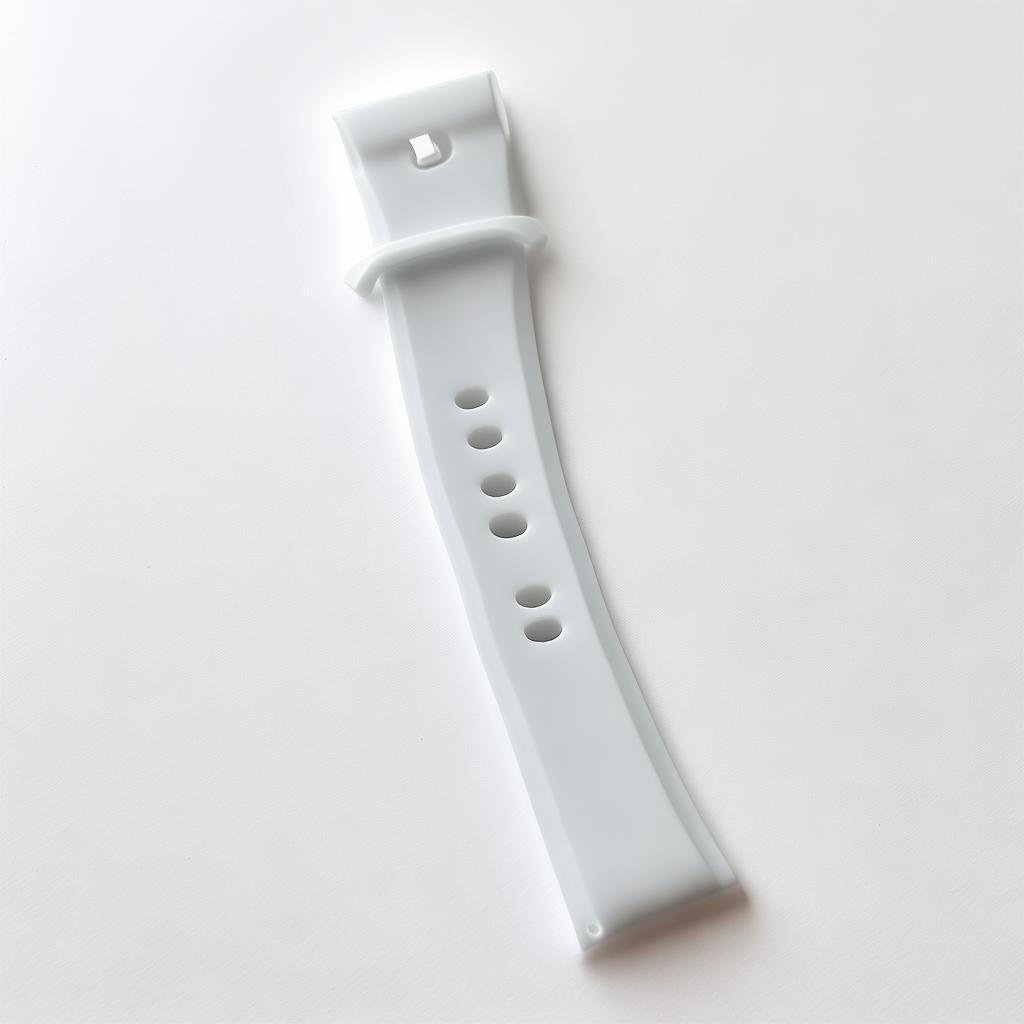
auto rubber grommets rubber grommets automotive rubber car grommets
Important: Many buyers find LSR’s superior flow characteristics beneficial in producing intricate shapes with high repeatability and reduced cycle times, aligning with findings in Grand View Research's LSR Market Report, 2030.
Factory Capabilities & Certifications
Located in Dongguan’s industrial hub, Guangdong Yingtai High Precision Technology Co., Ltd. spans over 35,000 square metres with a highly automated production line. Our investments include:
- • 55 liquid silicone molding machines optimized for high-precision production;
- • 80 automatic plastic injection molding systems facilitating multi-material overmolding;
- • 20 solid silicone hydraulic presses for diverse volume ranges;
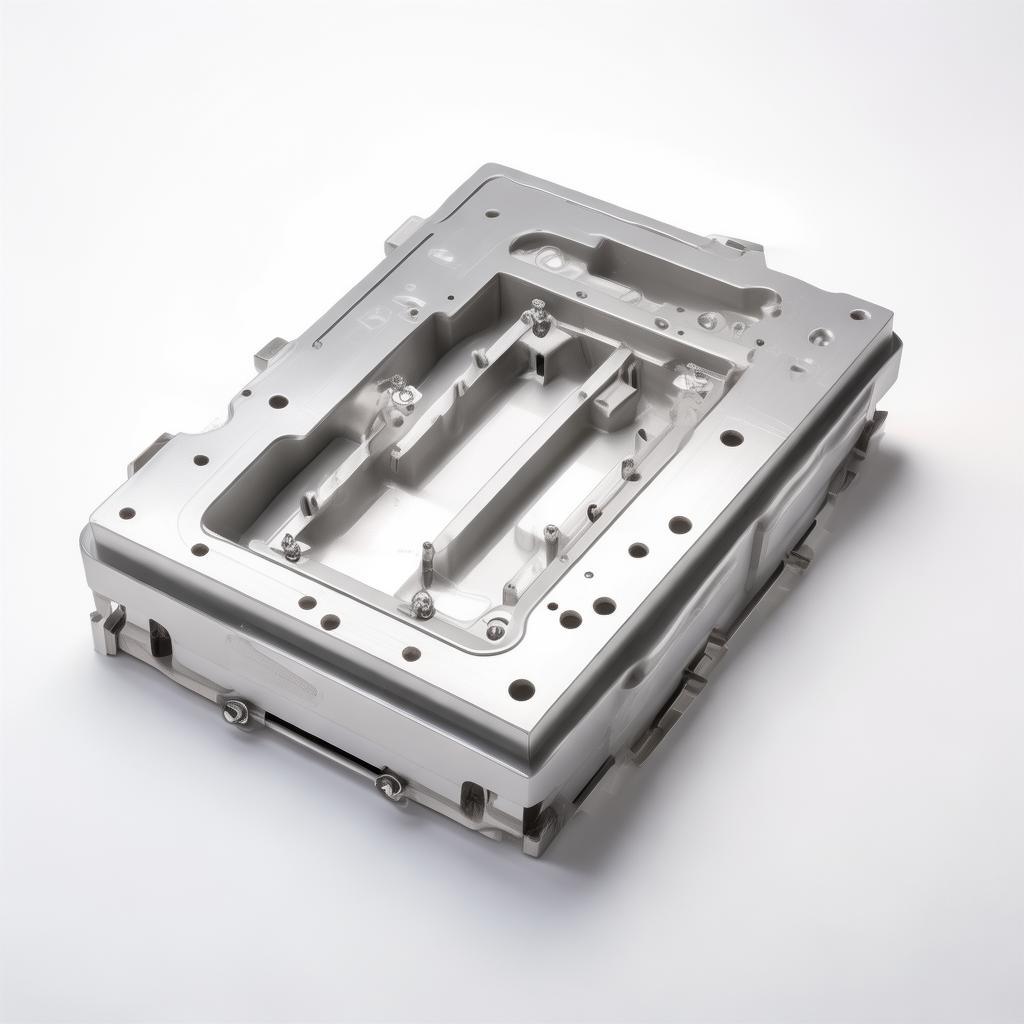
- • 30+ precision machining centers ensuring mould accuracy and component consistency;
- • Advanced inspection equipment, including optical comparators, durometers, and tensile testers.
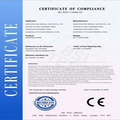
Our factory follows stringent quality management protocols—ISO 9001:2015 and IATF 16949 compliance form the backbone of our production. Furthermore, we maintain robust process documentation and traceability, critical for automotive Tier 1 supplier partnerships.
We support OEM & ODM projects with custom tooling development, rapid sample prototyping, and scalable manufacturing runs. Our export team routinely manages logistics planning—optimizing container loading, managing lead times, and ensuring packaging meets destination-specific requirements.
Note: Partnering with a factory possessing comprehensive in-house capabilities mitigates risks associated with multi-vendor dependencies and facilitates faster issue resolution.