Automotive Aluminum Die Casting: Precision Solutions for Modern Vehicle Manufacturing
By Mark Jensen, Export Director | 
Introduction to Automotive Aluminum Die Casting
Aluminum die casting has become a cornerstone technology in today's automotive sector — a reality no purchasing manager or operations lead can afford to overlook. Its unique blend of lightweight strength and precision engineering offers unmatched value across a variety of vehicle components including engine parts, transmission housings, and structural elements.
Why aluminum? The metal’s low density combined with its high thermal conductivity provides a crucial advantage in reducing overall vehicle weight without compromising durability. This results in improved fuel efficiency and emission standards compliance—a top priority for automotive OEMs targeting strict regulatory frameworks in the US and global markets.
The die casting process, involving the high-pressure injection of molten aluminum into steel molds, delivers products with consistent dimensional accuracy and excellent surface finishing. These are not just theoretical benefits; operational experience demonstrates how well-engineered die cast parts routinely outperform traditional sand-cast or machined components in both structural integrity and production speed.
Importantly, investing in quality aluminum die casting aligns with your company’s long-term procurement strategy. It offers not only cost-effective volume production but also enhances part performance — a critical combination for maintaining supply chain reliability and meeting automotive industry demands.
For sourcing managers, keeping an eye on lead times and logistics is vital. Aluminum parts, when optimized for container loading and international shipment, can significantly streamline your inventory flow. However, poor selection of suppliers or ignoring technical specifications risks delays and quality issues that may halt production lines.
As an export director with over a decade managing international automotive parts supply, I’ve witnessed buyers face hidden challenges with overseas partners — inadequate certifications, inconsistent product quality, and below-standard tooling compromises. This page aims to equip you with practical knowledge, buyer tips, and technical insights to help you avoid such pitfalls and make well-informed sourcing decisions.
Common Industry Challenges in Automotive Aluminum Die Casting
The promise of aluminum die casting comes with operational realities. Among the most frequent issues encountered are:
- Porosity and Defect Control: Air entrapment during molten aluminum injection can cause micro-porosity, which weakens mechanical properties. Precision in mold venting design is critical.
- Dimensional Stability: Thermal shrinkage must be carefully accounted for during mold design to avoid costly rework.
- Material Selection & Alloy Standards: Choosing alloys that meet or exceed ISO 9001, ASTM B85, and automotive OEM standards is non-negotiable to ensure durability.
- Tooling Wear and Maintenance: High pressures and temperatures accelerate mold wear. Proactive maintenance and tooling investment pay dividends in part quality.
- Procurement Transparency: Lack of proper production audits and insufficient supply chain visibility expose buyers to risks of counterfeit or substandard parts.
A seasoned procurement manager understands these challenges aren't just technical—they directly impact production uptime, warranty claims, and ultimately, customer satisfaction.
Technical Overview & Production Insights
Aluminum die casts are predominantly produced from alloys in the Al-Si (aluminum-silicon) system, prized for ease of casting and strength-to-weight ratio. Commonly used alloys include A380, A383, and ADC12. These alloys meet industry demands for tensile strength ranging from 240 to 320 MPa and excellent corrosion resistance.
The high-pressure die casting (HPDC) method works by forcing molten aluminum at pressures typically between 700 and 3500 bar into precision steel dies cooled via water channels for efficient solidification. This process yields intricate shapes with thin walls down to 1.2mm, facilitating lightweight yet strong components essential in modern vehicle design.
Production parameters such as injection speed, die temperature, and cycle time impact final product quality.
| Parameter | Typical Range | Effect on Casting |
|---|---|---|
| Injection Pressure | 700 - 3500 bar | Affects fill quality and porosity |
| Die Temperature | 160°C - 220°C | Impacts surface finish and mold life |
| Cycle Time | 20 - 60 seconds | Controls production rate and cost efficiency |
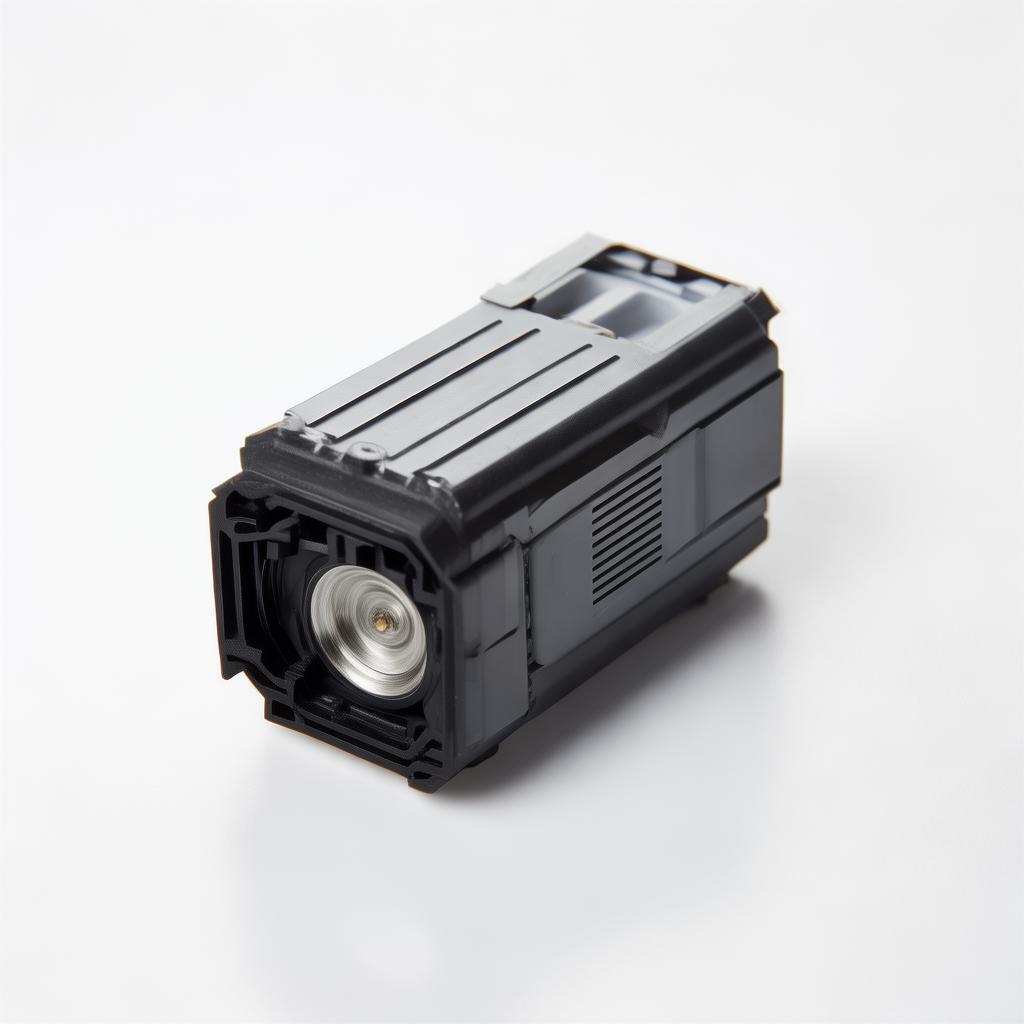
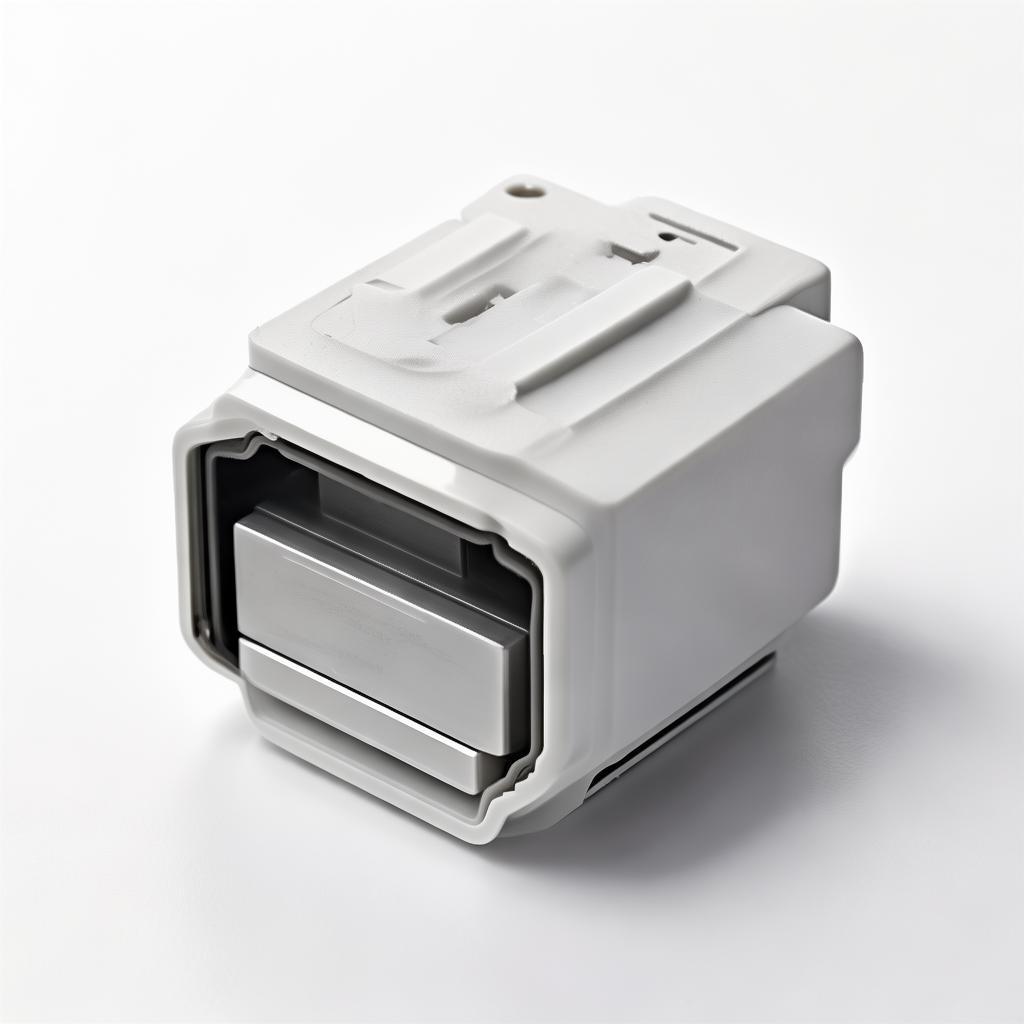
aluminum die casting parts aluminum die casting process aluminium die casting components
Continuous tooling inspection for signs of erosion and hot cracking prevents unexpected production halts. Maintenance cycles should align with production volume forecasts, and molds stored for longer periods need controlled humidity to avoid corrosion.
Key Advantages of Aluminum Die Casting in Automotive Applications
- High Strength-to-Weight Ratio: Aluminum offers high tensile strength while cutting down vehicle weight, crucial for fuel efficiency and reduced emissions.
- Complex Geometry & Thin-Wall Design: Die casting enables manufacturing intricate components with tight dimensional tolerances and minimal post-processing.
- Thermal Management: Aluminum’s superior heat dissipation aids in engine and transmission cooling systems.
- Corrosion Resistance: Alloying and proper surface treatments extend lifetime in harsh automotive environments.
- Cost-Effectiveness at Scale: High-volume die casting reduces per-unit costs when compared to machining or forging alternatives.
- OEM & Industry Compliance: Suppliers adhering to IATF 16949 and ISO standards reinforce trust and product quality assurance.
These benefits translate directly into lower total cost of ownership for automotive manufacturers. Beyond raw material savings, ease of assembly and compatibility with secondary machining or surface treatment processes enhance overall manufacturing speed and reliability.
Typical Automotive Applications for Aluminum Die Cast Components
Aluminum die cast parts have found diversified usage across automotive systems, such as:
- Engine Blocks & Cylinder Heads: Enhanced thermal conductivity and corrosion resistance enable efficient engine cooling and longevity.
- Transmission Housings: Light yet rigid construction critical for torque support and heat dissipation.
- Suspension Components: Control arms and brackets benefit from weight reduction without sacrificing strength.
- Steering Systems: Structural castings for steering knuckles and gear housings improve vehicle responsiveness.
- Electrical Components & Battery Enclosures: Increasingly important for EVs where aluminum shields and structural parts manage electromagnetic interference.
Understanding these functional roles helps procurement and quality assurance teams tailor specifications and supplier evaluations accordingly. For instance, fatigue resistance testing is essential for suspension parts, whereas surface quality and thermal stability are paramount for engine components.
Procurement & Supplier Evaluation Tips
When sourcing automotive aluminum die casting parts, these practical pointers are critical:
- Check Certifications: Confirm supplier compliance with IATF 16949, ISO 9001, and product-specific requirements.
- Tooling Capability Review: Assess injection molding machine tonnage, cavity design quality, and maintenance schedules.
- Request Material Test Reports: Validate alloy composition, tensile strength, hardness, and corrosion resistance per product specs.
- Prototype & Sample Inspection: Verify dimensional accuracy and surface finish with first article inspections (FAI).
- Lead Time & Logistics: Clarify tooling lead times, packaging solutions for container optimization, and shipping arrangements to avoid delays.
- OEM/ODM Flexibility: Prefer suppliers able to customize molds and offer engineering support for part optimization.
- Risk Mitigation: Collaborate on contingency plans for tooling breakdowns, quality issues, or sudden order fluctuations.
Buyers should also beware of suppliers underestimating tooling costs or push fitting specs to cut corners. A transparent dialogue and technical audits often save significant overhead and operational headaches further down the line.
Frequently Asked Questions
- Q1: How does aluminum die casting compare with other manufacturing processes like forging or machining?
- Die casting provides higher precision and less material waste compared to forging, while offering faster cycle times than machining. It is especially cost-effective for complex components produced in large volumes.
- Q2: What about surface finishing options for die cast parts?
- Post-casting processes include anodizing, powder coating, shot blasting, and machining for critical tolerance areas. Surface treatments enhance corrosion resistance and aesthetic appeal.
- Q3: What typical lead times should buyers expect?
- Initial tooling design and production range from 6 to 10 weeks depending on complexity. Part production cycles typically last seconds per piece, allowing for thousands monthly.
- Q4: How to ensure batch-to-batch consistency?
- Suppliers should apply Statistical Process Control (SPC), regular mold inspection, and advanced CAE simulation during mold design to provide repeatability.
- Q5: Are there sustainability benefits?
- Aluminum is highly recyclable, and die casting reduces raw material waste. Selecting suppliers with environmental certifications and efficient production lines supports green manufacturing goals.
Customer Testimonials
 John Miller, Senior Procurement Manager (Detroit, MI)
"Partnering with Guangdong Yingtai for our engine housing components cut lead times by two weeks and improved dimensional accuracy significantly. Their expert advice on alloy selection saved us costly rework down the line."
 Sarah Lopez, Operations Director (San Antonio, TX)
"Their attention to detail in mold maintenance and product testing instilled confidence. Frequent technical calls addressed our concerns about porosity and surface finish before full production, a rare plus with overseas vendors."
 Michael Thompson, OEM Purchasing (Detroit, MI)
"The team’s expertise in logistics and container loading optimized our import costs. They provided detailed shipping plans minimizing damage risks, and their OEM customization options enabled us to meet specific design specs without hassle."
Contact Guangdong Yingtai High Precision Technology Co., Ltd.
Located in the heart of Dongguan's Changan Town, our facility spans 35,000 square meters equipped with state-of-the-art production lines for automotive aluminum die casting alongside other advanced molding capabilities.
Phone: (Miss Zhang) +86 17722437688
Fax: +86 0769-83666863
Email: zmm@yingtai168.com / lh@yingtai168.com
WhatsApp: +86 17722437688
Address: No. 359 Chang'an Bubugao Road, Chang'an Town, Dongguan City, Guangdong Province
Visit Our Website & Contact Page
Request a free consultation or ask for our detailed catalog tailored to your automotive aluminum die casting needs.
Industry Insights & Supplemental Resources
For a deeper dive into material sciences behind high-precision die casting, these reports provide extensive market and technical perspectives:
- Injection Molding Market Report, 2033: Grand View Research. Forecasts steady growth driven by automotive and industrial applications with emphasis on precision processes.
- Advanced Simulation Accuracy For Silicone & Die Casting Molds: MDPI Polymer Engineering Study. Highlights importance of detailed material characterization in predicting mold performance and defect reduction.
- Reducing Waste in Injection Molding: Fraunhofer Research Paper. Discusses mold engineering innovations enhancing process sustainability.