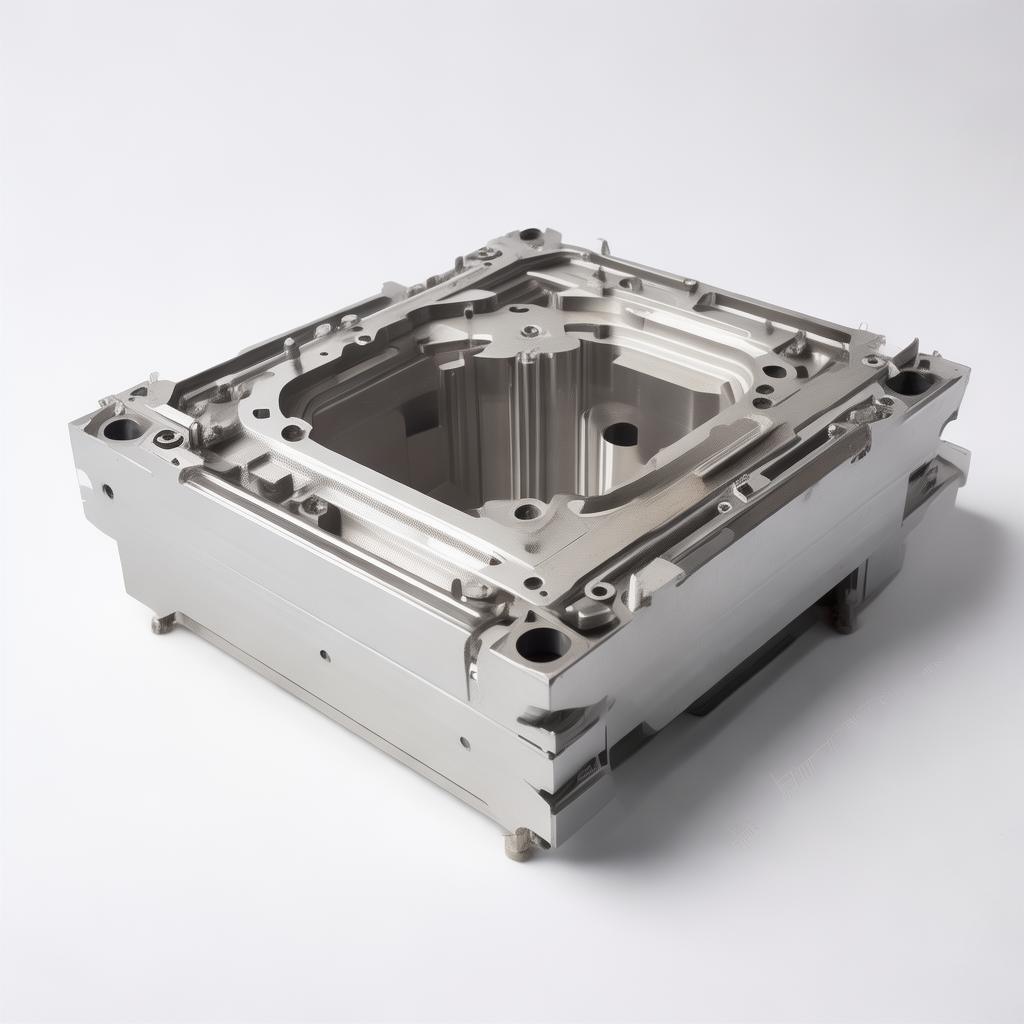
In an industry propelled by stringent quality demands and tight production schedules, automotive CNC machining serves as a cornerstone in crafting components with exceptional precision and repeatability. From engine and transmission parts to complex
Product Details
Automotive CNC Machining Services: Precision Solutions for the Modern Supply Chain
Introduction: Navigating CNC Machining in Automotive Manufacturing
In an industry propelled by stringent quality demands and tight production schedules, automotive CNC machining serves as a cornerstone in crafting components with exceptional precision and repeatability. From engine and transmission parts to complex chassis components, CNC machining offers the reliability needed to meet evolving automotive standards and fast-changing design requirements.
For procurement professionals, sourcing competent CNC machining partners is critical yet challenging. Component precision, material traceability, and compliance with international standards such as ISO 9001 and IATF 16949 are non-negotiable attributes that safeguard downstream assembly and vehicle safety.
The United States automotive sector especially emphasizes efficiency in manufacturing process flows, demanding CNC machining suppliers who not only excel technically but can also integrate seamlessly into global supply chains — supporting just-in-time deliveries, batch flexibilities, and scalable production volumes.
At Guangdong Yingtai High Precision Technology Co., Ltd., our CNC machining offering is backed by over two decades of expertise serving the automotive industry with a dual focus on material compatibility and dimensional accuracy. Nestled in Dongguan’s manufacturing hub, our advanced facility spans 35,000 square meters and houses over 30 precision CNC units geared towards metals such as aluminum alloys, stainless steel, and specialty automotive-grade plastics.
In this comprehensive overview, we'll unpack the technical and commercial dimensions that set our automotive CNC machining services apart — your essential guide to reducing risks, optimizing procurement decisions, and ensuring consistent part performance.
Industry Pain Points and Procurement Challenges
Dimensional Variability: Even minor deviations in CNC tolerances can cascade into assembly misfits or premature mechanical failures. Overlooking part inspection procedures often leads to costly rejections.
Material Traceability and Certification: Automotive components require traceability to batch numbers and certifications like RoHS or CE for certain markets. Many suppliers struggle to provide transparent documentation alongside parts.
Lead Time Pressures: The automotive industry’s move towards lean manufacturing pressures suppliers for quick turnarounds without sacrificing quality.
Communication Gaps & Technical Alignment: Disconnected communication channels between buyers and manufacturers increase the risk of misinterpreted CAD files, surface finish requirements, or heat treatments.
Logistics Complexities: Handling customs clearance, container loading optimizations, and just-in-time shipping from Asian factories to global assembly plants demands expertise often lacking in smaller vendors.
Technical Insights and Material Selection
CNC machining in automotive applications spans a wide variety of metals and engineered polymers. Metals such as 6061-T6 aluminum, AISI 304/316 stainless steel, and heat-treated alloy steels are commonly specified due to their strength-to-weight ratio and corrosion resistance.
We often see requests for precision machining down to ±0.01mm tolerances, essential for parts like fuel injection components or bearing housings. Surface finish requirements can vary, yet automotive-grade parts often demand Ra values between 0.4 and 1.6 micrometers, achieved through a combination of CNC milling, grinding, and optional secondary finishing such as anodizing or passivation.
Material
Typical Applications
Key Properties
Common Tolerance Range
6061-T6 Aluminum
Engine covers, suspension parts
Lightweight, corrosion-resistant, good machinability
Besides material choice, the machining process must account for tooling wear, coolant selection, and fixture design to ensure consistent output quality, especially when producing complex geometries like deep cavities or undercuts.
Heat treatment post-machining is often necessary to achieve fatigue resistance, especially in high-stress engine or transmission components. Our facility works closely with metallurgical partners to coordinate these treatments, assuring traceability and strict compliance with automotive industry norms.
Why Choose Our Automotive CNC Machining Services?
Integrated Manufacturing Chain: From precision mold design to post-processing and testing – a one-stop-shop reduces communication friction and protects intellectual property.
Advanced Equipment: Over 30 state-of-the-art CNC lathes, mills, and multi-axis centers enable complex parts with tight tolerances and superior surface finishes.
Quality Control Systems: Inline CMM and laser scanners verify dimensional accuracy in real time, reducing rework and scrap rates.
OEM/ODM Flexibility: Custom tooling design and prototype machining services available, plus experienced application engineering support during development phases.
Material Expertise: Facility certified for processing automotive-grade metals and plastics adhering to ISO/TS 16949 standards.
Global Export Experience: Skilled in container loading optimization, export documentation, and multi-modal freight coordination, we know the critical path from factory floor to assembly line.
Scalable Batch Sizes: Whether small pilot runs or high-volume steady production, Yingtai can meet fluctuating demands without cost penalties.
Certifications and Quality Assurance
Our manufacturing facility adheres strictly to globally recognized standards in automotive component production:
ISO 9001:2015 – Quality Management System
IATF 16949 – Automotive Quality Standard
RoHS and REACH Compliance for environmental safety
CE Certification for applicable electrical housing components
Consistent conformity to these certifications underscores our ability to deliver parts with traceable quality that meets or exceeds automotive sector procurement expectations.
Logistics, Lead Times & Shipping Considerations
Timely delivery is non-negotiable in automotive supply chains. We recognize the impact of delayed shipments on assembly lines and final product launches. Our operational team works closely with buyers to ensure transparency across each stage:
Realistic Lead Times: Depending on complexity, standard CNC machining orders typically ship within 15–25 business days after design confirmation and tooling setup.
Custom Packaging: Components are packed carefully to resist corrosion and mechanical damage during transport; options include vacuum-sealed bags or anti-corrosion coatings.
Optimized Container Loading: Expertise in container space utilization and customs documentation.Streamlines shipments to North America, reducing risk of demurrage fees.
Multi-modal Shipping Coordination: Sea freight combined with inland trucking offers flexible delivery options aligned with customer inventory strategies.
Real-time Tracking & Communication: Proactive updates at critical milestones so procurement teams can plan assembly scheduling effectively.
Practical advice: Allow for modest buffer in arrival times to accommodate customs inspections and inland transport variability—this helps avoid costly assembly downtime.
Frequently Asked Questions
Q1: What is the minimum order quantity for your automotive CNC machining services?
A: We accommodate both low-volume prototype runs starting at 100 pieces and large-scale orders exceeding 100,000 units. MOQ depends on part complexity and tooling requirements.
Q2: Can you work with proprietary CAD formats and maintain design confidentiality?
A: Absolutely. We support standard automotive CAD files including STEP, IGES, and CATIA, and enforce strict NDAs and IP security procedures.
Q3: What quality inspections are conducted on completed parts?
A: Each batch undergoes dimensional inspection via CMM, visual surface audits, and material hardness testing. Detailed inspection reports can be provided.
Q4: How do you handle material certifications?
A: Material certificates of conformity (CoC) and test reports referencing ASTM, SAE, or DIN standards accompany each shipment when requested.
Q5: Do you offer turnkey OEM/ODM services?
A: Yes. Beyond machining, we provide tooling design, prototype development, secondary finishing, assembly support, and packaging customization.
Customer Feedback & Industry Testimonials
Michael ReynoldsProcurement Manager, Detroit
"Yingtai's CNC precision and delivery reliability have noticeably reduced our assembly rework rates. Their team understands the nuances of automotive tolerances and keeps us updated throughout production. Highly recommended for OEM sourcing."
Get in Touch
If you have any camping barbeque equipment inquiry, please feel free to contact us.






 Michael ReynoldsProcurement Manager, Detroit