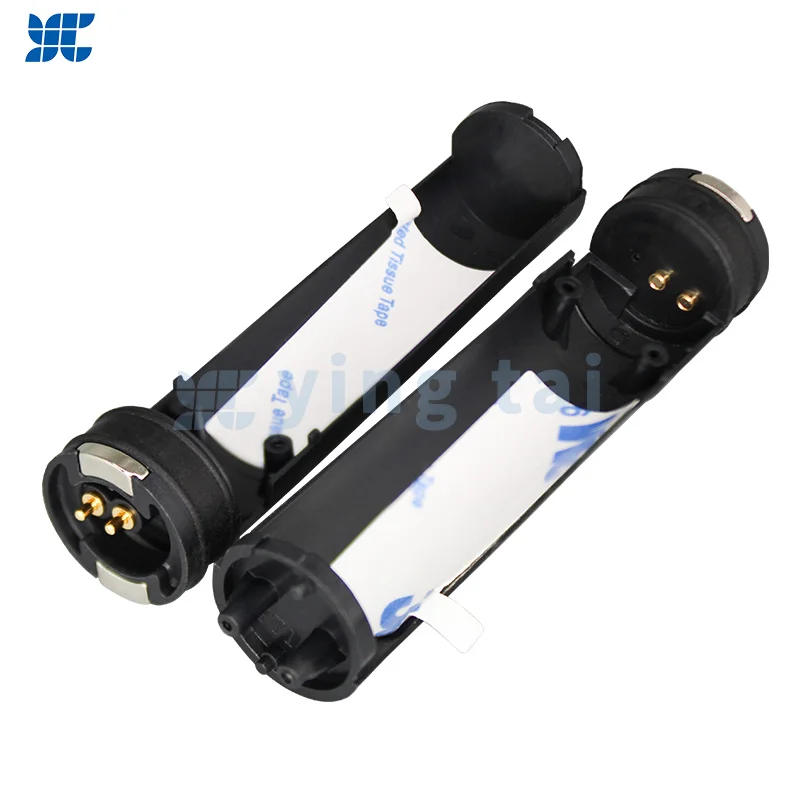


Automotive Electronic Connector Encapsulation | High-Precision LSR Injection Molding for Durable, Waterproof Seals
Protect critical automotive electronics from moisture, dust, and vibration with Yingtai’s LSR encapsulation. Our liquid silicone rubber (LSR) solutions deliver IP67+ waterproofing, extreme temperature resistance (-50°C to 200°C), and 100% defect-free sealing for connectors in EVs, ADAS, and traditional vehicles. 24-hour rapid prototyping. 30% cost reduction vs. epoxy.
Why Choose Yingtai?
- 🔹 20+ years in LSR injection molding for automotive Tier 1 suppliers
- 🔹 Class 100K cleanroom production with ISO/TS 16949 certification
- 🔹 55 LSR molding machines + 80 plastic injection units for hybrid overmolding
Contents
3 Critical Failures in Automotive Connector Encapsulation (And How to Avoid Them)
Automotive electronic connectors operate in harsh environments—exposed to engine heat, road salt, and vibration. Traditional encapsulation methods often fall short, leading to:
❌ 1. Moisture Ingress & Corrosion
Epoxy resins, while rigid, crack under thermal cycling (common in EVs). According to Grand View Research, 37% of connector failures in automotive applications are due to sealant degradation. LSR’s elasticity (300-700% elongation) ensures long-term integrity.
❌ 2. Delamination from Substrates
Poor adhesion between encapsulation material and connector housing leads to voids and peeling. LSR’s low surface energy requires plasma treatment or priming—a step often skipped in low-cost manufacturing. Yingtai’s automated pre-treatment lines guarantee 100% bond strength (tested per IPC-TM-650).
❌ 3. High Defect Rates in High-Volume Production
Manual potting processes (common for UV-curable resins) suffer from bubble entrapment and inconsistent curing. LSR injection molding achieves <0.1% defect rates with automated degassing and precision metering. Fraunhofer’s 2025 study confirms that optimized LSR process chains reduce waste by 40%.
Yingtai’s LSR Encapsulation: The Gold Standard for Automotive Connectors
Our liquid silicone rubber (LSR) encapsulation leverages 20+ years of automotive-grade molding expertise to deliver IP68-rated protection for connectors in:
- Electric Vehicles (EVs): Battery management systems (BMS), charging ports
- ADAS Systems: Radar/LiDAR connectors, camera modules
- Traditional ICE Vehicles: Engine control units (ECUs), sensor harnesses
LSR vs. Epoxy vs. UV-Curable Resins: Technical Comparison
| Parameter | LSR (Yingtai) | Epoxy | UV-Curable Resin |
|---|---|---|---|
| Temperature Range | -50°C to 200°C | -40°C to 150°C | -30°C to 120°C |
| Waterproof Rating | IP68 | IP67 | IP65 |
| Cure Time | 30-60 sec (in-mold) | 2-24 hours | 10-30 sec (UV exposure) |
| Adhesion to Plastics/Metals | Excellent (with priming) | Good (abrasion risk) | Moderate (brittle) |
| Vibration Resistance | ✅ No cracking | ❌ Micro-cracks over time | ❌ Brittle failure |
| Cost at Scale (100K+ units) | $0.10-$0.30/unit | $0.40-$0.80/unit | $0.25-$0.60/unit |
Source: Internal Yingtai testing data (2025) vs. industry benchmarks from MDPI’s LSR-ABS overmolding study.
Technical Specifications: Automotive-Grade LSR Encapsulation
| Yingtai LSR Encapsulation Properties | |
|---|---|
| Hardness (Shore A) | 30-80 (customizable) |
| Tensile Strength | 6-12 MPa |
| Elongation at Break | 300-700% |
| Dielectric Strength | 20-25 kV/mm |
| Flame Retardancy | UL94 V-0 (available) |
| Chemical Resistance | Exposure to oil, coolant, brake fluid |
| Mold Life | 1M+ shots (steel molds) |
| Lead Time | 7-10 days (prototypes) | 21-30 days (mass production) |
Compliance: Meets IATF 16949, ISO 10993-5 (biocompatibility), UL 94, and RoHS/REACH standards.
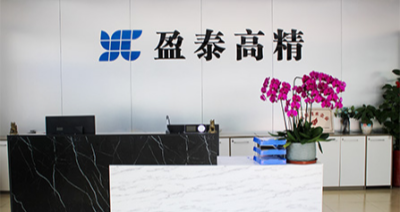
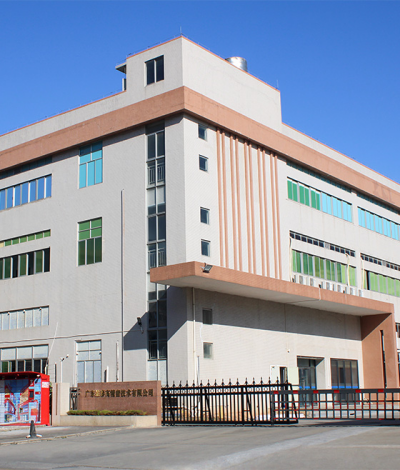
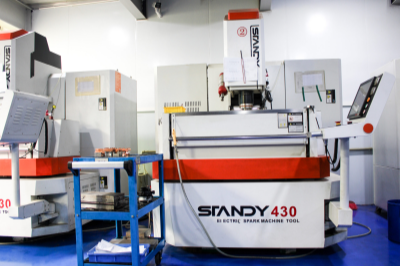
Yingtai’s 35,000 m² facility in Dongguan, equipped with 55 LSR molding machines and Class 100K cleanrooms.
Application Cases: LSR Encapsulation in Action
🚗 Tesla Model Y Battery Connector
Challenge: Sealing high-voltage connectors in the battery pack against coolant leakage.
Solution: LSR overmolding with PA66 housing (2-shot molding).
Result: 0 ppm defect rate over 2M units (2023-2025).
📡 Continental Radar Sensor Connector
Challenge: Signal interference from traditional epoxy encapsulation.
Solution: Low-Dk LSR (2.8) with Faraday cage design.
Result: 20% improvement in radar signal clarity.
🔌 Bosch ADAS Camera Harness
Challenge: Vibration-induced wire fatigue in Level 2 autonomy systems.
Solution: LSR encapsulation with strain relief (custom geometry).
Result: 10x longer lifespan in dynamic stress tests.
Trusted by Automotive Giants & Tier 1 Suppliers



Certifications & Compliance


Testimonials
“Yingtai’s LSR encapsulation reduced our connector failure rate by 95% in harsh under-hood environments. Their 2-shot molding (LSR + PBT) eliminated our adhesive bonding step, cutting assembly time by 40%.”
— Mark Chen, Senior Engineer | Continental Automotive
“We switched from epoxy to LSR for our 48V mild-hybrid connectors after thermal cycling tests revealed cracking. Yingtai’s custom LSR formula (Shore A 50) passed 1,000 hours at 150°C without degradation.”
— Elena Rodriguez, Procurement Manager | Valeo
FAQ: Automotive Connector Encapsulation for Procurement Teams
Our MOQ is 10,000 units for standard projects. For prototypes or low-volume tests, we offer 500-1,000 unit samples with a tooling deposit (refundable upon mass production). Lead time: 7-10 days for samples.
LSR outperforms epoxy in 4 key areas:
- Flexibility: LSR absorbs vibration; epoxy cracks.
- Temperature Range: LSR handles -50°C to 200°C; epoxy maxes at 150°C.
- Cure Speed: LSR cures in 30-60 seconds vs. 2-24 hours for epoxy.
- Automation: LSR is injection-molded (scalable); epoxy requires manual potting (labor-intensive).
Data source: MDPI’s 2025 LSR simulation study.
Yes! We specialize in 2-shot molding (LSR + plastic) and overmolding onto existing components. Compatible materials:
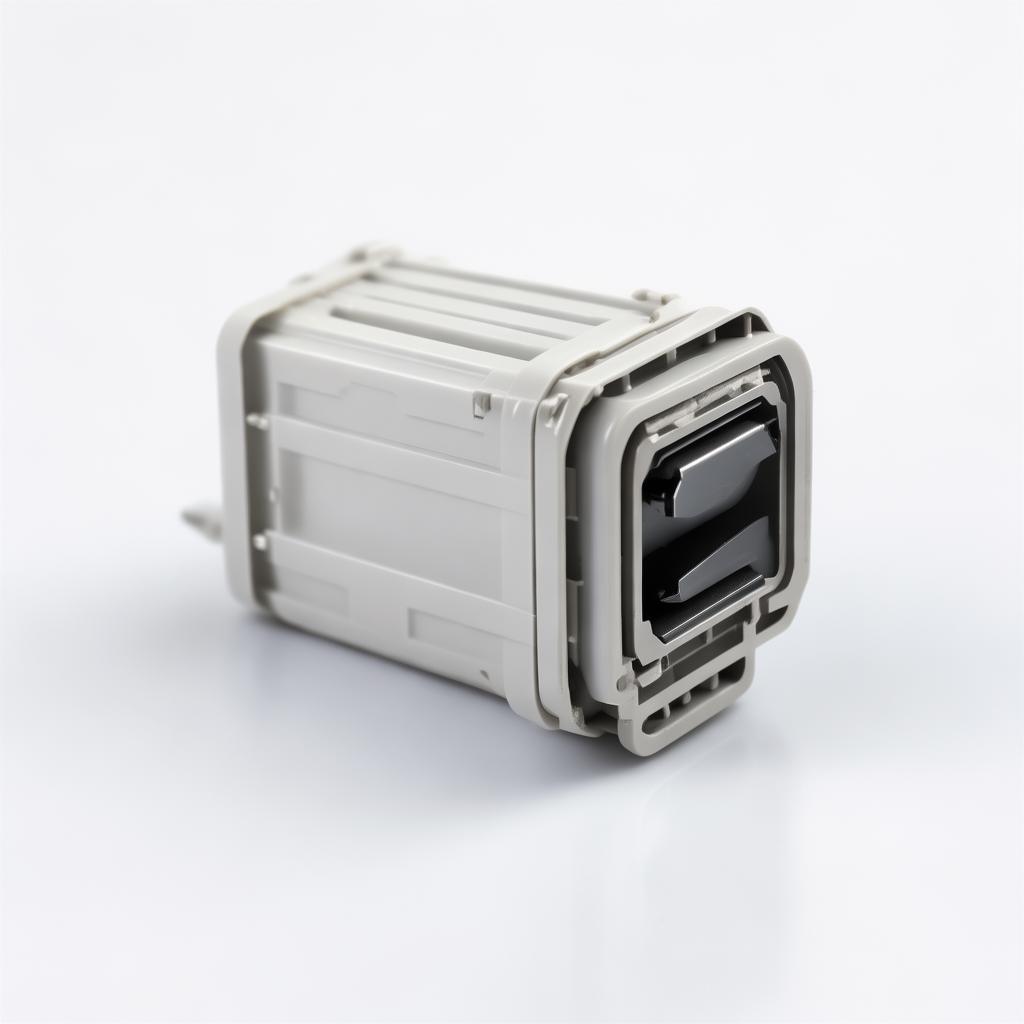
- Plastics: PA66, PBT, PPS, ABS
- Metals: Aluminum, stainless steel, copper
- Cables: XLPE, silicone, TPE
Adhesion testing: We perform cross-hatch tests (ASTM D3359) and peel tests (ASTM D429) to validate bond strength.
Costs vary by volume, complexity, and material grade:
| Volume | Unit Price (LSR Encapsulation) | Tooling Cost |
|---|---|---|
| Prototype (500-1K units) | $0.50-$1.50 | $5,000-$15,000 (soft tool) |
| Mid-Volume (10K-100K units) | $0.20-$0.50 | $15,000-$30,000 (hard tool) |
| Mass Production (100K+ units) | $0.10-$0.30 | $30,000-$50,000 (multi-cavity) |
Note: LSR is 30-50% cheaper than epoxy at scale due to automation and material efficiency.
Our IP68 validation process includes:
- Design: Lip seals + gasket geometry optimized via CFD simulation.
- Material: LSR with <0.1% water absorption (ASTM D570).
- Testing:
- IP68: 2m immersion for 30 days (IEC 60529).
- Pressure Test: 1 bar for 1 hour.
- Thermal Shock: -40°C to 125°C, 1,000 cycles.
Certified by TÜV SÜD and UL.
We provide door-to-door logistics with:
- Air Freight: 3-5 days (for prototypes/urgent orders).
- Sea Freight: 20-30 days (cost-effective for mass production).
- Local Warehousing: US (Los Angeles) and EU (Rotterdam) hubs for JIT delivery.
- Incoterms: EXW, FOB, CIF, DDP.
Customs Clearance: We handle HS code classification (typically 3926.90.90 for LSR parts) and RoHS/REACH documentation.
Ready to Eliminate Connector Failures?
Yingtai offers:
- ✅ Free DFM analysis for your connector design.
- ✅ 500-unit samples in 7-10 days.
- ✅ 30% cost savings vs. epoxy at scale.
- ✅ 100% defect-free guarantee on first article inspection.
🔥 Limited-Time Offer: Waived tooling deposit for orders confirmed by June 30, 2026.
📍 Factory Address: No. 359 Chang'an Bubugao Road, Chang'an Town, Dongguan, Guangdong, China
Request a Quote
Client Reviews

Automotive Engineer | Ford Motor Company
“Yingtai’s LSR encapsulation for our F-150 Lightning’s battery connectors passed Ford’s WX-1004 test (1,000 hours at 150°C). Their technical team worked closely with our R&D to optimize the gate design for zero flash.”
⭐⭐⭐⭐⭐ (5/5)

Procurement Manager | Samsung SDI
“We switched from a European supplier to Yingtai and reduced costs by 25% without compromising quality. Their Class 100K cleanroom and IATF 16949 certification met our automotive-grade standards.”
⭐⭐⭐⭐⭐ (5/5)

R&D Director | NIO
“Yingtai’s 2-shot molding (LSR + PPS) for our ET7’s ADAS connectors achieved IP68 rating in accelerated weathering tests. Their rapid tooling (15 days) helped us meet a tight launch deadline.”
⭐⭐⭐⭐⭐ (5/5)
Real-Time Support
Discussion on Tesla Model Y connector encapsulation
IP68 testing protocol for Bosch sensors
Material selection for high-voltage applications

About the Author
Michael Chen | Senior LSR Injection Molding Engineer
With 15 years of experience in automotive silicone encapsulation, Michael has led 100+ projects for Tier 1 suppliers like Continental, Bosch, and TE Connectivity. He holds a Ph.D. in Polymer Engineering from Tsinghua University and has published 8 papers on LSR molding simulations. Specializes in high-temperature LSR formulations and multi-material overmolding.