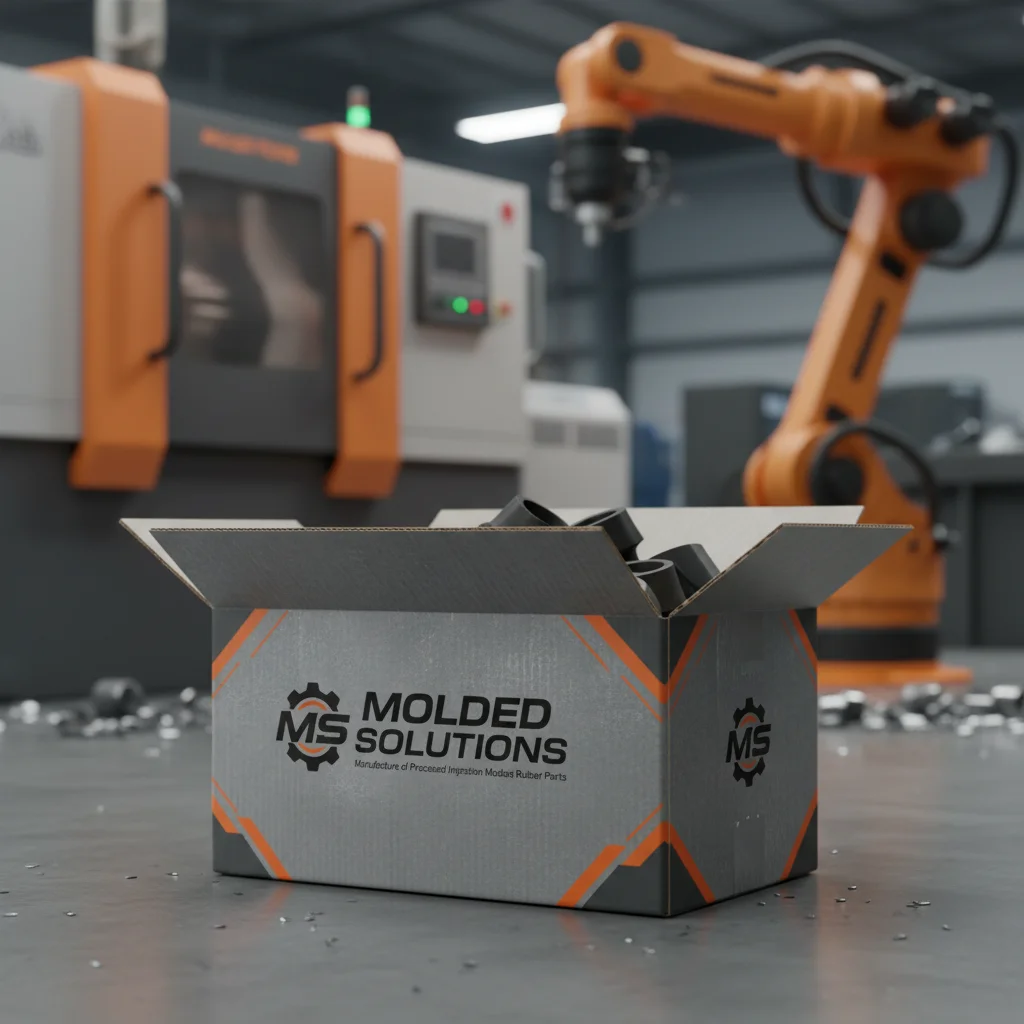
Expertly engineered injection molds and liquid silicone technologies tailored for the automotive industry's evolving demands. Manufacturing high-precision automotive injection molds today means navigating a complex market where tight tolerances, material integrity, and compliance with
Product Details
Precision Automotive Injection Mold Solutions
Expertly engineered injection molds and liquid silicone technologies tailored for the automotive industry's evolving demands.
Automotive Injection Mold Industry Challenges
Manufacturing high-precision automotive injection molds today means navigating a complex market where tight tolerances, material integrity, and compliance with international standards are non-negotiable. In automotive sectors such as new energy vehicles, passenger cars, and commercial fleets, the demand for superior quality sealing components, dashboard parts, and engine housings has pushed mold technologies to evolve rapidly. Yet common pitfalls persist:
Frequent mismatches between prototype silicone materials and industrial-grade LSR during production — a costly issue often overlooked when outsourcing overseas.
Time-consuming mold development cycles that delay part validation and product release, especially when traditional tooling methods are insufficient for intricate injection molds.
Material waste and flashing defects due to inadequate mold cavity sealing and venting strategies, resulting in rework and lowered production yield.
Stringent compliance concerns, notably with ISO 9001, IATF 16949 automotive quality management standards, and sometimes automotive OEM-specific certifications like VDA or TS16949.
Logistics challenges in container loading for large mold plates and related injection molding machinery, requiring careful packaging to prevent damage during trans-Pacific shipping.
Understanding these industry realities is crucial. As one procurement director recently told us, "Selecting the right injection mold supplier isn’t just about price—it’s about anticipating material behavior, ensuring quick iterations, and guaranteeing export-ready quality."
That’s why an expert approach to automotive injection mold solutions demands deep knowledge not just of mold design, but also of silicone material science, injection molding process optimization, and supply chain management.
Technical Deep Dive: Materials & Process
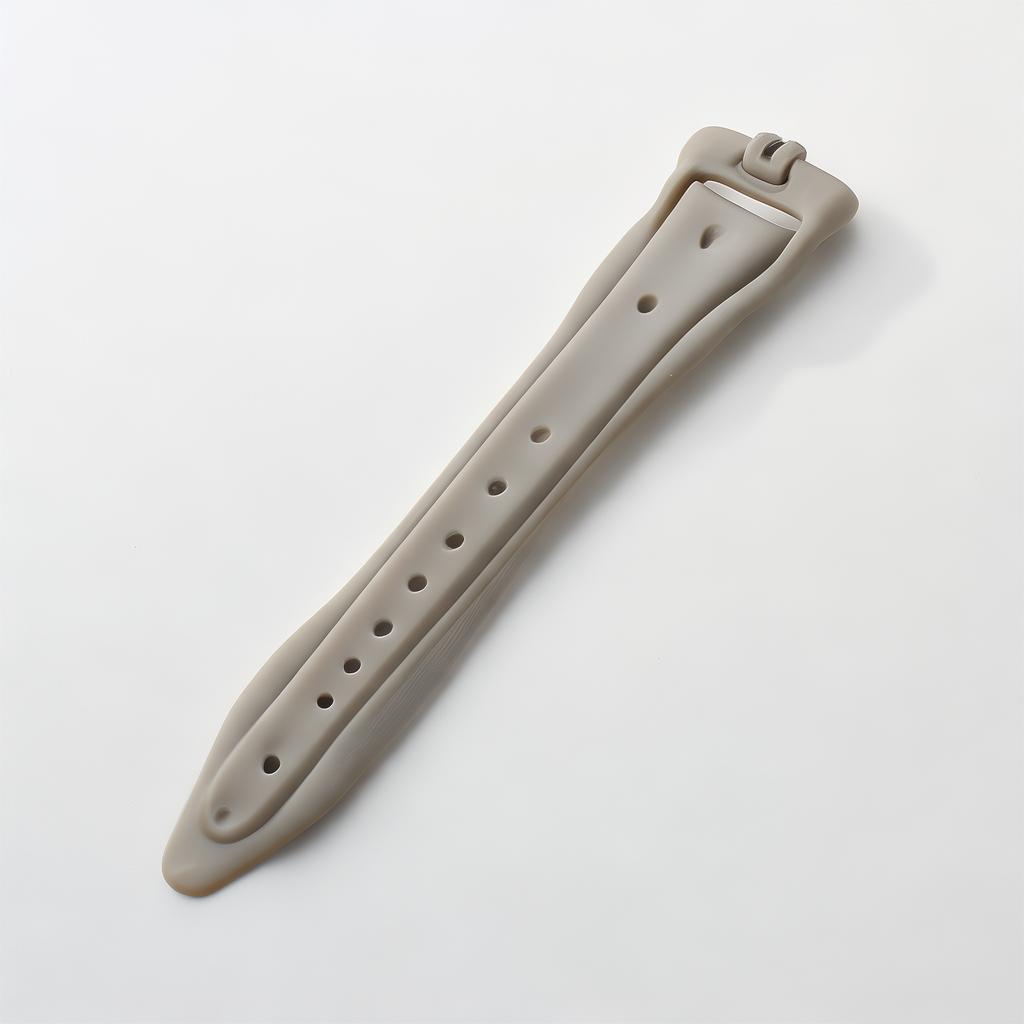
Precision automotive injection mold tooling increasingly relies on advanced materials such as liquid silicone rubber (LSR) and high-grade thermoplastics to meet performance and durability demands. LSR’s biocompatibility, UV stability, and heat resistance (up to 250°C in many formulations) make it ideal for automotive seals, gaskets, and soft-touch components.
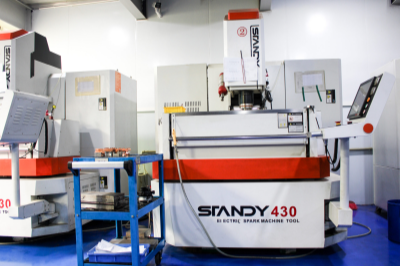
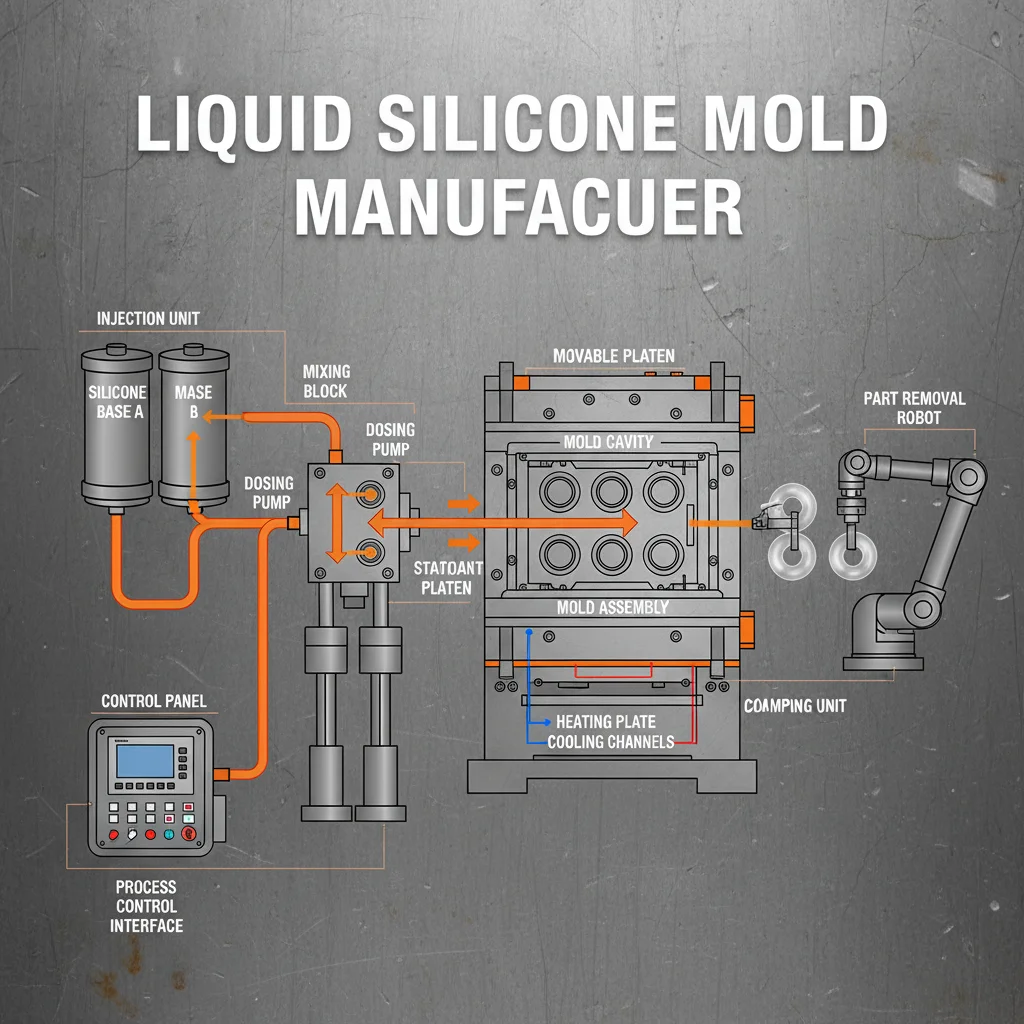
Our manufacturing facility leverages state-of-the-art liquid silicone molding machines and injection press technologies to handle complex multi-shot molding — often combining LSR with ABS, PC, or PA to produce overmolded assemblies in one seamless process. This integration supports:
Consistent molding cycle times optimized via CAE simulation studies using high-quality rheological data
Robust adhesion between silicone and plastics ensured by calibrated mold surface treatments and thermal profile management
Bubble and air entrapment minimization through vacuum-assisted mold designs, increasing dimensional consistency
Process waste reduction by employing cavity balancing and electrically discharged dressed mold inserts for airtight sealing
We monitor process parameters stringently — leveraging Industry 4.0 principles when possible — to balance productivity and quality. For instance, real-time injection pressure control and thermal cycle adjustments help us reduce defects and maintain repeatable part geometry, essential for automotive safety components.
Research papers such as the one published by MDPI highlight that precise material characterization methods critically influence mold filling predictions and curing uniformity, guiding our approach to simulation-driven mold development.
Our Injection Mold Product Advantages
End-to-end Mold Manufacturing: From CAD design to CNC machining, our expert tooling team delivers tight tolerance molds matched precisely to automotive-grade silicone requirements.
Industrial Chain Integration: With over 55 liquid silicone and 80 plastic injection molding machines, combined with ultrasonic welding and solvent bonding stations, we streamline production for OEM/ODM clients.
Material Versatility: We process a broad range of LSR grades plus complementary thermoplastics, enabling hybrid overmolding solutions often required for functional automotive parts.
Quality Certifications: Our facility maintains ISO 9001 and IATF 16949 certification compliance to back up process control and traceability.
Design for Manufacturability: Engineers collaborate closely with clients to optimize mold features, reduce cycle times, and improve part ejection for efficient downstream assembly.
Export Experience: Decades of global shipping knowledge ensure your molds and parts arrive on time and intact, with full customs compliance and container optimizations.
Application Scenarios in Automotive Manufacturing
Automotive injection molds we produce support many critical components, notably:
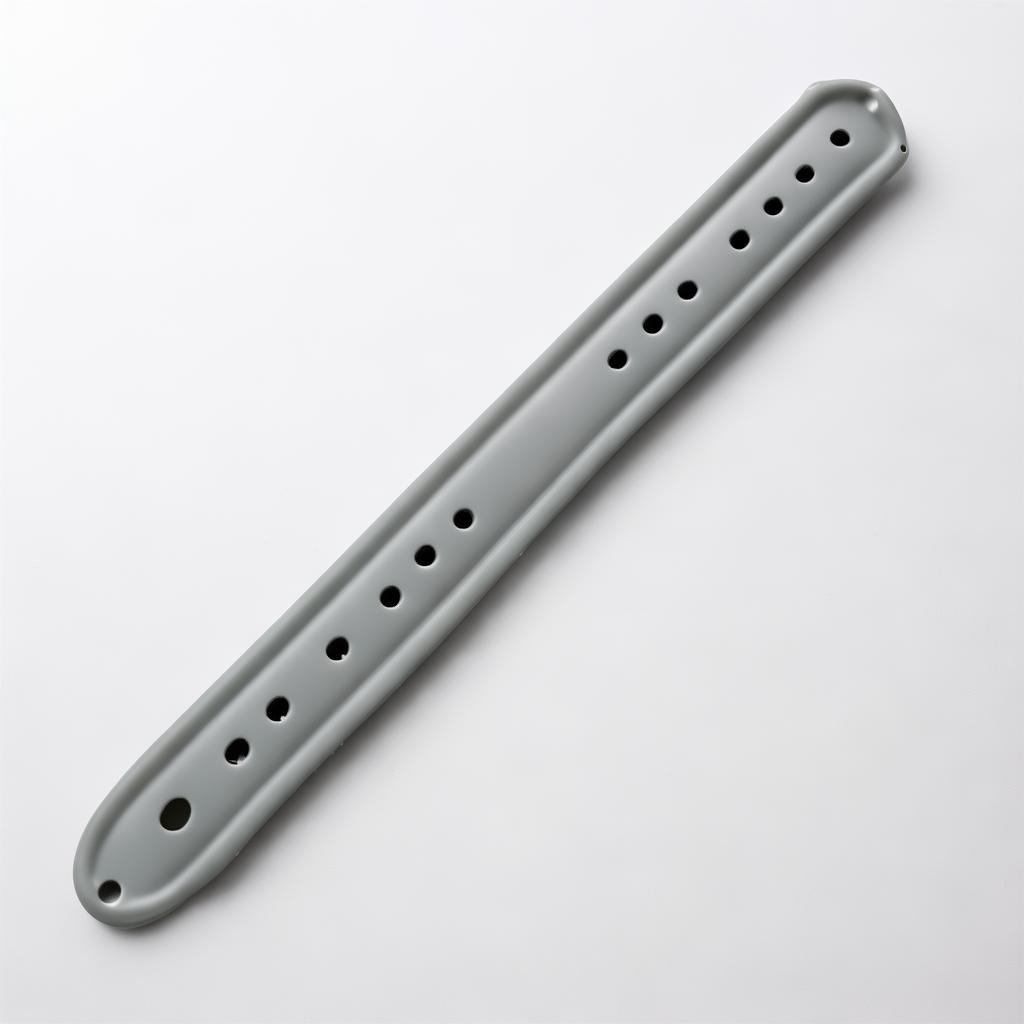
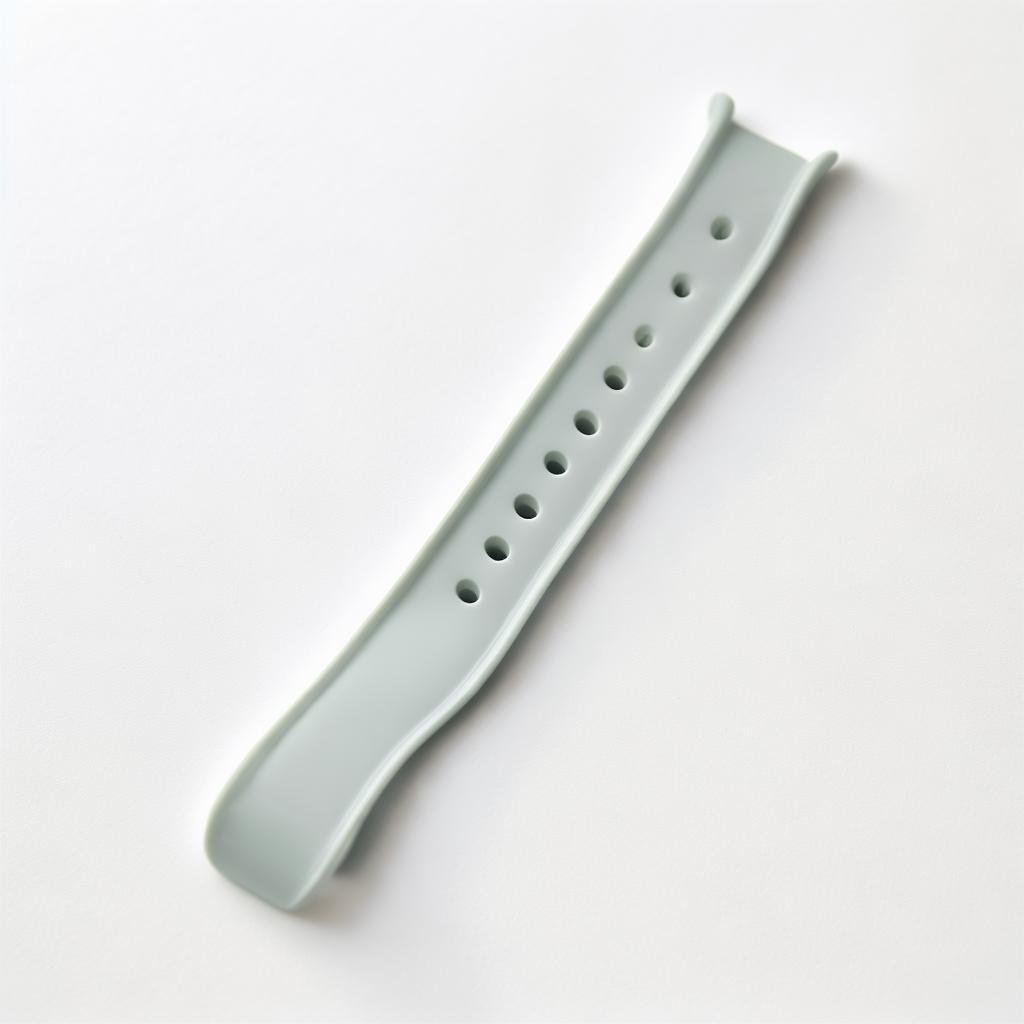
Sealing Systems: Door seals, trunk gaskets, and HVAC components requiring excellent elastic recovery and weather resistance.
Interior Components: Soft-touch dashboards, center console overlays, and control buttons with integrated silicone parts providing ergonomic comfort and durability.
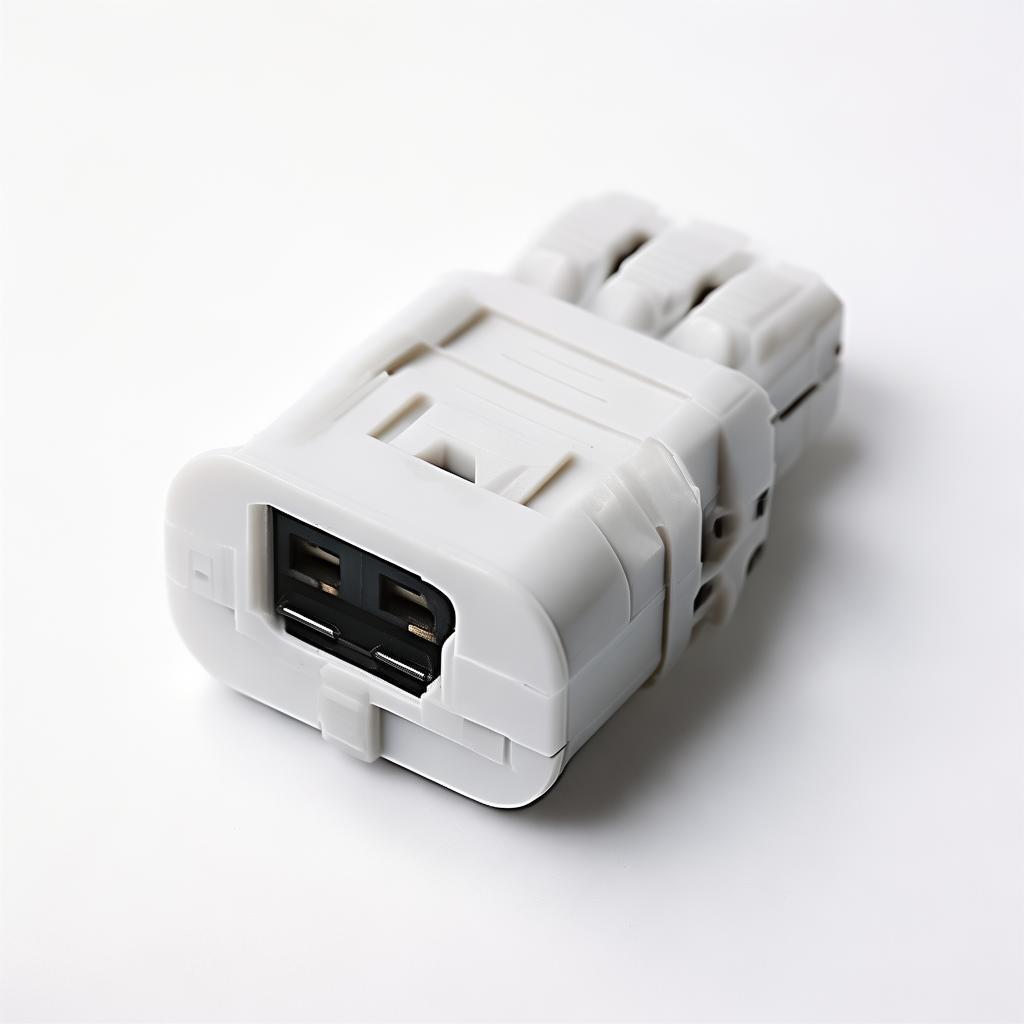
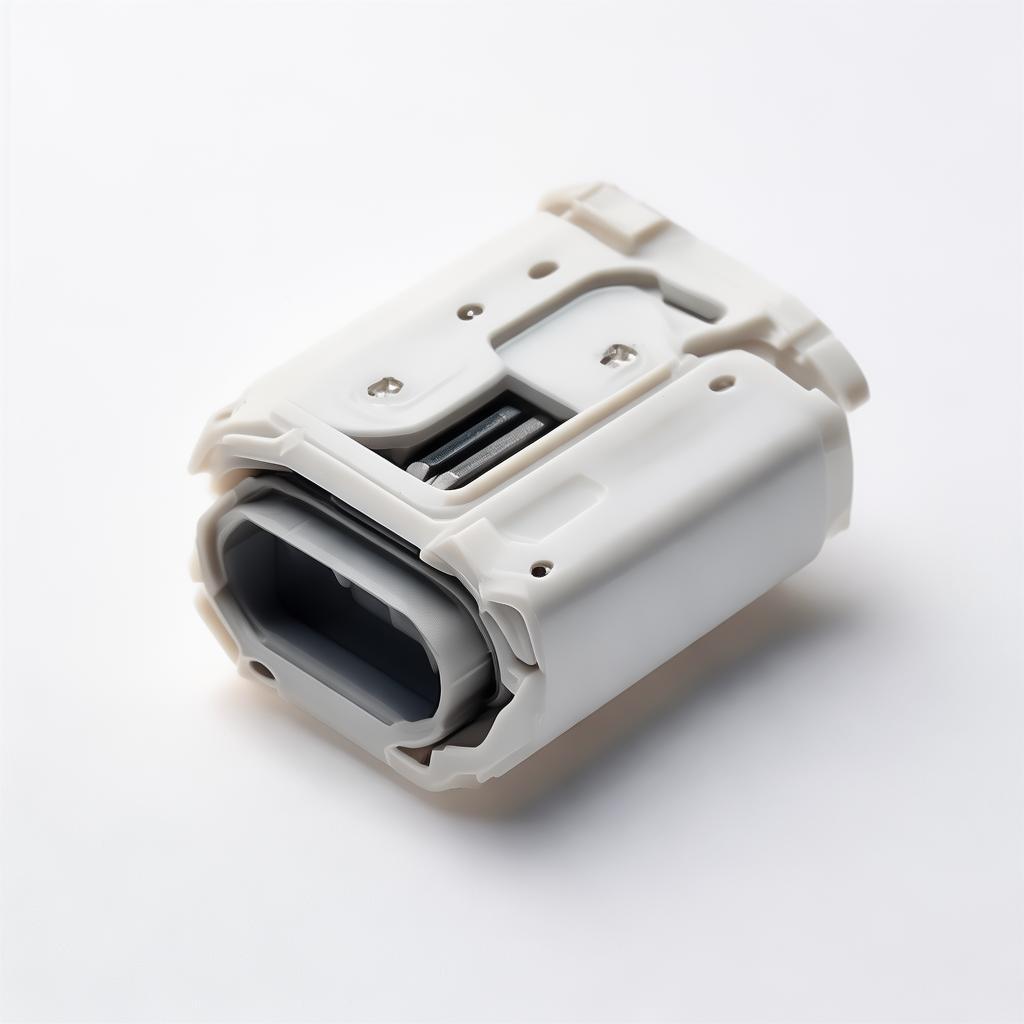
Engine & Transmission Parts: Silicone grommets, vibration dampers, and connector covers designed to withstand heat and chemical exposure.
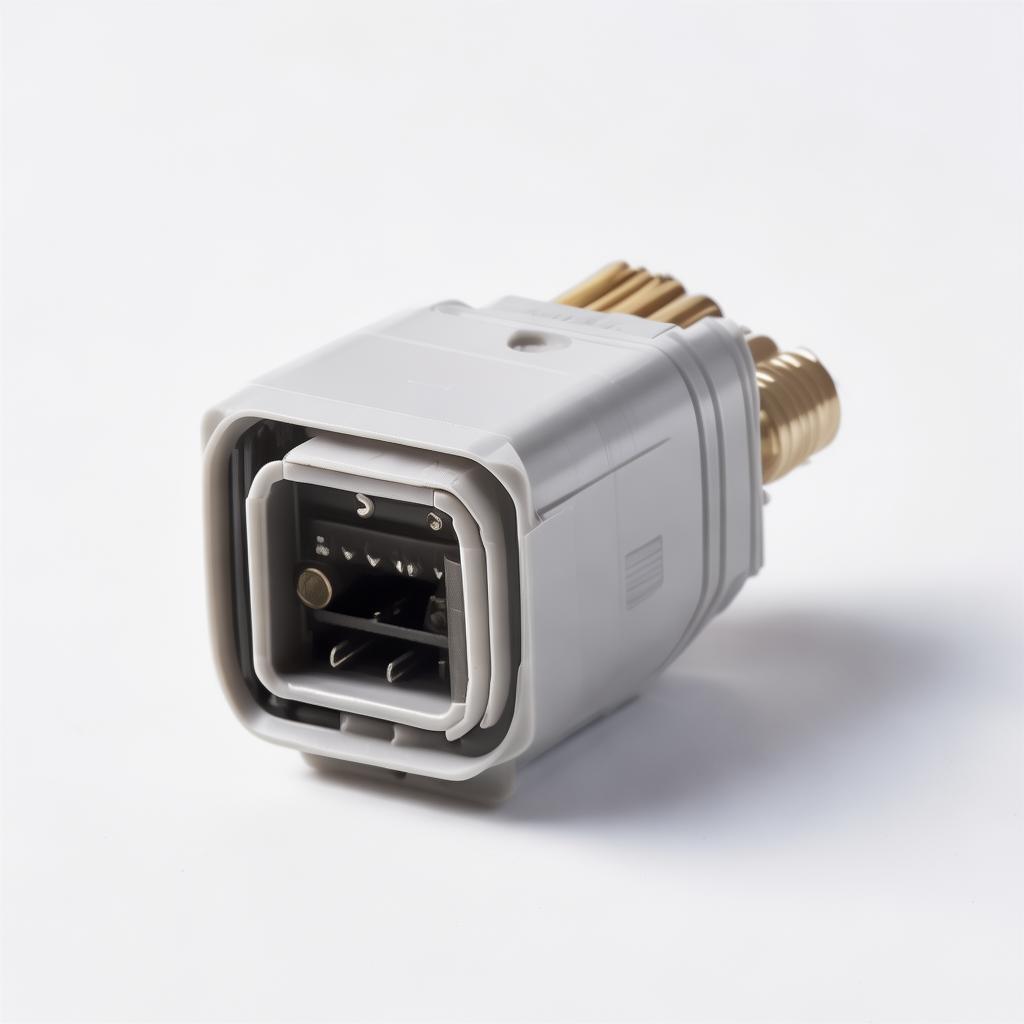
Electrical Overmolding: Protective silicone encapsulation of connectors and sensors ensuring IP67/IP68 ingress protection in harsh environments.
Our molds support high-volume production runs up to several million cycles and enable rapid prototyping for early-stage product validation, reducing your time-to-market. We specialize in multi-cavity molds with balanced flow channels to maintain dimensional consistency across large automotive batches.
Procurement Guidance & Supplier Evaluation
When sourcing automotive injection molds, a few critical procurement considerations can reduce risk and optimize value:
OEM/ODM Experience: Confirm the supplier has experience with automotive industry standards and has delivered molds compatible with your required silicone grades.
Quality Assurance: Look for documented compliance with automotive quality systems and access to testing methods such as DIM (Dimensional Inspection Measurement) and process capability indices (Cp, Cpk).
Lead Time Transparency: Agree upfront on realistic mold build durations. Mold design and build often take 6–10 weeks, especially for complex multi-shot tooling.
Material Validation: Ensure suppliers understand viscosity, curing kinetics, and thermal profiles specific to your LSR or thermoplastic compounds to avoid costly production delays after mold installation.
Logistics & Packaging: Discuss proper mold packing standards and container loading plans, especially for export to US-based assembly plants. Mold damage in transit can cause costly manufacturing downtime.
We recommend engaging multidisciplinary teams early — engineers, quality, and operations stakeholders — to review quotations and technical proposals holistically. Proper diligence reduces surprises and increases your procurement success rate.
For tailored supplier evaluation checklists or to talk with our engineering team, feel free to reach out — we provide practical factory audits and material recommendations.
Technical Specifications & Certification
Parameter
Standard / Value
Notes
Mold Material
H13 Steel / P20 Steel
Heat treatment for wear resistance
Mold Tolerance
±0.01 mm
Critical for automotive safety parts
Injection Pressure
800-1500 bar
Varies with part complexity
Cycle Time
15-60 seconds
Depends on material & part geometry
Certifications
ISO 9001, IATF 16949, CE
Compliance for automotive export
Material Types
LSR (Liquid Silicone Rubber), ABS, PC, PA
Supports overmolding and 2K injection
Frequently Asked Questions
What is the typical lead time to manufacture an automotive injection mold?
Lead times can vary significantly depending on mold complexity and production volume, typically ranging from 6 to 10 weeks. Rapid tooling may shorten timelines for prototypes but may not be suitable for high-volume, durable automotive molds.
How does liquid silicone rubber compare to solid silicone in injection molding?
LSR offers faster processing times, excellent flow characteristics, and superior biocompatibility. It's ideal for precision automotive parts requiring tight tolerances and durability. Solid silicone (HTV) molding suits lower-volume or simpler geometries but lacks the consistency and scalability of LSR injection molding.
Can you accommodate OEM and ODM projects?
Absolutely. Our engineering team specializes in OEM and ODM solutions, working closely with customers to develop molds tailored to specific automotive application requirements, material compatibility, and manufacturing constraints.
What logistics support do you provide for overseas shipments?
We offer full export packaging, including anti-corrosion protection for molds, secure crating, and container loading optimization. Documentation support for customs clearance and freight coordination ensure smooth delivery to North American ports.
Customer Reviews & Testimonials
"The injection molds provided by Guangdong Yingtai have significantly reduced our product development cycle. Their technical advice on LSR-material compatibility prevented what could have become an expensive tooling mistake."
Michael D., Procurement Manager, Detroit, MI
Get in Touch
If you have any camping barbeque equipment inquiry, please feel free to contact us.