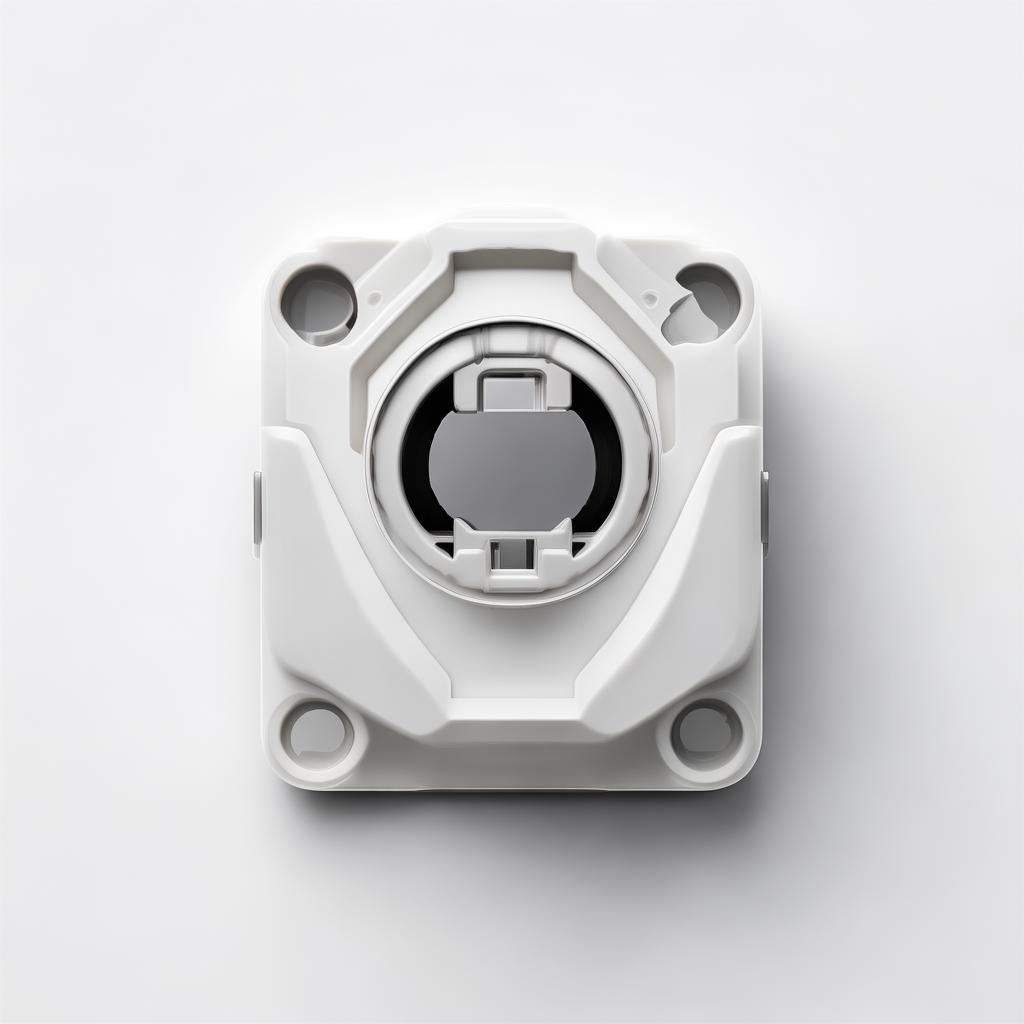
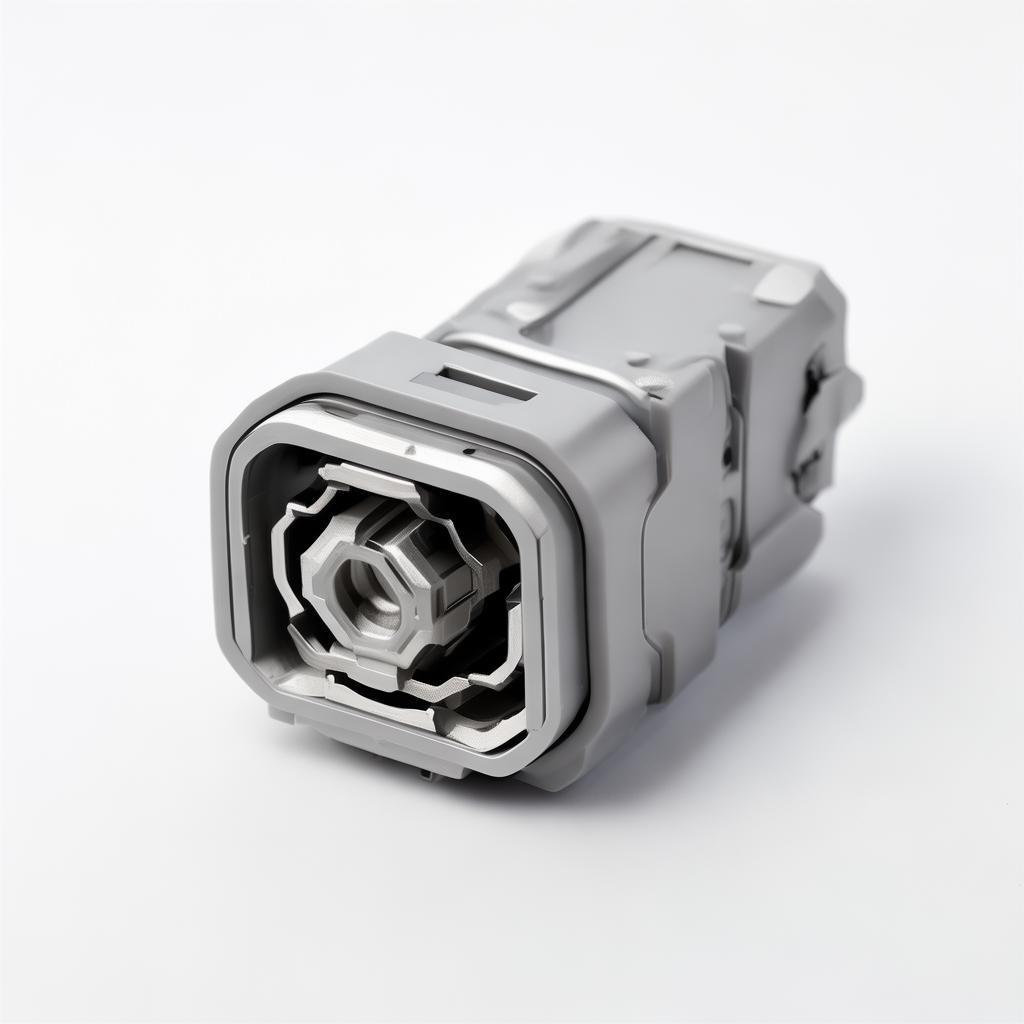
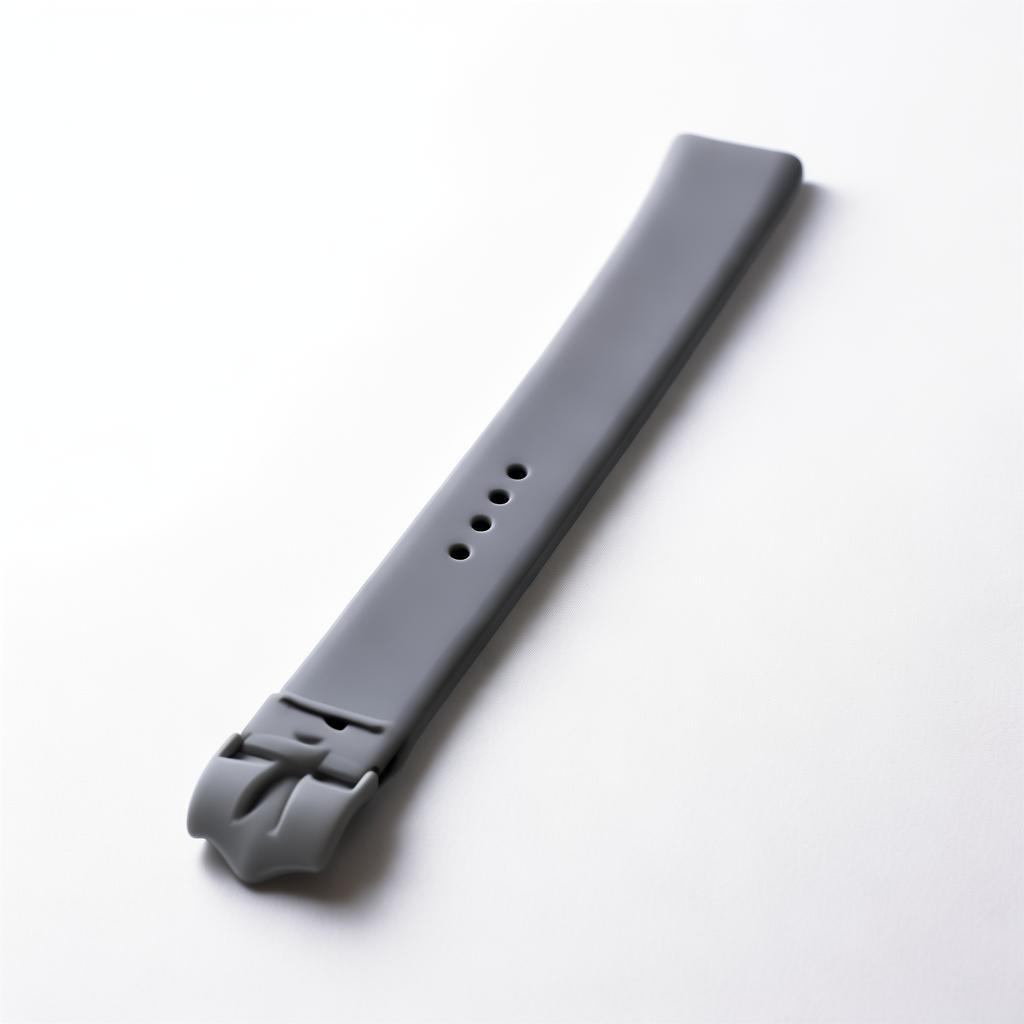
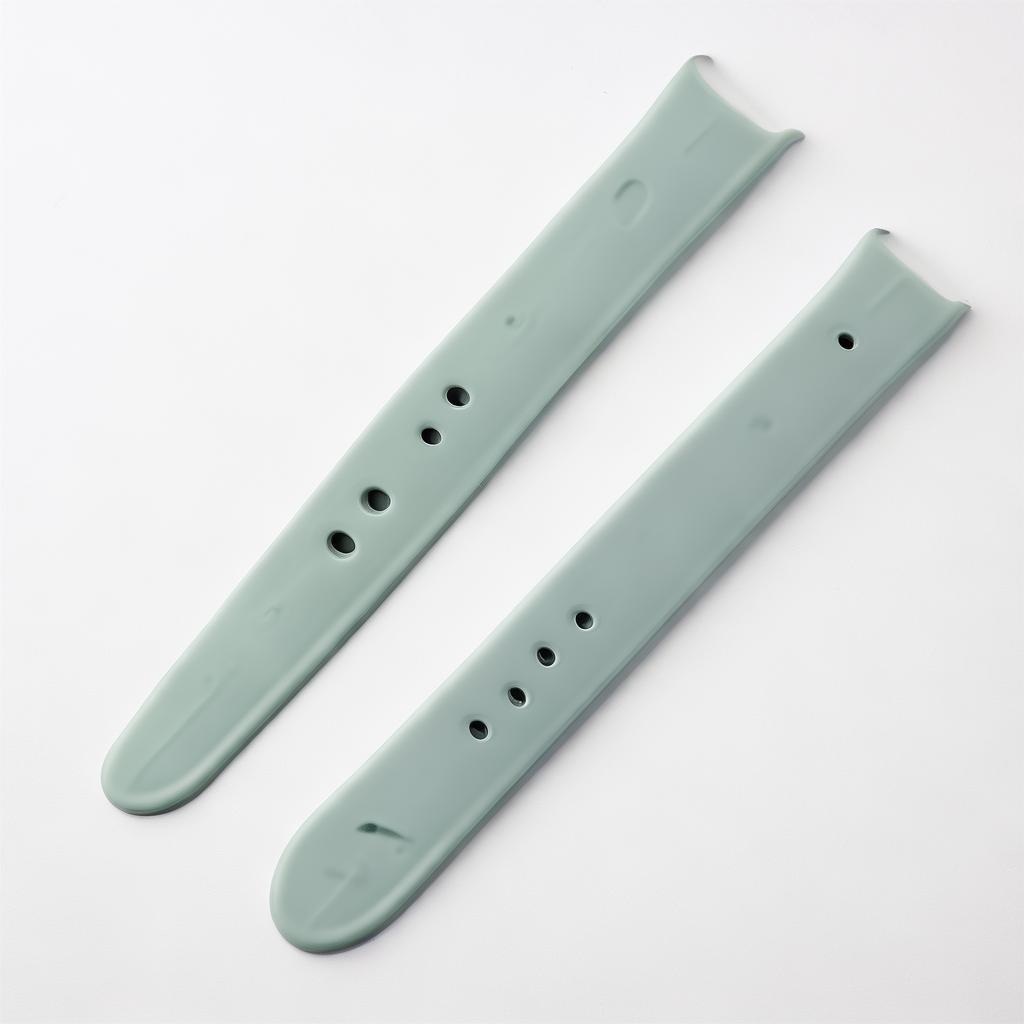
Comprehensive supplier insights, technical guidance, and procurement strategies for sourcing injection-molded automotive parts that meet quality, durability, and compliance demands. Anyone managing automotive injection molding procurement knows it’s a balancing act between tight tolerances,
Product Details
Automotive Injection Molding Companies: Precision Manufacturing for High-Performance Vehicle Components
Comprehensive supplier insights, technical guidance, and procurement strategies for sourcing injection-molded automotive parts that meet quality, durability, and compliance demands.
Industry Challenges and Procurement Pitfalls
Anyone managing automotive injection molding procurement knows it’s a balancing act between tight tolerances, regulatory compliance, and cost-efficiency. The automotive sector demands parts that not only fit precisely but must also withstand harsh environmental stresses — temperature swings, mechanical vibrations, UV exposure, and chemical corrosion.
Common procurement challenges include:
Lead time uncertainty: Delays ripple across assembly lines and downtime can cause multi-thousand-dollar losses.
Material inconsistencies: Variations in resin blends or improper silicone grades can jeopardize sealing, flexibility, or durability conformity.
Quality assurance gaps: Many suppliers lack thorough ISO/TS/IATF certifications or robust testing protocols, increasing scrap rates or warranty claims.
Inadequate technical collaboration: OEM engineering teams frequently find it difficult to communicate exact molding requirements, leading to mismatched product expectations.
For example, some procurement directors fail to account for the nuances of liquid silicone rubber (LSR) versus thermoplastic elastomers (TPE) material properties—fundamental when determining component lifespan or chemical resistance for engine bay applications. Equally significant are production workflows and after-sale support that often influence operational downtime and cost over the product lifecycle.
Remember: Choosing the right injection molding partner isn’t just about price or capacity — it’s about technical compatibility, process repeatability, and supply chain alignment.
Technical Overview: Materials & Processes
Injection molding for automotive parts comprises an array of materials and techniques, each chosen to optimize specific performance criteria, including mechanical strength, surface finish, and chemical resistance.
Key Materials
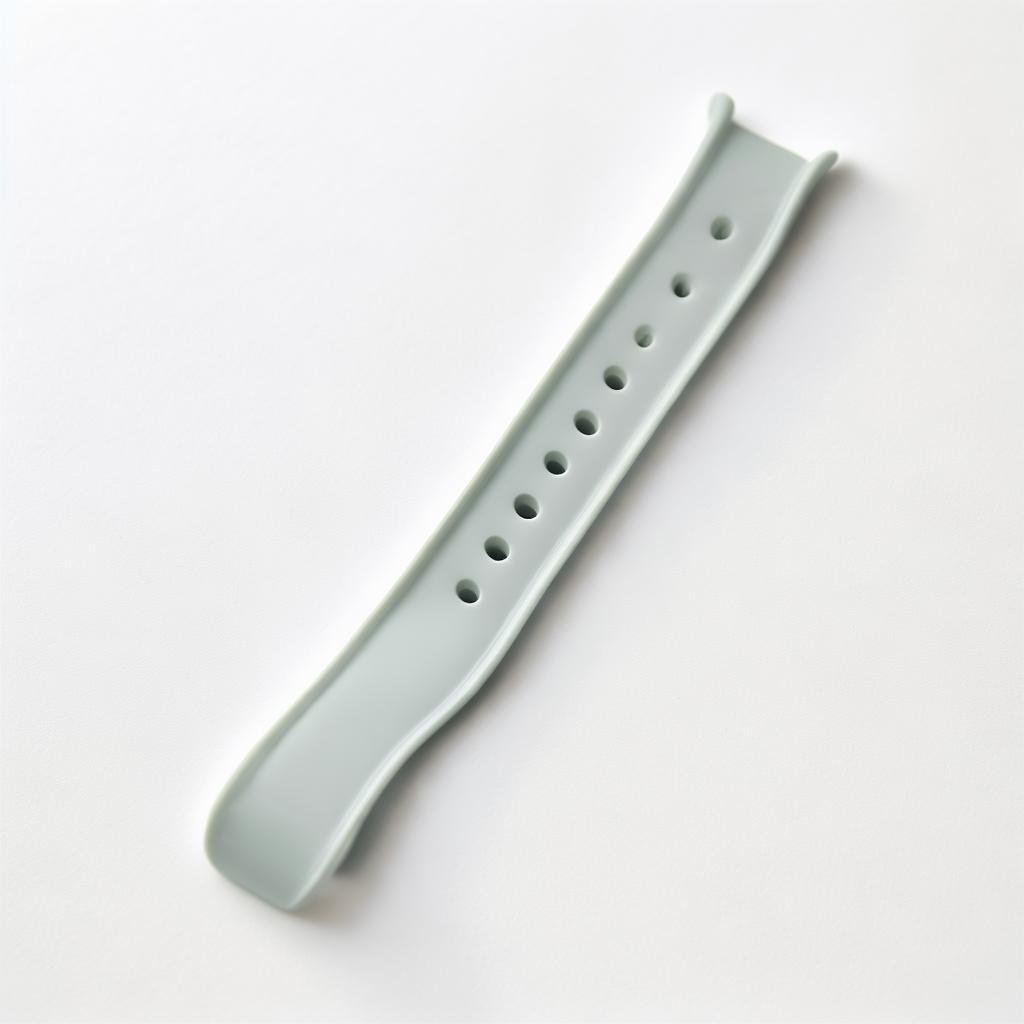
Liquid Silicone Rubber (LSR): Ideal for high-temperature resistance, flexibility, and biocompatibility. LSR is increasingly prevalent in sealing systems, gaskets, and vibration dampening parts. The market expands robustly (8-9% CAGR projected through 2035) due to LSR’s unparalleled chemical and thermal stability. (Source: Grand View Research, 2023-2035)
Polypropylene (PP) and Polyamide (PA): Widely used thermoplastics offering corrosion-resistance and lightweight necessary for structural components.
Thermoplastic Elastomers (TPE): Provide elasticity combined with durability for interior parts and protective covers.
ABS composites: Favored in dashboards, trims due to impact resistance and surface finish capabilities.
Production Methods
Standard Plastic Injection Molding: Efficient for high-volume thermoplastic components with rapid cycle times and consistent quality.
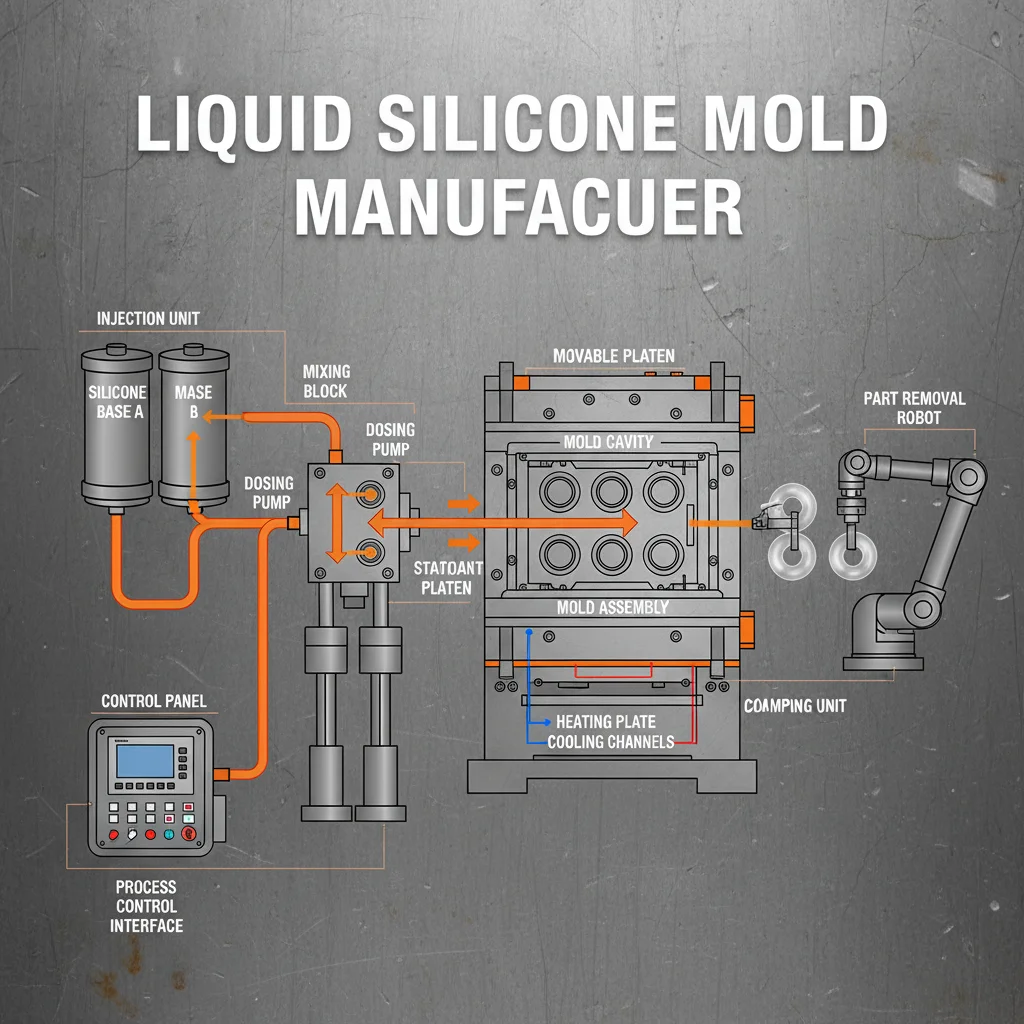
Liquid Silicone Injection Molding: Requires specialized molds and machines capable of precise temperature controls and curing cycles to prevent common pitfalls such as bubbling or incomplete curing. Advanced CAE simulations now help optimize flow and thermal profiles, reducing defects. (See research from MDPI and Fraunhofer institutes.)
Overmolding & Multi-Component Molding: Combining different materials — such as LSR over rigid substrates — provides hybrid functionality (soft touch with structural integrity), increasingly seen in automotive interiors and safety components.
Standards & Compliance
ISO/TS 16949: Automotive-specific quality management systems standard.
RoHS and REACH: Material safety and chemical compliance for EU/US markets.
UL and CE Certifications: Certifications ensuring fire retardancy and electrical compliance when applicable.
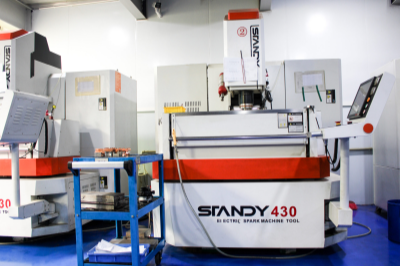
Modern injection molding lines at Guangdong Yingtai's industrial park, Dongguan.
Why Choose Automotive Injection Molding?
Injection molding excels in delivering high-volume, precision-molded automotive components with repeatable quality and superior material performance. Here’s what makes it stand out:
Feature
Benefit for Automotive Parts
Complex Geometry
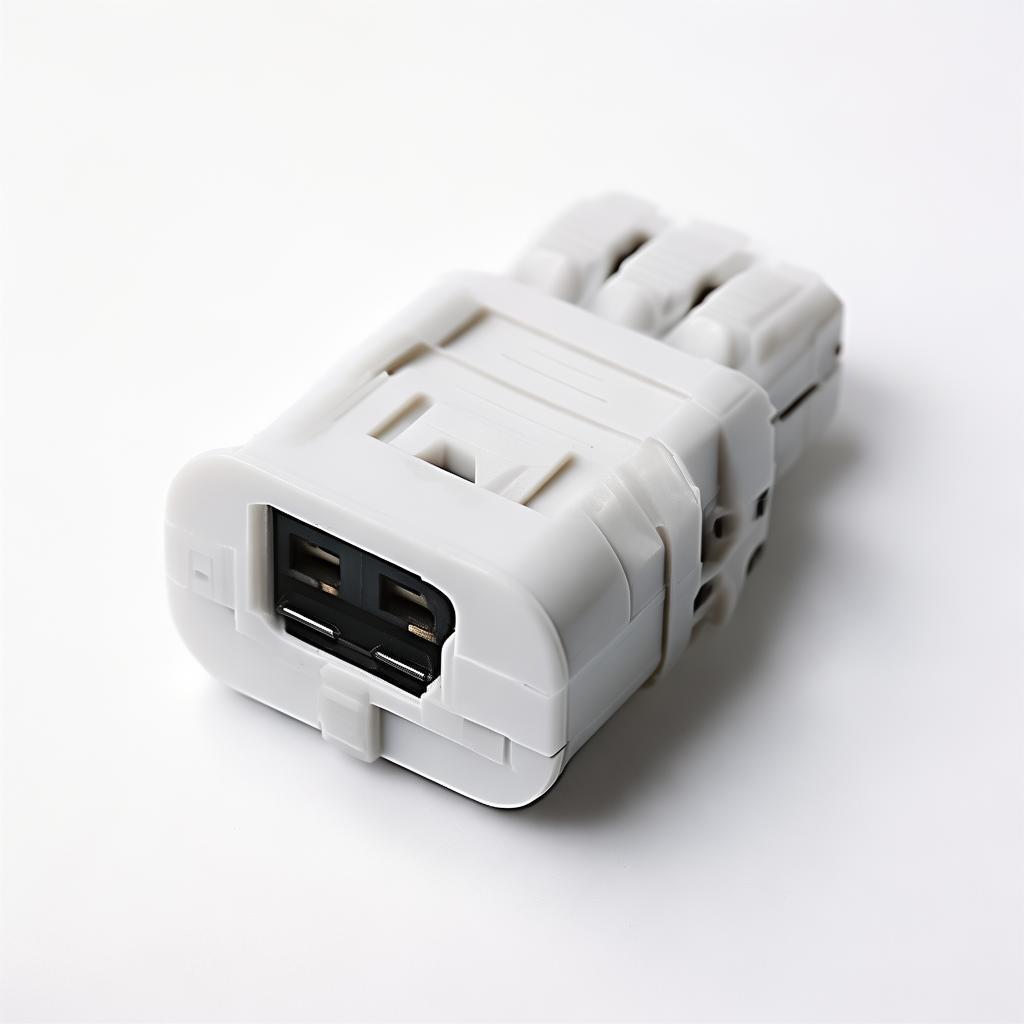
Produce intricate seals, clips, and dashboard components in one go, reducing assembly steps.
Material Versatility
Works with diverse materials from rigid plastics to flexible LSR enhancing performance under engines’ thermal, chemical stress.
Cycle Time Efficiency
Short mold cycles accelerate time-to-market without compromising tolerance or surface finish.
High Repeatability
Consistent quality machining minimizes defects and warranty returns.
OEM & ODM Project Support
Custom tooling and molds tailored for client-specific automotive parts with ISO and IATF compliant workflows.
A procurement note: keep an eye on lead times driven mainly by mold development cycles. Investing upfront in 3D prototype samples and supplier-led process simulations saves headaches down the road.
Certifications & Factory Capabilities
Guangdong Yingtai High Precision Technology Co., Ltd.—a leader in the automotive injection molding field—is headquartered in Dongguan’s industrial hub and possesses strong industrial capabilities:
35,000 sqm facility equipped with 55 liquid silicone molding machines and 80 plastic injection machines.
Advanced testing instruments ensuring precision tolerances and material compliance.
Manufacturing chain covers everything from mold development to final assembly, reducing handoff errors.
Team of over 500 skilled personnel providing OEM/ODM customization services.
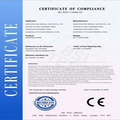
Certifications: ISO 9001, ISO/TS 16949, CE, RoHS, and FDA compliance for applicable parts.
Guangdong Yingtai's key industry certifications.
Suppliers’ capability to handle strict certification compliance significantly reduces product rejection during integration testing, especially for critical automotive safety or environmental parts.
Operational insight: Local and regional regulations—like EPA emission norms or NHTSA safety standards—need reviewing before material selection and molding specifications.
Logistics & Installation Considerations for Automotive Parts
Understanding the shipment and post-delivery handling of injection-molded automotive parts is often underestimated yet critical. Manufacturing precision can be negated by poor transit logistics or suboptimal installation environments.
Key points to note include:
Container loading optimization: Injection molded components can benefit from nesting and packaging solutions to reduce damage risk. Molded seals and flexible parts especially need protection against compression deformation during transit.
Lead time planning: Marine freight rhythm and customs clearance for bulk shipments often causes waiting periods. Engaging suppliers for exact shipment master data including HS codes and export licenses helps mitigating demurrage costs.
Installation environment: Training installers on handling molded parts avoids common installation damages—excessive stretching of silicone gaskets or exposure to solvents altering material properties.
Maintenance guidance: Components exposed to automotive fluids require periodic inspections for abrasion or hardening, which affect sealing performance and vehicle safety.
Note on warranty claims: Improper storage or installation is one of the leading causes of field failures reported by manufacturers. Suppliers offering detailed technical documents and direct support on-site consistently reduce returns.
Procurement Guidance & Supplier Evaluation
Automotive OEM buyers tasked with vetting injection molding companies should adopt an analytical approach beyond quotes and delivery promises.
Material Expertise: Evaluate company’s familiarity with automotive-grade polymers, LSR, and multi-shot processes.
Tooling Capabilities: Check if the factory owns mold manufacturing or partners with high-precision toolmakers.
Process Transparency: Request supply chain mapping and defect rate reports.
Sample & Prototyping: Insist on rapid iteration with working prototypes to validate design feasibility.
Communication & Support: Supplier responsiveness and engineering collaboration often dictate project success.
Logistics Experience: Knowledge of container loading optimization and customs protocols reduces risk of shipment damage or delay.
Red flag: Suppliers offering only plastic injection capabilities but lacking proven LSR or multicomponent molding experience might struggle with increasingly complex automotive materials.
For a tailored evaluation checklist and to check OEM options for your next project, feel free to talk with our engineering team.
Buyer FAQs
Q: What are typical lead times for automotive injection molded parts?
Generally, initial mold development takes 6-10 weeks, followed by production runs taking 2-4 weeks depending on order quantity and complexity. Expedited tooling options may be available at a premium.
Q: How does Guangdong Yingtai assure dimensional accuracy?
Through pre-production PFMEA, CAD-integrated CAE simulations, and advanced metrology using CMM instruments, Yingtai minimizes dimensional variances within +/- 0.02 mm tolerances typical for automotive parts.
Q: Can overmolded products combine LSR with rigid plastics?
Yes, multi-component injection molding allows LSR to bond over ABS or polyamide substrates. Proper surface treatment and process parameters ensure durable adhesion suitable for automotive seals or soft-touch components.
Q: What environmental standards do materials meet?
Most suppliers conform to EU REACH and RoHS requirements; automotive-grade LSR meets heat and chemical resistance per SAE J200 and ASTM D2000 standards.
Q: How should parts be stored before installation?
Store in temperature-controlled, low-humidity environments away from direct sunlight or solvents. Avoid stacking heavy items that could deform flexible silicone parts.
Q: How can I request a free sample or catalog?
Contact Guangdong Yingtai directly via email zmm@yingtai168.com or WhatsApp at +86 17722437688 to request samples or technical data.
Customer Reviews & Real-World Insights
Carlos M., Procurement Director, Michigan
“Our team at a Tier 1 supplier appreciated Guangdong Yingtai’s ISO 16949 certification and quick turnarounds on prototype LSR gaskets. They were accommodating with material substitutions and understood automotive thermal requirements deeply. A partner we trust for recurring orders.”
Get in Touch
If you have any camping barbeque equipment inquiry, please feel free to contact us.