

Premium Automotive LSR Parts: Precision Meets Durability
Serving Purchasing Managers, Procurement Teams & Engineers Globally
Understanding Automotive LSR Parts
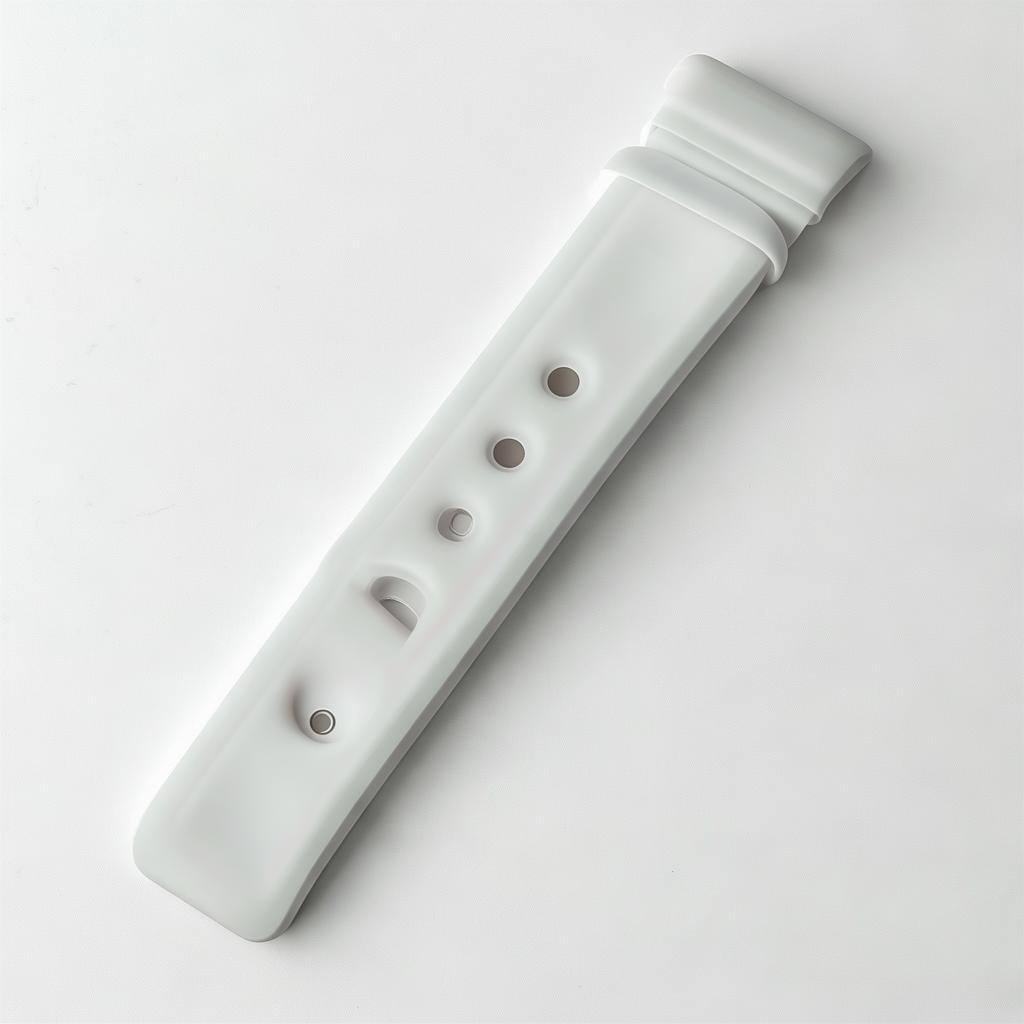
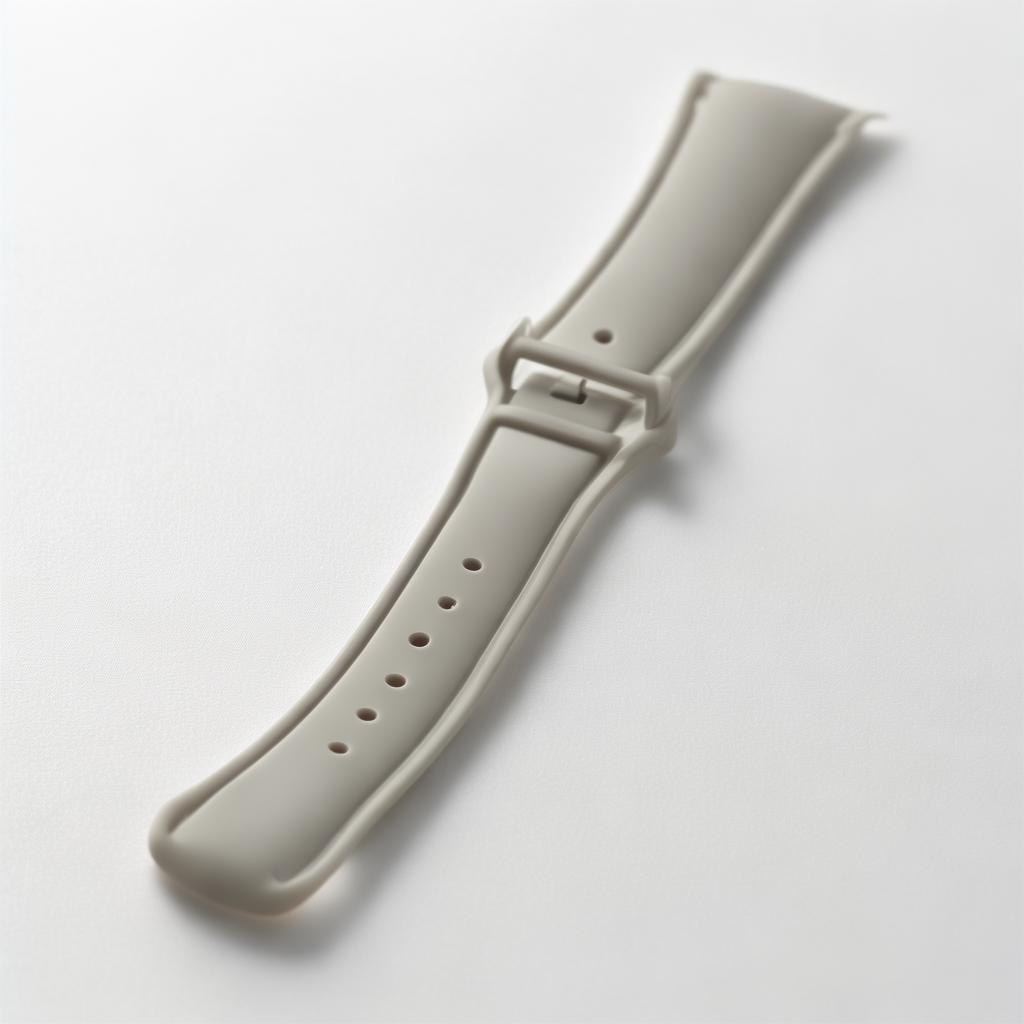
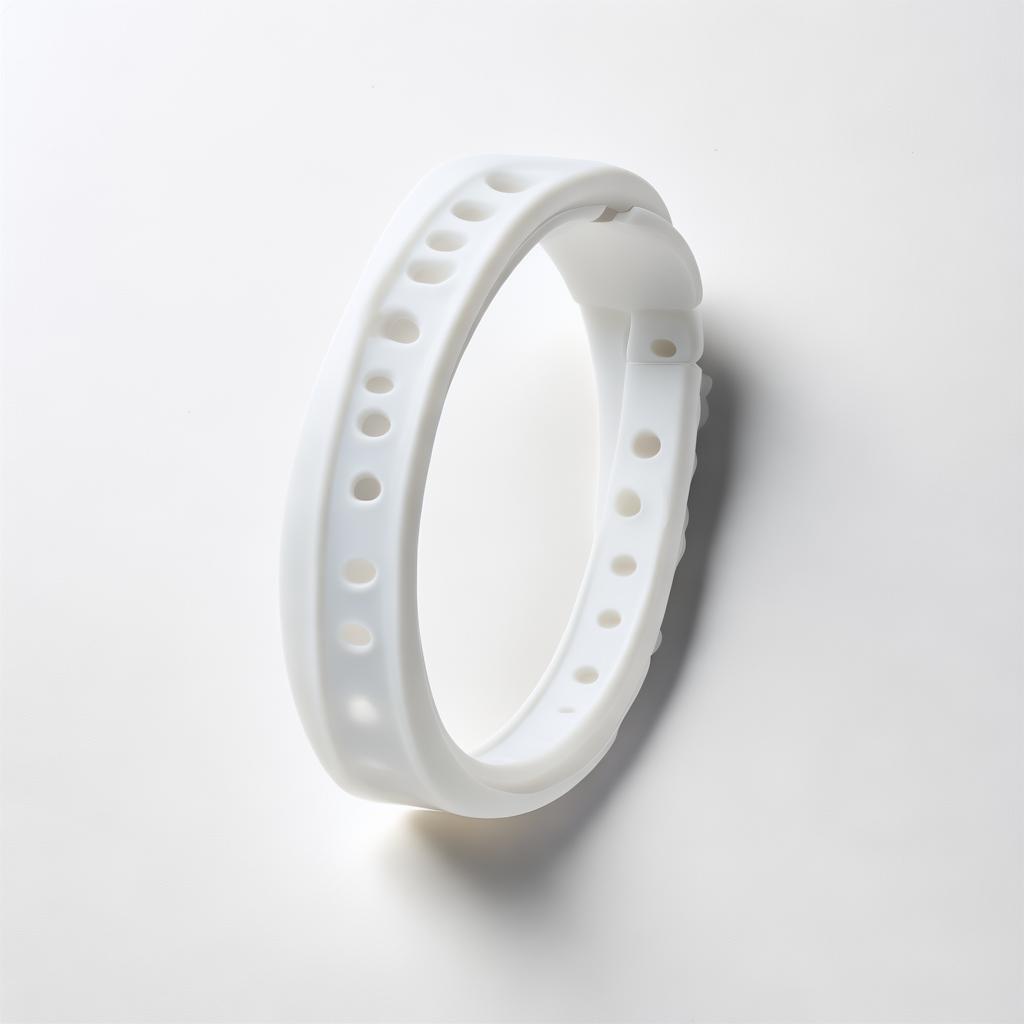
Automotive Liquid Silicone Rubber (LSR) parts are increasingly becoming a cornerstone in modern vehicle manufacturing. These components balance flexibility, resilience, and precision that traditional materials struggle to match. Engineered through liquid injection molding, LSR products precisely fit stringent industry standards such as ISO 9001 and automotive-specific regulations, ensuring long-term durability and exceptional thermal resistance.
What sets automotive LSR parts apart is their unique chemical and mechanical properties. Offering resistance to extreme temperatures ranging from -60°C to +230°C, LSR components maintain their shape, elasticity, and sealing capabilities under intense mechanical stress and chemical exposure from oils, fuels, and antifreeze fluids. Their biocompatibility and low toxicity further ensure safety in cabin and under-hood applications.
The market for automotive LSR parts is growing in tandem with the global demand for lightweight, high-performance automotive solutions. According to the Liquid Silicone Rubber Market Size Report, 2030, the LSR market is expected to reach nearly USD 5 billion by 2030, driven largely by powertrain seals, gaskets, and sensor housings in electric and hybrid vehicles. This growth is boosted by innovations in injection molding technology enabling compact, multi-material assemblies that optimize space and function in limited automotive part designs.
From an operational standpoint, incorporating LSR parts can reduce the frequency of maintenance and replacement cycles. This is critical for procurement managers focused on minimizing downtime and optimizing total cost of ownership. However, sourcing reliable LSR parts suppliers with proven mold-making capabilities and robust quality testing protocols remains challenging. Proper material selection, tooling expertise, and logistics strategies are essential for successful adoption.
In this comprehensive article, we peel back layers of complexity around automotive LSR parts — from technical material insights and production workflows to procurement guidance and quality assurance. Whether you're an experienced purchasing manager or a technical engineer, you will find actionable advice grounded in on-the-floor manufacturing realities.
Industry Pain Points & Challenges
- Mold Tooling Complexity: Designing precision molds for complex LSR parts is capital-intensive and time-consuming, often leading to delays in prototype-to-production cycles.
- Material Compatibility Issues: In multi-material overmolding scenarios, ensuring optimal bonding between LSR and thermoplastics like ABS or polycarbonate can often fail without expert process control.
- Quality Defects: Common defects such as flash, bubbles, and incomplete fill occur when venting and curing parameters are inadequately managed, increasing scrap and production costs.
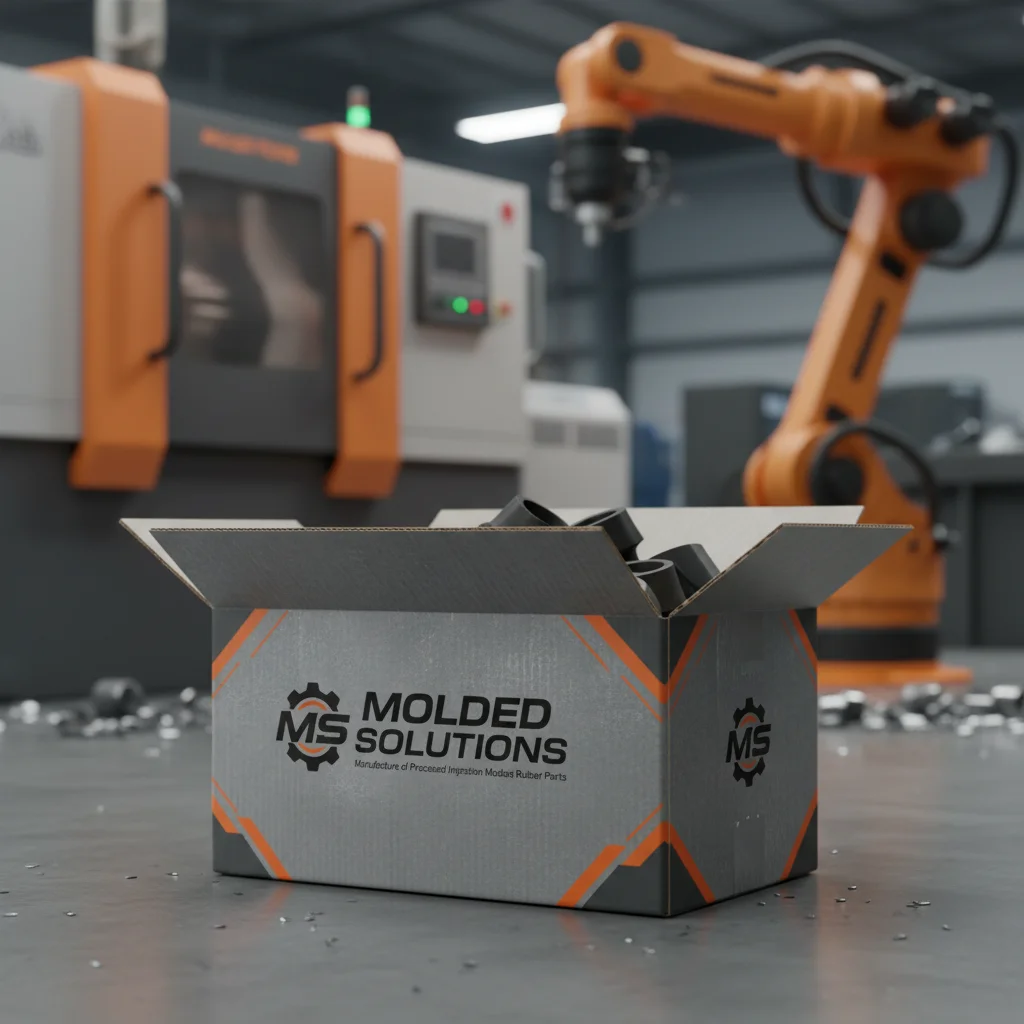
- Logistics Constraints: Large batch sizes and delicate packaging requirements for LSR parts demand sophisticated container loading and shipping protocols to prevent deformation during transit.
- Supply Chain Risks: Heavy reliance on overseas manufacturing and single-source suppliers exposes procurement teams to lead time volatility and geopolitical risks.
Observing these challenges directly on the production floor remains essential. Many purchasing managers find early-stage supplier audits and factory visits invaluable for gauging capabilities and risk mitigation plans.
Technical Deep Dive: Materials & Process
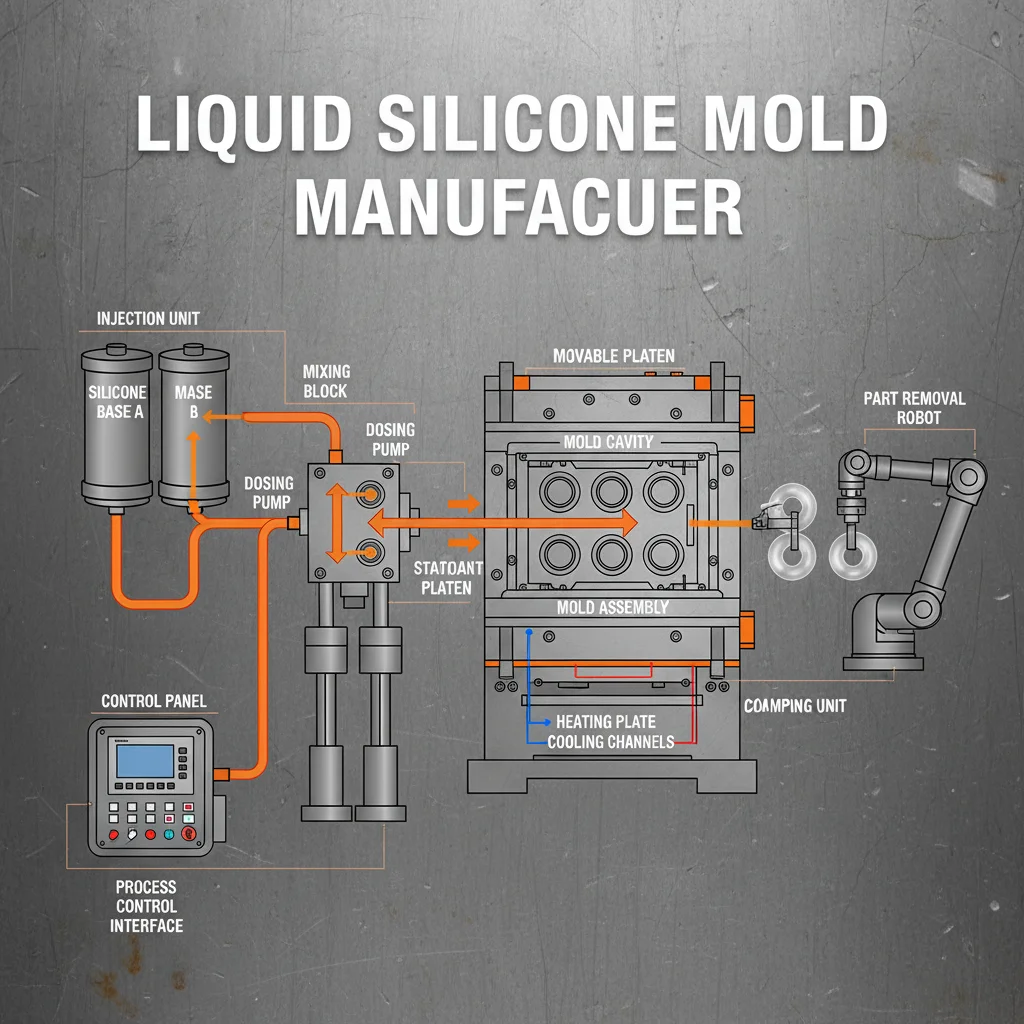
At the heart of automotive LSR parts production lies liquid silicone rubber's unique chemical structure — a high-purity polymer with excellent oxygen and ozone resistance. Its two-component injection molding involves precise dynamic mixing of base polymer and curing agent, injected into steel molds heated between 150°C and 200°C to achieve rapid vulcanization.
Unlike traditional rubber, Liquid Silicone Rubber boasts:
- Exceptional thermal stability: maintaining integrity from extreme cold to high under-the-hood temperatures
- Outstanding chemical inertness: resisting automotive fluids, oils, brake fluids, and environmental contaminants
- High tear and tensile strength: ensuring long service life even under cyclic mechanical stress
Based on recent industrial studies, precise material characterization and molding simulations have improved to reduce defects by enabling better control of viscosity and curing kinetics during injection. Adopting advanced CAE (Computer-Aided Engineering) simulations allows manufacturers to shorten development cycles while maintaining dimensional accuracy.
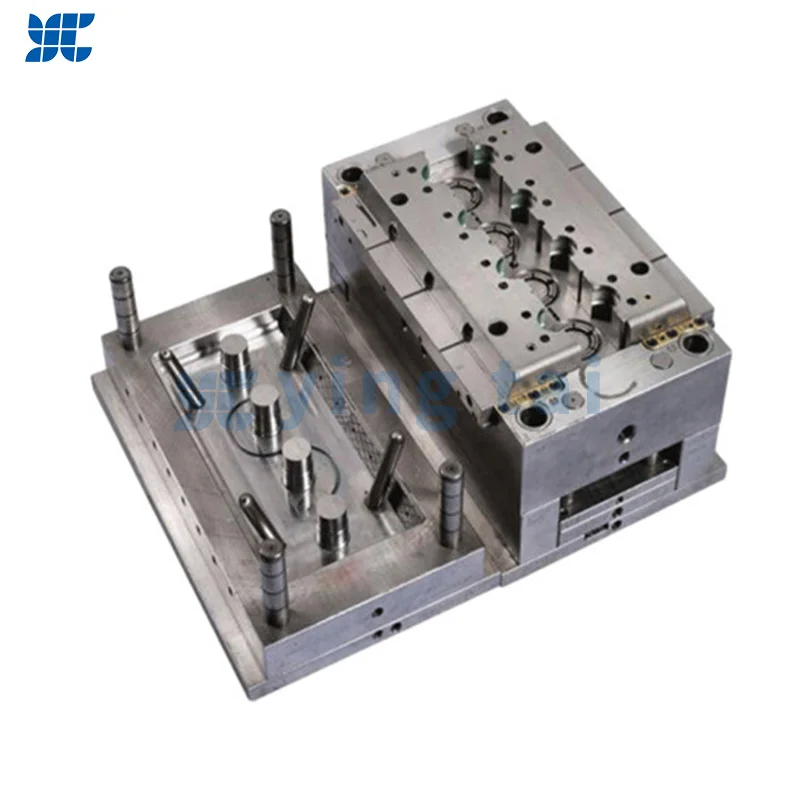
The mold tooling remains one of the largest CAPEX items. Manufacturers use corrosion-resistant stainless steel molds with precision cavities furnished by electrical discharge machining (EDM) and polishing. Venting systems are designed carefully to avoid flash defects yet support air evacuation; subtle missteps here lead to costly scrap.
| Technical Parameter | Typical Range / Value | Notes |
|---|---|---|
| Injection Temperature | 160°C - 180°C | Determines curing speed; varies with LSR grade |
| Curing Time | 30-90 seconds | Optimized per cavity size and design complexity |
| Tensile Strength | 7–12 MPa | Industry standard for automotive sealing applications |
| Compression Set (70h @ 175°C) | 15–25% | Indicates long-term sealability |
OEM lsr parts wholesale lsr parts manufacturer automotive silicone parts
Procuring buyers should confirm that suppliers use precise rheological data as inputs to their molding simulations. This ensures dimensional tolerances critical for interfacing parts like fuel injector seals and sensor boots.
Why Choose LSR for Automotive Parts?
- Superior Heat Resistance: Withstands under-hood temperatures that frequently exceed 200°C without degradation.
- Low Compression Set: Ensures critical seals maintain performance over vehicle lifespan, reducing leak risks.
- Chemical Inertness: Resistant to automotive fluids such as engine oil, grease, and fuel additives crucial for longevity.
- Design Versatility: Injection molding allows intricate geometries and multi-material overmolding, often impossible with conventional rubber.
- Biocompatibility & Safety: Ideal for interior comfort components, including HVAC seals and soft-touch interiors.
- Recyclability & Compliance: Many LSR grades meet stringent automotive and environmental standards (e.g., REACH compliant), supporting sustainability initiatives.
Equally important is that efficient LSR injection molding shortens production lead times and reduces labor intensiveness typical of compression molding. This operational edge translates to more agile supply schedules—a crucial factor in just-in-time automotive supply chains.
Key Automotive Applications
Across the automotive industry, LSR finds a broad range of applications including but not limited to:
- Sealing Components: Fuel injector seals, valve stem seals, O-rings, gaskets, and door/window gaskets.
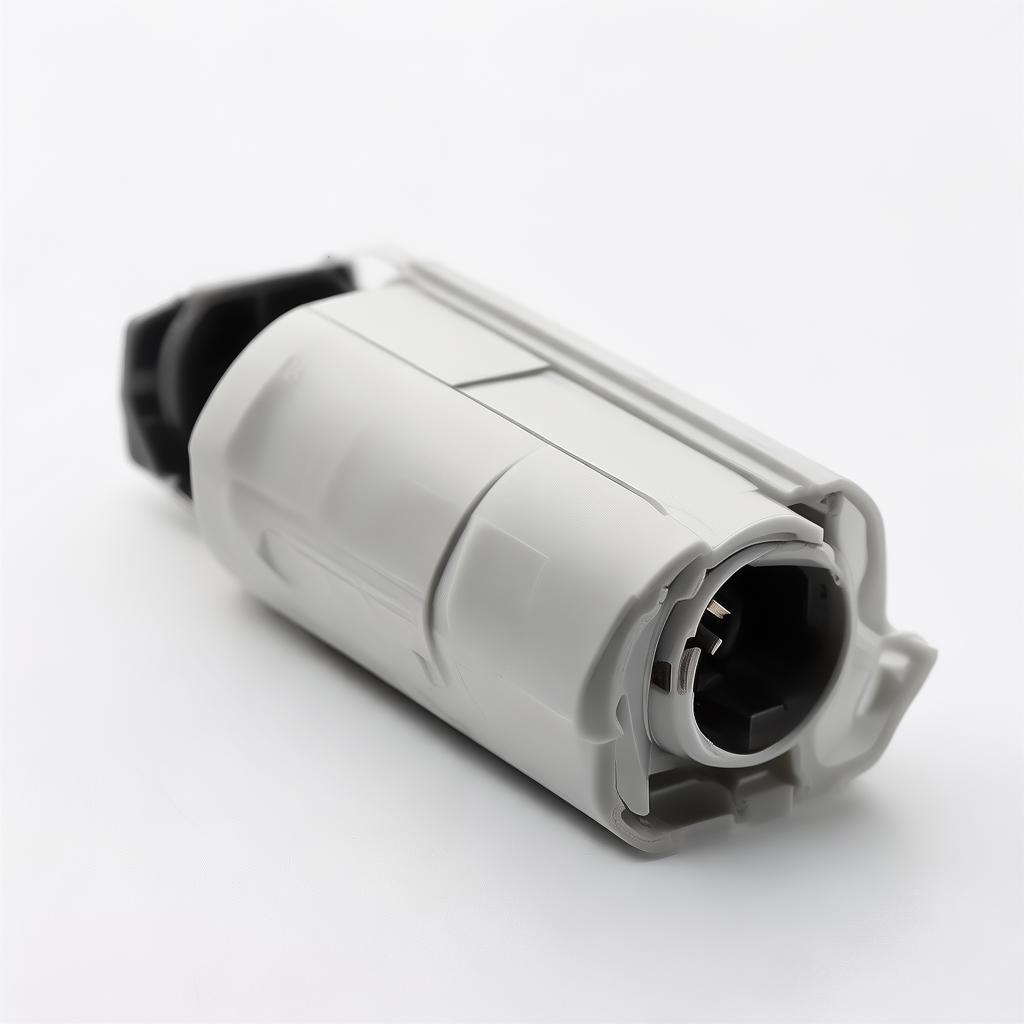
- Protective Covers & Boots: Sensor boots, connector seals, and wire harness overmolds improving electrical insulation and moisture resistance.
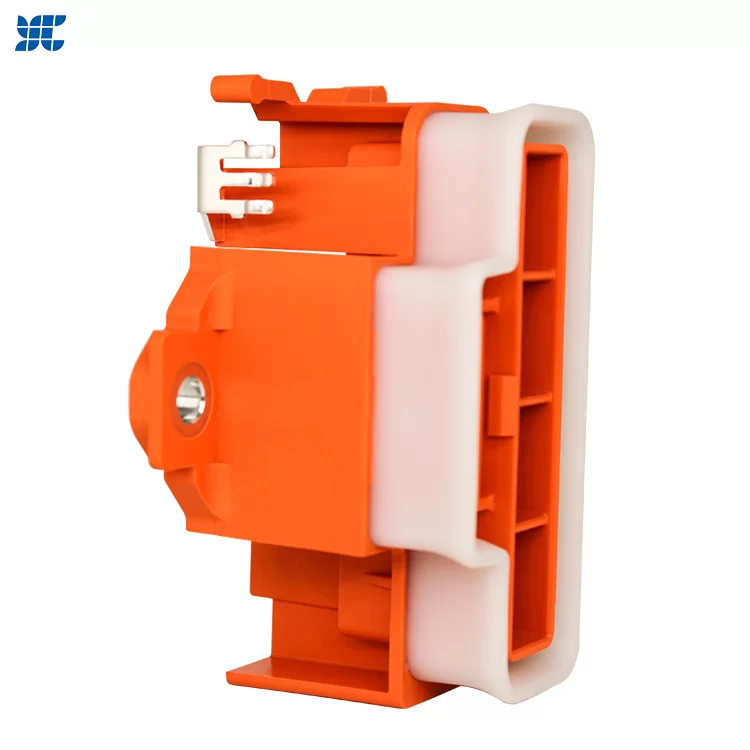
- Overmolded Components: Ergonomic grips, soft-touch interior trims, and switch overlays combining rigid plastics with LSR surfaces.
- Under-Hood Insulation: Thermal and vibration dampening parts exposed to oil, coolants, and fluctuating temperatures.
- EV Battery Packs: Encapsulation materials requiring chemical stability and sealing under high voltage conditions.
Each listed application benefits from the precision molding and functional customization possible with LSR. For instance, multi-shot injection molds enable multi-durometer components in a single process step, reducing assembly complexity and improving durability.
Procurement Guidance & Supplier Evaluation
For procurement directors and purchasing managers, sourcing automotive LSR parts demands meticulous supplier scrutiny. Here’s what to prioritize:
- Factory Certifications: Confirm ISO 9001, IATF 16949 for quality management, and automotive-specific standards.
- Production Capabilities: Check for modern liquid injection molding lines equipped with temperature and mixing controls to ensure batch consistency.
- Testing & Quality Control: Look for in-house labs capable of mechanical property testing, dimensional inspection, and aging tests.
- Lead Time & Logistics: Understand supplier capacity, lead times, and experience with ocean and air container load optimization to reduce supply chain shocks.
- OEM/ODM Flexibility: Opt for partners offering design support, mold prototyping, and customization services.
- Material Traceability & Compliance: Demand full traceability of raw materials and documentation ensuring compliance with automotive regulations.
Strong communication with suppliers about volume forecasts, quality expectations, and packaging requirements will also minimize surprises during production ramp-up or scale-down.
Certifications & Quality Assurance
Automotive LSR part suppliers must demonstrate adherence to rigorous standards. Our factory maintains the following certifications:
- ISO 9001: Quality management systems
- IATF 16949: Automotive-specific quality standards
- CE Certification: Safety and compliance in key markets
- RoHS Compliance: Restriction of hazardous substances for environmental safety

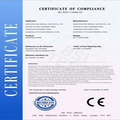

In addition to external certifications, our quality team performs comprehensive testing on every batch, including tensile strength, compression set, and thermal cycling, ensuring every automotive LSR part meets or exceeds customer specifications.
FAQ: Addressing Common Buyer Concerns
- How does LSR compare to traditional silicone rubber in automotive applications?
- LSR offers faster curing times, greater precision via injection molding, and superior repeatability. While traditional silicone rubber typically uses compression molding, LSR suits high-volume, complex geometries better, with improved surface finish and physical properties.
- What lead times are typical for custom automotive LSR parts?
- For new tooling and production, lead times generally range from 8 to 14 weeks depending on mold complexity and production volume. Established designs require significantly less time, often within 3-5 weeks after order confirmation.
- What are packaging recommendations for LSR parts to avoid damage?
- Use anti-static, cushioned packaging that supports stacking without applying pressure on flexible components. Proper labeling and moisture barriers help maintain part integrity during long logistics chains.
- Can you provide OEM or ODM services?
- Yes, we collaborate closely on design and tooling with automotive OEM and ODM clients, offering fully customized LSR parts tailored to specific technical requirements and volume demands.
- What testing is done on automotive LSR parts before shipment?
- We perform dimensional inspections, tensile and elongation testing, compression set measurements, and thermal aging tests. Additional customer-requested validation such as UV resistance or fluid immersion tests are also available.
Customer Reviews & Testimonials

Jason M., Procurement Director, Detroit, MI
“Switching to LSR parts for our fuel injector seals has noticeably improved durability under extreme heat. Guangdong Yingtai’s team helped us tweak designs for better fit and reduced installation effort.”
— Confirmed reliable lead times and superior dimensional accuracy.
Laura B., Operations Manager, Texas
“The factory’s understanding of OEM requirements and multiple process certifications gave us confidence. Their flexible MOQ and proactive quality checks reduced our overhead substantially.”
— Praises agile order fulfillment and clear communication.
Pedro S., Technical Engineer, California
“We appreciated their willingness to share process parameters and assist with CAE simulation data inputs. It saved us several rounds of prototype trial and error.”
— Highlights cooperative approach and technical transparency.