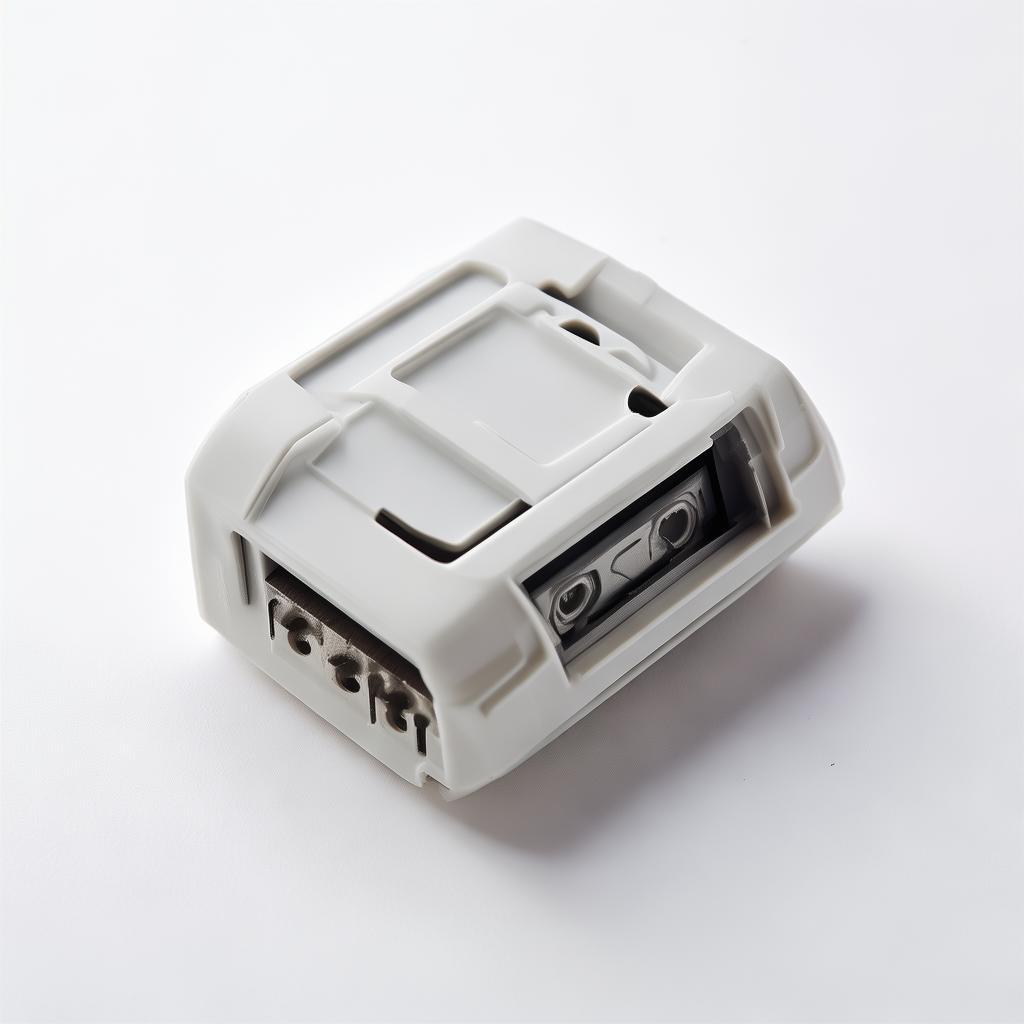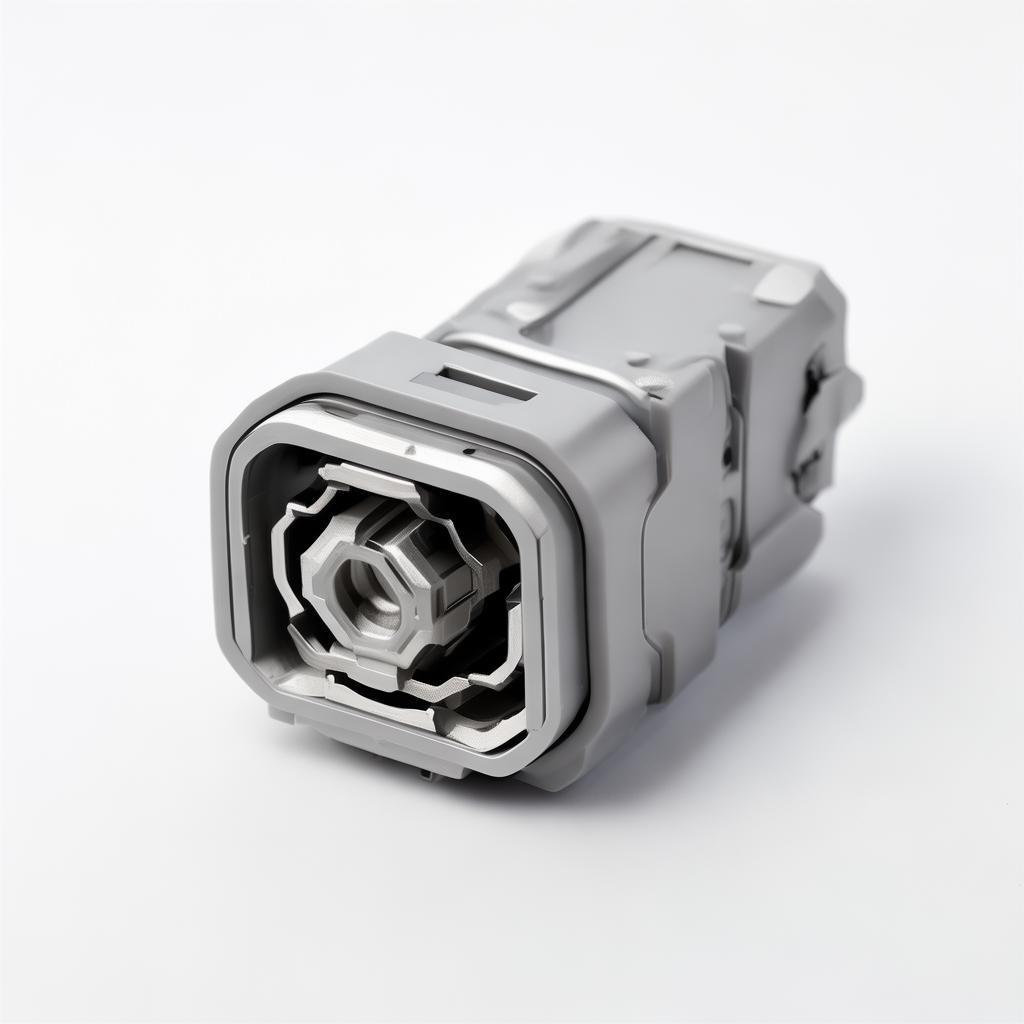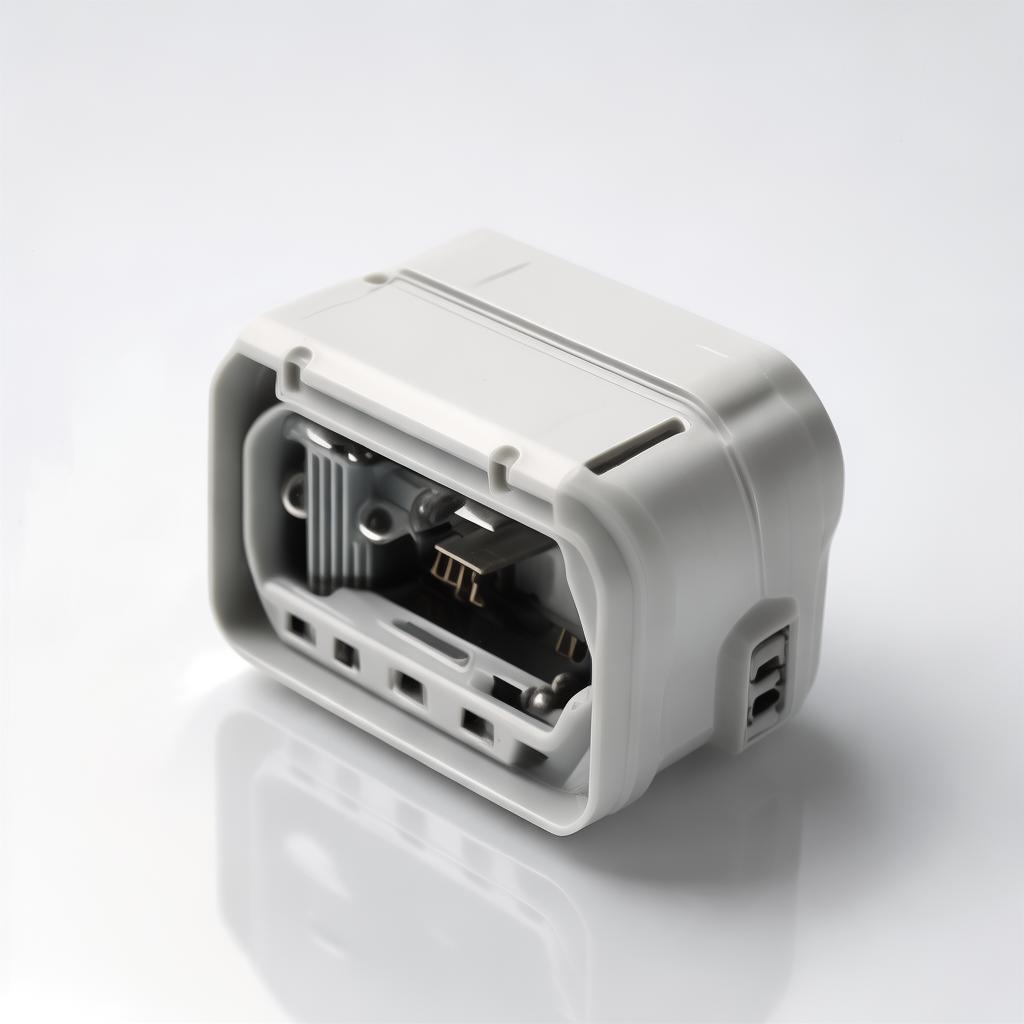


Automotive Plastic Injection Molding Companies
Precision manufacturing solutions tailored for the automotive industry’s plastic components — operational insights, supply chain optimization, and technical expertise to drive your procurement efficiency.
Understanding the Key Operational Pain Points
For procurement directors and purchasing managers in automotive manufacturing, challenges around plastic injection molding often revolve around strict quality requirements, volatile supply chains, and cost pressures. Reject rates due to inconsistent molding, complex material behaviors like warpage and sink marks, and unpredictable lead times can seriously disrupt production schedules.
Navigating these complexities demands a supplier with deep technical knowledge — not just the ability to meet specifications, but to anticipate issues like material degradation under UV exposure or thermal expansion inconsistencies. Operational reliability hinges on selecting injection molding companies experienced in automotive-grade materials such as ABS, polypropylene, and high-performance polyamides with robust process controls.
- Inconsistent Dimensional Accuracy: Minor deviations translate into costly assembly issues and warranty claims.
- Supply Chain Disruptions: Global logistics and customs fluctuations challenge timely deliveries.
- Material Selection Complexity: Balancing impact resistance, chemical stability, and weight mandates.
- Scaling Production: Achieving economies in both prototyping and mass production phases.
- Certifications and Compliance: Navigating ISO/TS 16949 compliance and environmental regulations.
Technical Insights into Automotive Plastic Injection Molding
Injection molding in automotive applications is far from a commodity service. It requires deep expertise in the entire production workflow, from precision design of cooling channels in molds to the choice of injection parameters that mitigate internal stresses.
Industry-leading companies typically deploy ISO 9001 and IATF 16949 certified quality systems coupled with advanced CAE simulation tools for mold flow analysis. This reduces costly trial-and-error during production setup, leading to consistent cycle times and dimensional stability.
Material science plays a crucial role. For example:
| Material | Key Property | Typical Application |
|---|---|---|
| ABS (Acrylonitrile Butadiene Styrene) | Impact resistance, surface finish | Interior trims, dashboard panels |
| PA6 & PA66 (Nylon variants) | Mechanical strength, thermal stability | Under-the-hood components, connectors |
| Polypropylene (PP) | Chemical corrosion resistance, lightweight | Battery covers, fluid reservoirs |
plastic injection molding automotive industry automotive injection molding companies plastic injection molding industry
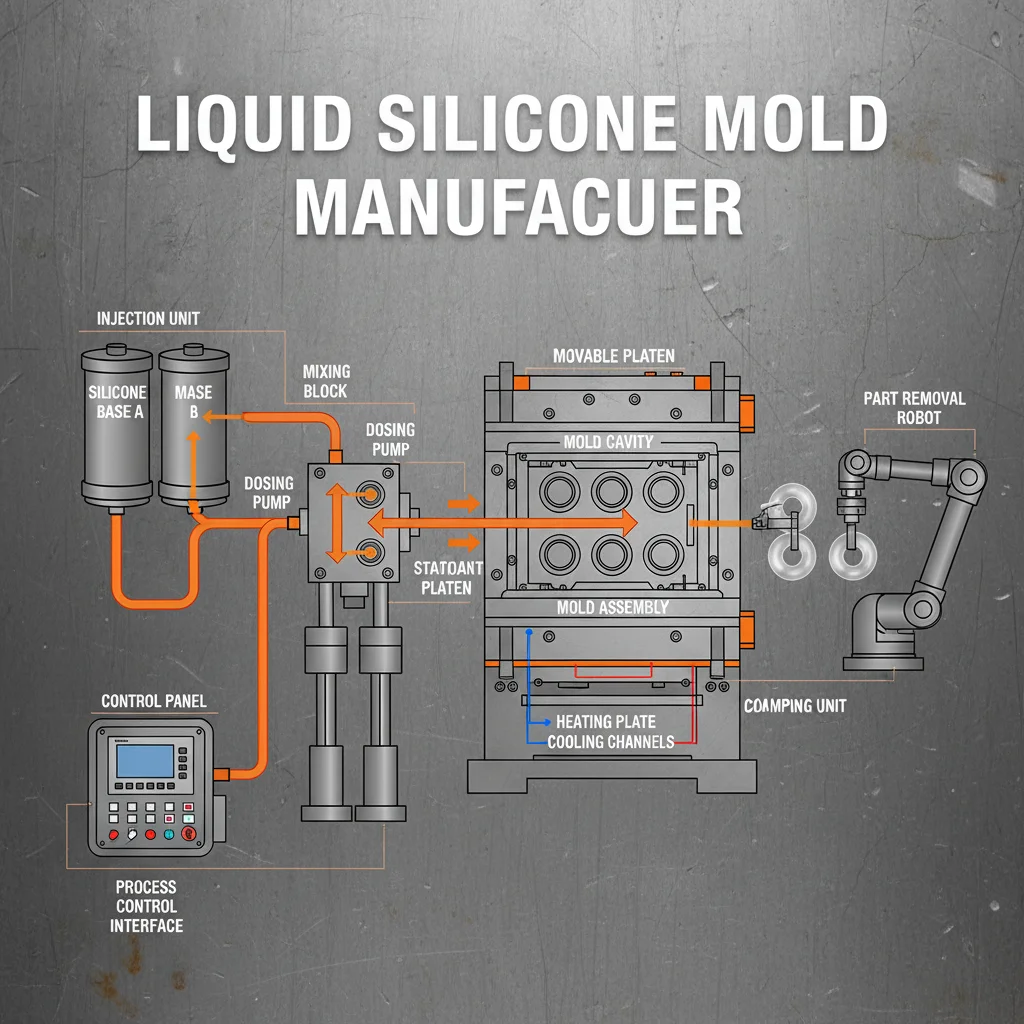
A significant trend impacting procurement choices is the emergence of Liquid Silicone Rubber (LSR) injection molding for seals and gaskets. According to multiple market analyses (e.g., Grand View Research), the LSR market is expected to surpass USD 4.9 billion by 2030, driven by automotive demand for durable, heat-resistant, and biocompatible materials fitting tight tolerances.
In practice, manufacturers who integrate CAE simulation and fine-tuned rheological data see fewer defects related to curing inconsistencies and mold filling imbalances (see MDPI study on material characterization and simulation accuracy here).
This technical rigor translates directly into higher reliability for automotive assemblies — a key advantage when facing demanding OEM specifications.
Product Advantages of Partnering with Proven Injection Molding Specialists
When selecting a plastic injection molding company for automotive parts, focus on these operational benefits:
- Consistent Process Control: Maintains tight dimensional tolerances across production batches to reduce downstream assembly rework.
- Material Optimization: Expertise in balancing polymer blends to meet weight, durability, and chemical resistance requirements.
- Advanced Tooling Capabilities: Multi-cavity molds with conformal cooling channels shorten cycle times and improve surface finishes.
- Comprehensive OEM/ODM Offerings: Ability to co-develop parts with brand owners accelerating time to market.
- End-to-End Quality Assurance: Inline monitoring, statistical process control, and 100% inspection for critical dimensions.
- Industry Certifications: Compliance to IATF 16949 automotive standards, plus environmental certifications such as RoHS and REACH.
For practical procurement, reviewing the supplier’s ability to handle customized material compounding, overmolding, and multi-shot injection processes is critical for tailored component designs common in automotive interior and exterior assemblies.
Looking ahead, expect suppliers with strong R&D teams leveraging AI-driven molding process optimization (see arXiv study on explainable AI in injection molding here) to provide more efficient, defect-minimized production.
Procurement Guide & Supplier Evaluation Tips
Deciding on an automotive plastic injection molding partner means balancing cost, quality, and lead times. Here are key considerations that help reduce procurement risks:
- Verify Certifications: Confirm suppliers hold IATF 16949 and ISO 9001 to ensure compliance with automotive quality management.
- Assess Technical Expertise: Evaluate their experience in multi-material molding, complex insert molding, and support for design-for-manufacture reviews.
- Request Samples and PPAP Documentation: Validate tooling precision and process capability studies before ramp-up.
- Analyze Production Capacity and Lead Times: Ensure factory throughput supports your volume peaks with contingency for urgent orders.
- Check Supply Chain Transparency: Prefer partners with robust logistics strategies to navigate customs, container loading optimization, and JIT deliveries.
- Consider OEM/ODM Flexibility: Flexible partners reduce time to market by handling prototyping, tooling development, and small-to-large production phases seamlessly.
A practical tip: Always integrate engineering and procurement teams in factory visits to inspect molding lines, tooling setups, and quality inspection stations. Observing live production runs uncovers nuances not evident on paper.
Note: Overlooking material batch traceability and mold maintenance logs often paves the way for hidden defects and costly recalls.
Certifications & Factory Capabilities
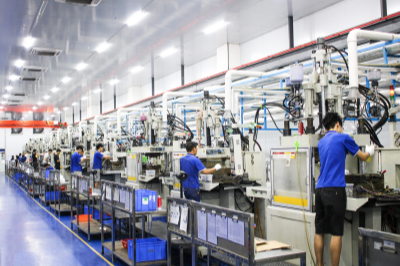
Guangdong Yingtai High Precision Technology Co., Ltd., based in Dongguan, China, exemplifies industry benchmarks with:
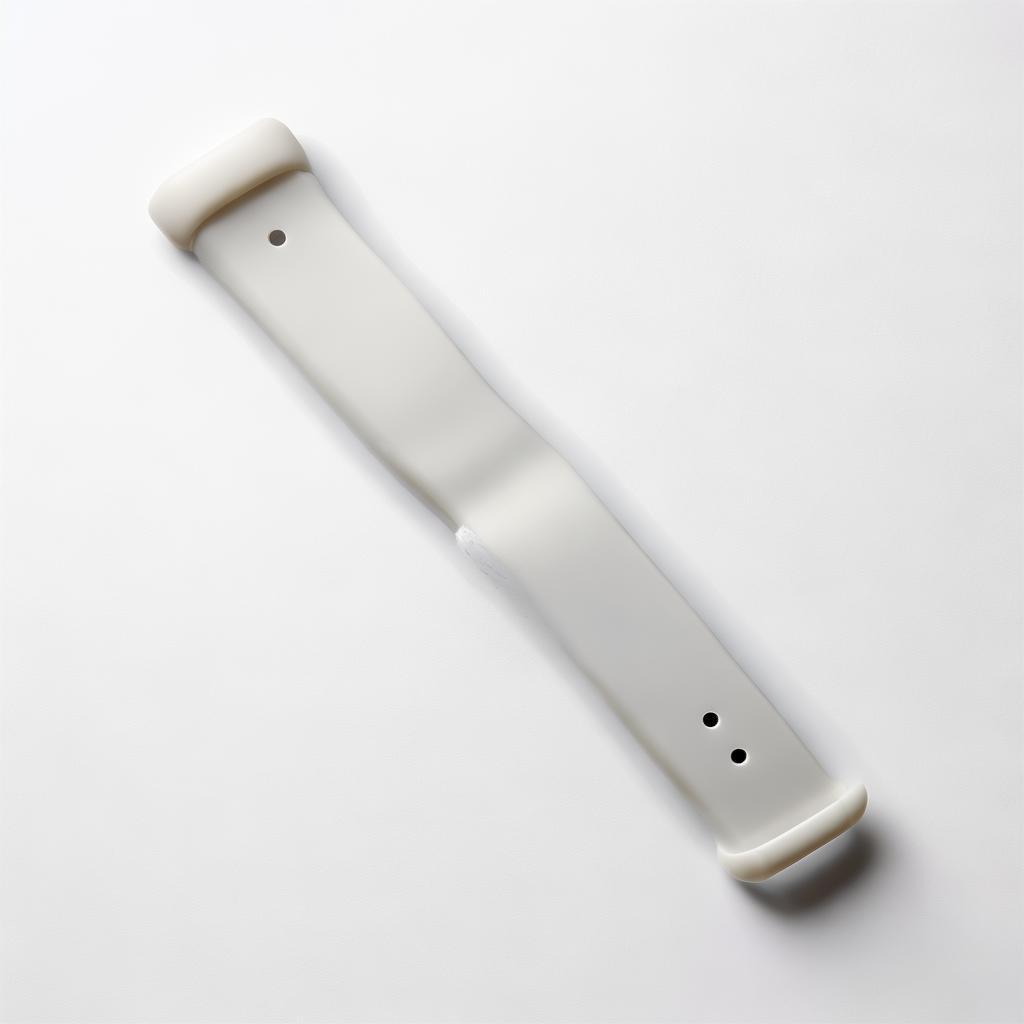
- 35,000m² modern industrial park housing advanced machinery including 55 liquid silicone molding machines and 80 automatic plastic injection molding machines.
- More than 500 skilled employees servicing automotive, consumer electronics, and industrial markets with rigorous quality standards.
- Complete industry chain: from mold development to finished product manufacturing with real-time quality control.


Their extensive testing infrastructure supports development of liquid silicone seals, plastic automotive parts, and overmolded waterproof components commonly used in modern electric vehicles and advanced driver-assistance systems (ADAS).
Logistics-wise, Yingtai’s strategic placement in Dongguan eases export, with experienced teams managing customs brokerage and container load optimization to reduce shipping delays. This is critical for US and European automotive assembly lines operating under tight production schedules.
What Our Clients Say
John M., Procurement Manager, Ohio
"Yingtai’s injection molding expertise helped us reduce our reject rate by nearly half — particularly with tight-tolerance under-hood parts. Their attention to tool design details and material batch traceability stood out."
Sandra L., Operations Director, Michigan
"Their OEM/ODM flexibility was a huge value add for our mid-sized automotive assembly operation. From prototyping to mass production, response times were impressive, and quality was consistent."
Carlos D., Industrial Engineer, Texas
"Working directly with their engineering team to optimize mold flow profiles saved us weeks in tool validation. Their rigorous process controls align well with the strictest automotive standards."
Frequently Asked Questions
What types of plastics are commonly used in automotive injection molding?
ABS, polypropylene (PP), polyamide (PA, also known as nylon), polycarbonate, and liquid silicone rubber (LSR) are among the most common polymers used due to their strength, impact resistance, and thermal stability essential for automotive applications.
How does OEM/ODM service benefit automotive parts development?
OEM/ODM partners provide end-to-end design, tooling, and production capabilities, shortening development cycles, ensuring parts meet stringent specifications, and allowing buyers to focus on core product assembly and logistics.
What should I expect for lead times with automotive plastic injection molding?
Depending on part complexity, tooling, and order volume, lead times can vary from 4 to 12 weeks. Advanced mold design and rapid tooling techniques can shorten prototype phases; mass production timelines depend heavily on supplier load and supply chain conditions.
How does Guangdong Yingtai ensure quality in production?
Yingtai employs strict process controls including inline inspection, SPC data logging, and post-production dimensional measurement. Their teams conduct mold maintenance routinely to prevent tooling wear affecting product quality, supported by ISO and automotive-specific certifications.
Is plastic injection molding sustainable within the automotive industry?
Sustainability efforts focus on minimizing material waste through precision molding and optimizing cycle times to reduce energy use. Advances in mold tooling reduce flash defects and scrap. Some suppliers are adopting bio-based polymers and recyclable compounds to meet evolving environmental regulations.
Partner with Guangdong Yingtai – Precision Automotive Plastic Injection Molding
With 20+ years of specialization in plastic injection and LSR molding serving automotive OEMs worldwide, our expert team is ready to assist you with tailored solutions built for scale and quality.
Contact Miss Zhang directly at:
Phone: +86 17722437688 | Email: zmm@yingtai168.com | Whatsapp: +86 17722437688

Alex Chen
Export Director with 15 years’ experience coordinating high-precision automotive plastic injection molding supply chains across Asia and North America. Passionate about connecting engineering innovations with practical procurement solutions.