Guangdong Yingtai High Precision Technology Co., Ltd. | Export Director: Miss Zhang In today’s automotive manufacturing landscape, the demands placed on rubber components have intensified dramatically. From gaskets and seals to vibration dampeners and
Product Details
Automotive Rubber Injection Molding: Precision Solutions for Modern Vehicle Components
Guangdong Yingtai High Precision Technology Co., Ltd. | Export Director: Miss Zhang
Navigating the Complexities of Automotive Rubber Injection Molding
In today’s automotive manufacturing landscape, the demands placed on rubber components have intensified dramatically. From gaskets and seals to vibration dampeners and protective covers, each part must withstand mechanical stresses, thermal variation, and chemical exposure — all while adhering to stringent quality and safety standards. Automotive rubber injection molding emerges as a pivotal process to meet these challenges, combining precision engineering with advanced materials to produce durable, high-performance components at scale.
Automotive manufacturers and suppliers worldwide rely heavily on injection molding techniques to leverage the repeatability and consistency imperative for modern vehicle systems. The use of specialized rubbers such as liquid silicone rubber (LSR), nitrile butadiene rubber (NBR), and fluoroelastomers ensures each molded part performs flawlessly, even in harsh under-hood environments or exterior-facing applications. It’s not just about shape; it’s about the exacting interplay of material properties and molding processes that facilitate tight tolerance, elasticity, and longevity.
For procurement teams, engineers, and operations managers, understanding the nuances of injection molded rubber parts extends beyond surface-level comparison. Factors like material certifications (e.g., ISO 1629 for rubbers, REACH compliance), mold design complexity, cycle time efficiency, and defect mitigation are vital considerations impacting cost, lead time, and ultimately the product lifecycle.
Our company, Guangdong Yingtai High Precision Technology Co., Ltd., with over 20 years of experience in automotive OEM/ODM manufacturing, specializes in high-precision rubber injection molding tailored for automotive components. Situated in the industrial heart of Dongguan, China, Yingtai combines robust manufacturing infrastructure with a dedicated technical team ensuring each batch meets UL, CE, and RoHS standards — qualities indispensable in global automotive supply chains.
The industry's trajectory also aligns with global trends highlighted in leading market research: the increasing adoption of liquid silicone rubber is driven by its thermal stability, biocompatibility, and precision moldability for producing seals and gaskets critical to electric and autonomous vehicles. Meanwhile, advanced molding techniques incorporating AI-assisted process optimization and vacuum-assisted degassing are transforming defect rates and throughput.
In this article, we’ll explore the operational challenges typically encountered in automotive rubber molding, share practical insights on material choices and process parameters, and outline procurement strategies to get reliable OEM quality parts that enhance your vehicle assemblies — all from a supplier rooted in manufacturing reality, not buzzwords.
Automotive Industry Challenges in Rubber Injection Molding
Material Inconsistency and Batch Variability – Even slight deviations in compound formulation or curing cycles can yield defects such as incomplete curing, hardness variations, or surface tackiness, potentially leading to premature failure in service.
Mold Tooling Complexity and Cost – Designing molds that accommodate multi-cavity layouts for complex geometries, undercuts, or overmold features requires significant upfront investment and precision manufacturing. Mistakes translate into costly downtime.
Process Defects: Flash, Voids, and Incomplete Fill – Improper venting, injection pressure settings, or temperature control can result in visible flash, air entrapment pockets, or short shots. These defects disrupt assembly lines and compromise part function.
Cycle Time Optimization vs. Quality Assurance – Reducing cycle times to meet high-volume demands often comes with a trade-off in product quality or dimensional repeatability, especially in thicker rubber sections.
Complex Logistics & Compliance Demands – Automotive parts procurement involves adherence to regional regulations, documentation for customs clearance, and precise container loading strategies to minimize shipping costs and damage risks.
OEM/ODM Coordination – Ensuring suppliers adhere to exact customer specifications while maintaining flexibility for design iterations requires transparent communication and robust quality management systems.
Addressing these pain points swiftly demands not only technical expertise but a partner who understands the operational realities — from material sourcing, mold maintenance schedules, to practical installation recommendations that minimize downstream disruption.
Technical Insights & Rubber Material Comparisons
Injection molding of automotive rubber parts hinges on choosing the right elastomer and optimizing process settings. Below is a concise material comparison chart tailored for automotive applications:
Material
Key Properties
Typical Applications
Industry Standards
Liquid Silicone Rubber (LSR)
High thermal stability (-60°C to 230°C), excellent biocompatibility, chemical & UV resistance, easy overmolding
Seals, gaskets, connectors, sensor housings
ISO 10993 (biocompatibility), REACH, RoHS
Nitrile Butadiene Rubber (NBR)
Oil and fuel resistant, suitable for moderate temperatures (-30°C to 110°C), good abrasion resistance
Fuel hoses, engine grommets, seals
ASTM D2000
Fluoroelastomer (FKM/Viton)
Excellent chemical and heat resistance (up to 300°C), superior aging and weather resistance
High-temp seals, gaskets, vacuum systems
SAE AMS 3205
Thermoplastic Elastomers (TPE)
Processable like plastics, recyclable, good elasticity, moderate temperature resistance
Interior trims, seals, bumpers
OEM proprietary specs
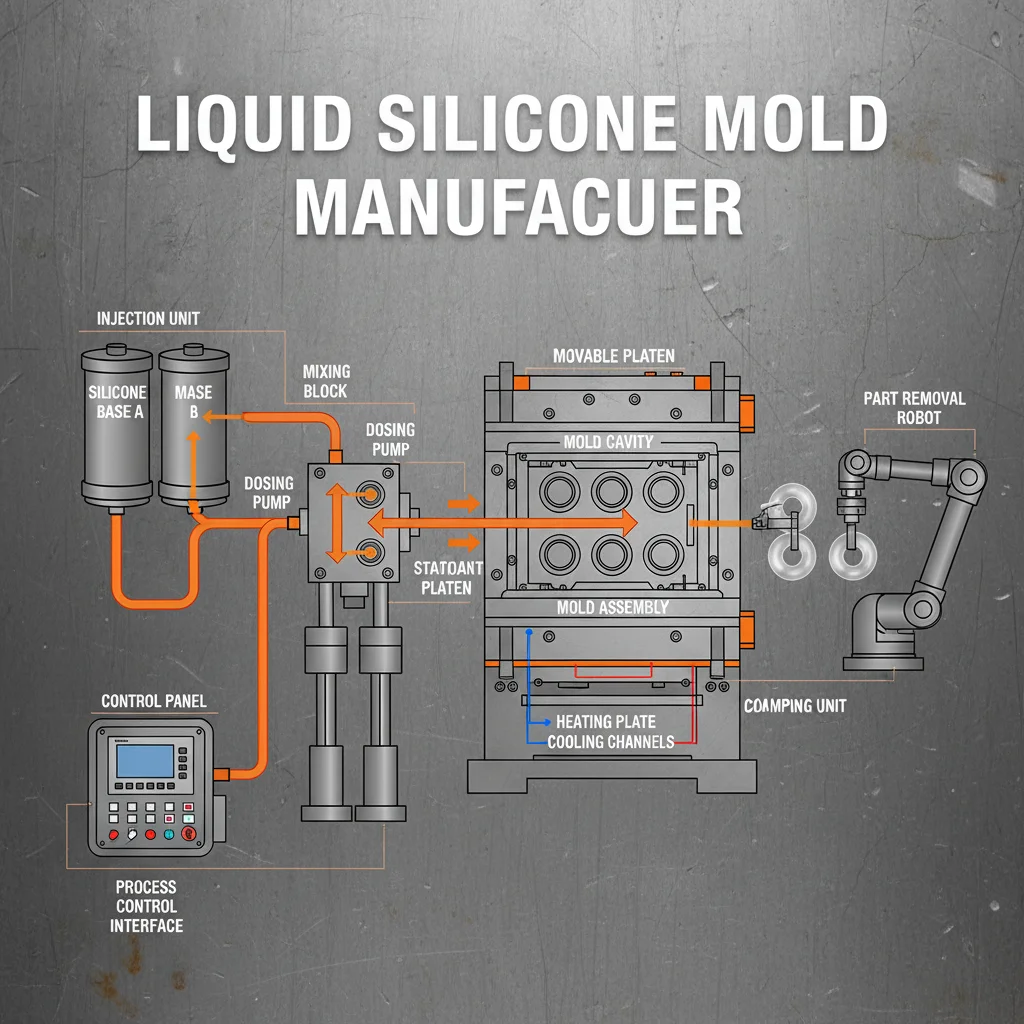
Process nuances are just as crucial as material selection. For example, while LSR injection molding offers exceptional precision and short cycle times, it demands specialized injection units and precision mold temperature control (typically 20-40°C) to ensure dimensional consistency and avoid flash defects. Our Yingtai facility invests heavily in advanced machinery, including liquid silicone molding presses and precision mold maintenance protocols, to minimize such risks.
Molding cycle times for automotive rubber parts generally range from 40 seconds up to 2 minutes depending on geometry and rubber hardness. Monitoring injection pressure, cure time, and mold venting prevents common flaws like sink marks or trapped gases. Recent advances include AI-driven parameter optimization which we have integrated to improve yield and support Just-In-Time (JIT) supply commitments.
According to market reports, LSR demand is growing swiftly within automotive sectors globally, driven by electrification and heightened sealing requirements. For procurement managers, recognizing the logistics around certifications (ISO/TS 16949, CE compliance) and ensuring materials meet OEM specifications is essential to avoid costly rejections or compliance setbacks.
Key Applications of Automotive Rubber Injection Molded Components
Automotive OEMs and Tier 1 suppliers increasingly allocate budgets to precisely engineered rubber parts. Some main application areas include:
Sealing Systems: Engine gaskets, door seals, sunroof seals—demand parts with tight elastomeric resilience and excellent UV/weatherproofing.
Vibration and Noise Dampening: Rubber mounts and bushings molded for dynamic load resistance.
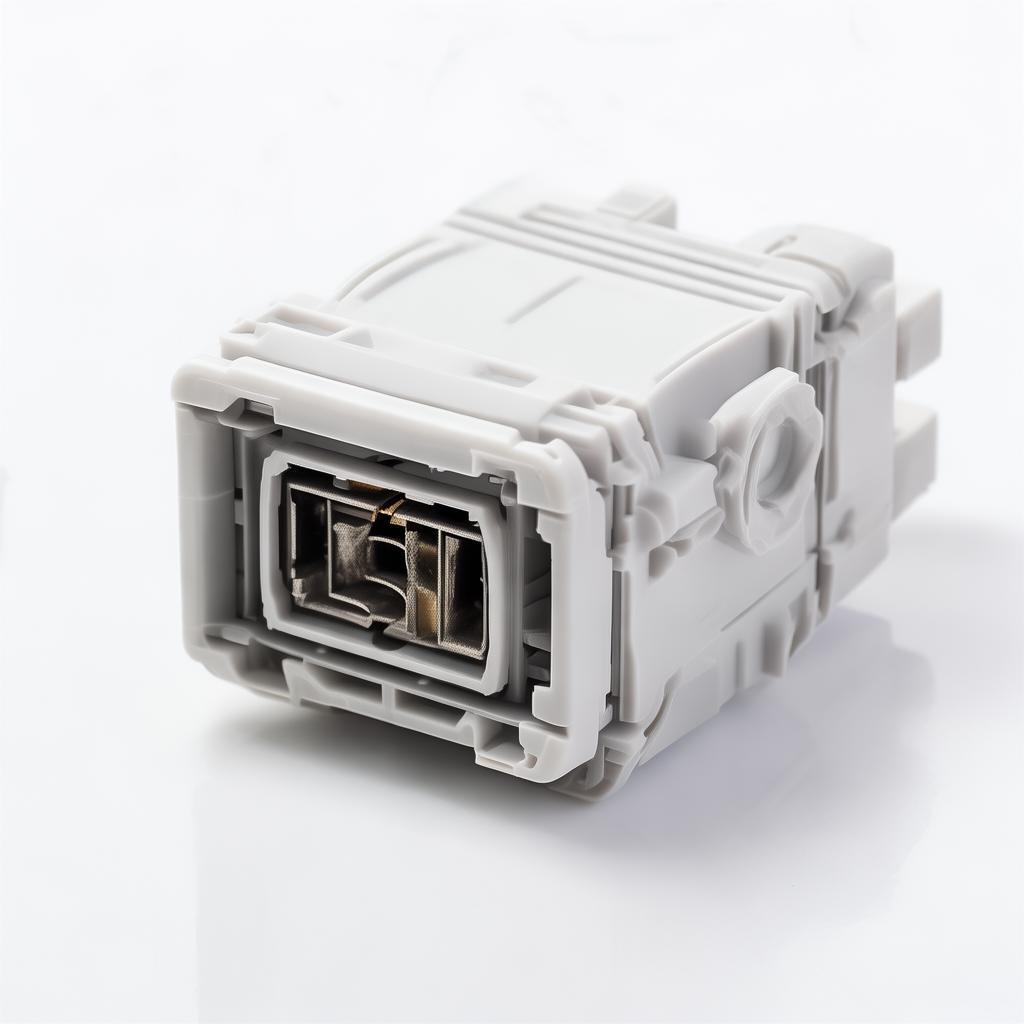
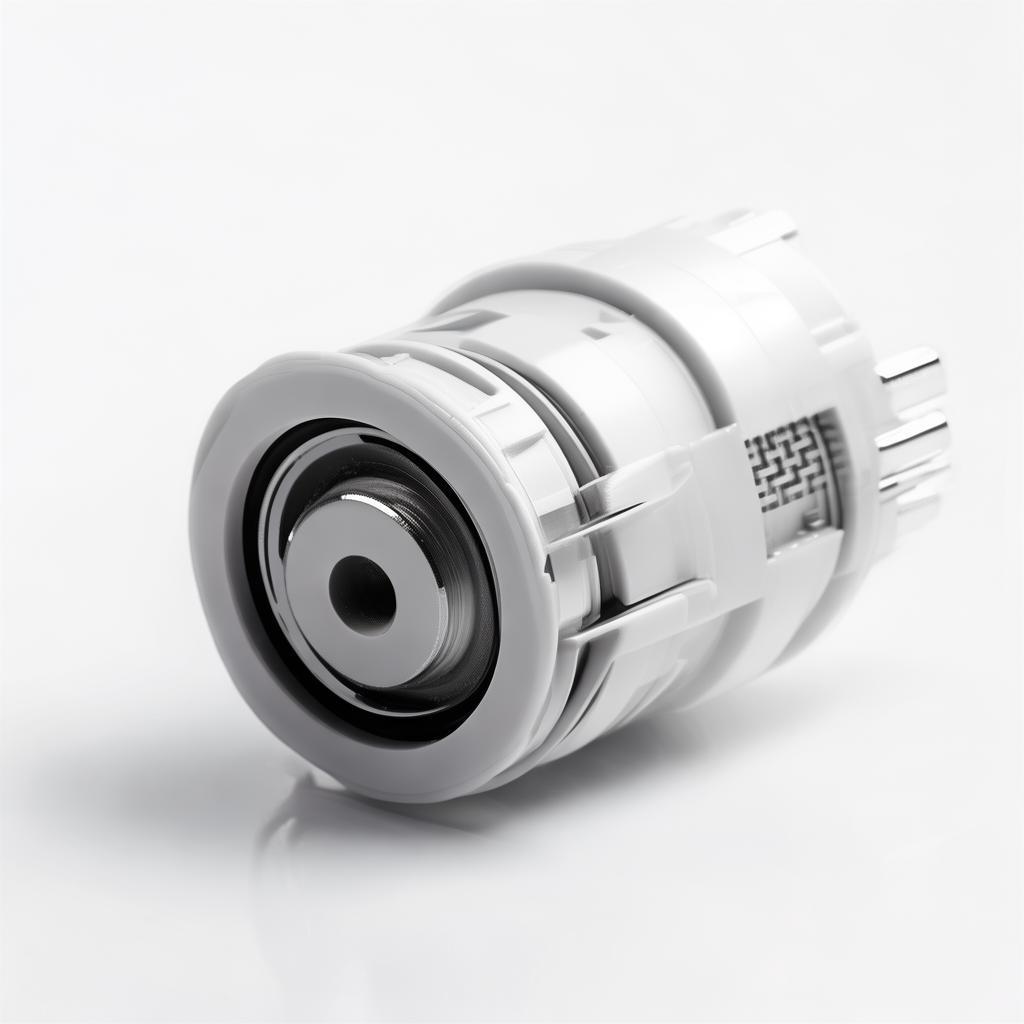
Protective Covers & Boots: CV joint boots, electrical connector covers molded to resist abrasion and extreme temperature.
Fuel and Fluid Handling Lines: Hoses and connectors molded from nitrile or fluoroelastomers tailored for resistance against oils and chemicals.
Interior Components: Soft-touch trims, dashboard seals, flexible gaskets tailored for appearance and tactile feel.
Each category demands distinct formulation tweaks and tightly controlled injection conditions. We work directly with clients to prototype tailored rubber compositions and iterate tooling designs to meet functional specs. Our turnkey capability from mold design to final QC testing accelerates time-to-market.
Practical Procurement Tips for Automotive Rubber Injection Molded Parts
Selecting the right supplier goes beyond price benchmarking. Here are key considerations for buyers managing automotive rubber injection molding sourcing:
Certifications & Compliance: Confirm ISO/TS 16949, RoHS, REACH, and industry-specific material certifications to ensure final parts meet global automotive standards.
Prototype & Iteration Capability: Suppliers should offer rapid prototyping with realistic tooling to validate designs before committing to high-volume production.
Mold Tooling Ownership & Maintenance: Ask about tooling lifecycle, ownership, and maintenance programs to avoid unexpected downtime or quality drift.
Lead Times & Logistic Support: Understand standard lead time ranges (typically 6-12 weeks for tooling + run times) and supplier strategies to expedite orders or manage JIT supply.
Experience with OEM/ODM Projects: Vendors with a demonstrated track record in automotive molds & overmolding projects typically navigate specification changes more smoothly.
Material Traceability & Batch Control: Confirm procedures for raw material traceability to avoid mismatched batches that could impact part consistency.
Defect Rate Thresholds & Quality KPIs: Get detailed defect tracking reports and quality scorecards to benchmark supplier performance objectively.
Contacting current or past customers for references can provide valuable insights into operational reliability and communication flows. Transparent suppliers encourage audits and visits, reflecting confidence in their high standards.
Yingtai Factory Capabilities & Quality Assurance
Our state-of-the-art liquid silicone and plastic injection molding facilities in Dongguan.
Yingtai stands as one of the premier manufacturing hubs specifically for automotive rubber injection molded products. Our 35,000 m² modern industrial park hosts:
55 liquid silicone injection molding machines specialized for LSR parts precision and repeatability
20 solid silicone hydraulic presses catering to specialty rubber molding
More than 30 precision tooling equipment and 20 advanced testing instruments ensuring dimensional and material performance accuracy
End-to-end intellectual manufacturing system from mold development to final inspection — guaranteeing consistent quality and quick turnaround. Our expert team of over 500 professionals includes skilled engineers, QC technicians, and supply chain managers who work closely with clients to optimize processes, reduce defects, and tailor materials.
Compliance with ISO/TS 16949 automotive quality standards and UL, CE, RoHS certifications is continuously verified. Our on-site lab employs digital hardness testers, rheometers, and metallurgical microscopes to monitor curing precision and elastomer uniformity.
Real-world experience confirms that managing tooling wear and mold release agent selection can significantly impact cycle time stability and product longevity. We emphasize preventive maintenance to keep injection molds in optimal shape and leverage AI-assisted process monitoring to catch inconsistencies early.
Frequently Asked Questions
Q1: What is the typical lead time for custom automotive rubber injection molded parts?
Standard tooling development usually requires 6-10 weeks, followed by initial sample runs of 2-3 weeks. After approvals, volume production can take 8-12 weeks depending on order size and complexity. Expedited deliveries are possible with advanced planning.
Q2: How do you ensure material compliance for automotive industry standards?
We source from certified raw material suppliers and conduct batch testing per ISO 1629, REACH, and RoHS standards. Additionally, our quality lab performs tensile strength, hardness, and chemical resistance tests to validate compliance.
Q3: Can you produce multi-material or overmolded rubber components?
Yes, our facilities support multi-shot injection molding combining rubber with plastics (e.g., LSR overmolded on ABS). This technology is widely used in automotive sensor housings and soft-touch grips, offering enhanced functionality and durability.
Q4: What are common defects in automotive rubber injection molding and how are they mitigated?
Typical issues include flash, voids, and incomplete filling. We mitigate these by careful mold venting design, using CAE simulations, implementing real-time process monitoring, and strict mold maintenance routines to ensure production stability.
Q5: Does your factory support OEM and ODM projects?
Absolutely. We collaborate closely with client R&D and engineering teams from concept development to mass production, offering design for manufacturability feedback, customized tooling, and scalable production processes.
Customer Feedback & Testimonials
Mark Simmons (Procurement Manager, Midwest Auto Components)
"Yingtai's injection molding quality really stands out — we saw fewer rejects and consistent hardness across multiple runs. Their team advised us on mold design tweaks that cut cycle times about 12%, helping speed up our production line without compromising specs."
Get in Touch
If you have any camping barbeque equipment inquiry, please feel free to contact us.




 Mark Simmons (Procurement Manager, Midwest Auto Components)