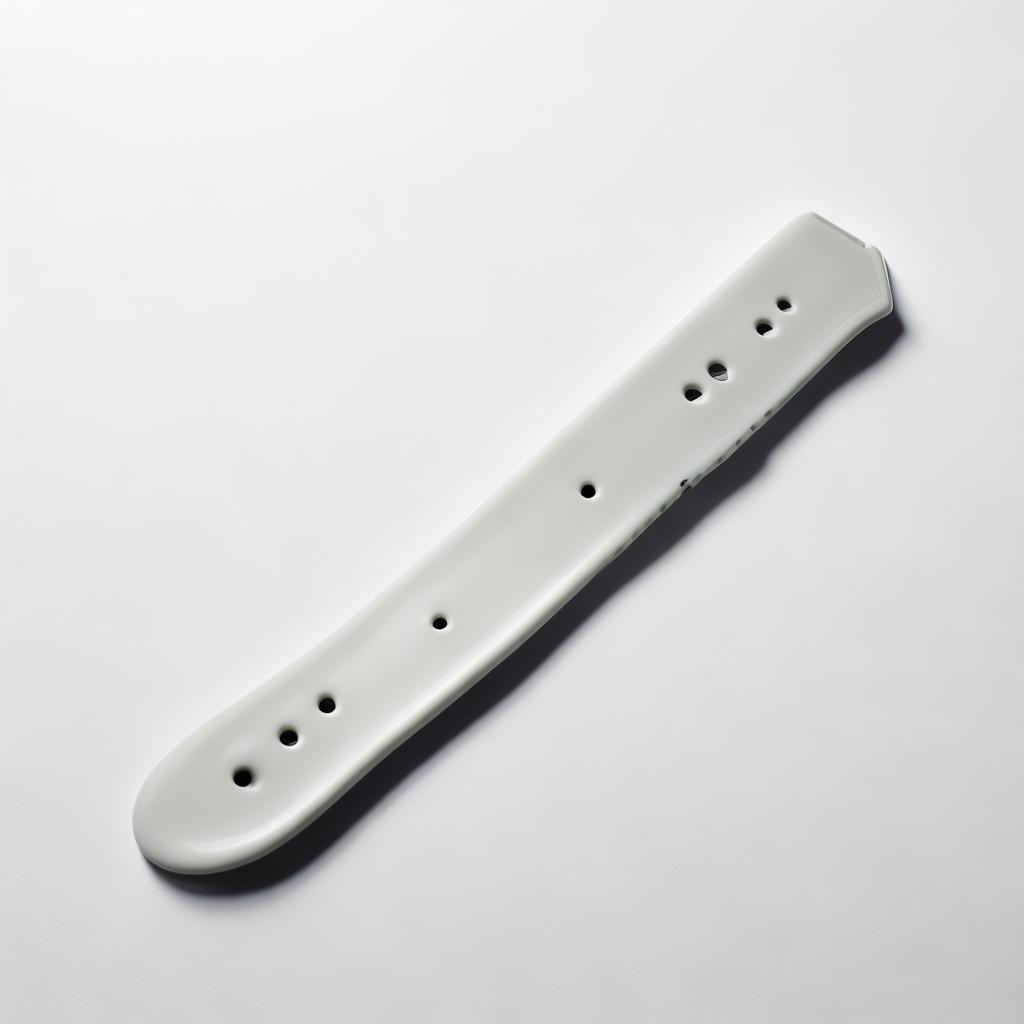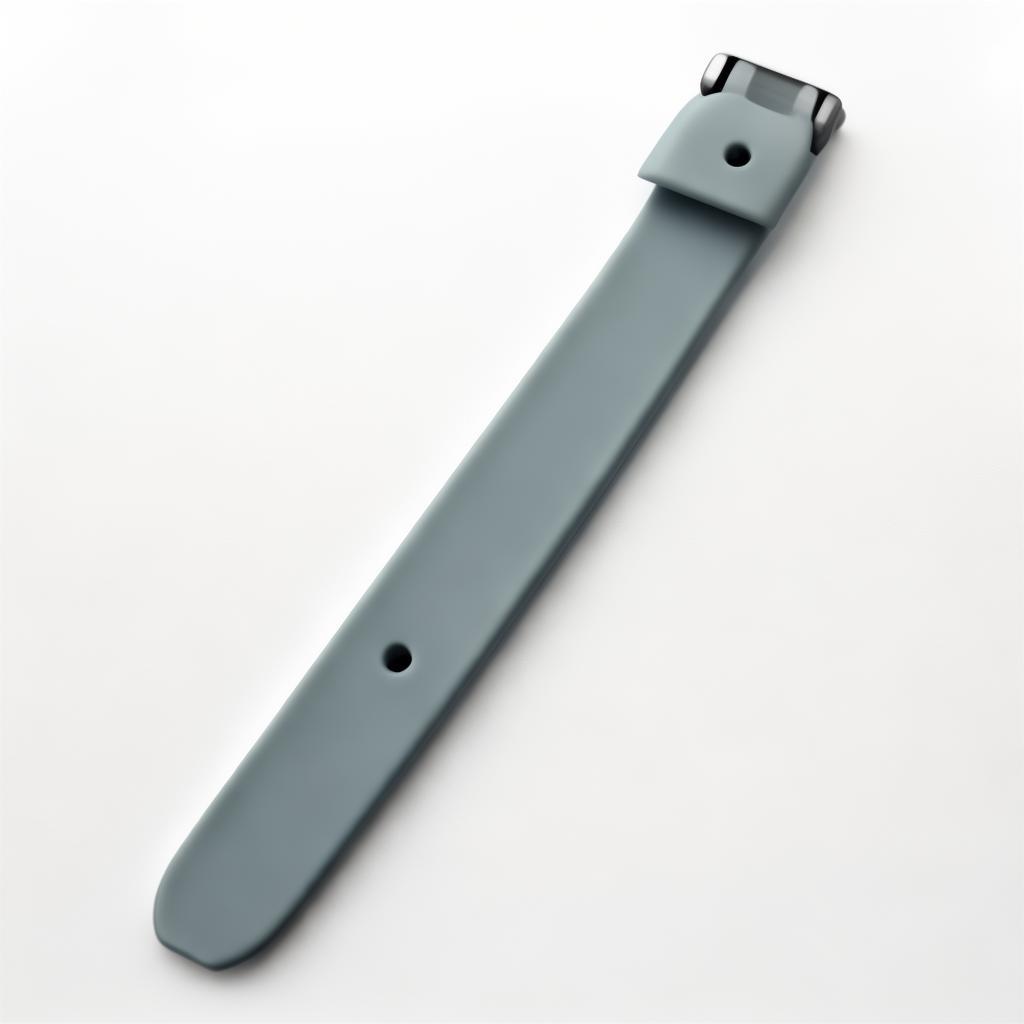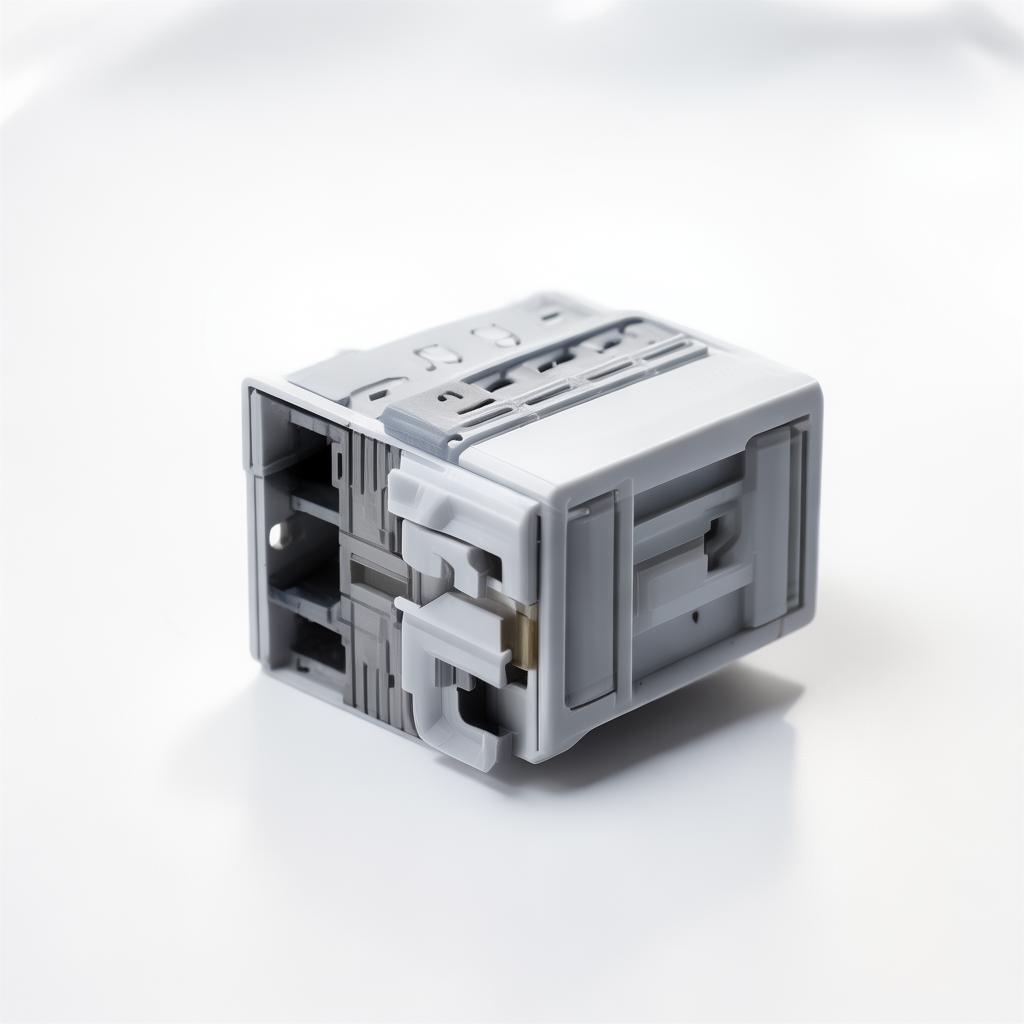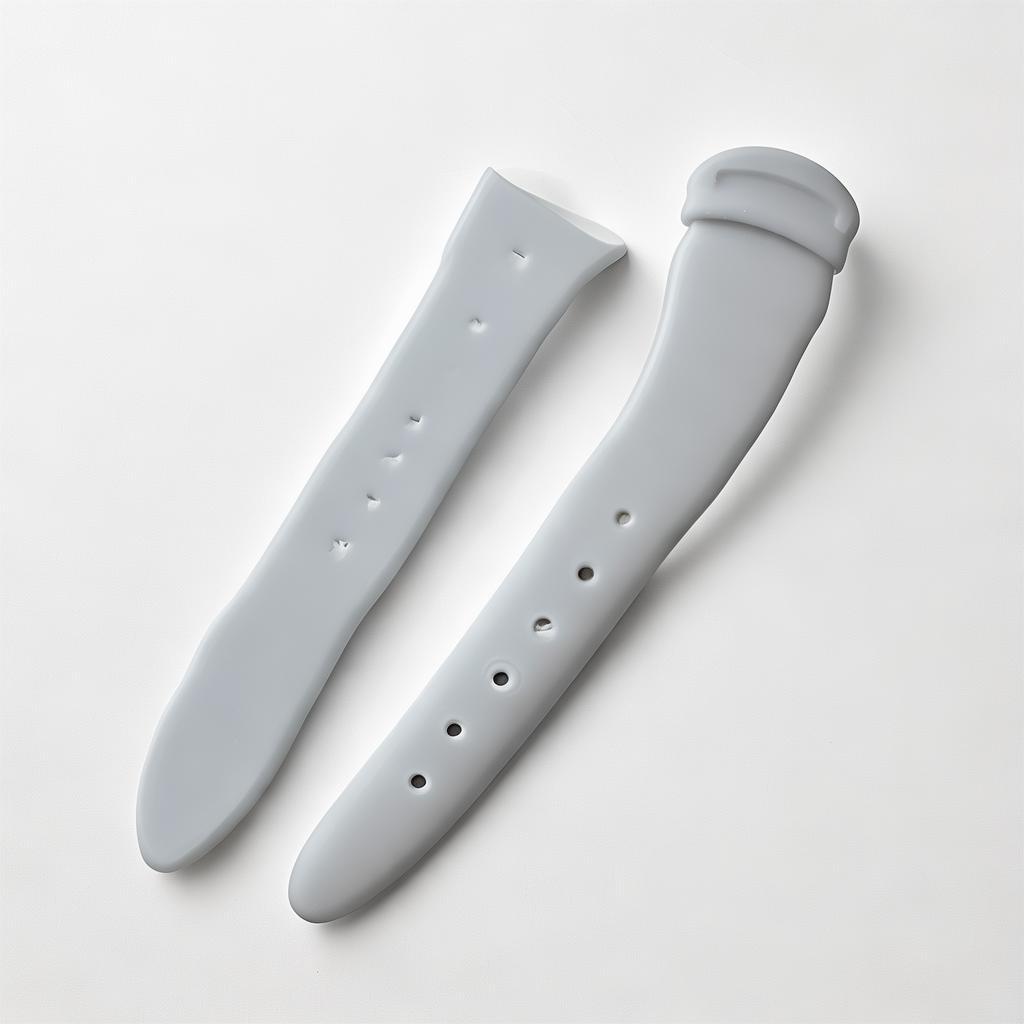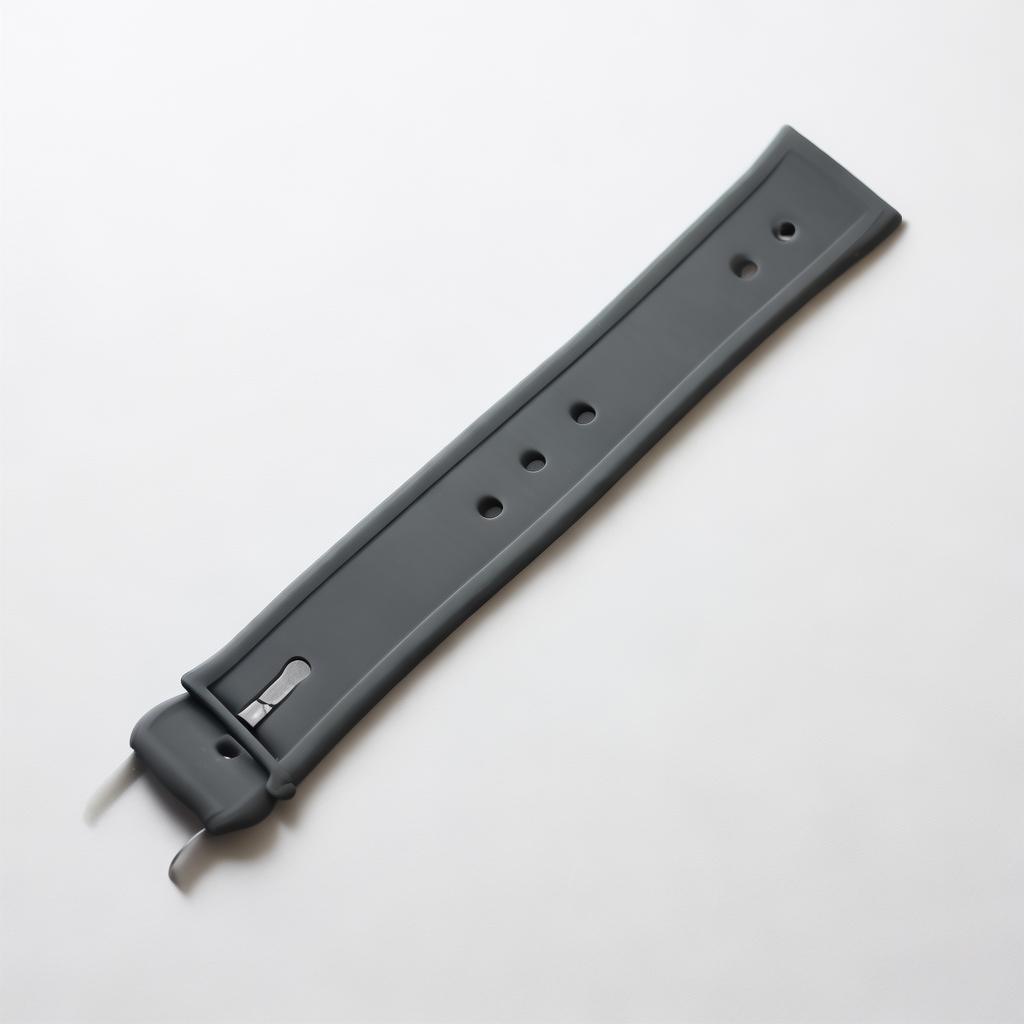


Precision Automotive Silicone Parts: Durable Solutions for Modern Vehicles
Expertly engineered liquid silicone rubber components for automotive OEMs, suppliers, and aftermarket professionals.
Industry Pain Points in Automotive Silicone Components
Automotive manufacturers and suppliers face increasing demands on silicone parts to deliver exceptional performance while balancing cost, durability, and regulatory compliance. Common challenges include:
- Material degradation under extreme temperatures: Components must withstand high under-hood temperatures often exceeding 200°C without losing physical integrity or elasticity.
- Complex geometries requiring precision molding: Tight tolerance parts like sealing gaskets and vibration dampers necessitate advanced liquid silicone rubber (LSR) injection molding techniques.
- Regulatory compliance & certifications: Stricter automotive standards such as ISO 16232 for cleanliness, and compliance with REACH and RoHS regulations complicate material selection.
- Supply chain volatility and lead times: Long tooling development cycles and overseas supplier risks can disrupt production schedules and inventory planning.
- Installation and maintenance concerns: Silicone parts must be designed for ease of assembly while ensuring long lifecycle with minimal maintenance in harsh environments.
Understanding these procurement and engineering hurdles is key when selecting a silicone parts supplier. Overlooking subtle material nuances or process capabilities can cause project delays or costly product failures on the assembly line.
Technical Insights on Automotive Silicone
Automotive silicone parts predominantly use liquid silicone rubber (LSR) for its superior thermal stability, chemical resistance, and elastomeric flexibility compared with traditional rubber and plastics. Key technical factors shaping modern automotive silicone components include:
- Material Chemistry: LSR consists of two-component platinum-cured silicone systems optimized for heat resistance (up to 230°C continuous), UV and ozone stability, and inertness against automotive fluids like oils and coolants.
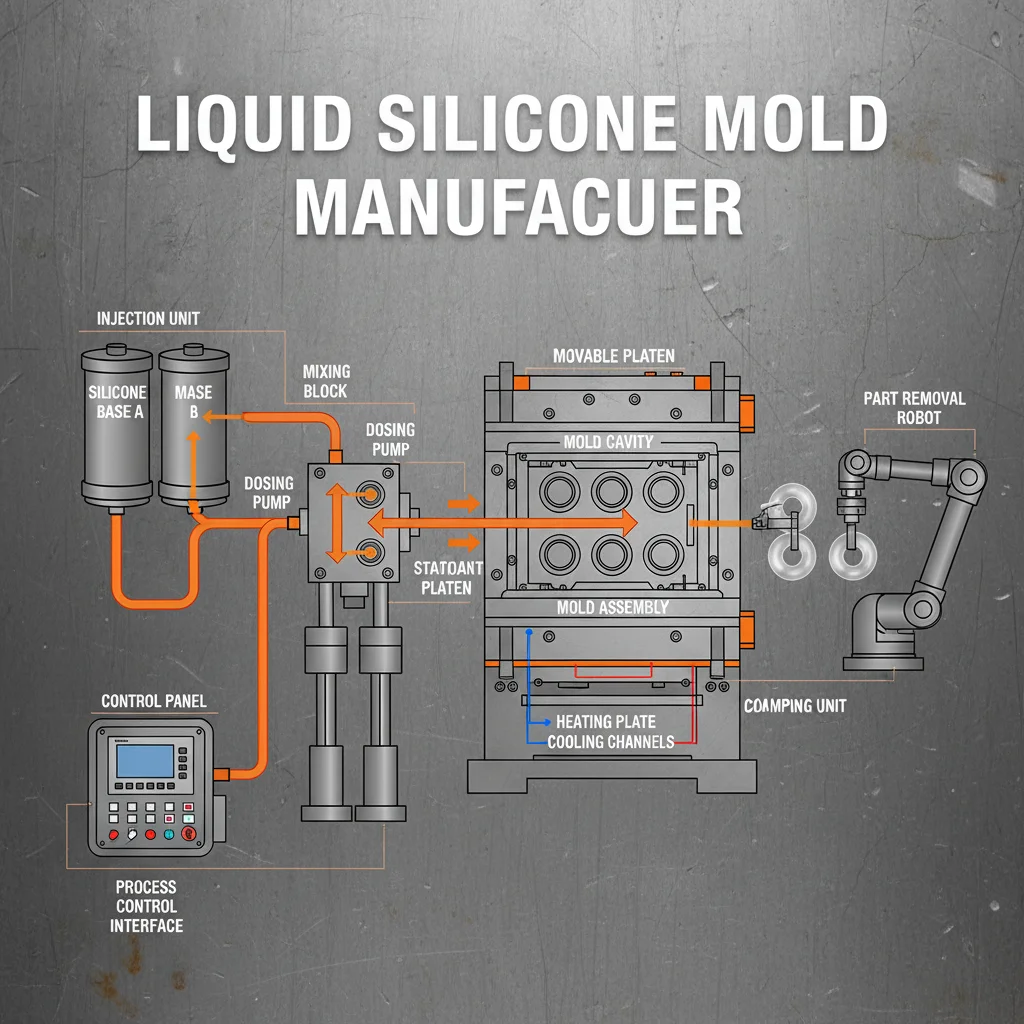
- Injection Molding Process: The use of advanced liquid injection molding enables rapid curing, increased precision for thin walls and complex undercuts, and reduced scrap rates compared to compression molding. Controlled rheological properties influence flow and cure kinetics, with simulations validated by studies such as MDPI’s [Material Characterisation Techniques for LSR Injection Moulding](https://www.mdpi.com/2073-4360/17/22/3086).
- Multi-Component Overmolding: Combining rigid thermoplastics (ABS, PC) with silicone through multi-shot injection molding (MC-Injection) enhances part functionality — e.g., soft-touch handles or seals integrated with structural elements — supported by industry data ([MDPI Polymers MC Molding](https://www.mdpi.com/2073-4360/15/19/3972/xml)).
- Design for Manufacturability: Tooling quality, cavity balancing, and venting are critical for reducing flash defects and cycle times. Research from Fraunhofer highlights how new molding process chains reduce waste and increase profitability ([Fraunhofer Research](https://publica.fraunhofer.de/entities/publication/9e614e34-faf6-4617-bf02-aeb16a0f6337)).
- Lifecycle Sustainability: Silicone’s inertness and thermal resistance translate to longevity in dynamic automotive environments, but selecting grades tailored for specific exposure scenarios (e.g., fuel contact, automotive greases) is essential.
These technical nuances reveal why not all silicone is equal—success depends on supplier expertise in chemistry, molding technology, and rigorous quality control aligned with automotive OEM standards.
Key Advantages of Our Automotive Silicone Parts
Thermal Performance
Our silicone parts maintain elasticity between −60°C and 230°C. This wide operating range meets temperature profiles found throughout engine compartments, exhaust systems, and sensors.
Chemical & UV Resistance
Silicone demonstrates exceptional resilience against automotive chemicals including hydraulic fluids, oils, and UV exposure—key for exterior weather seals and under-hood gaskets.
Precision Moldability
Utilizing over 55 liquid silicone molding machines and advanced tooling capabilities, we achieve ISO-compliant tolerances with complex shapes and thin walls, minimizing post-processing and assembly effort.
Robust Longevity
With >20 years of focused R&D, our automotive silicone seals and gaskets deliver consistent mechanical properties over hundreds of thousands of operational cycles, reducing field failures.
Regulatory Compliance
Our parts meet ISO 9001, ISO/TS 16949, and industry RoHS/REACH standards, ensuring seamless integration into automotive supply chains in North America and Europe.
Typical Automotive Application Scenarios
Our automotive silicone components are deployed across a spectrum of critical vehicle systems:
- Engine Compartment Sealing: Cylinder head gaskets, valve cover seals, and wiring harness boots require high-temp resistance and dimensional stability.
- Cabin HVAC Systems: Flexible tubing, vibration mounts, and air seals benefit from silicone’s elasticity and aging resistance.
- Sensor & Electronic Enclosures: Silicone seals safeguard sensitive components against moisture ingress and vibration damage.
- Exterior Door & Window Seals: UV and weather resistant silicone profiles ensure long-lasting tight sealing under varying climate conditions.
- Fuel System Components: Fuel line gaskets and caps utilize chemically resistant silicone grades to comply with safety regulations.
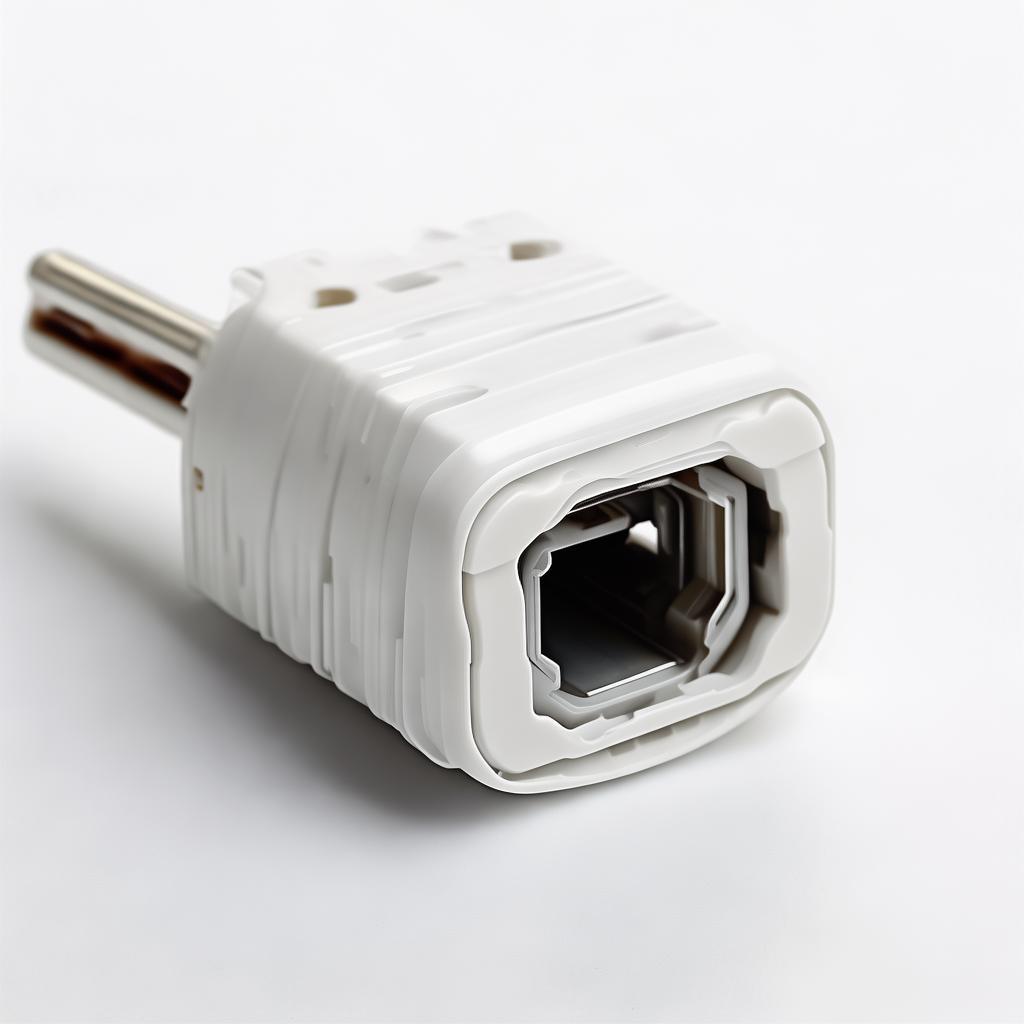
In custom projects, our OEM/ODM capabilities facilitate combining silicone with plastics and metals for hybrid structures—ideal for ergonomic or weight-optimized parts.
Procurement Guidance & Supplier Evaluation
Choosing the right silicone parts supplier involves balancing technical expertise, manufacturing capabilities, and commercial reliability. Consider these key procurement factors before placement:
- In-House Manufacturing Integration: Suppliers with end-to-end capabilities — from mold design to LSR injection molding — minimize lead times and coordination risk.
- Certification & Quality Systems: Verify compliance with relevant automotive and material standards — ISO 9001, IATF 16949, RoHS, REACH, and possibly client-specific audits.
- Technical Support & Prototyping: Access to rapid prototyping and engineering consultation accelerates development cycles and reduces costly production errors.
- Production Capacity & Delivery: Assess molding machine availability, batch scalability, and container loading optimization strategies to ensure consistent supply amid demand fluctuations.
- Traceability & Testing: Real-time quality control, batch traceability, and documentation of material certificates (e.g., FDA for food-grade silicone) build trust and ensure product consistency.
Red flag: Suppliers lacking tooling design experience or who outsource critical molding steps increase risks for delays and subpar parts.
Talk With Our EngineerTechnical Specification Table
| Parameter | Typical Value | Test Standard | Remarks |
|---|---|---|---|
| Hardness (Shore A) | 30-70 (customer adjustable) | ISO 7619-1 | Balances flexibility & durability |
| Tensile Strength (MPa) | 6–11 | ISO 37 | Critical for sealing & vibration damping |
| Elongation at Break (%) | 350–600 | ISO 37 | Allows for flexibility under dynamic loads |
| Operating Temperature Range | -60°C to +230°C | - | Tailored for engine & exterior environments |
| Tear Strength (kN/m) | 15–30 | ISO 34-1 | Ensures durability through repeated stress cycles |
| Compliance | RoHS, REACH, ISO 9001, IATF 16949 | - | Essential for global automotive markets |
silicone automobile Automotive liquid silicone product parts custom silicone parts
Buyer FAQs – Practical Answers for Automotive Silicone Parts
- Q1: What distinguishes liquid silicone rubber from solid silicone for automotive parts?
- LSR offers higher precision molding via injection, shorter cycle times, and less post-processing compared to solid silicone compression molding. This results in complex geometries with consistent quality, ideal for tight tolerance automotive seals and vibration components.
- Q2: How do I evaluate mold tooling quality for these parts?
- Look for suppliers with in-house CNC machining, EDM, and polishing facilities enabling cavity surface finish control. Proper cavity venting is essential to avoid defects like flash or bubbles—as supported by Fraunhofer’s research on process chain optimization.
- Q3: Can these parts be customized for specific automotive environment exposures?
- Yes, multiple LSR grades exist with enhanced chemical resistance or improved wear properties. Discuss your application environment and required certifications early to tailor compound selection accordingly.
- Q4: What typical lead time should I expect for OEM orders?
- Tooling development takes 6–8 weeks depending on complexity, plus 3–4 weeks for sample approval and pilot batches. High-volume runs are scalable with sufficient mold sets. Our factory’s vertical integration shortens production cycles and logistics turnaround.
- Q5: How are international shipments handled to ensure product safety?
- We optimize container loading to maximize volume utilization and secure parts against deformation. Packaging uses anti-slip backing and moisture barrier films. Shipping plans are customizable by freight mode and destination requirements.
Client Reviews from Automotive Procurement Professionals

"Partnering with Yingtai gave us reliable silicone seals with consistent dimensional accuracy. Their understanding of automotive specs and quick turnaround on sample revisions saved us weeks on our OEM projects."

"The chemical resistance of their silicone gaskets helped us reduce warranty claims significantly. The supplier’s ability to co-develop tools and provide technical consultation was an invaluable asset."

"Yingtai’s machining tolerances and quality control for LSR parts exceeded our expectations. Their responsiveness during launch helped us avoid downtime despite tight deadlines."
Trust & Certification
Our manufacturing facility holds ISO 9001 and IATF 16949 certifications specific to automotive component production, alongside rigorous RoHS & REACH compliance.



Logistics & Shipping Insights
In our export practice, we prioritize minimizing your landed costs and ensuring zero damage in transit with these best practices:
- Container Loading Optimization: Efficient stacking and pallet arrangement maximize container volume, reducing per-unit freight expenses.
- Packaging Specifications: Use of anti-slip backing sheets and shock-absorbent packaging materials protect delicate silicone parts from deformation and scuff marks.
- Shipping Modes: Flexible options including air freight for rapid prototyping samples and full container loads for mass production orders tailored to client lead times.
- Customs Documentation: We ensure transparent HS code classification and export paperwork to smooth customs clearance globally.
Installation & Maintenance Tips
For procurement and assembly teams, practical knowledge on handling automotive silicone parts can drastically improve installation efficiency and part longevity:
- Pre-Installation Inspection: Always check for molding flash or uneven surfaces that may cause sealing issues or fitting stress.
- Proper Lubrication: Use manufacturer-recommended lubricants compatible with silicone to ease part installation into tight assemblies while preventing silicone degradation.
- Avoid Overstretching: Silicone parts offer flexibility but overstretching during assembly may cause micro-tears leading to premature failure.
- Periodic Inspection: Especially in dynamic applications, routine checks for cracking or hardening under exposure to automotive fluids extend part service life.
See Our Factory & Expert Team
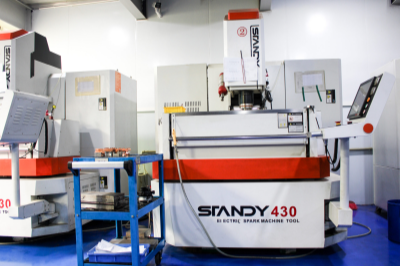
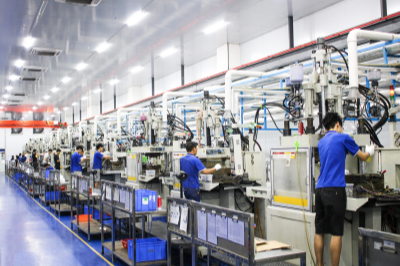
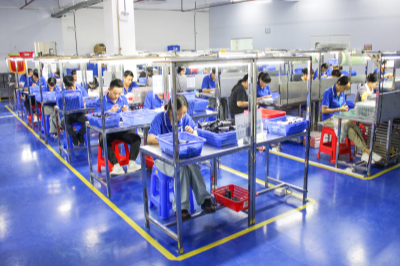
Guangdong Yingtai High Precision Technology Co., Ltd. leverages over 35,000 m² of cutting-edge production space and a skilled workforce of 500 professionals to deliver automotive silicone solutions that meet the most exacting global automotive standards.
Customer Support Chats


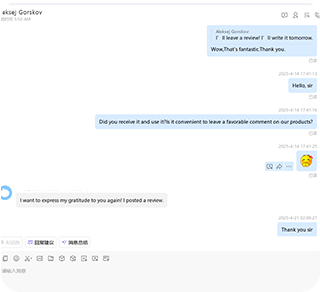

Export Director & Manufacturing Advisor
Expert in automotive silicone parts and global supply chains