Robert M., Procurement Manager, Detroit
“Yingtai’s connectors performed flawlessly in our latest EV platform. Their team’s technical support expedited our design approvals, saving weeks in our program.”



Manufactured by Guangdong Yingtai High Precision Technology Co., Ltd. | Dongguan, China
In today’s automotive sector, the demand for robust, reliable wire insulation injection molded connectors continues to escalate. These connectors are crucial components, ensuring flawless electrical continuity and insulation in increasingly complex automotive wiring harnesses. As vehicles integrate more electronics—from advanced driver-assistance systems to infotainment modules—the standards for connectors have soared sharply. This surge compels procurement managers and design engineers alike to prioritize components that balance precision molding accuracy, material resilience, and long-term performance under harsh environments.
Guangdong Yingtai High Precision Technology Co., Ltd. taps into over two decades of advanced OEM experience to engineer automotive connectors that excel in injection molding technology. Leveraging state-of-the-art manufacturing equipment—including 80+ automatic plastic injection molding machines and 55 advanced liquid silicone molding systems—our Dongguan-based facility fine-tunes production parameters to meet stringent ISO 9001 and IATF 16949 standards. This position allows us to deliver components optimized for insulation integrity, vibration resistance, and thermal endurance—qualities imperative to the automotive industry.
The global Liquid Silicone Rubber (LSR) market—integral to injection molded connectors—is projected to exceed USD 7 billion by 2030, growing steadily at ~7% annual rates according to studies by Grand View Research and Persistence Market Research. Our production aligns with these trends by integrating LSR for molding connectors that resist oil, moisture, and temperature fluctuations typical in engine compartments and powertrain modules. This ensures operational safety and durability, especially critical for electric vehicles (EVs) and hybrid architectures, where premium insulation performance directly impacts electrical efficiency and component lifespan.
Many operators in the field may overlook the nuances in silicone injection molding such as cure cycle optimization and mold venting design, leading to defects that compromise connector performance. At Yingtai, our approach integrates data-backed rheological analysis, cutting-edge rapid tooling, and AI-aided process controls drawn from recent industry research to mitigate such bottlenecks. The result? A lower rejection rate and dimensional stability that meets or exceeds OEM specifications.
Automotive manufacturers and procurement teams frequently encounter a series of challenges when sourcing wire insulation connectors:
These pain points are not merely theoretical. In our discussions with purchasing directors across North America, it became evident that selecting the right injection molding partner with proven experience and quality management systems is vital to circumvent these operational hurdles.
Automotive wire insulation connectors are typically created using liquid silicone rubber (LSR) injection molding, which offers unique advantages over traditional thermoplastics like polypropylene or nylon. LSR’s inherent elasticity, heat stability above 200°C, and chemical inertness establish it as ideal for electrical insulation in demanding automotive settings.
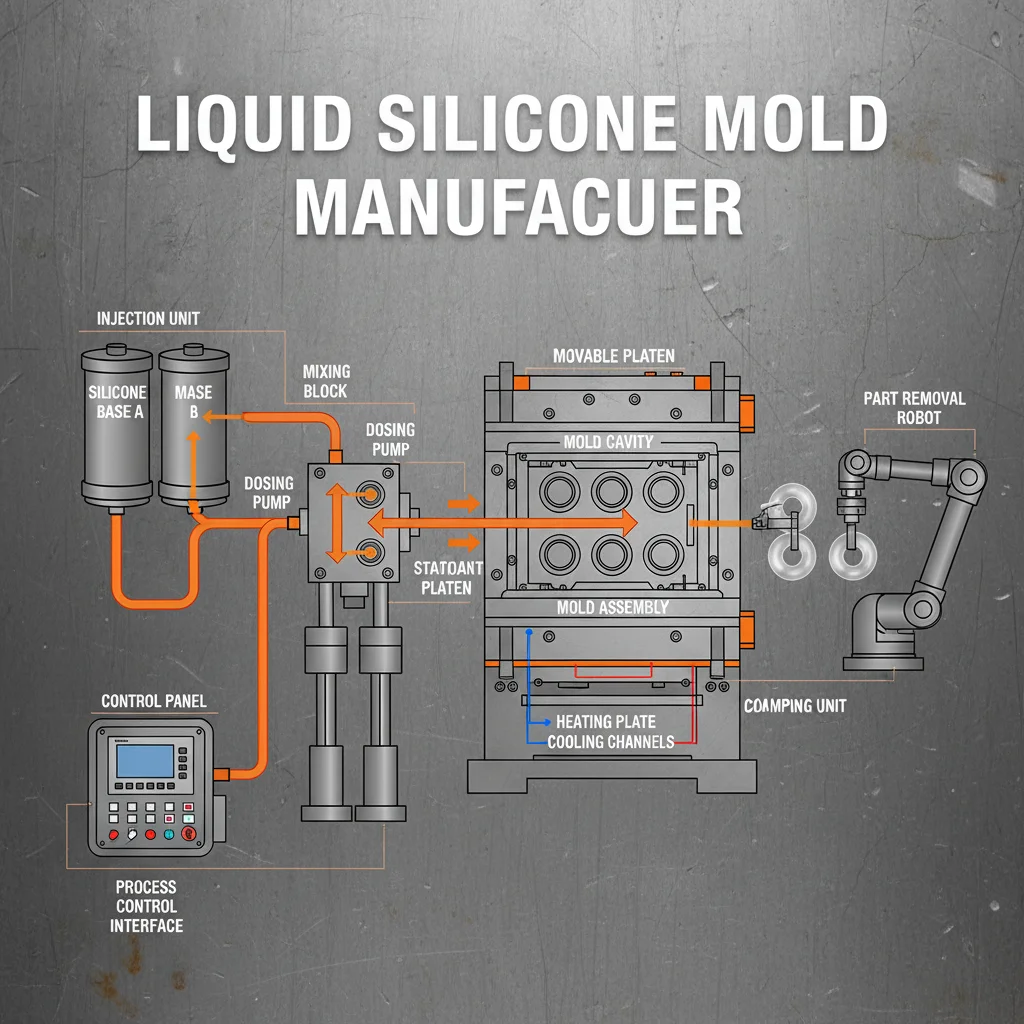
The injection molding process specifically for LSR involves:
From the material perspective, our automotive connectors primarily use high-grade LSR compounds with additives enhancing UV resistance, flame retardancy, and electrical insulation strength meeting UL94 V0 ratings. These comply with IATF 16949 automotive materials standards.
Below is a representative technical specification table:
| Parameter | Typical Value | Standard Reference |
|---|---|---|
| Hardness (Shore A) | 50 - 70 | ASTM D2240 |
| Tensile Strength | 6 - 12 MPa | ISO 37 |
| Thermal Stability | -60°C to +230°C | UL 94 V0 |
| Dielectric Strength | 20 - 25 kV/mm | ASTM D149 |
| Compression Set (22h @ 200°C) | <15% | ASTM D395 |
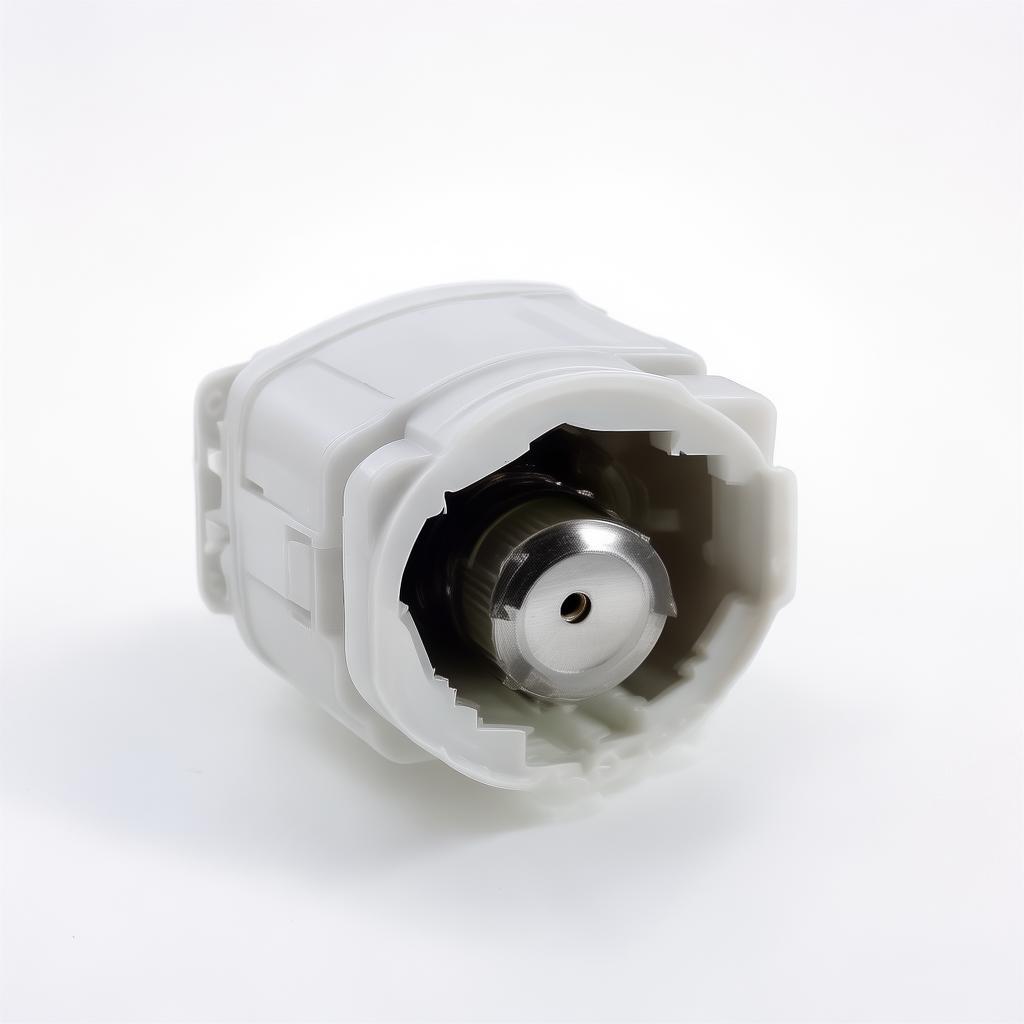
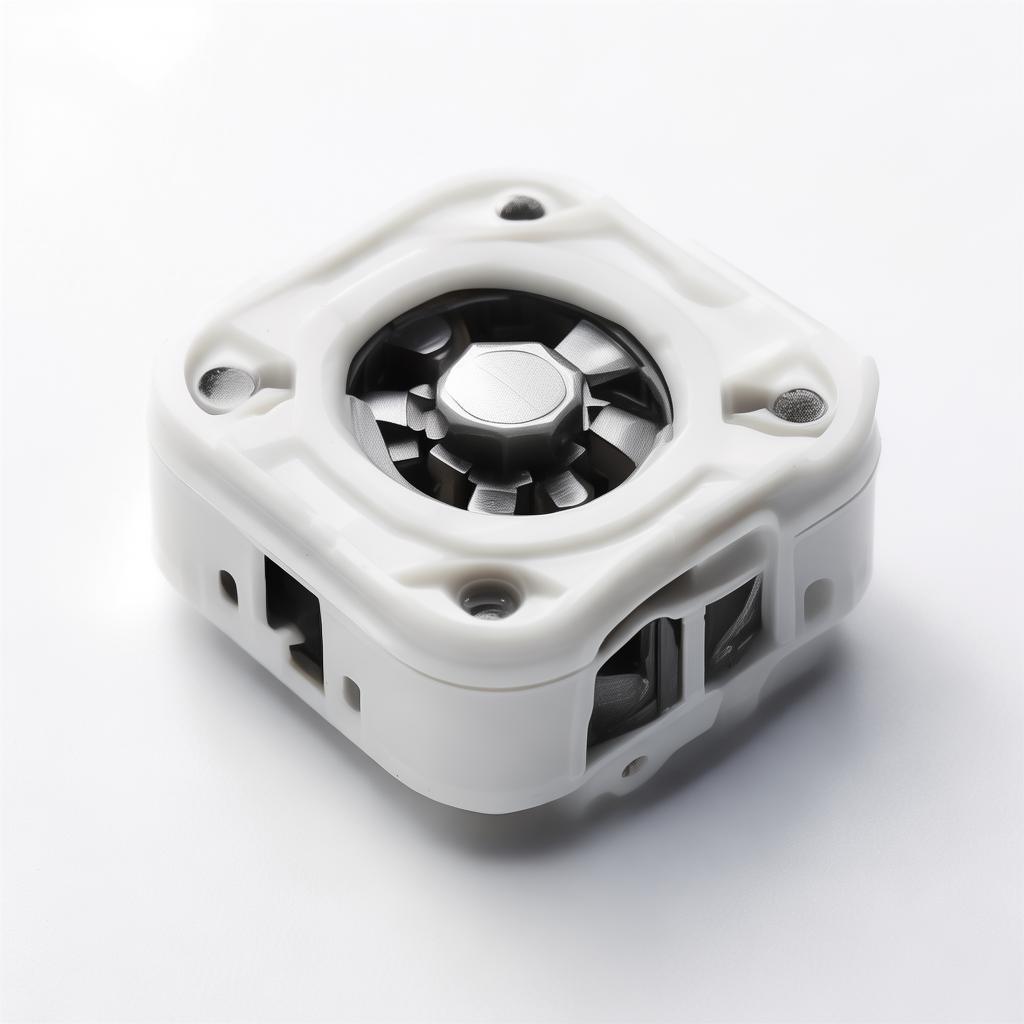
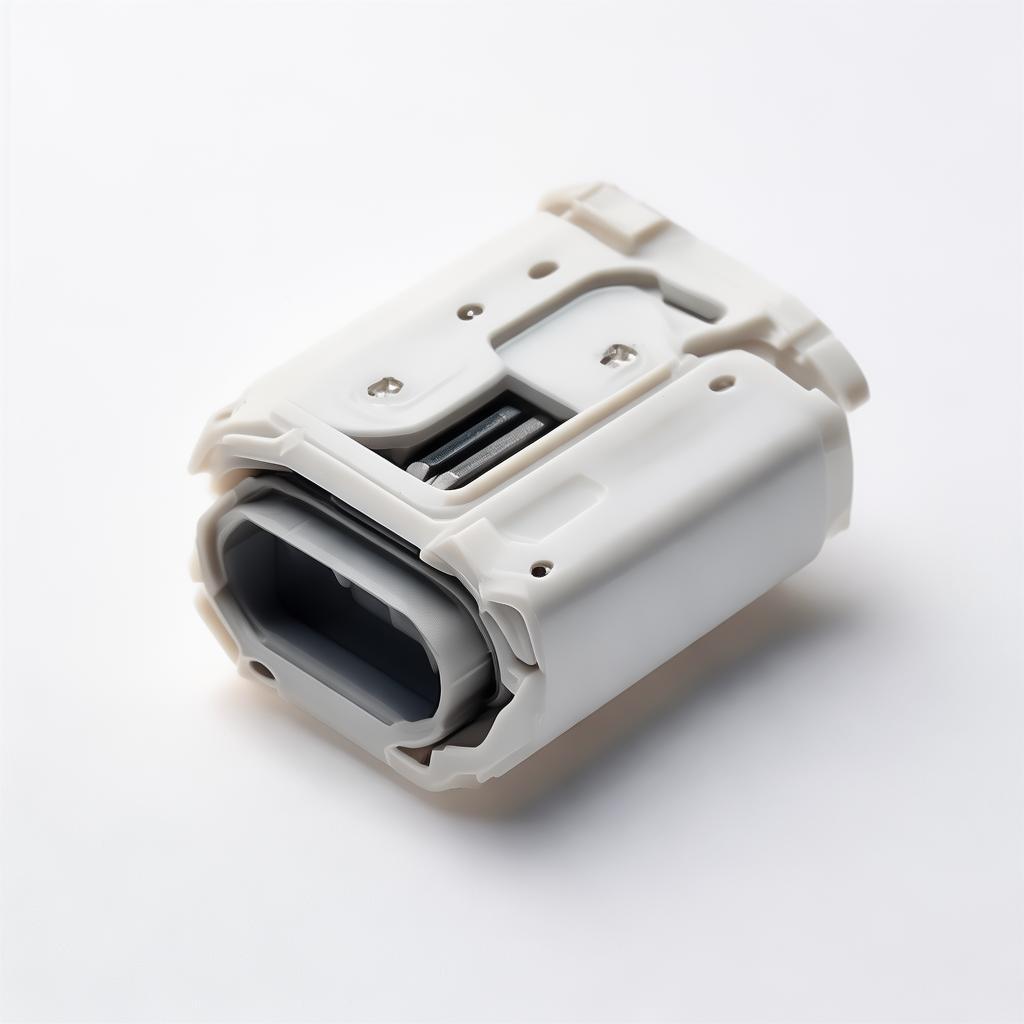
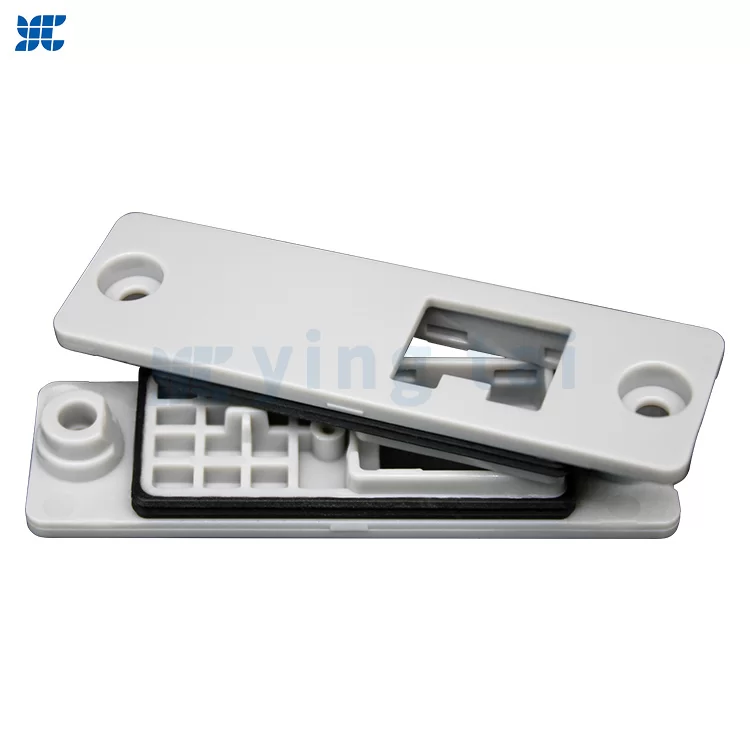
Plastic connectors for automotive wiring harnesses Small car wire plastic connector Automotive electronic connector encapsulation
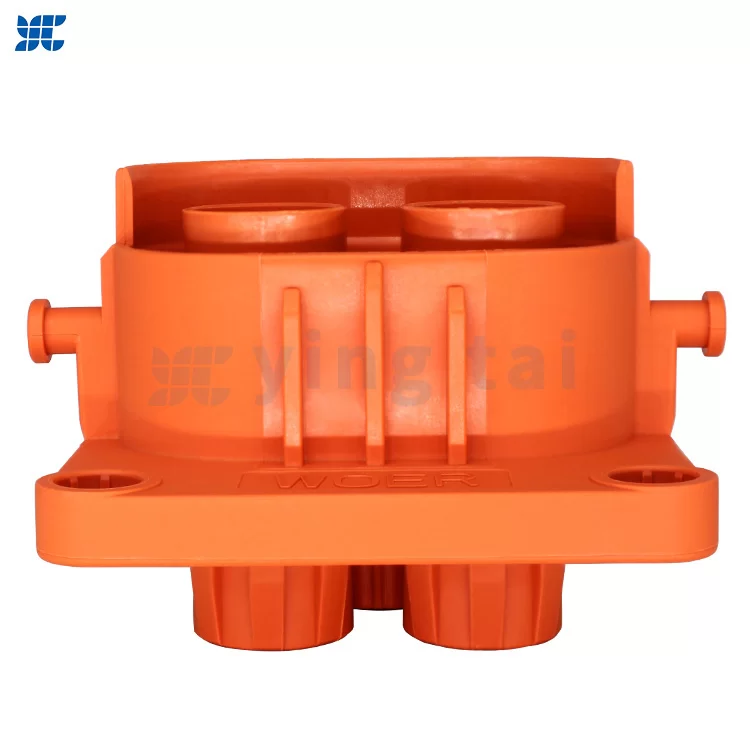
The challenge lies in combining these material properties with precise mold design and injection parameters to achieve series-production consistency, a service we specialize in.
Our injection molded connectors tailored for automotive wire insulation provide a spectrum of operational benefits grounded in our core capabilities, including:
Operational experience shows that choosing a supplier with co-engineering capabilities dramatically reduces costly design iterations. Selection of materials compatible with automotive-grade silicone—a critical factor often overlooked—enables clear certifiable traceability and compliance.
Our automotive wire insulation injection molded connectors find applications across a broad spectrum of vehicle systems, including:
For example, we recently collaborated with a North American OEM engineering team to develop a multi-material connector for a hybrid vehicle wiring harness. Our solution combined LSR injection molding with integrated plastic substrates to deliver enhanced durability while accommodating form factor constraints—a testament to our factory’s technical depth.
Selecting the right injection molded automotive connectors supplier goes beyond pricing. Here are key procurement considerations:
Shortlisting suppliers who demonstrate operational excellence supplements risk reduction strategies essential to managing global supply chains. We encourage buyers to Request Factory Pricing and Talk With Our Engineer for initial technical alignment.
Maintaining compliance with global automotive standards is non-negotiable. Guangdong Yingtai High Precision Technology Co., Ltd. holds:

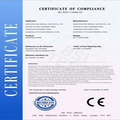

Each production batch undergoes rigorous dimensional inspections, mechanical and electrical testing, and heat aging simulations before shipment. This process aligns with the latest material characterization standards noted in MDPI's Polymer Analysis for predictive molding accuracy and defect minimization.
Robert M., Procurement Manager, Detroit
“Yingtai’s connectors performed flawlessly in our latest EV platform. Their team’s technical support expedited our design approvals, saving weeks in our program.”