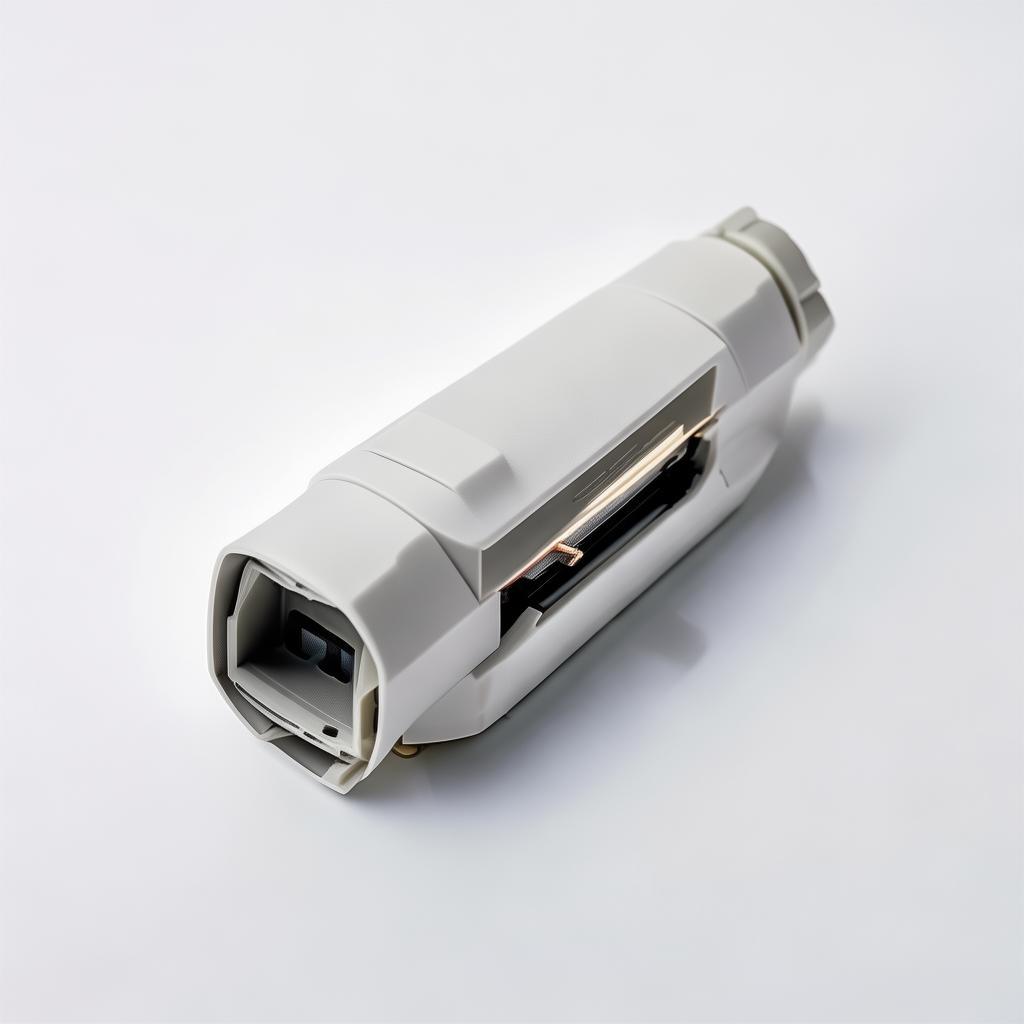
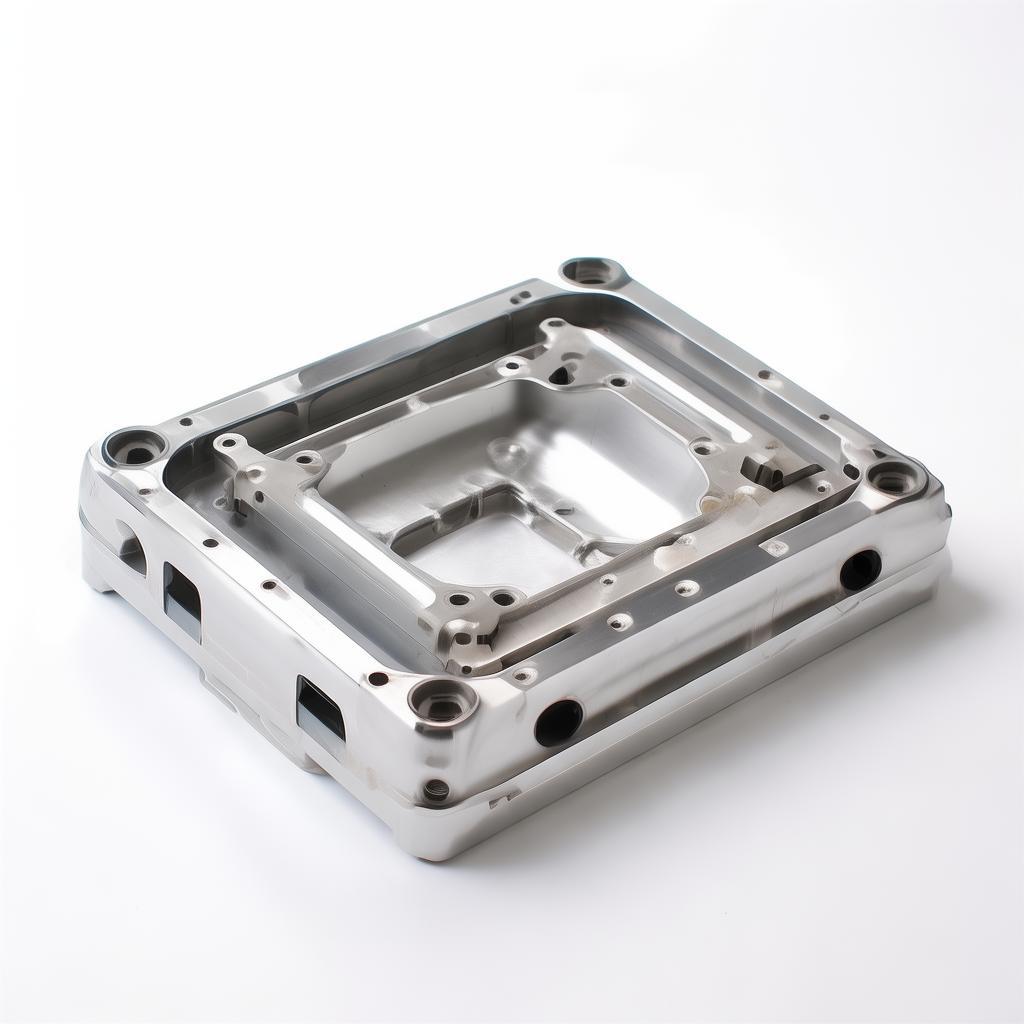
Guangdong Yingtai High Precision Technology Co., Ltd. – Your Trusted Partner in Advanced Axial Parts Manufacturing In today’s precision-driven manufacturing ecosystems, axial components are pivotal in ensuring efficient motion transfer, load management, and structural
Product Details
Axial Components: Precision Engineering for Modern Industrial Applications
Guangdong Yingtai High Precision Technology Co., Ltd. – Your Trusted Partner in Advanced Axial Parts Manufacturing
Axial Components: An Industry Overview
In today’s precision-driven manufacturing ecosystems, axial components are pivotal in ensuring efficient motion transfer, load management, and structural integrity across multiple sectors. From automotive assemblies to high-end electronics, these parts endure both dynamic forces and environmental stresses demanding machining and materials expertise. Procuring axial components today is less about off-the-shelf solutions and more about identifying customizable, high-tolerance parts capable of meeting evolving global standards.
The global market for precision axial parts is shaped by trends favoring lightweight composites, advanced coatings, and innovation in manufacturing processes, especially CNC machining and injection molding where applicable. As far as industrial buyers are concerned, understanding these factors aids in optimizing product lifecycle costs and operational uptime.
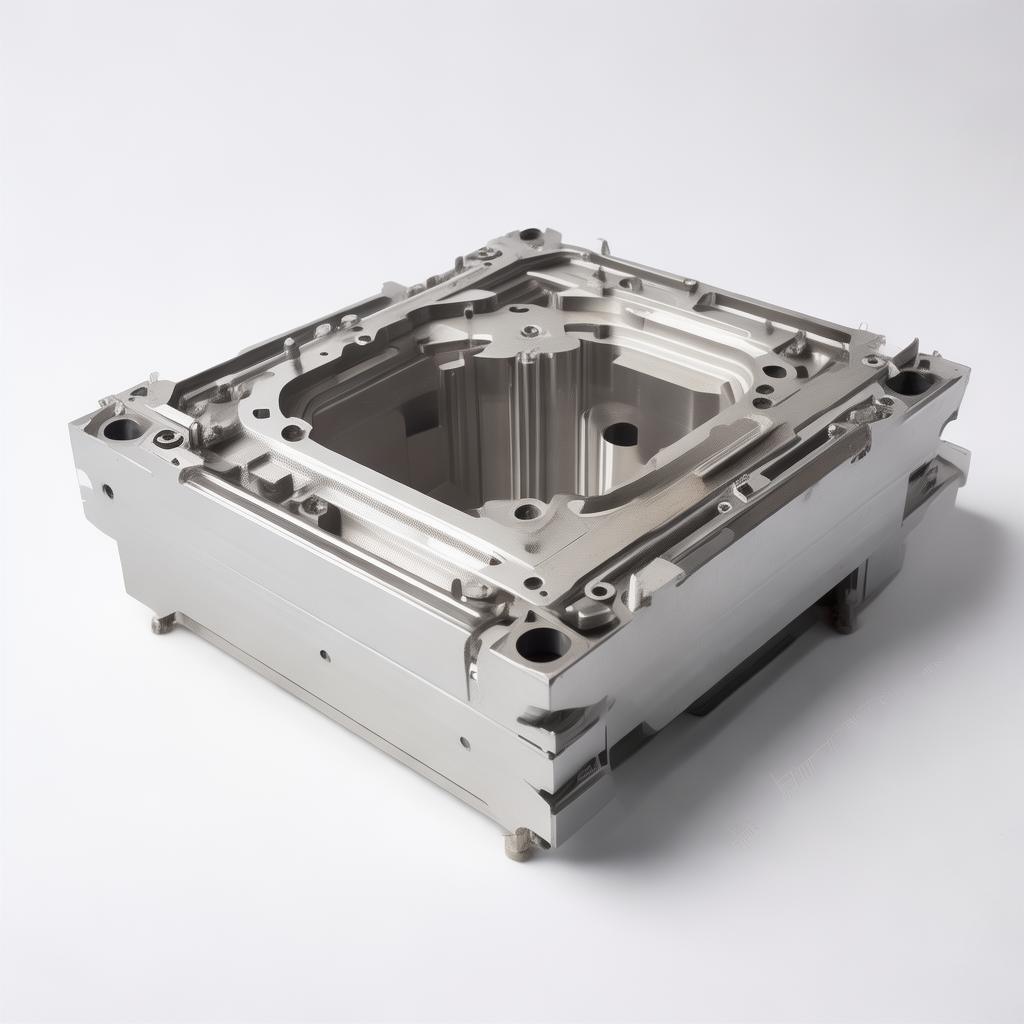
Our facility at Guangdong Yingtai High Precision Technology Co., Ltd. in Dongguan leverages over two decades of experience with advanced injection molding, precision machining, and material science research to meet these needs. Serving sectors ranging from new energy vehicles to consumer electronics and industrial equipment, we pride ourselves on tight tolerance control and superior material quality, supported by international certifications such as ISO9001 and CE.
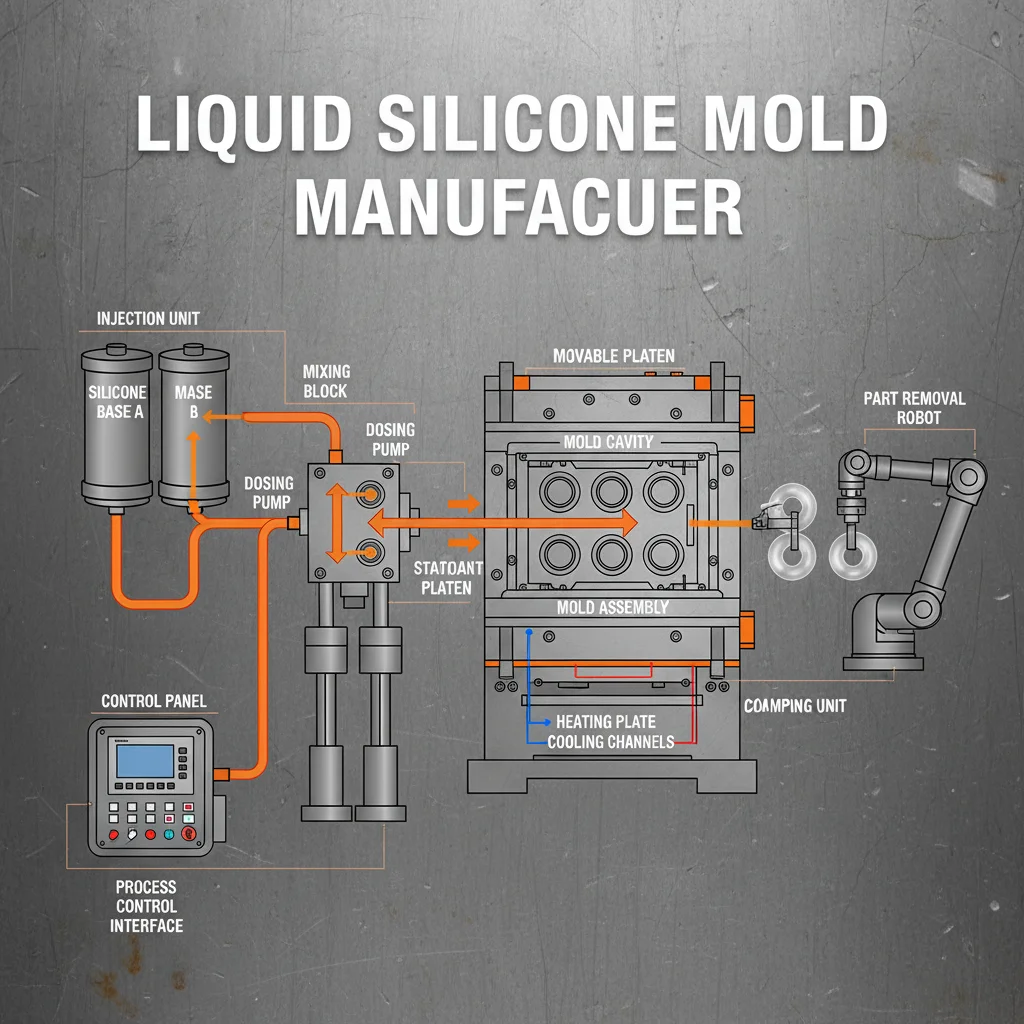
Insights from recent industry reports reinforce this trajectory. For instance, the Global Liquid Silicone Rubber Market highlights a steady CAGR reflecting increased demand for silicone-based and precision molded components, many of which feature axial configurations in seals and connectors. Such authoritative data underscores the critical importance of quality axial parts procurement as a cornerstone of supply chain excellence.
Operational Challenges in Axial Part Procurement
Managing the technical and logistical hurdles in acquiring axial components is a key concern for procurement and operations leaders. Common pain points include:
Material inconsistency: Sub-par raw materials can reduce lifespan and cause premature failure, costly in safety-critical applications.
Tolerance deviations: Even minimal dimensional inaccuracies cause assembly issues worsening over time with stress cycles.
Lead time variability: Offshore shipments introduce unpredictable delays, impacting production schedules.
Lack of process transparency: Difficulty in tracking manufacturing steps and QC checkpoints creates doubts in final product reliability.
Inadequate supplier compliance: Not adhering to standards like ISO 2768 or ASTM can risk certification audits and end-use approvals.
For instance, mechanical engineers have noted that insufficient control over axial shaft hardness and surface finish – critical for bearing interfaces – can lead to increased wear or noise in assemblies. From a procurement standpoint, this translates to costly warranty claims or expedited reorders. Practical advice includes requesting detailed material test reports and inspecting first-article samples before bulk orders.
Moreover, logistics teams often face challenges concerning container optimization and damage prevention for fragile or high-precision axial parts during shipping. Custom packaging solutions and coordinated shipping plans are advisable to mitigate these risks.
Material Selection & Product Advantages
The choice of material profoundly affects performance, manufacturability, and cost-efficiency of axial components. Guangdong Yingtai specializes in a range of materials and manufacturing methods tuned to application needs:
Stainless Steel (304, 316 Grades): Excellent corrosion resistance, ideal for harsh environments and food-grade applications.
Carbon Steel (C45): High strength and machinability, preferred in automotive and mechanical transmission components.
Aluminum Alloys: Lightweight options with superior thermal conductivity for electronics and aerospace sectors.
Liquid Silicone Rubber (LSR) Overmolding: For sealing axial parts, offering thermal stability, biocompatibility, and environmental resistance.
Custom Coatings: Including anti-corrosion plating, PTFE for reduced friction, and anodizing for wear resistance.
To illustrate, the integration of LSR overmolding on axial components enhances sealing capabilities while maintaining flexibility – a crucial factor in medical devices and precision instruments. Our injection molding process employs advanced CAE simulations and quality controls to guarantee consistent dimensional accuracy and material performance as described in recent polymer industry studies.
Operational insight: We advise clients always to balance material hardness and elasticity based on the axial component's function – for example, bearing surfaces versus sealing rings demand distinct material traits to avoid premature wear or deformation.
Typical Applications & Industry Deployments
Axial components from Guangdong Yingtai serve diverse industries, reflecting broad demand profiles and operational requirements:
Note: Our ability to customize designs and implement OEM/ODM solutions means buyers can address specialized requirements such as anti-slip coatings or multi-material integration frequently demanded in advanced medical or robotics applications.
Manufacturing Insights & Technical Specifications
Our commitment to quality starts at the factory floor. With an industrial park spanning 35,000 square meters and equipped with:
55 liquid silicone molding machines
Over 80 automatic plastic injection molding units
20 solid silicone hydraulic presses
30 plus precision machining tools and testing instruments
This breadth enables a seamless workflow from mold development to final inspection, crucial for complex axial components. Each component undergoes rigorous dimensional, hardness, and surface finish testing aligned with ISO 2768-1 and ISO 9001 standards.
Specification
Typical Range / Value
Comment
Dimensional Tolerance
±0.01 mm to ±0.05 mm
Standard per ISO 2768-m
Surface Finish
Ra 0.4 - 1.6 µm
Adjusted per application
Material Hardness
HRC 40 - 60 (steel); Shore A 30-70 (LSR)
Based on part function
Maximum Part Diameter
Up to 400 mm
Sized for medium to large assemblies
Batch Lead Time
3-6 weeks (standard runs)
Varies with complexity & volume
Process Highlight: Our advanced CAD/CAM and CAE integration, coupled with AI-enhanced injection molding parameter settings, supports defect minimization and accelerates prototype-to-production cycles, consistent with the trends highlighted in the latest injection molding optimization research.
Procurement Considerations & Supplier Evaluation
Effective sourcing of axial components requires a strategic approach that addresses product quality, operational risk, and supply chain resilience:
Supplier factory tour and capability audit: Confirm manufacturing scale, equipment, and quality control protocols.
Request for detailed documentation: Material certificates, process flow charts, and test results.
Prototype and sampling: Essential for fit tests and functional validation prior to mass purchase.
Lead time communication: Transparent scheduling including buffer periods for customs clearance and contingencies.
OEM/ODM flexibility: Ability to adapt designs and implement branding or functional customization.
As an export director at Guangdong Yingtai, I’d advise direct interaction with engineering teams during RFQ stages to identify potential technical mismatches early. You avoid costly redesigns and production delays that typically arise from misaligned specifications. Additionally, engaging suppliers with proven export experience ensures smoother handling of logistics documentation, customs clearance, and international compliance.
Operational Tip: Always request container loading optimization plans to reduce freight and handling damages for axial components, which often require secure fixture points inside shipping crates.
Our company offers full transparency with certifications including ISO9001 and CE marking and conducts stringent pre-shipment inspections. We also provide OEM/ODM services, tailoring axial components per specific project requirements with committed lead times and volume scalability.
Buyer FAQs
Q1: What is the minimum order quantity for axial parts?
MOQ varies by complexity and material but typically starts from 500 units per design for standard machining runs. For customized materials or processes like LSR overmolding, MOQ may start at 1,000 units.
Q2: How does Guangdong Yingtai ensure precision tolerance adherence?
We use computerized coordinate measuring machines (CMM) during each batch production and enforce strict monitoring with SPC (Statistical Process Control) to maintain tolerances within ±0.01 to ±0.05mm depending on part specification.
Q3: Are you able to provide samples before full order confirmation?
Yes. Sample production timelines usually require 7–10 days, depending on complexity. This step is critical for design validation and quality assessment.
Q4: What certifications do your axial parts comply with?
Our manufacturing adheres to ISO9001 quality management standards. Additionally, we can produce components compliant with CE, RoHS, and FDA standards as required by the application.
Q5: Can you support multi-material or multi-component assemblies?
Absolutely. Our expertise in multi-component injection molding and overmolding (especially with liquid silicone rubber and thermoplastics) allows us to fabricate integrated axial parts tailored for complex applications such as medical devices and automotive seals.
Real Customer Feedback
Michael T., Procurement Manager (Detroit, MI)
“Yingtai’s axial shafts delivered exceptional consistency for our EV transmission systems. Their adherence to ISO specs saved us multiple inspection cycles and improved assembly line efficiency. The lead times were reasonable given the detailed custom tolerances required.”
Get in Touch
If you have any camping barbeque equipment inquiry, please feel free to contact us.



 Michael T., Procurement Manager (Detroit, MI)