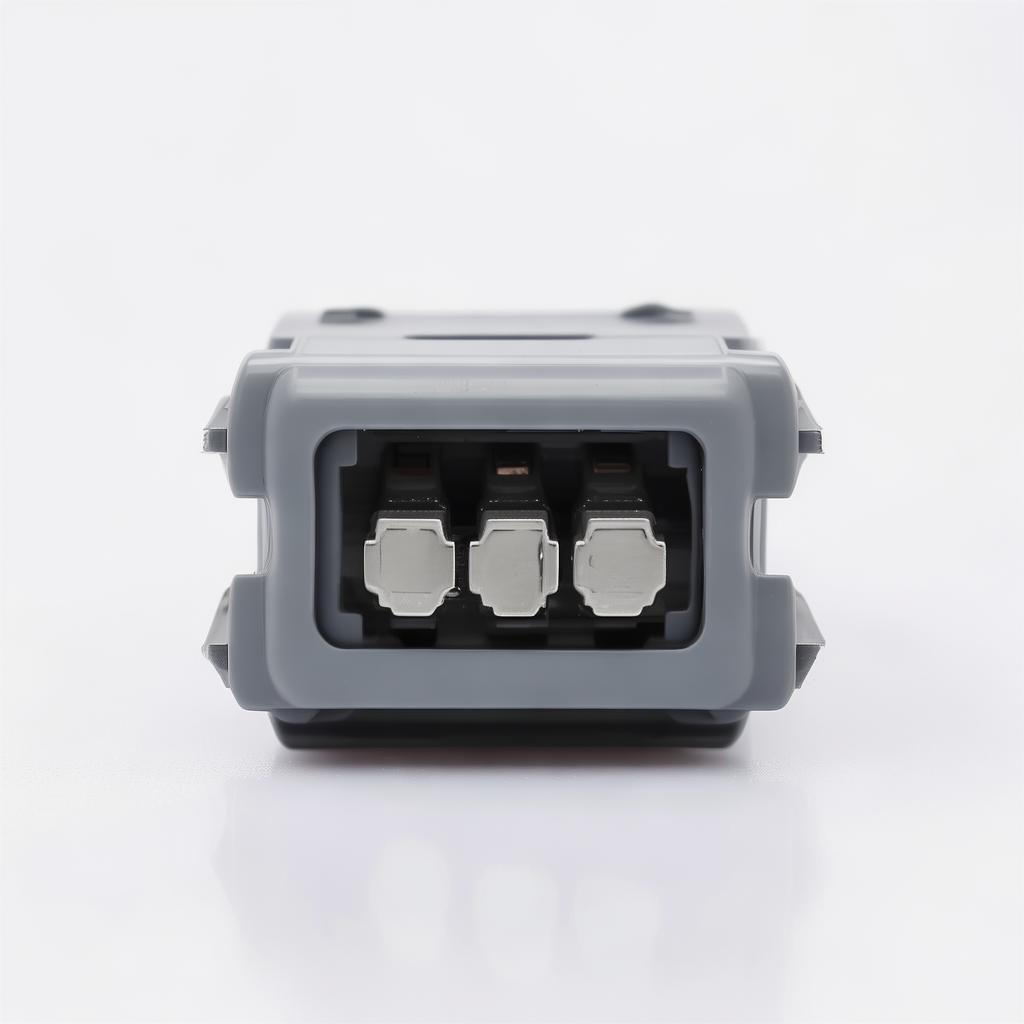
Battery Gaskets Thermal Resistance: A Critical Factor in High-Performance Sealing Solutions
Optimize your battery systems with precision-engineered gaskets designed to withstand demanding thermal conditions. Understand the science, applications, and supplier insights to make confident procurement decisions.
Understanding Industry Thermal Challenges for Battery Gaskets
The reliability of battery systems, particularly in electric vehicles and energy storage applications, hinges largely on the integrity of battery gaskets that must effectively manage thermal resistance. High operating temperatures during charging and discharging cycles pose a major strain on gasket materials that act as a barrier to heat and contaminants.
Thermal resistance in battery gaskets is more than just a material property; it directly impacts battery efficiency, safety, and longevity. Failure to accommodate thermal expansion or insufficient heat insulation can lead to seal degradation, electrolyte leakage, or internal short circuits.
Purchasing managers and technical engineers often struggle with selecting gaskets that balance thermal conductivity and mechanical resilience — especially within the evolving requirements of new energy vehicle standards and industrial battery packs.
- Thermal cycling stress accelerating gasket wear and deformation
- Competing needs for flexibility vs. thermal barrier performance
- Material compatibility with aggressive electrolytes and high-humidity environments
- Cost constraints while maintaining compliance with industry standards such as ISO 12405 and UL safety certifications
In this context, the selection process must involve weighing operational realities, supplier capabilities, and empirical performance data.
Technical Overview: Thermal Resistance in Battery Gaskets
Thermal resistance refers to a gasket’s ability to impede heat flow across its thickness and surface area. It is inversely related to thermal conductivity but closely linked to key properties such as:
- Material composition: Silicone rubber, especially Liquid Silicone Rubber (LSR), excels due to its heat stability up to 250°C and flexibility.
- Thickness & density: These physical parameters affect insulation efficiency without compromising seal integrity.
- Surface texture and compression: Affects contact resistance and thermal bridging effects within assembled battery units.
- Manufacturing method: Injection molding (LSR), compression molding, and overmolding each influence thermal and mechanical performance outcomes.
Generally, battery gaskets made from high-grade silicones and fluorosilicone blends provide superior resistance to temperature fluctuations and chemical exposure. For example, materials certified to UL 94 V-0 offer flame retardance essential for battery safety.
Advanced characterization techniques—including rheological testing and computer-aided engineering simulations—allow manufacturers to optimize curing profiles and accurately predict thermal resistance in real-world conditions. This reduces costly production trial runs and guarantees tighter tolerances.
From an operational perspective, it is worth noting that improper material characterization or supplier inconsistencies can lead to unpredictable gasket shrinkage or degradation under thermal cycling, which impacts the battery module’s reliability and warranty claims.
Product Advantages and Material Insights
Choosing the right gasket is a nuanced decision involving:
- Liquid Silicone Rubber (LSR): Offers unmatched thermal resistance combined with flexibility and chemical inertness. It also supports intricate mold designs, resulting in tighter sealing tolerances and repeatable performance.
- Fluorosilicone rubber (FVMQ): Favored in aggressive chemical environments, adding resistance to fuels, lubricants, and battery electrolytes while maintaining thermal stability.
- Compression and Overmolded Gaskets: These manufacturing methods influence seal performance. Overmolding ensures integrated seal-substrate bonding, preventing delamination at elevated temperatures.
- Anti-slip backing or integrated polyethylene yarn reinforcement: Improves mechanical strength and installation reliability, which is crucial in multi-layer battery modules.
For example, Guangdong Yingtai’s gaskets utilize precision injection molding machines—over 55 LSR molding presses—with cycle times optimized for consistent mechanical and thermal properties.
Highlighted operational detail: Many clients report that thermal resistance is substantially improved when gaskets maintain compression set below 10% after prolonged exposure to 200°C, translating to longer maintenance intervals and reduced downtime.
Certifications such as:
- ISO 9001 Quality Management
- CE & RoHS Compliance
- REACH Chemical Safety Standards
underscore the manufacturing quality and environmental compliance essential to global supply chains.
Application Scenarios & Environmental Considerations
Battery gaskets with high thermal resistance find extensive use across sectors including:
- Electric Vehicle Battery Packs: High thermal load during rapid charging cycles demands reliably stable gaskets to prevent heat leakage and maintain hermetic seals.
- Renewable Energy Storage Systems: Modular battery banks operating under fluctuating outdoor temperatures require gaskets resistant to UV and ozone degradation alongside heat resistance.
- Consumer Electronics and Wearables: Miniature sealed battery compartments benefit from LSR gaskets for thermal management and mechanical cushioning.
- Industrial Equipment Batteries: Harsh chemical exposure and temperature cycling necessitate fluorosilicone gaskets for prolonged operational integrity.
Environmental factors such as humidity, vibration, and thermal expansion coefficients of adjacent materials must be accounted for in gasket design and selection. This is often overlooked but critical to preventing seal failure and electrolyte leakage.
Installation and Maintenance Insights
Professionals in the field acknowledge that even the most advanced gasket materials fail to deliver expected performance if improper installation or maintenance protocols are followed.
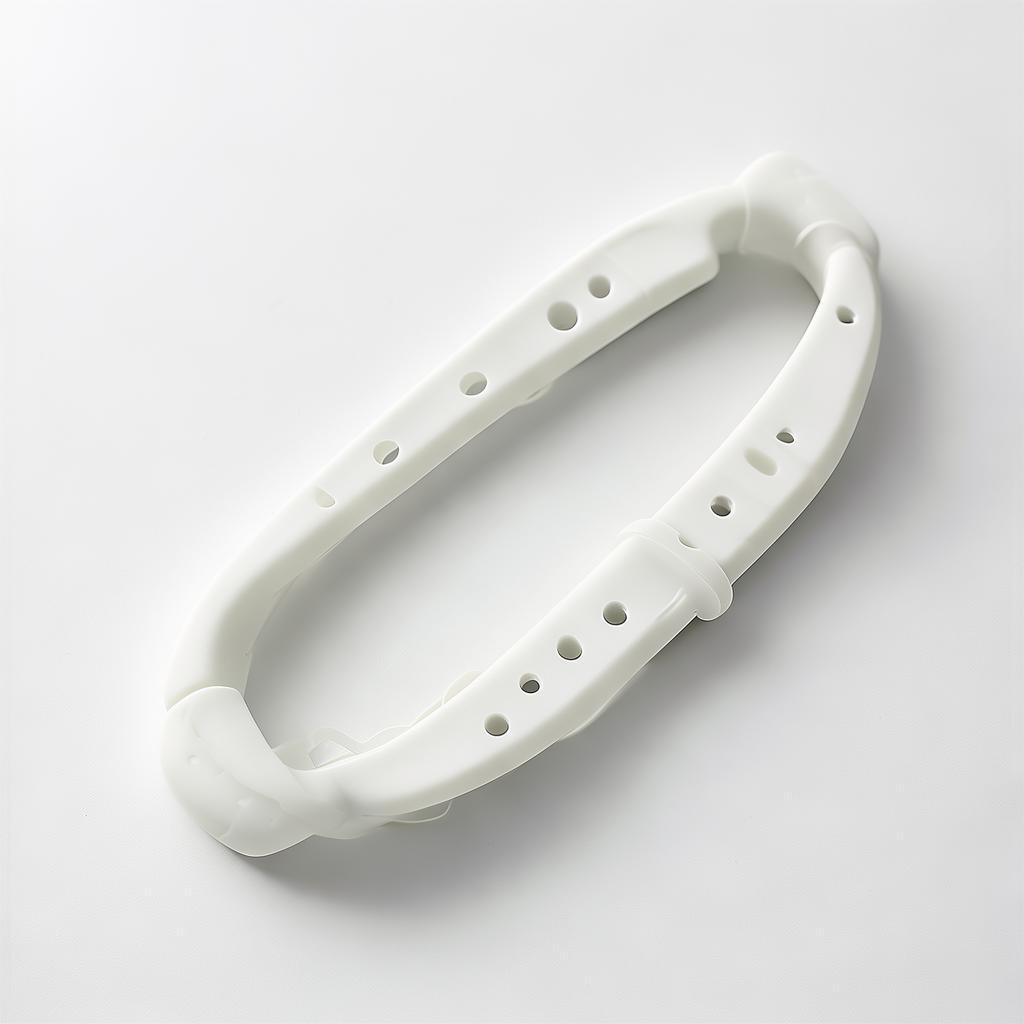
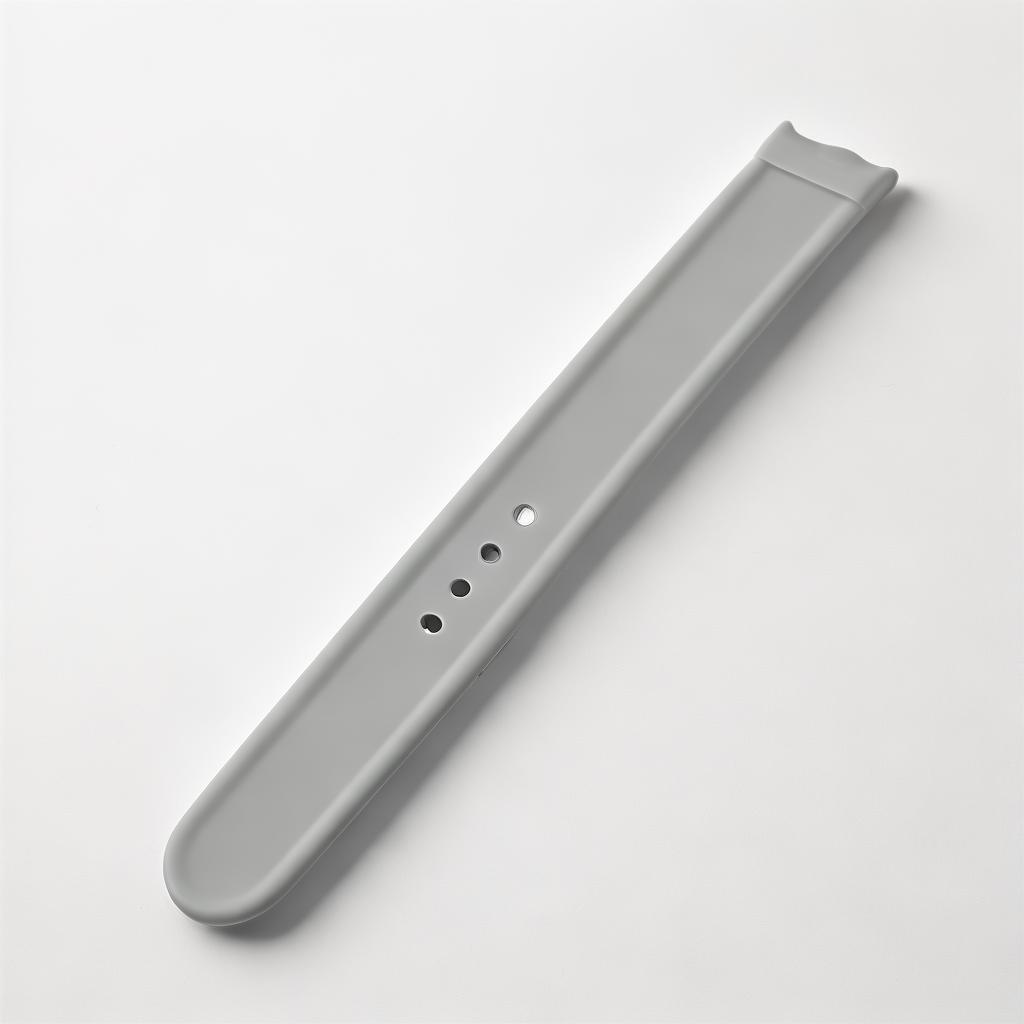
heat resistant silicone gasket heat resistant plastic material abs filament heat resistance
Installation tips include:
- Ensuring surfaces are clean, dry, and free from oil or dust before gasket placement to maintain thermal conduction and seal uniformity.
- Avoiding excessive compression which can reduce gasket thickness, thereby lowering thermal resistance and risking mechanical damage.
- Verifying correct orientation for asymmetric gasket profiles common in overmolded designs.
On the maintenance side, regular inspections to detect material fatigue, thermal cracking, or degradation are vital. Gaskets exposed continuously above 150°C warrant inspection every 6 to 12 months depending on operational load cycles.
Operational reality: Several projects report cost savings by adopting predictive gasket replacement schedules guided by thermal cycling data rather than reactive maintenance.
Procurement Guidance & Supplier Evaluation
When sourcing battery gaskets with thermal resistance, purchasers must evaluate suppliers beyond just price:
- Manufacturing capacity & lead time: Ask for details on production volumes, mold availability, and flexibility for sample runs versus bulk orders.
- Material certification & traceability: Confirm that raw materials meet relevant certifications and can be tracked from batch to batch to ensure consistency.
- Technical support & customization: Does the supplier offer OEM/ODM services and in-house R&D for thermal and mechanical performance tailoring?
- Logistics expertise: Suppliers experienced in container loading optimization and international shipping reduce risk and delay.
- Testing capabilities: Look for access to thermal and mechanical testing labs with industry-standard equipment to verify gasket performance under simulated conditions.
Guangdong Yingtai High Precision Technology Co., Ltd. is notable for a vertically integrated manufacturing approach, combining in-house mold development with advanced injection molding and testing facilities. With over 20 years of experience and strict quality controls, Yingtai provides reliability and scalability for demanding battery gasket applications.
Requesting a free sample or custom factory pricing can be your first step to validate product fit and supplier capability.
What Our Clients Say

"Yingtai’s gasket solutions significantly improved our thermal management in EV battery modules. The reduction in thermal degradation and consistent seal quality were noticeable within the first production batch."

"Their expertise on thermal resistance characteristics and on-time delivery helped us keep project timelines tight. The OEM customization was especially helpful for our unique battery casings."

"Using their high-thermal-resistance gaskets reduced our maintenance frequency and improved product lifespan for wearable batteries. Their technical support was detailed and practical."
Frequently Asked Questions
Thermal resistance ensures heat does not build up excessively within battery cells, preventing thermal runaway and maintaining the gasket’s mechanical integrity to avoid leakage or short circuits.
Liquid Silicone Rubber (LSR) and fluorosilicone rubbers are preferred for their stable performance from -60°C to +250°C, chemical resistance, and longevity under thermal cycling.
Yes, look for ISO 9001 quality systems, UL 94 for flame retardancy, RoHS for material safety, and supplier traceability for consistent batch quality.
Ensure proper surface preparation, avoid over-compression, and verify correct placement orientation to maintain designed thermal and sealing properties.
Yes, Guangdong Yingtai offers OEM/ODM services tailored to your thermal and dimensional specifications with rapid prototyping and scalable production capabilities.