Expert Solutions from Guangdong Yingtai High Precision Technology Co., Ltd. In today’s industrial landscape, the bellows rubber boot has emerged as a vital component across a wide range of manufacturing and mechanical applications. Designed
Expert Solutions from Guangdong Yingtai High Precision Technology Co., Ltd.
Understanding Bellows Rubber Boots: Industry and Technical Overview
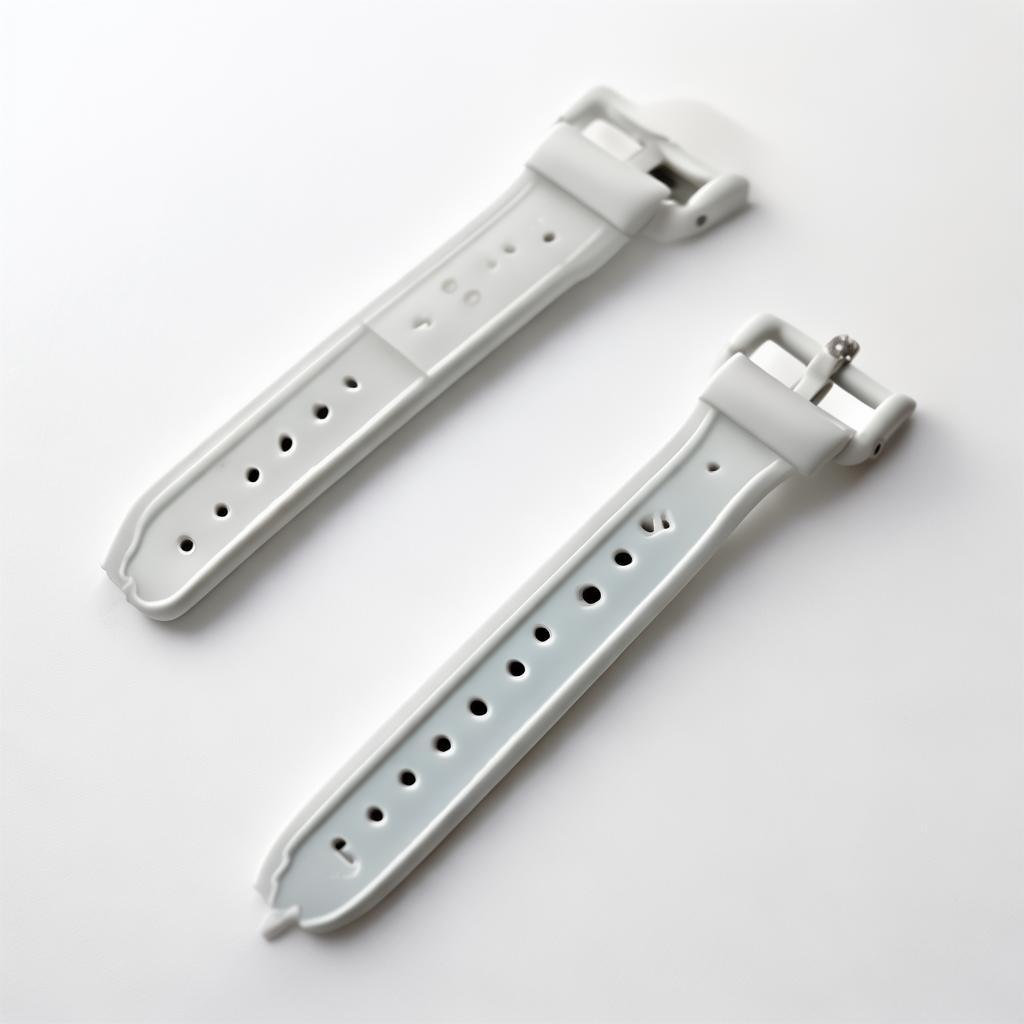
In today’s industrial landscape, the bellows rubber boot has emerged as a vital component across a wide range of manufacturing and mechanical applications. Designed to provide flexible, robust sealing and protection, these bellows serve as protective covers for mechanical joints, shafts, and other moving parts subject to harsh environmental conditions. Their signature accordion-like, multi-fold structure offers superior compression and extension capabilities, accommodating complex movement without compromising sealing integrity.
From automotive drive shaft protection to CNC machine tool safeguarding and even industrial robotic arms, bellows rubber boots act as indispensable barriers against dirt, moisture, chemical spills, and abrasive particles. They significantly extend the lifespan of sensitive components by preventing contaminants and reducing wear. As OEM standards evolve towards higher precision and durability demands, bellows boots manufactured with advanced materials, such as liquid silicone rubber (LSR), have risen in prominence due to their excellent heat resistance, flexibility, and longevity.
The manufacturing of these boots typically involves injection molding of high-grade elastomers, often following ISO 9001-certified quality management processes. Modern equipment, including liquid silicone molding machines and precision tooling, allows for the production of custom-tailored bellows to meet stringent dimensional tolerances and complex application requirements.
According to recent market analyses, the global liquid silicone rubber (LSR) market is expected to grow at a CAGR of between 6.5% and 9.3% through the next decade, fueled by increasing demand in automotive, medical, and industrial sectors (Grand View Research, 2023; Research Nester, 2025). This growth translates into more advanced, reliable bellows rubber boots that withstand higher strain and exposure.
While often overlooked in procurement specifications, selecting the right bellows rubber boot requires assessing many technical parameters—elastic modulus, tear strength, surface finish, UV resistance, chemical compatibility, and expected operating temperature range. Neglecting these factors can lead to premature failures, increased downtime, and higher lifecycle costs—challenges faced by operations managers and purchasing directors worldwide.
In operational terms, the installation and ongoing maintenance of bellows boots carry considerations for both labor efficiency and system reliability. Poorly fitted boots may cause binding or tearing, whereas correctly engineered and installed units contribute to longer service intervals and reduce the need for emergency replacements.
This article breaks down these essential aspects of bellows rubber boots manufacturing, application, and procurement to aid purchasing managers, engineers, and supply chain professionals in making well-informed decisions that reduce risk and maximize ROI.
Common Industry Challenges and Procurement Risks
Despite their seemingly simple design, bellows rubber boots pose a series of procurement and operational challenges, particularly in large-scale industrial contexts:
Material degradation: Exposure to oils, solvents, and extreme temperatures can cause common rubber compounds to swell, crack, or fail prematurely, affecting system performance.
Dimensional variability: Inconsistent molding tolerances or poor tooling design can lead to improper fits, resulting in leakage or stress concentrations during movement.
Supplier reliability: Overseas vendors may offer attractive pricing but lack transparent quality assurance processes, posing risks in order fulfillment, certification compliance, and timely delivery.
Installation difficulties: Complex boot geometries and material stiffness influence ease of assembly; lack of precise cut lines or fitting instructions increases labor costs and downtime.
Custom design limitations: Off-the-shelf boots might not meet unique application conditions—requiring costly redesign and longer lead times.
Procurement directors caution against sourcing purely on price. A representative from an automotive supplier observed, "Many projects invest in cheapest boots upfront, only to face out-of-sync replacement cycles that disrupt scheduled maintenance windows." These operational impacts underline why robust supplier evaluation and technical consultation are crucial steps to mitigating risk.
Additionally, international shipping complexities—ranging from container loading efficiencies to compliance with hazardous material regulations—add a logistical layer often underestimated in purchase planning. Choosing a manufacturing partner with deep export expertise and optimized packaging solutions can significantly ease these hurdles.
Material Comparison and Product Benefits
Among materials used for bellows rubber boots, liquid silicone rubber (LSR) stands out as an industry favorite for high-performance applications. It offers:
Wide temperature tolerance: From -60°C up to +230°C, enabling use in both industrial ovens and cryogenic systems.
Excellent chemical and UV resistance: Maintains integrity under exposure to oils, fuels, and ultraviolet light.
High tear strength and elasticity: Accommodates repeated dynamic cycles without cracking or deformation.
FDA and CE compliant grades: Suitable for food-grade and medical applications, meeting stringent safety standards.
Transparency and color options: Facilitates visual inspection or brand customization.
Standard rubber compounds such as nitrile (NBR) or EPDM remain popular alternatives where cost sensitivity or static sealing is acceptable. However, they often fall short in extreme conditions, particularly when resistance to heat or chemicals is paramount.
Many operational experts note that bellows molded from LSR usually deliver longer service life and easier compliance with international export standards. This is especially important for industries such as aerospace and medical components, where reliable standards adherence reduces procurement friction.
Technical Specifications & Manufacturing Insights
At Guangdong Yingtai High Precision Technology Co., Ltd., our bellows rubber boot production leverages state-of-the-art technologies including:
55 sets of liquid silicone injection molding machines with multi-shot capacity
Over 80 advanced automatic plastic injection molding machines to combine materials and improve part functionality
Precision machining tools enabling tolerances as tight as ±0.05 mm, critical for demanding mechanical assemblies
20 sets of solid silicone hydraulic presses for ultra-durable boot variants
Comprehensive quality inspection instruments including digital calipers, tensile testers, and UV aging chambers
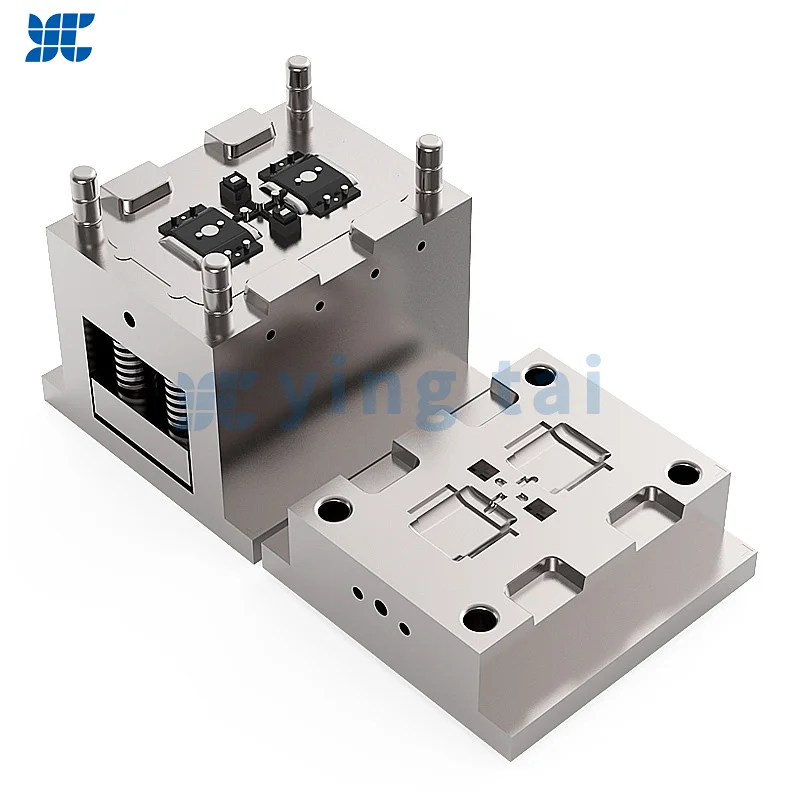
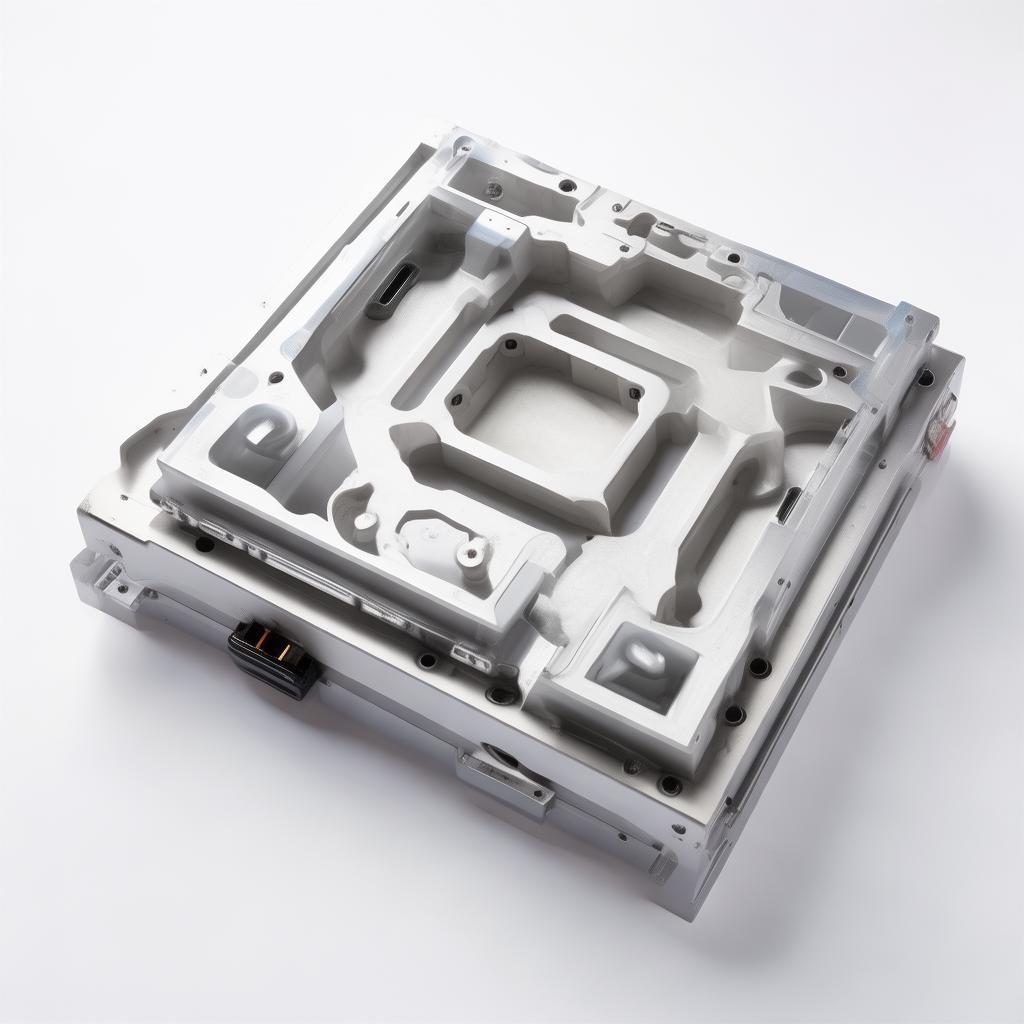
Our production workflow is designed to be a fully integrated system from mold design & development through injection molding and finishing. Experienced mold engineers employ CAE simulations and material characterization techniques aligned with recent studies (see MDPI Paper on Material Characterisation for LSR) to minimize defects and maintain consistent cavity filling during molding.
Specification
Value
Standard / Test Method
Shore Hardness
30-70 Shore A (customtailed)
ASTM D2240
Tensile Strength
≥ 7 MPa (varies with compound)
ASTM D412
Elongation at Break
≥ 400%
ASTM D412
Thermal Stability
Up to 230°C Continuous
ASTM D573
UV Resistance
Excellent (no cracking after 500h exposure)
ASTM G154
Note: Technical data may vary based on compound formula and customer requirements. Customized boot designs including multi-layer overmolding and embedded reinforcement are available.
Bellows rubber boots find use in diverse mechanical and industrial domains—responding to application-specific performance challenges:
Automotive: Drive shaft protection, steering rack boots, shock absorber covers; withstand road debris, oils, and wide temperature variations.
Machine Tools & Automation: Protect guide rods and linear bearings from chips, coolant splash, and dust, enhancing machine uptime.
Robotics & Soft Actuators: Bellows act as flexible, durable covers sealing sensitive joints while accommodating complex degrees of freedom.
Household Appliances: Flexible seals for pistons and moving components where chemical and thermal resistance matter.
Medical Devices: Customized bellows made from medical-grade LSR providing biocompatibility and sterilization resistance.
From an installation perspective, key details include:
Ensure correct orientation: Directional folds reduce stress and wear during expansion and contraction.
Adequate lubrication: When applicable, use manufacturer-recommended grease to avoid rubber deterioration.
Check fit tolerance: Verify precise dimensional compatibility with mating components per OEM specs.
Avoid over-stretching: Extended bellows beyond design limits might tear — consider commonly reported failures in field service.
Routine inspection intervals: Visual checks every 3000 operational hours or during scheduled maintenance help catch early degradation.
Contractors praise the reduced installation time for modern injection-molded bellows, noting "faster assembly with consistent sealing performance simplifies field repairs and reduces labor costs." Integrating bellows with modular fastening methods and clear installation guidelines leads to safer, quicker on-site operations.
Guangdong Yingtai High Precision Technology Co., Ltd. operates from Dongguan’s renowned manufacturing hub, offering unmatched precision production capacity and technical support:
35,000 sqm advanced industrial park with integrated mold development and manufacturing workflow
Full range of equipment including 55 liquid silicone rubber molding machines and 80 automated injection molding stations
Expert team exceeding 500 staff, specializing in liquid silicone, overmolded seals, and plastic precision components
Strict quality control procedures aligned with ISO 9001 and CE certification compliance
Experience supplying high-demand sectors including new energy vehicles, consumer electronics, and industrial appliances globally
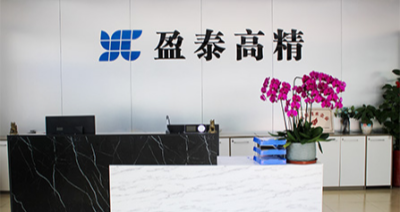
State-of-the-art production line at Guangdong Yingtai.
Our OEM and ODM services cater to tailored requirements. Whether refining boot geometry, incorporating embedded metal reinforcements, or layering multi-material constructions, our engineers engage directly with clients through collaborative development channels. Lead times typically range from 4 to 8 weeks depending on tooling complexity, allowing agile response to urgent orders.
Interested buyers can request factory pricing or talk with our engineer to explore custom design options and receive detailed technical data sheets.
Buyer FAQs
Q1: What advantages do liquid silicone rubber bellows offer over traditional rubber types?
Liquid silicone exhibits superior temperature tolerance, chemical inertness, and durability. It is particularly effective for applications requiring frequent flexing and exposure to harsh conditions.
Q2: Can Guangdong Yingtai produce custom-sized bellows for niche industrial machinery?
Absolutely. We offer tailored OEM/ODM manufacturing to meet precise dimensional and material requirements, supporting both low and high volume orders.
Q3: What are the typical lead times for prototype and production runs?
Prototype molds can often be delivered within 3-4 weeks. Production lead times depend on order quantity but typically range from 4 to 8 weeks.
Q4: How do you ensure consistent quality and compliance?
Our factory implements strict quality control throughout production, employing precision testing instruments and conforming to ISO 9001 and CE standards. We provide certifications upon request.
Q5: Are samples available for evaluation before purchase?
Yes, samples can be provided to qualified buyers upon request, supporting hands-on assessment and integration testing.
Client Testimonials and Real-World Feedback
"Switching to Yingtai’s LSR bellows improved the sealing durability on our EV assembly line. Delivery times matched our production cycles exactly, helping us avoid costly downtime."
- Michael J. Reynolds, Procurement Manager, GreenDrive Automotive, Detroit, USA
Get in Touch
If you have any camping barbeque equipment inquiry, please feel free to contact us.