Guangdong Yingtai High Precision Technology Co., Ltd. | Export Director: Miss Zhang The demand for heat resistant 3D filaments has climbed steadily within sectors requiring reliable prototyping and functional part manufacturing that endure elevated
Product Details
Best 3D Filament for Heat Resistance: An Industrial Procurement Guide
Guangdong Yingtai High Precision Technology Co., Ltd. | Export Director: Miss Zhang
Industry Overview & Operational Context
The demand for heat resistant 3D filaments has climbed steadily within sectors requiring reliable prototyping and functional part manufacturing that endure elevated temperatures. As manufacturing managers and procurement specialists are fully aware, selecting the right filament is pivotal — a wrong choice can lead to production halts, costly reworks, or even safety risks.
Heat resistance isn’t just about withstanding temperatures on a datasheet; it translates directly into operational uptime, service life, and material stability in applications like automotive under-hood components, aerospace fixtures, and electronic housings. Yet, navigating the landscape of available filaments—from PEEK and PEI to specialized high-temp PLA variants—can overwhelm even seasoned technical engineers.
One challenging aspect is balancing thermal tolerance with mechanical durability and printing feasibility. For instance, ultra-high-temperature polymers demand exotic extrusion equipment and dry storage solutions, factors often underestimated during procurement planning. Equally, logistics constraints matter: filaments sensitive to humidity or contamination need prompt airtight handling and container loading practices tailored for long-distance export.
A practical procurement tip: always confirm suppliers’ production workflows, including compliance with ISO 9001 or material-specific standards like UL 94 V-0 for flame retardancy. Our own experience at Guangdong Yingtai High Precision Technology underlines how integrating precision mold development with material selection elevates end-product resilience and consistency.
Equipped with over 20 years in manufacturing, our team understands the production cadence required for OEM and ODM projects—a detail imperative in international B2B transactions where lead times, batch consistency, and after-sales frameworks impact supply chain fluidity.
Heat resistant 3D filaments are categorized primarily by their thermal performance, measured either as the Heat Deflection Temperature (HDT) or the Glass Transition Temperature (Tg). More than numbers, these metrics predict the filament’s usability in environments exceeding typical thermal loads.
Among polymers, these are commonly chosen for heat-resistance:
PEEK (Polyether Ether Ketone): Outstanding heat resistance up to 250°C, excellent mechanical properties, but requires high extrusion temperatures (~400°C). Suitable for aerospace and medical parts.
PEI (Polyetherimide) / ULTEM: Heat resistance around 215°C, known for flame retardance and chemical stability. Often used in electronics and structural applications.
Nylon (PA): Heat resistant up to ~150°C depending on type; requires drying due to hygroscopic nature. Favored in automotive and industrial gears.
Polycarbonate (PC): Flame retardant and heat resistant to 150-160°C; prints at moderate to high temperature with good toughness.
High Temp PLA blends: Modified PLA filaments infused with heat resistant additives, usable up to 110-130°C but with limited mechanical robustness compared to engineering-grade plastics.
Thermally stable filaments also differ in printability, warping behavior, moisture sensitivity, and post-processing ease. Absence of attention to these leads to production defects manifesting as layer delamination or dimensional inaccuracies.
It's important to remember: heat resistance doesn’t guarantee chemical or UV stability. For outdoor or chemically aggressive environments, filaments with additional stabilizers or coatings might be necessary. Often, manufacturers combine filament selection with overmolding or secondary treatments aligned with ISO or RoHS compliances.
Material Comparison & Technical Specifications
Material
Heat Deflection Temp. (°C)
Extrusion Temp. (°C)
Common Applications
Considerations
PEEK
250
380-460
Aerospace, Medical, Automotive
Requires industrial-grade 3D printers, costly filament
PEI (ULTEM)
215
340-400
Electronics, Structural Components
Moisture sensitive, requires heated bed
Nylon
150
250-290
Gears, Housings, Functional Parts
Hygroscopic, dries before printing
Polycarbonate (PC)
150-160
280-320
Safety Gear, Automotive, Electrical
Warping common without enclosure
High Temp PLA Blend
110-130
190-230
Concept Models, Low-Stress Parts
Lower strength, brittle
*Data sourced from manufacturer datasheets and verified industrial testing; actual performance varies based on printer calibration and environmental conditions.
Application Scenarios in Industrial Production
Several industrial arenas require 3D printed components to withstand thermal cycles up to and beyond 200°C, often in harsh operational environments:
Automotive Under-Hood & Engine Components: PEEK and PEI filaments dominate due to their mechanical strength and resistance to heat and chemical exposure. Proper post-processing ensures dimensional stability under vibration and temperature fluctuations.
Electronics & Electrical Enclosures: Polycarbonate and flame-retardant PEI filaments are preferred for parts exposed to heat generation and electrical arc risks, meeting UL 94 V-0 standards to prevent fire propagation.
Aerospace & Defense: Certification and traceability are crucial, with aerospace-grade PEEK featuring prominently where thermal and mechanical toughness coincide.
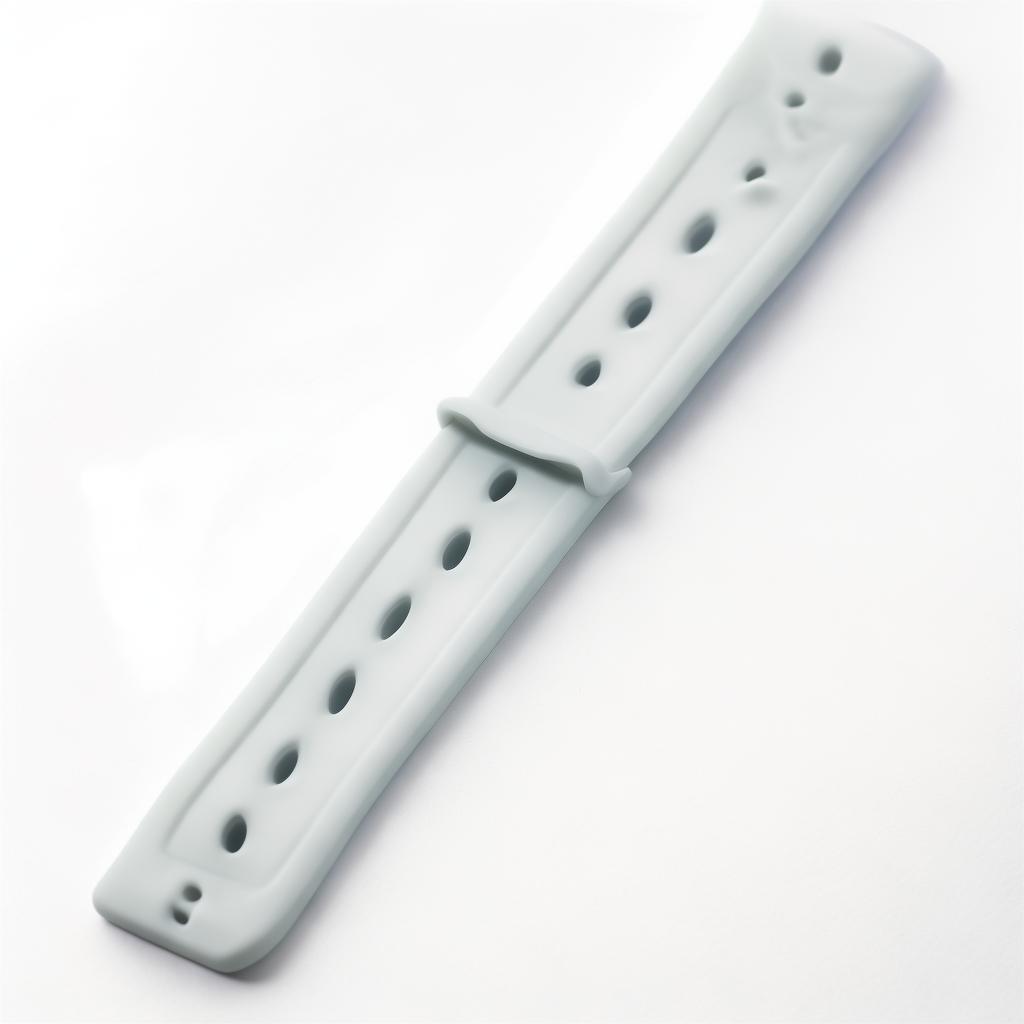
Soft Robotics & Wearables: Innovative applications include composites with liquid silicone rubber overlays providing both flexibility and heat resistance, growing with market trends (see scientific injection molding sources linked below).
Consumer Appliances: Durable plastic parts such as motor mounts or ducting harness high-temp filaments with custom molding to resist household heat sources over time.
Operational insight: layered bonding strength drastically influences long-term thermal durability. Ignoring filament-specific print settings or skipping recommended drying steps often compromises final part quality in heat-critical applications.
Beyond choice of material, manufacturers must consider their production environment: enclosing printers for PC or PEI minimizes warping, while controlled storage preserves hygroscopic materials like Nylon from moisture damage during transit.
Practical Procurement Considerations
Acquiring heat resistant 3D filaments for commercial or industrial use demands sharp attention to supplier accuracy, certifications, and logistical preparedness. Here are core operational takeaways:
Verify Manufacturing Process Controls: Request ISO 9001 or equivalent quality management certifications. Confirm batch traceability and storage conditions, because improper storage leads to filament degradation or inconsistent melting behavior.
Assess Moisture Resistance & Packaging: Hygroscopic materials must come vacuum-sealed with desiccants; some suppliers additionally offer humidity indicator cards. Transport logistics should minimize exposure to variable climates, especially for overseas shipments.
OEM/ODM Customization Options: Suppliers, including Yingtai, that offer filament customization and co-development can optimize thermal properties and color matching, aligning raw materials with your specific application needs.
Lead Time Transparency and Container Loading Efficiency: Factory proximity, batch size, and tooling commitments impact delivery. Discuss container consolidation plans early to reduce extra storage or handling fees impacting your supply chain.
Material Compliance & Certifications: For electronic or medical parts, clarify suppliers’ compliance with RoHS, REACH, or UL standards, alongside FDA approvals when applicable to ensure uninterrupted market access.
Technical Support Integration: A responsive technical team aids in filament parameter tuning, predictive maintenance on extrusion setups, and application-specific testing guidance.
Warning: Low-cost filament alternatives often omit detailed thermal characterization or stability testing, which can undermine part performance. Industrial users benefit from investing in suppliers demonstrating rigorous lab verification and advanced process simulation capabilities.
Certifications and Factory Capabilities
At Guangdong Yingtai High Precision Technology Co., Ltd., our manufacturing processes adhere strictly to international quality standards:
ISO 9001: Comprehensive quality management system ensuring consistent product reliability.
RoHS & REACH Compliance: Guaranteeing our filaments and molded products are free from hazardous substances, suitable for global markets including the US and Europe.
UL 94 V-0 Flame Retardancy: Certified safety standards for heat resistant filaments used in electrical and electronic applications.
CE Certification: Conformity marking for EU directive compliance.
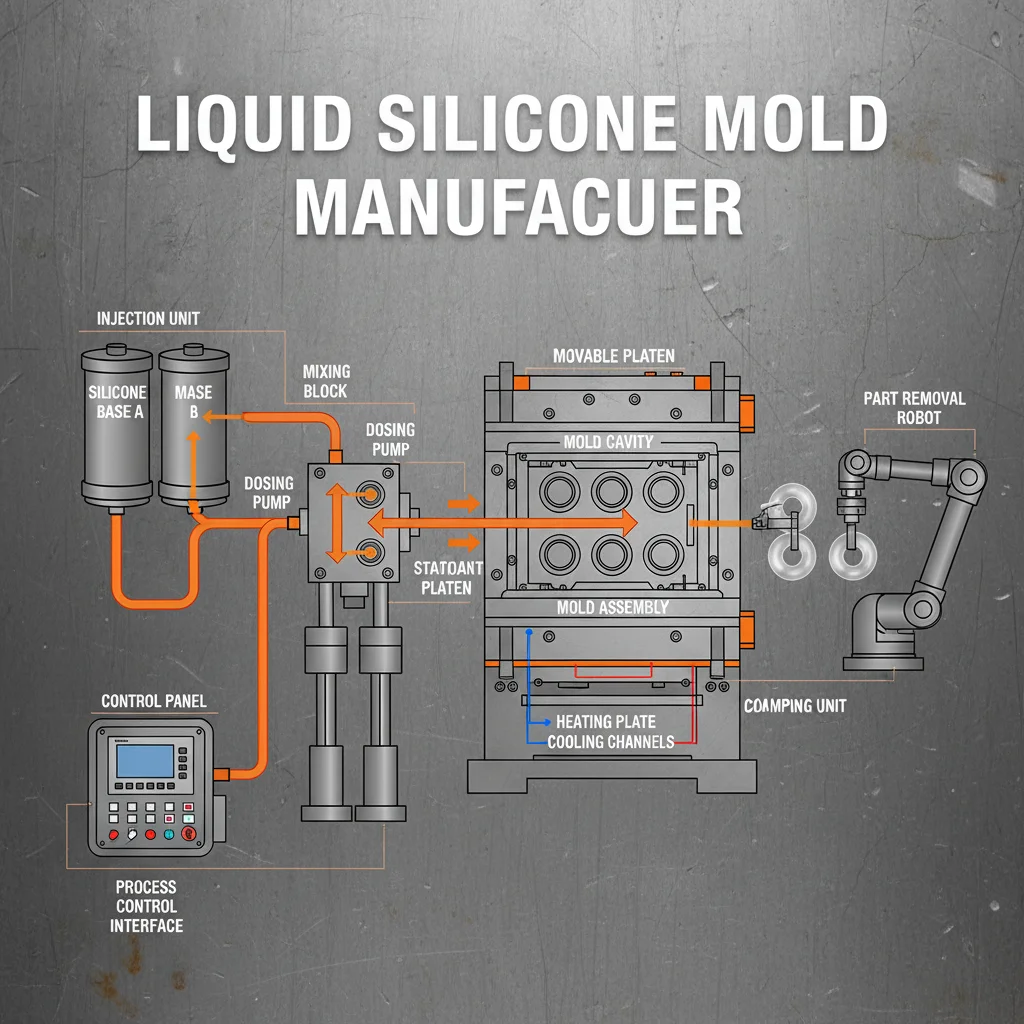
Advanced Production Equipment: 80+ automated injection molding machines, 55 liquid silicone molding sets, and precision molds developed and tested in-house.
Technical Testing Instruments: Over 20 dedicated devices for heat deflection, tensile strength, and thermal cycling tests backed by rigorous QA workflows.
Key certifications supporting our product quality and compliance.
Buyer FAQs
Q: What is the best filament for continuous exposure to 220°C?
A: PEEK is generally the preferred filament for sustained temperatures up to 250°C. PEI can also be used for short duration exposure but may deform under continuous high heat.
Q: How important is filament drying before printing heat resistant materials?
A: Very important. Materials like Nylon and PEI are hygroscopic, absorbing moisture that causes printing defects like bubbling and inconsistent extrusion. Drying at manufacturer-specified conditions is recommended.
Q: Are customized filament formulations available for specific heat resistance requirements?
A: Yes. Many suppliers, including us at Guangdong Yingtai, offer OEM/ODM filament customization, modifying additives or pigment concentration to meet precise mechanical or thermal standards.
Q: How does filament cost vary with heat resistance?
A: High-performance filaments like PEEK are significantly more expensive due to raw material cost and complex extrusion challenges. Budget planning should incorporate not only filament cost but also printer capability and maintenance.
Q: What certificates assure the quality of heat resistant filaments?
A: Look for ISO 9001, RoHS, REACH, and UL 94 V-0 certifications. These assure compliance with international quality, safety, and environmental standards. Factory audits and batch traceability enhance trust.
Real-World Customer Feedback
Jason Miller, Procurement Manager - Automotive OEM
"Switching to Guangdong Yingtai’s PEI filament reduced our print failure rate in prototyping under-hood components by nearly 30%. Their technical team helped calibrate our industrial printers specifically to this filament’s requirements. Delivery consistency matched our production schedule tightly, a huge plus for our lean manufacturing."
Get in Touch
If you have any camping barbeque equipment inquiry, please feel free to contact us.






 Jason Miller, Procurement Manager - Automotive OEM