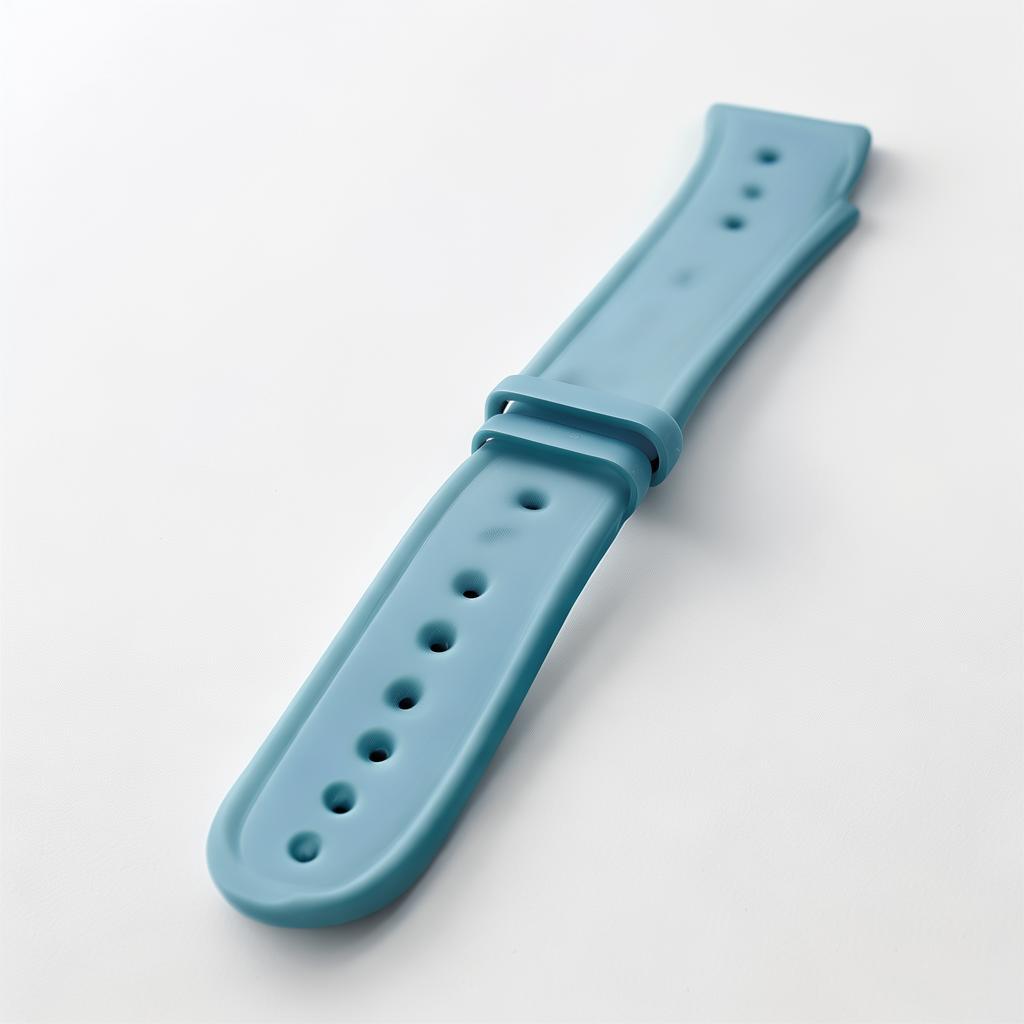
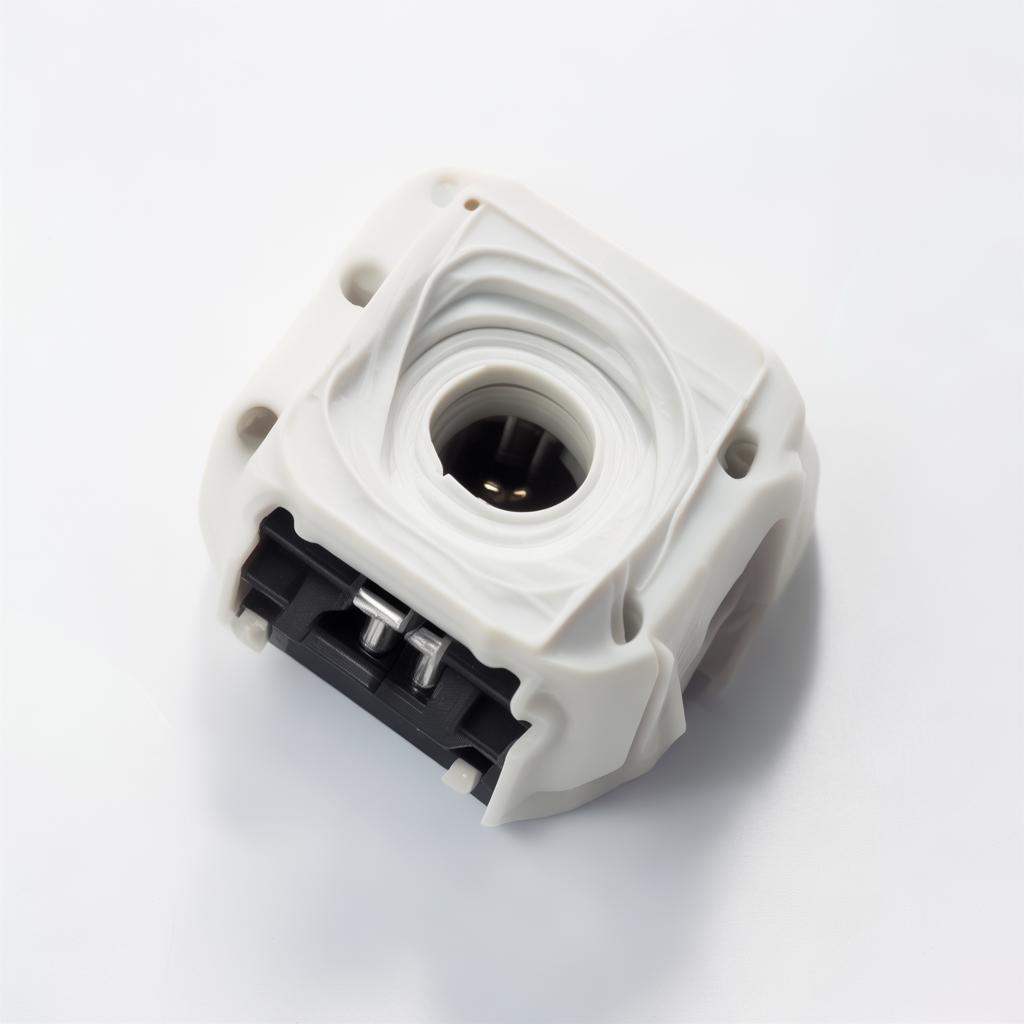
In procurement and manufacturing environments involving silicone rubber , bonding challenges often rank high on the list of operational concerns. Silicone rubber, prized for its flexibility, thermal stability, and chemical inertness, notoriously resists adhesion
Product Details
Choosing the Best Adhesive for Silicone Rubber: Practical Insights for Industrial Procurement
Industry Pain Points & Common Adhesion Challenges
In procurement and manufacturing environments involving silicone rubber, bonding challenges often rank high on the list of operational concerns. Silicone rubber, prized for its flexibility, thermal stability, and chemical inertness, notoriously resists adhesion with many conventional glues. This intrinsic resistance complicates everything from final assembly to field durability in sectors such as automotive seals, medical equipment, aerospace components, and wearable technology housings.
Common issues reported by procurement and operations teams include:
Poor surface wettability: Silicone surfaces have low surface energy, making most adhesives struggle to establish durable bonds.
Environmental degradation: Bonds exposed to UV light, extreme temperatures, or chemicals can fail prematurely.
Inconsistent bonding results: Variability in surface preparation or adhesive application often leads to unpredictable adhesion strength.
Long curing times or complex processes: These add to production cycle length and cost.
Supply chain risks: Identifying adhesives with reliable availability and certifications matching industry standards is key for uninterrupted operations.
Understanding these pain points enables procurement directors and engineers to narrow the search for adhesives that combine performance with practicality. For example, in automotive sealing, adhesives must maintain elasticity after years of stress and exposure, while in medical device manufacturing, biocompatibility and regulatory compliance may be paramount.
Growth projections from the Liquid Silicone Rubber Market Size Report, 2030 suggest an expanding global demand that further stresses the importance of selecting adhesives with reliable performance at scale. As the global market grows steadily—forecast at a CAGR between 6.5% and 9.3% in different reports—reliable bonding solutions for silicone become a decisive factor in supply chain and manufacturing success.
Technical Overview of Silicone Rubber Adhesives
To successfully bond silicone rubber, adhesives must address the material’s low surface energy and maintain adhesion under diverse operational stresses. Some of the key adhesive types and their properties include:
Adhesive Type
Key Features
Typical Applications
Silicone-based adhesives
Excellent chemical compatibility, flexibility, heat resistance; specifically formulated for silicone bonding.
Medical devices, automotive seals, electronics encapsulation.
Silane-modified polymers (MS Polymers)
Good adhesion to low-energy surfaces, weather resistance, solvent-free, and easy application.
Construction sealing, industrial gasketing, marine uses.
Two-part epoxy adhesives
Strong mechanical bond, high chemical and temperature resistance, but rigid once cured.
Structural bonding when flexibility is less critical.
Cyanate esters and acrylic-based adhesives
Fast curing, good adhesion to many substrates but often require surface treatment for silicone.
Among these, silicone-based adhesives consistently provide superior compatibility and durability owing to their chemical affinity with silicone rubber. They resist degradation at temperature extremes between –60°C and 230°C and maintain elasticity, making them first choice for high-performance applications.
Surface preparation plays a critical role in adhesion success. Common procedures include plasma treatment, corona discharge, or primer application to enhance surface energy. These steps often reduce bonding failures caused by surface contamination or low wettability. In practice, procurement should confirm whether recommended surface treatment methods fit within production schedules and budgets.
From a technical standpoint, awareness of curing mechanisms, working time, and pot life is essential to maximize adhesive performance on assembly lines. For example, fast-curing RTV silicones are preferable where quick turnaround is necessary but may sacrifice ultimate bond strength compared to slower-curing formulations.
Material & Product Comparison: Selecting the Best Adhesive for Silicone Rubber
Procurement managers often face a critical question: which product delivers the best trade-off between adhesion strength, ease of use, cost, and certification compliance? Below is a focused comparison of commonly sourced adhesives based on real operational data, compliance, and industry benchmarks.
Adhesive Brand/Type
Bond Strength (MPa)
Cure Time
Operating Temperature Range
Certifications
Remarks
Dow Corning RTV silicone adhesive
2.5 – 4.0
30–60 minutes
−55°C to 230°C
ISO 10993 (biocompatibility), UL 94 V-0
Flexibility with high thermal resistance, widely trusted in medical and automotive.
Loctite SI 5970 MS Polymer
1.8 – 3.2
2–4 hours
−40°C to 100°C
REACH, RoHS compliant
Strong adhesion on untreated silicone with primer, good weatherproofing.
3M Scotch-Weld Epoxy DP420
5.5 – 6.0
6–8 hours
−55°C to 120°C
UL listed
Very high strength but limited flexibility; secondary bonding applications.
Bosny Medical Grade Silicone Adhesive
2.0 – 3.5
45 minutes
−50°C to 200°C
FDA, CE, ISO 13485
Designed for medical device assembly; excellent chemical resistance and compliance.
While epoxies may offer higher immediate bond strength, their rigidity often leads to stress fractures in flexible silicone parts. Conversely, silicone-based adhesives combine moderate strength with elasticity, better matching the physical properties of the substrate. This mismatch explains why many industrial operators prefer specialized silicone adhesives versus generic epoxy or acrylic glues for silicone rubber bonding.
Note: Many leading suppliers offer OEM and ODM custom formulations tailored to unique application specifications, including rapid curing or extended pot life variants. These options help reduce downtime and improve manufacturing throughput. Discuss custom requirements with your adhesive supplier before final selection.
Installation & Maintenance Considerations
Efficient adhesive application and long-term durability hinge on precise installation steps and ongoing maintenance awareness — vital knowledge for operations managers and technicians alike.
Surface Cleaning: Silicone rubber surfaces should be free from oils, dust, and contaminants. Solvent wiping with isopropyl alcohol or a mild detergent wash ensures optimal adhesive bonding.
Surface Activation: Plasma treatment or chemical primers can significantly enhance adhesion by increasing surface energy. Such treatments are recommended if strong mechanical bonding is mandatory.
Environmental Conditions: Maintain ambient temperature and humidity levels within supplier recommendations during bonding and curing. Fluctuations may impair curing chemistry.
Application Method: Use precise dispensing systems for consistent bead size and coverage. Uneven application can cause bond strength variance or voids.
Curing Time & Post-Cure: Allow complete curing before handling or stress-loading. For some silicone adhesives, heat post-curing accelerates crosslinking and improves performance.
Maintenance Checks: Regularly inspect bonded assemblies for signs of peeling, cracking, or displacement, especially in harsh environments involving UV exposure or chemical contact.
Operational observations report that installations skipping primer or plasma preparation exhibit up to 40% higher failure rates. Likewise, contractors confirm that curing delays add marginally to project timelines but ultimately reduce rework. These findings underscore the procurement benefit of investing time and budget upfront in proper installation methodology.
Procurement & Supplier Evaluation
Identifying a trustworthy supplier who understands the technical nuances of silicone adhesive production and offers comprehensive support is crucial for mitigating procurement risk.
Key points for procurement teams to consider:
Certifications & Compliance: Verify supplier adherence to industry standards such as ISO 9001, FDA (for medical-grade adhesives), REACH, RoHS, and UL certifications.
Manufacturing Capabilities: Does the supplier have in-house R&D and pilot production for adhesive customization? Advanced testing facilities for adhesion strength and environmental resistance are a plus.
Production Lead Times & MOQ: Confirm clear delivery schedules and compatibility with your inventory plans. For bulk orders, understand if warehousing or container loading optimizations exist.
Technical Support & After-Sales Service: Suppliers offering on-site training, detailed technical documentation, and rapid troubleshooting assistance reduce operational downtime.
OEM/ODM Options: Customized formulations or labeling may be required for product differentiation or regulatory compliance. A supplier with OEM capabilities provides flexibility.
Supply Chain Reliability: Evaluate geopolitical risks, logistics partners, and consistency of raw material sourcing — especially important due to the complex global silicone supply chains.
Our factory, Guangdong Yingtai High Precision Technology Co., Ltd., exemplifies these qualities with a comprehensive industrial park covering 35,000 sqm, advanced testing instruments, and 20+ years in specialized silicone production. Our experience exporting to key markets, including the US and Europe, ensures a smooth procurement process backed by operational transparency and quality assurance.
Frequently Asked Questions
Q: Can I use regular super glue on silicone rubber?
A: Most cyanoacrylate adhesives do not bond well with silicone due to its low surface energy. Specialized silicone-based adhesives or primers are required for a durable bond.
Q: How does plasma treatment improve adhesion?
A: Plasma treatment modifies the silicone surface at a molecular level, increasing wettability and allowing adhesives to form stronger chemical bonds.
Q: Are silicone adhesives food-safe or medical-grade?
A: Some silicone adhesives come with FDA approval and biocompatibility certifications suitable for medical or food contact applications. Verify certifications with your supplier.
Q: What is the typical shelf life of silicone adhesives?
A: Depending on formulation, shelf life ranges from 6 to 24 months if stored in cool, dry conditions away from direct sunlight.
Q: Can adhesives bond silicone rubber to other materials?
A: Yes. Two-part silicone adhesives or silane-modified polymers can bond silicone rubber to metals, plastics, and glass when used with proper surface prep.
Customer Reviews & Testimonials
Michael Thompson- Operations Manager, AutoSeal Inc.
“Switching to a specialized silicone-based adhesive sourced through Guangdong Yingtai significantly reduced our sealant bond failures on automotive gaskets. Installation times have shortened by around 15% thanks to better curing profiles, and our quality control team reports consistent adhesion even in harsh temperature tests.”
Get in Touch
If you have any camping barbeque equipment inquiry, please feel free to contact us.



 Michael Thompson- Operations Manager, AutoSeal Inc.