Choosing the Best Infill Pattern for Strength: A Practical Guide for Industrial 3D Printing
Insights from Guangdong Yingtai High Precision Technology Co., Ltd., experts in precision molding and industrial manufacturing
Introduction: Why Infill Pattern Strength Matters
For manufacturing professionals and procurement managers navigating the complexities of 3D printing products and components, understanding the role of infill patterns is crucial. Its influence reaches beyond aesthetics — directly impacting structural integrity, lifetime performance, and operational reliability, especially in load-bearing and precision-required applications.
Infill patterns refer to the internal lattice structures filling printed parts. These patterns affect weight, material usage, print time, and most importantly, mechanical strength. While some designs favor speed and material savings, many industrial sectors demand enhanced strength to withstand operational stresses, environmental factors, and compliance with stringent standards such as ISO 9001:2015 or ASTM D638 tensile properties testing.
Material-wise, choices like high-strength PLA composites, ABS, or even cutting-edge liquid silicone rubber (LSR) compounds processed through advanced injection molding contribute to the final part strength. But an optimized infill pattern aligns the mechanical properties of the chosen material with the demands of your application. This alignment ensures durability without overspending on materials or suffering production inefficiencies.
At Guangdong Yingtai High Precision Technology Co., Ltd., with over 20 years of experience in mould processing and OEM manufacturing, we've observed that common mistakes in infill selection lead to:
- Premature part failure due to uneven load distribution
- Unnecessary weight increase, compromising efficiency
- Downtime from unexpected wear in production environments
Choosing the best infill pattern for strength is a balance — between structural resilience, cost-effectiveness, and manufacturing practicality. In this guide, we dissect the top contenders, share industry-tested insights, and equip you with the knowledge to make confident procurement decisions that reduce risks and elevate product performance.
Common Industry Challenges with Infill Selection
A surprising number of production issues stem from inadequate understanding of infill strategies. Here are the typical pain points we encounter while consulting operations managers and engineers:
- Incompatible Pattern for Load Directions: Many specifications fail to account for directional forces during part design — leading to internal weaknesses that cause cracking or deformation.
- Over-Complexity Reducing Productivity: Some infills, while mechanically robust, slow down printing times and complicate post-processing without proportional gains in strength.
- Material Waste from Overfilled Parts: Excessive infill percentages unnecessarily inflate material costs, interfere with efficient container loading and shipping, and extend lead times.
- Lack of Standardized Testing: Without benchmarking specific patterns under relevant ISO or ASTM stress tests, manufacturers risk misjudging true durability under real-world stress conditions.
- Incorrect Assumptions about 3D Printing Capabilities: Confusing material strength gains with infill impacts can misdirect process improvements, especially with exotic materials like LSR or composites.
Mitigating these issues requires a careful technical evaluation combined with practical experience — where manufacturers like Yingtai bring the advantage of robust mould processing combined with injection molding expertise, enabling informed interactions between 3D design and traditional manufacturing know-how.
Technical Deep Dive: Popular Infill Patterns and Their Strength Profiles
Industry-tested infill patterns vary widely in mechanical performance. Here’s a breakdown of the most commonly used structures, with an emphasis on how they affect strength and application suitability.
1. Honeycomb
Honeycomb infill mimics natural hexagonal lattice structures, balancing strength with weight savings. It's exceptional in distributing multi-directional loads and is often the go-to for parts subject to compressive forces.
2. Gyroid
Offering isotropic strength, gyroid patterns produce uniform mechanical properties regardless of load direction. This feature, combined with a relatively smooth internal structure, reduces print time versus dense patterns. Particularly useful for high-stress, flexible parts in medical-grade silicone molded prototypes.
3. Rectilinear (Grid)
A straightforward grid layout that performs well under tensile and shear stresses along principal axes. Though not optimized for multi-directional loads, rectilinear infill is efficient for rapid production and works well with ABS or standard PLA composites.
4. Triangular
Known for its high rigidity and dimensional stability, triangular infill increases load-bearing capacity and resists deformation. Heavily used in industrial components requiring long service life and certified compliance, such as vehicle parts and electronic housings.
5. Adaptive/Variable Density Infill
Emerging as a bespoke solution, adaptive infill dynamically adjusts density in response to stress simulations and operational load data. This approach maximizes strength exactly where needed, reducing material waste and optimizing production timelines.
Selecting the pattern should consider the material’s mechanical properties, production equipment capabilities, and the end-use environment — especially when parts may be exposed to UV radiation, thermal cycling, or chemical agents.
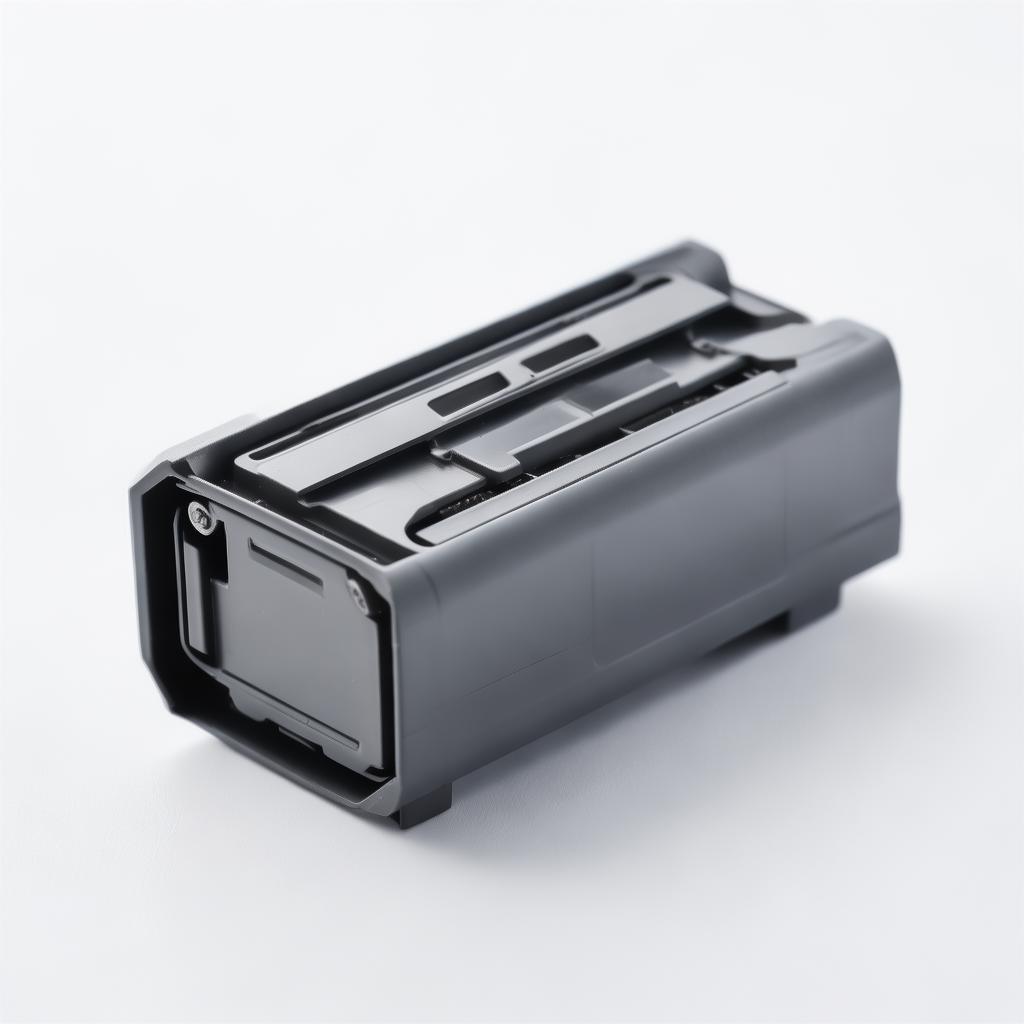
Infill Pattern Comparison Table for Strength and Practicality
| Infill Pattern | Strength Profile | Material Efficiency | Print Time Impact | Best Use Cases |
|---|---|---|---|---|
| Honeycomb | High compressive strength, multi-directional load balance | Moderate - good material usage | Moderate | Structural components, automotive parts |
| Gyroid | Isotropic strength, excellent for flexible parts | High efficiency, uniform support | Lower than dense infills | Medical devices, wearables, aerospace components |
| Rectilinear | Strong in principal axes, limited off-axis strength | Excellent, low consumption | Fast print speeds | Rapid prototyping, consumer goods |
| Triangular | Superior stiffness, excellent tensile strength | Moderate, balanced | Moderate | Heavy-duty mechanical parts, electrical housings |
| Adaptive Density | Optimized strength at stress points | Most efficient use of materials | Varies; depends on implementation | Custom engineering parts, cost-sensitive runs |
internal solid infill pattern best brinell to tensile strength brinell hardness vs rockwell
Application Scenarios & Buyer Guidance
Each infill pattern must be matched with its intended application environment to achieve optimal results. Here’s an overview of common industrial and commercial conditions paired with recommended infill strategies:
- Automotive Components: Parts exposed to vibration and multiple stress directions benefit from honeycomb or triangular infills to maximize strength and thermal resistance.
- Medical Devices & Wearables: Complex geometry with low weight is crucial. Gyroid infill’s isotropic properties and flexible material compatibility stand out.
- Consumer Electronics: Fast turnaround and material economy favor rectilinear and adaptive density infills, balancing cost and baseline durability.
- Industrial Tooling & Fixtures: High mechanical stresses dictate use of triangular or reinforced lattice structures, often in conjunction with high-performance materials like LSR or advanced composites.
Procurement Tip: When sourcing parts or raw materials, request explicit data sheets that include mechanical test results such as tensile strength, elongation at break, and compression set based on your target infill pattern. Suppliers like Yingtai offer OEM/ODM customization with documented ISO/CE certifications, ensuring consistent quality across production lots.
Installation and Manufacturing Considerations
From a production perspective, choosing an infill pattern impacts more than just strength and material usage:
- Print Time & Machine Throughput: Complex infills cause longer cycle times. When lead times are tight, consider simpler patterns or adaptive infill techniques to speed throughput without sacrificing critical strength.
- Post-Processing: Denser infills may complicate machining, sanding, or finishing, especially when working with injection-molded liquid silicone or composite plastics.
- Logistics & Packaging: Over-engineered parts may increase product weight, affecting container loading efficiency and shipping costs. Evaluate weight-to-strength ratio carefully to optimize freight expenses, especially for export orders.
- Quality Control & Testing: Incorporate clear acceptance criteria for infill integrity into your QC workflow. Non-destructive methods like ultrasonic inspection or X-ray tomography can verify internal structure consistency where critical.
Observing these areas during factory production can reduce costly rework or warranty claims. As an experienced export manager at Yingtai points out: "Proper infill pattern selection is not just design—it’s an operational strategy that influences molding cycle time, material consumption, and ultimately customer satisfaction."
Frequently Asked Questions
- Q1: How does infill density relate to strength?
- Higher infill density typically increases part strength, but with diminishing returns past certain thresholds. For many applications, 50-60% infill with honeycomb or gyroid patterns provides an excellent balance.
- Q2: Can infill pattern improve fatigue resistance?
- Yes, patterns with isotropic properties like gyroid reduce stress concentrations, enhancing lifespan under cyclic loading.
- Q3: Is adaptive density infill supported on all printers?
- Adaptive infill requires compatible slicing software and printer capabilities, often seen in advanced industrial-grade 3D printers used by OEM manufacturers.
- Q4: How do I verify that a supplier’s parts meet infill strength requirements?
- Request detailed mechanical testing reports, inspection images (such as CT scans), and certifications like ASTM standards or ISO compliance statements.
- Q5: What role do OEM/ODM services play in infill optimization?
- OEM/ODM providers, like Yingtai, collaborate closely on design and tooling optimization, adapting infill patterns for production methods such as liquid silicone injection molding to maximize performance and control costs.
Customer Reviews & Testimonials

Michael Thompson, Procurement Manager, Houston, TX:
"We switched to a gyroid infill pattern on several high-load parts for our manufacturing lines. The strength improvements have exceeded expectations, and the Yingtai team's OEM customization guidance cut our lead times by nearly two weeks."

Sarah Martinez, Operations Director, Seattle, WA:
"Identifying the right infill pattern saved us from costly reprints and warranty claims. Yingtai’s factory insights into molding parameters and process optimization helped us integrate adaptive infill structures with ABS materials for enhanced part longevity."

David Riley, Technical Engineer, Boston, MA:
"Our shift to honeycomb infill pattern optimized for LSR injection molded seals has improved mechanical resilience and cut down scrap rates. Real production data aligns perfectly with the research we reviewed from GrandView and Market Research insights."
Looking to Optimize Your Part Strength with the Right Infill Pattern?
Our experienced industrial engineers and export consultants at Guangdong Yingtai High Precision Technology Co., Ltd. are ready to support your project with OEM & ODM services, technical expertise, and rapid prototyping.
Request Product Specs