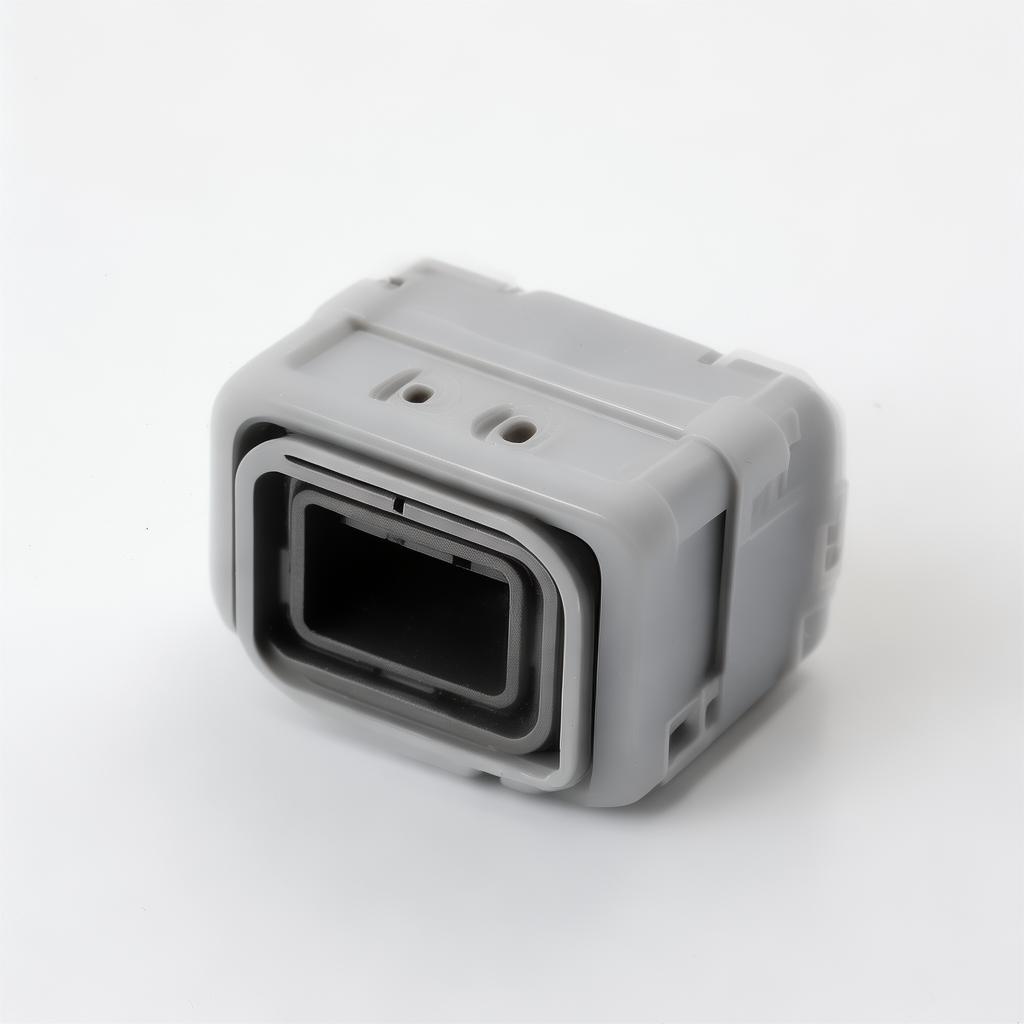
Choosing the Best Material for Corrosion Resistance in Industrial Applications
A practical guide for purchasing managers, engineers, and procurement professionals seeking durable material solutions.
Industry Pain Points in Corrosion Control
Corrosion remains one of the most persistent and costly challenges in industrial manufacturing, infrastructure maintenance, and equipment longevity. It can compromise mechanical integrity, cause unexpected downtime, and inflate maintenance budgets. From chemical plants and oil refineries to marine environments and food processing lines, selecting the best material for corrosion resistance isn’t just a technical choice—it's a critical procurement decision with direct ROI implications.
In operations, procurement directors often face complexities beyond simple material performance: lead times, certifications, supplier reliability, and compliance with regional and international standards add layers of risk. The wrong material choice may lead to surface pitting, crevice corrosion, or chemical degradation earlier than expected. Meanwhile, over-specification can unrealistically elevate costs without proportional benefits.
A frequent operational observation: Materials that perform exceptionally in lab tests sometimes fall short under combined stresses such as UV exposure, temperature swings, and mechanical abrasion common in field conditions. That’s why a well-rounded material evaluation balances intrinsic corrosion resistance with installation realities and maintenance cycles.
Finding trusted suppliers who can also offer timely logistics, OEM customization, and technical support boosts project confidence—something we emphasize strongly at Guangdong Yingtai High Precision Technology Co., Ltd., with over two decades of expertise in advanced material processing and sealing solutions.
Material Comparison for Corrosion Resistance
Selecting the ideal material means evaluating properties that tackle specific corrosive agents, be they chlorides, acids, alkalines, or saltwater exposure. Here's a practical comparison of some top contenders:
| Material | Corrosion Resistance | Typical Applications | Pros | Cons |
|---|---|---|---|---|
| 316 Stainless Steel | Excellent against chlorides and marine environments | Chemical processing, marine fittings, food industry | Strong mechanical properties, weldable | Costly, can suffer crevice corrosion if improperly maintained |
| Titanium Alloys (Grade 2, 5) | Exceptional resistance, especially to chlorides and oxidizing agents | Aerospace, medical implants, chemical reactors | High strength-to-weight ratio, bio-compatible | High raw material cost, complex fabrication |
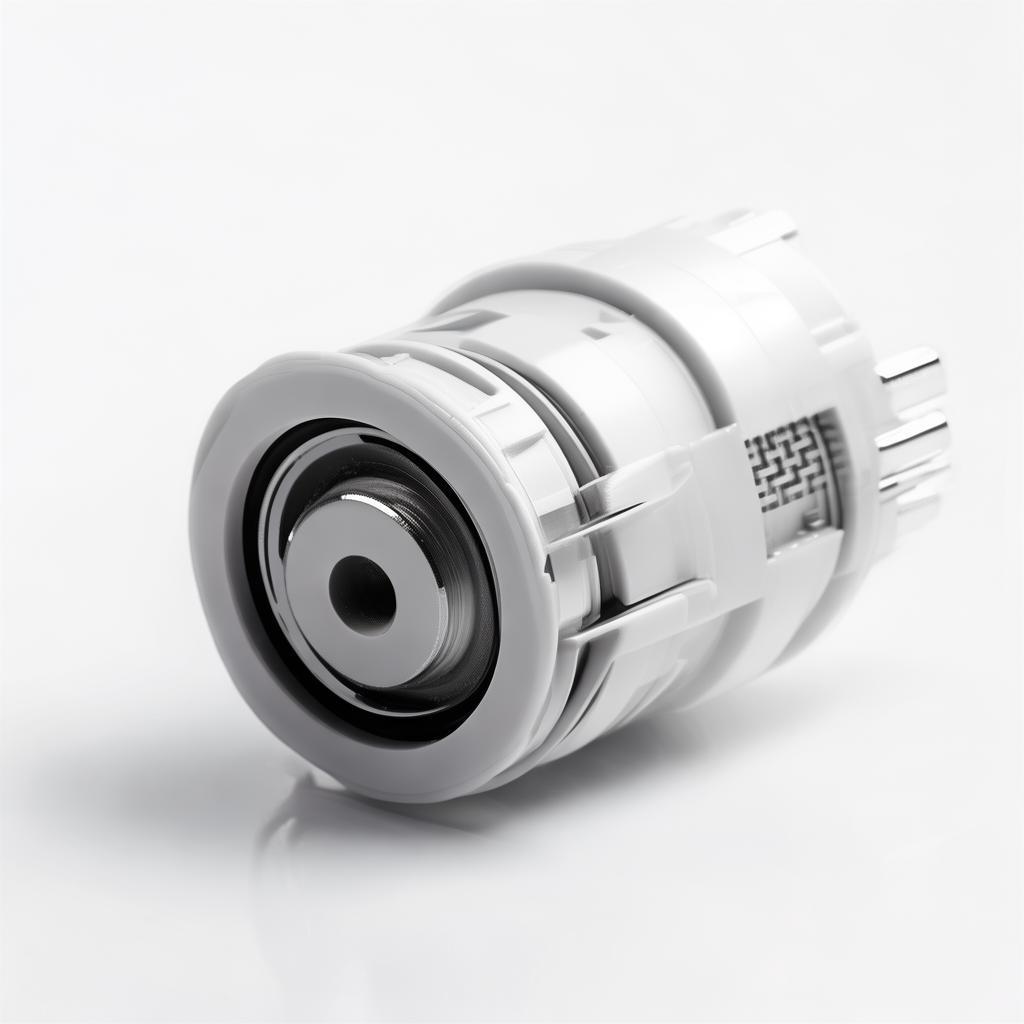
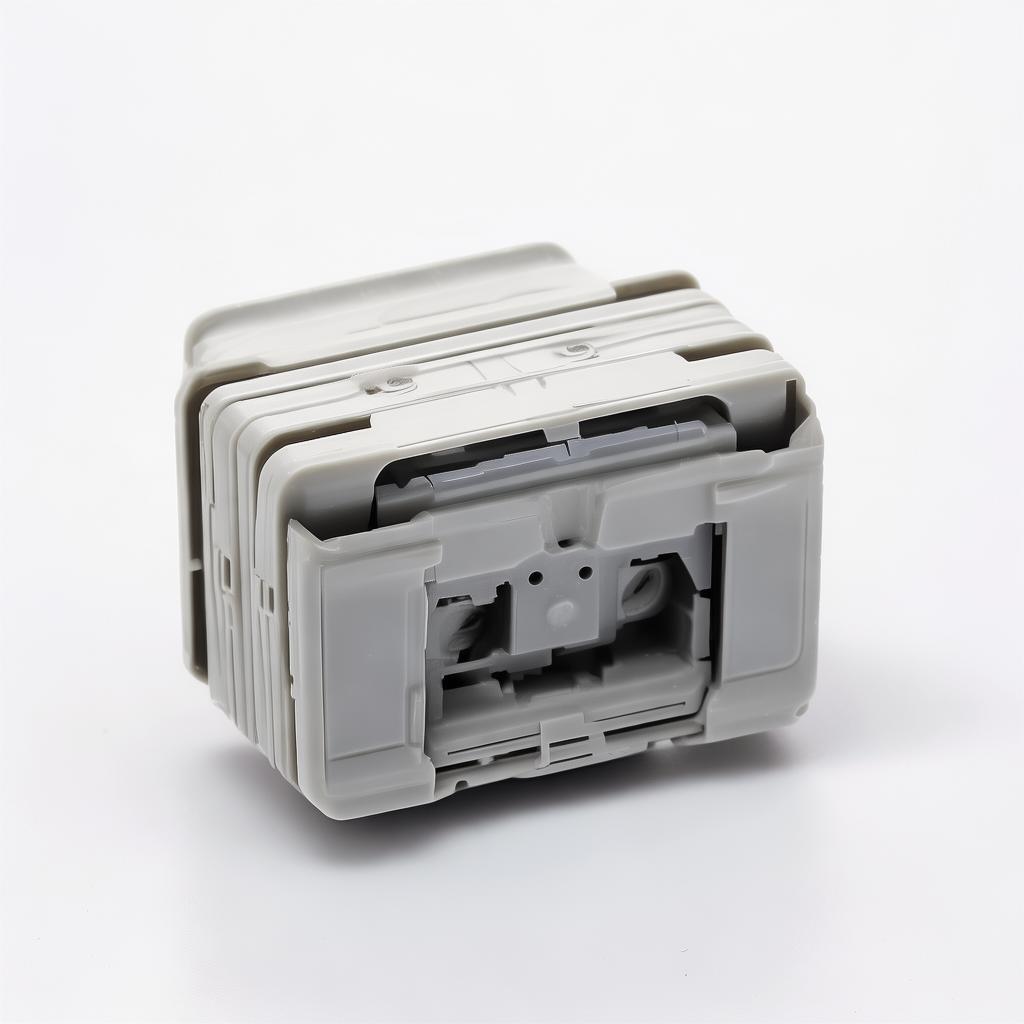
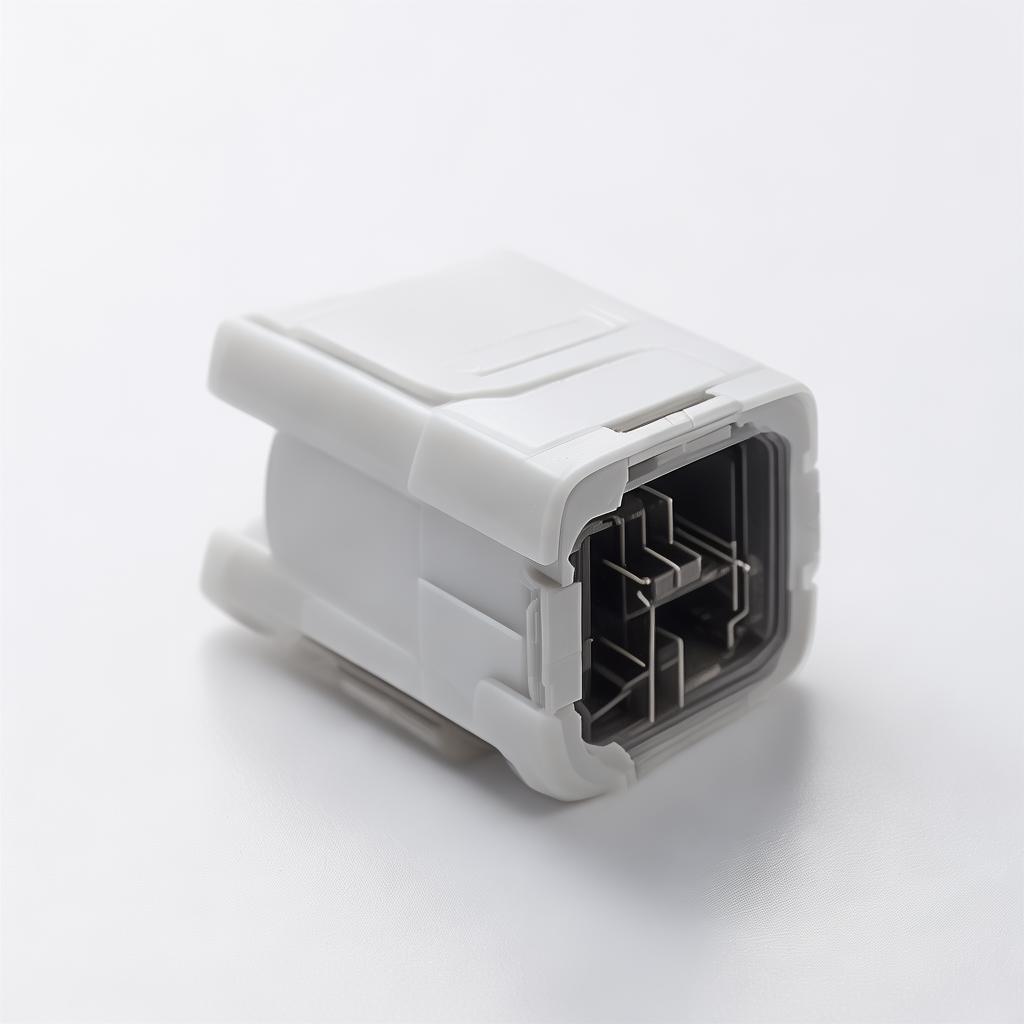
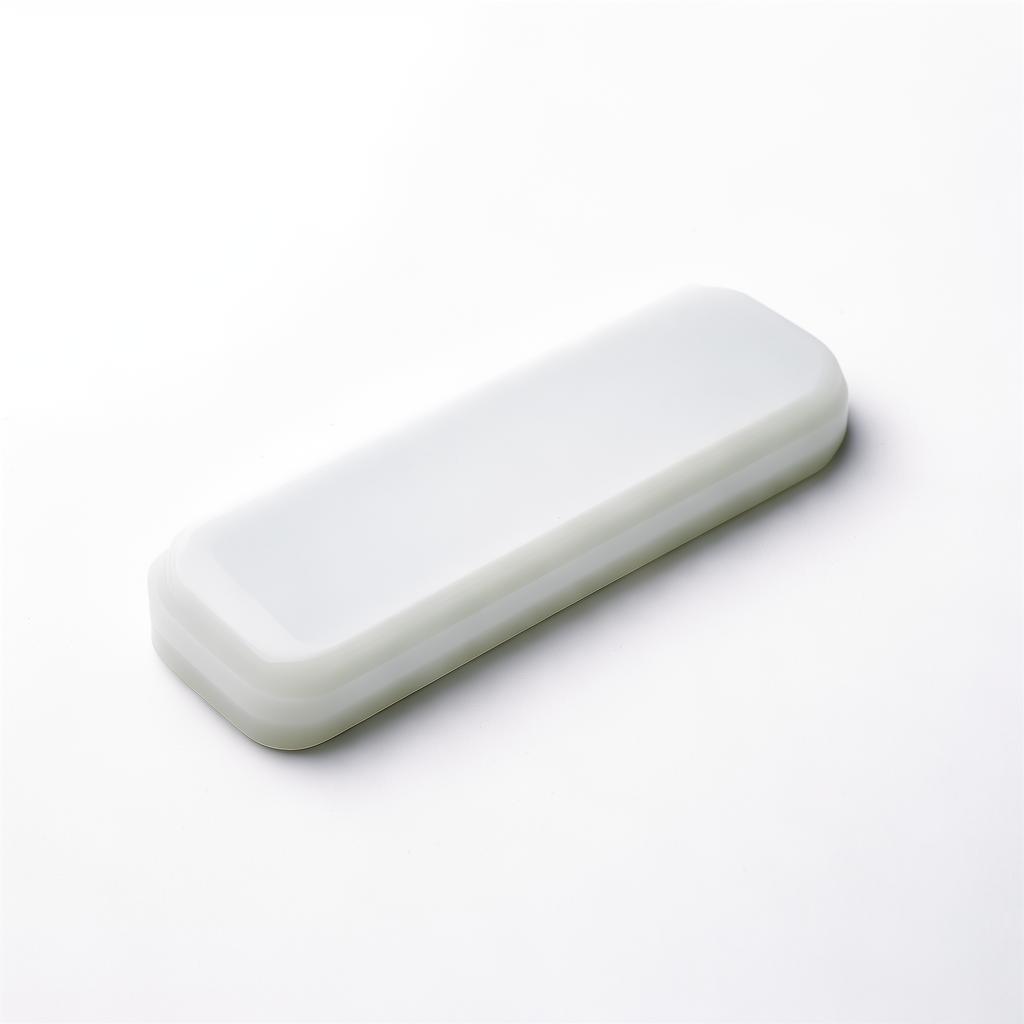
| Liquid Silicone Rubber (LSR) | Resistant to UV, ozone, chemicals, and temperature extremes | Seals, gaskets, medical devices, electronic components | Flexible, biocompatible, OEM moldable, ISO certified grades available | Limited load-bearing capacity, requires precise injection molding facilities |
| Polyethylene (HDPE/LDPE) | Good resistance to many chemicals and moisture | Piping, tanks, packaging | Low cost, easy to install and recycle | UV degradation unless stabilized, lower mechanical strength |
| Copper-Nickel Alloys | Good resistance in seawater and heat exchangers | Marine, desalination plants, HVAC | Good thermal conductivity, antimicrobial | Prone to erosion corrosion under turbulent flow |
wear resistant aluminum coating acid resistant metal uv resistance plastics
Note: Material selection depends critically on application-specific conditions. These summaries serve as general guides.
Technical Deep Dive: Corrosion Mechanisms & Resistance Features
Corrosion is not simply 'rust'; it’s a complex electrochemical reaction influenced by environmental factors like pH, temperature, oxygen levels, and presence of ions or pollutants. Metals like steel corrode via oxidation, while polymers and silicones degrade due to UV, ozone, or chemical reactions.
Key mechanisms affecting corrosion resistance include:
- Passivation Layers: Certain alloys (e.g., stainless steel) form protective oxide films that shield the material.
- Material Homogeneity: Impurities or microstructural defects can accelerate localized corrosion such as pitting.
- Chemical Compatibility: Resistance to acids, alkalis, or oxidizing agents varies material to material.
- Environmental Stressors: Temperature fluctuations and mechanical stresses can crack protective layers.
- Surface Treatments & Coatings: Application of synthetic polymers, passivation, or plating extends service life.
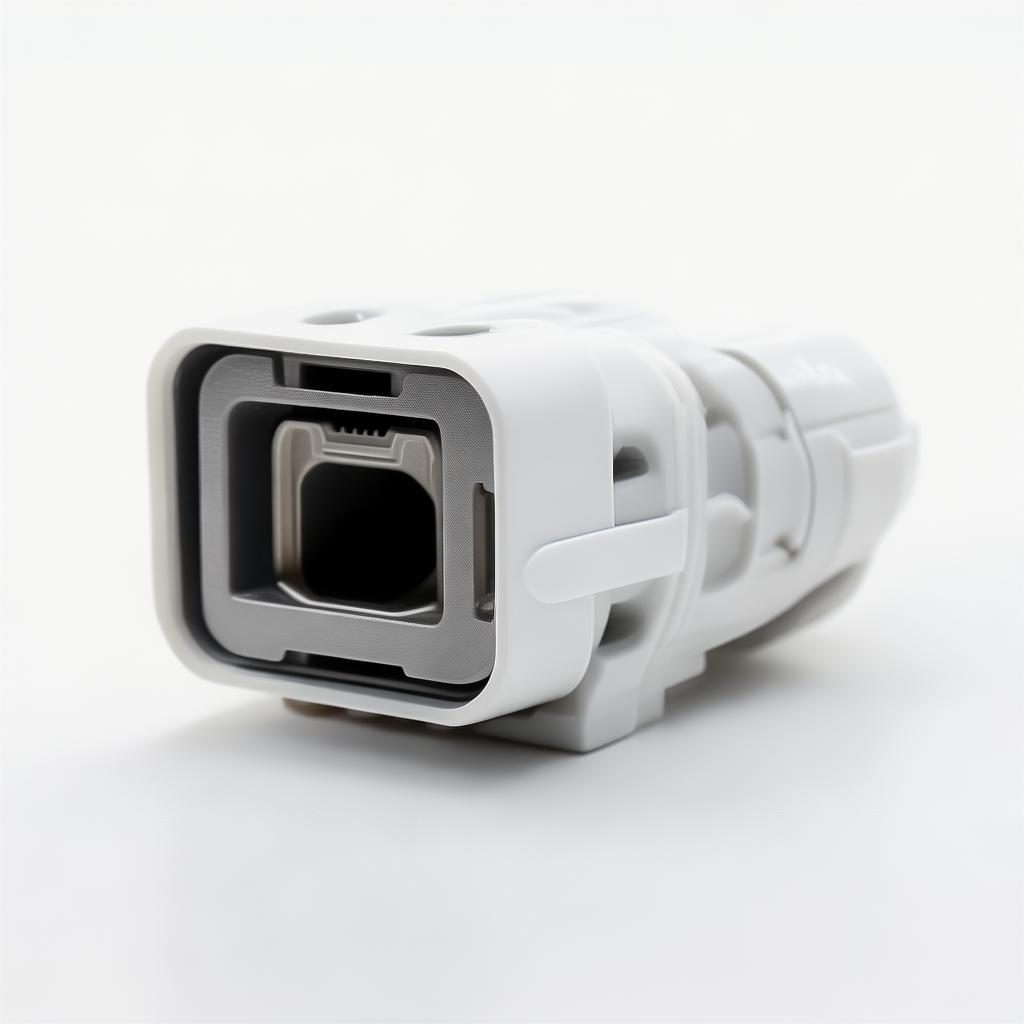
For synthetic materials such as Liquid Silicone Rubber (LSR), resistance stems from their inert chemical structure — they resist UV degradation, ozone, and many corrosive chemicals while maintaining flexibility. This makes LSR an outstanding choice for seals and gaskets in aggressive environments, as extensively verified in medical and automotive sectors.
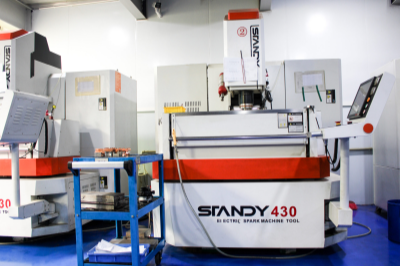
Operational insight: Injection molding of LSR parts requires rigorous control of curing kinetics and mold temperature to ensure dimensional stability and consistent surface finish — a process Guangdong Yingtai's 55 liquid silicone molding machines have optimized for quality and throughput. Poor processing can introduce defects affecting corrosion resistance performance down the line.
Common Industrial Applications
Corrosion-resistant materials play a vital role across diverse industries. Here’s where material experts see the most critical uses:
- Chemical Processing – pipes, valves, and tanks requiring continuous exposure to acids and solvents.
- Marine & Offshore – hulls, fastenings, and pump components exposed to saltwater and extreme weather.
- Food & Beverage – hygienic seals and container gaskets that resist corrosion and comply with FDA standards.
- Electronics – silicone seals that protect sensitive components from moisture and corrosive contaminants.
- Automotive & Aerospace – high-performance parts including engine seals and exterior coatings.
- Construction & Infrastructure – stainless steel reinforcements, anti-slip backings, and drainage systems.
Procurement Guidance & Risk Reduction
Choosing corrosion-resistant materials involves weighing multiple logistics, manufacturing, and compliance factors beyond initial material specs. Here are key tips for procurement professionals aiming for operational excellence:
- Evaluate supplier certifications: ISO 9001, ISO 13485 for medical-grade materials, and relevant CE certifications ensure quality and traceability.
- Request detailed product specs: Including corrosion test results, material composition, physical and mechanical property sheets.
- Consider OEM/ODM capabilities: Custom molding, color matching, and overmolding options often save time and improve assembly integration.
- Analyze lead times and logistics: Supplier location, container loading optimization, and freight methods impact project timelines.
- Assess after-sales technical support: Material installation advice, maintenance guidelines, and troubleshooting support are invaluable.
- Plan for realistic maintenance intervals: Even corrosion-resistant materials may require scheduled inspection and cleaning under aggressive environments.
- Beware of procurement pitfalls: Don’t assume all stainless steel grades perform equally; avoid vendors unwilling to provide test certificates or sample batches for trial.
“Material performance plus supply chain agility equals longest lifecycle and best total cost of ownership.” – Zhang Mei, Export Manager.
Frequently Asked Questions
- What is the most corrosion-resistant metal for marine applications?
- Titanium alloys are regarded as superior due to their excellent resistance to chloride-induced corrosion and biofouling; however, costs and fabrication complexity are higher than stainless steel options.
- How does liquid silicone rubber compare to metals in corrosion resistance?
- LSR offers chemical inertness, UV stability, and flexibility unmatched by metals; it's ideal for protective seals and precision overmolding but is not load-bearing like metals.
- Can corrosion-resistant materials be recycled?
- Yes, many stainless steels and polymers like HDPE are recyclable. LSR recycling is less common due to curing, but emerging technologies aim to improve sustainability.
- What standards certify corrosion-resistant materials?
- Commonly referenced standards include ASTM B117 (salt spray test), ISO 9227, NACE MR0175/ISO 15156 for metallurgy in sour environments, and FDA approvals for food and medical applications.
- Why is process control important in silicone injection molding?
- Precise control of curing temperature and injection speed ensures consistent density and surface quality, which directly impact the corrosion resistance and sealing effectiveness of silicone parts.
Customer Experiences & Reviews
Michael Thompson, Procurement Director, Houston, TX
"Switching to Yingtai’s LSR sealed gaskets cut our chemical plant’s maintenance downtime substantially. Their OEM customization and technical help saved us countless hours during installation."

Samantha Wright, Operations Manager, Miami, FL
"The titanium fittings supplied by this team withstood the harsh saltwater conditions on our offshore platform. Delivery was on point, and technical documentation was comprehensive."

David Chen, Senior Engineer, Seattle, WA
"Yingtai’s expertise in injection molding LSR parts was essential for our project’s success. The parts maintained integrity after extensive exposure testing, well within specs."

Contact & Next Steps
Interested in requesting a free sample or factory pricing on corrosion-resistant materials? Our export team is ready to provide tailored solutions and catalogues for OEM and ODM projects.
Miss Zhang | Export Director
Phone/WhatsApp: +86 17722437688
Email: zmm@yingtai168.com
Fax: +86 0769-83666863
Address: No. 359 Chang'an Bubugao Road, Chang'an Town, Dongguan City, Guangdong Province
Yingtai Contact Page
Communication Highlights from Clients