Selecting the Best Material for Vibration Damping: A Practical Guide for Industrial Procurement
Expert insights into choosing vibration damping materials that optimize machinery performance and reduce operational costs
Understanding Vibration Damping and Its Industrial Importance
Vibration damping plays a critical role in industrial machinery performance, longevity, and workplace safety. In production lines, HVAC systems, automotive applications, and heavy equipment, uncontrolled vibrations translate into increased wear, noise disturbances, and even catastrophic failures.
For procurement managers and technical engineers, selecting the best material for vibration damping isn’t just a technical decision—it directly impacts operational efficiency, maintenance frequency, and procurement costs over the lifecycle of the equipment. It’s a balance between material properties, manufacturing compatibility, environmental durability, and cost-effectiveness.
Across industries, vibration dampers come in many forms—rubber isolators, viscoelastic polymers, metal springs with damping coatings, cork composites, and advanced silicones. Each material’s internal structure and damping mechanism respond differently under dynamic loads and frequencies. Selecting a material optimized for your vibration profile and environmental conditions is imperative.
Industrial buyers face complex choices not only about material but also about design integration—overmolding, bonded interfaces, layering and composite structures. Understanding manufacturing methods like injection molding, compression molding, or extrusion is essential, since these affect material performance stability and overall product quality.
Notably, silicone-based solutions like Liquid Silicone Rubber (LSR) have gained traction for high-end applications demanding excellent thermal stability, chemical resistance, and biocompatibility — such as automotive seals, consumer electronics, and medical devices. According to Grand View Research, the LSR market is expected to reach over USD 4.9 billion by 2030, reflecting industry endorsement of silicone's superior vibration damping qualities in precision manufacturing.
Conversely, elastomers such as neoprene or EPDM remain popular in heavy equipment due to cost-effectiveness and resilience in harsh environments. Metal-based isolators, while not traditional damping materials, often complement polymer dampers to tackle high-load and low-frequency vibrations typical in industrial plant machinery.
Deciding on a vibration damping material requires a nuanced approach: evaluating vibration spectra, environmental exposure (temperature, UV, chemicals), mechanical load cycles, and even logistics considerations like lead time and container loading efficiencies.
In this guide, we dissect key material options for vibration damping, discuss their operational pros & cons, and suggest strategies for optimal procurement, installation, and long-term maintenance. It’s an informed resource tailored to industrial buyers and technical professionals committed to reducing downtime and improving ROI.
Common Operational Challenges Without Proper Damping
- Increased Machinery Wear: Unaddressed vibrations accelerate joint and bearing failures, increasing downtime.
- Noise Pollution Compliance Risks: Elevated vibration-induced noise can breach OSHA or EPA standards affecting workplace safety licenses.
- Precision and Quality Loss: Sensitive equipment—such as CNC machines or medical devices—suffer quality degradation from micro vibrations.
- Structural Fatigue: Vibrations propagate to supporting infrastructure causing premature cracks or metal fatigue.
- Elevated Maintenance Costs: Frequent repairs from vibration damage burden both labor budgets and spare parts inventory.
- Poor Energy Efficiency: Vibrations can translate into power losses and reduce operational effectiveness.
The notable takeaway here: investment in superior materials pays dividends, reducing these risk factors considerably over equipment life. Procurement teams must stay vigilant—choose damping solutions with documented lab results and operational track records across similar applications.
Comparing Leading Materials for Vibration Damping
| Material | Key Properties | Typical Applications | Pros | Cons |
|---|---|---|---|---|
| Liquid Silicone Rubber (LSR) |
Excellent thermal & chemical resistance, biocompatible, elasticity maintained over wide temp range |
Automotive seals, medical devices, consumer electronics, precision dampers | High lifespan, low compression set, tight process control via injection molding, UV resistant | Higher cost, tooling investment required, longer lead times for custom molds |
| Neoprene Rubber |
Good oil resistance, moderate temperature tolerance, resilient |
Industrial mounts, HVAC systems, heavy machinery pads | Cost-effective, durable in outdoor conditions, easy to process | Degrades faster under UV exposure, lower damping at high frequencies |
| Polyurethane Foam |
Lightweight, compressible, good shock absorption |
Packaging, seating cushions, some industrial padding |
Excellent noise reduction, easy fabrication |
Lower mechanical durability, sensitivity to oils and solvents |
| Cork Composites |
Natural, compressible, moderate damping, sustainable |
Flooring underlayment, machinery mounts, automotive pads | Eco-friendly, good thermal insulation | Limited durability, moisture sensitivity, variable quality |
| Metal Springs with Damping Coatings |
High load capacity, combined elastic and damping effects |
Heavy machinery vibration isolation, automotive suspensions |
Supports heavy loads, long service life |
Complex installation, requires maintenance, costlier |
rubber vibration dampening mounts anti vibration isolator rubber anti vibration bushings
*Material properties and their suitability can vary based on supplier formulations and processing methods.
Technical Specifications and Standards
Reliable vibration damping depends on meeting key industry standards and understanding technical specs:
- ISO 10816: Provides guidelines for vibration severity evaluation in rotating machinery.
- RoHS Compliance: Especially for silicone and polymer materials used in electronics damping.
- CE & FDA Certifications: Relevant for medical-grade silicone damping components.
- Material Hardness (Shore A/D): Indicates elastomer stiffness, affecting damping efficiency.
- Compression Set Percentage: Determines material's ability to return to original thickness after compression, critical for longevity.
- Thermal Stability Range: Must match operating temperature environment to avoid material degradation or embrittlement.
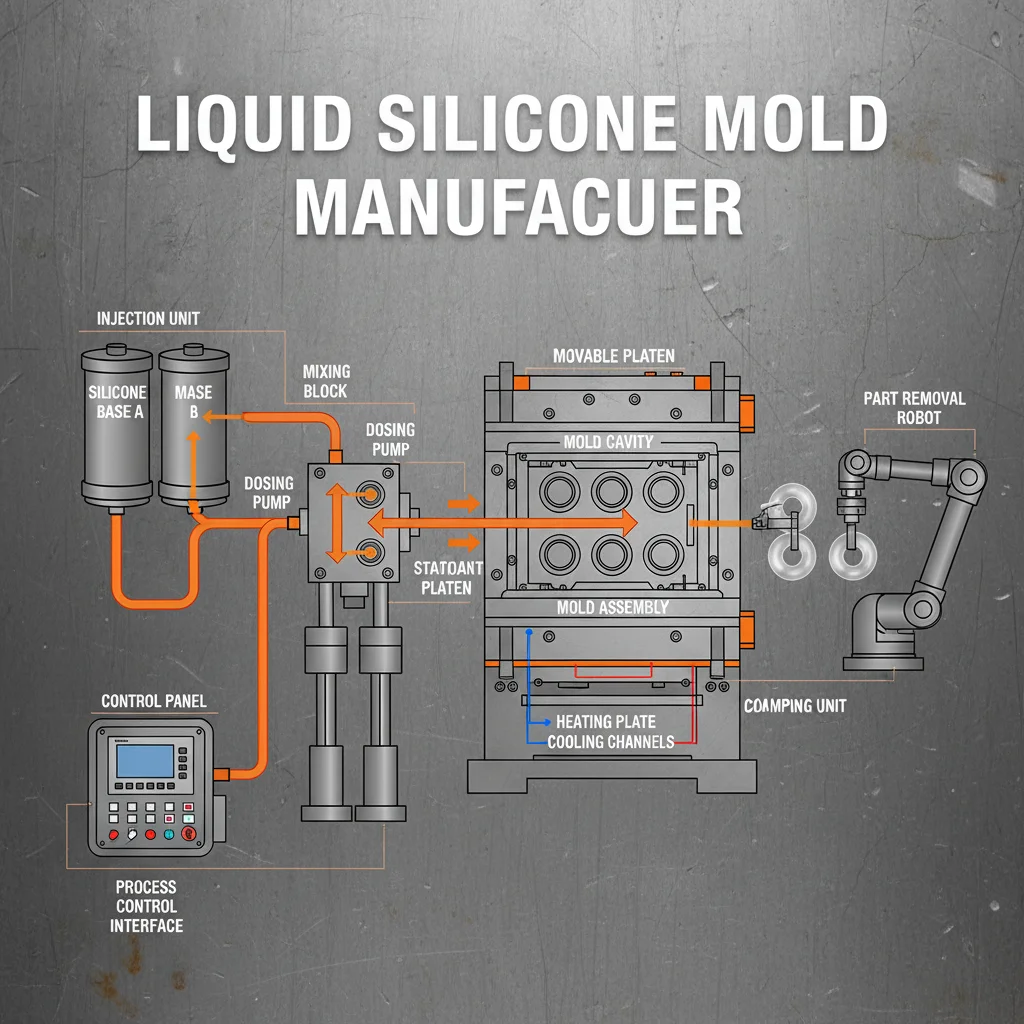
For advanced manufacturing, specialized materials such as Liquid Silicone Rubber (LSR) often undergo liquid injection molding validated by precision laboratory tests. This ensures uniform material properties throughout large volume production runs.
Recent studies, such as one published by MDPI (2023), emphasize that successful LSR injection molding simulation heavily relies on accurate characterization of rheological and thermal material parameters. This directly impacts dimensional stability and cycle time, critical metrics in high-volume industrial manufacturing.
Procurement Insights & Supplier Evaluation
Engaging the right supplier for vibration damping materials touches multiple operational facets:
- OEM/ODM Capabilities: Suppliers with in-house mold development and overmolding expertise offer faster turnaround and customization flexibility.
- Certifications: Verify documented compliance with ISO 9001, CE, FDA as applicable to guarantee material consistency and production quality.
- Lead Time & Logistics: Confirm supplier’s production capacity and shipping reliability, especially for just-in-time inventory programs and international container loading.
- Technical Support: Suppliers providing engineering consultation (e.g., material selection, design for damping optimization) reduce procurement risks significantly.
- Sample Policy: Testing physical samples under actual load conditions prior to final order mitigates unforeseen performance issues.
Guangdong Yingtai High Precision Technology Co., Ltd. exemplifies a leading-edge partner with 20+ years in silicone injection molding, advanced precision tooling capabilities, and global export experience. Their integrated system spans from mold design to finished products—ideal for custom vibration damping parts in demanding sectors like automotive and industrial electronics.
When drafting requests for quotation, explicitly request data on:
- Compression set values after simulated operational cycles
- Viscoelastic damping coefficients (measured across target frequency ranges)
- Environmental resistance parameters: UV, humidity, oils
- Batch and lot traceability
Careful supplier due diligence—not just on cost alone—will improve your operational continuity and lifetime value of vibration damping investments.
Installation Considerations & Maintenance Tips
Proper installation of vibration damping components can be the difference between system longevity and premature failure:
- Surface Preparation: Clean, dry, and appropriately roughened mounting surfaces enhance bonding for overmolded or adhesive-fixed dampers.
- Torque Specifications: Avoid over-tightening fasteners that can crush damping materials reducing their effectiveness.
- Environmental Shielding: When outdoors or chemical-exposed, include protective coatings or encapsulations to extend material life.
- Periodic Inspection: Monitor for signs of cracking, material compression set, or fatigue—replace before irreparable damage occurs.
- Temperature Monitoring: Excess heat reduces elastomeric damping qualities; evaluate thermal load and provide cooling if necessary.
From practical experience, many contractors report shorter installation times with pre-formed LSR dampers compared to field-cut rubber pads—minimizing assembly errors and avoiding costly rework.
Frequently Asked Questions
- Q: How does Liquid Silicone Rubber compare to traditional rubber for vibration damping?
- A: LSR offers superior thermal resistance and longer lifespan with lower compression set values, making it ideal for high-precision and harsh environments. Traditional rubbers like neoprene are more cost-effective and suited for less demanding conditions.
- Q: Can vibration damping materials be customized for specific frequencies?
- A: Yes, material formulations and geometries can be engineered to target particular vibration spectra. Working with suppliers offering OEM/ODM services ensures tailored material stiffness and damping profiles.
- Q: What lead times should I expect for custom molded damping products?
- A: Custom tooling typically requires 4-8 weeks, depending on complexity. However, established manufacturers with in-house tooling like Yingtai can often expedite this process with modular mold design.
- Q: Are there environmental limitations for silicone-based dampers?
- A: Silicones perform well in temperatures from -60°C to +230°C with excellent UV and chemical resistance, but excessive exposure to certain solvents or abrasive wear may degrade them over time.
- Q: How should vibration damping materials be shipped to ensure integrity?
- A: Dampers should be packaged to prevent compression during transit. Bulk orders are often loaded in containers with padding to maximize load stability and avoid deformation.
Customer Reviews & Industry Feedback

Mark Thompson, Procurement Manager, Midwest Manufacturing:
"Since switching to Yingtai’s LSR dampers, our assembly line downtime has dropped noticeably. The durability and consistent quality across batches exceed previous suppliers. Installation times were cut by nearly 20% due to precise molding and fit."

Sandra Lee, Operations Director, GreenTech HVAC:
"We evaluated multiple vibration damping materials for critical HVAC mounts. Yingtai’s silicone components matched thermal and mechanical specs exactly. Their engineering team’s advice on mold design saved us weeks in the production schedule."

Daniel Richards, Lead Engineer, AutoParts Solutions Inc.:
"The material consistency and UV resistance of the LSR vibration isolators we ordered have reduced failures under high sun exposure conditions. The mold quality ensures perfect repeatability, a must for automotive assembly lines."
Contact & Next Steps
Ready to optimize your vibration damping solutions with premium materials and expert support? Guangdong Yingtai High Precision Technology Co., Ltd. offers flexible OEM/ODM manufacturing, rigorous quality control, and global logistics integration for your industrial needs.
Contact Miss Zhang:
Phone: +86 17722437688
Fax: +86 0769-83666863
Email: zmm@yingtai168.com / lh@yingtai168.com
Whatsapp: +86 17722437688
Address: No. 359 Chang'an Bubugao Road, Chang'an Town, Dongguan City, Guangdong Province
Visit Our Official Contact Page
Request a free sample, factory pricing, or discuss OEM options today. Our engineers are ready to assist with application-specific vibration damping solutions.