Ensuring watertight, secure seals for all types of boat hatches. Expertly engineered marine gasket components built to withstand harsh environments and deliver long-lasting performance. Marine environments are unforgiving. Saltwater, UV exposure, constant vibration, and
Ensuring watertight, secure seals for all types of boat hatches. Expertly engineered marine gasket components built to withstand harsh environments and deliver long-lasting performance.
Introduction: What Makes Quality Boat Hatch Gaskets
Marine environments are unforgiving. Saltwater, UV exposure, constant vibration, and temperature extremes put hatch gaskets under relentless stress. Selecting the right gasket is not just about sealing; it’s about extending the lifespan of your vessel’s hatch system while minimizing maintenance costs.
Boat hatch gaskets serve as the vital barrier against water ingress, dust, and air leakage. But not all gaskets perform equally. Factors such as material composition, design geometry, and manufacturing precision heavily influence gasket reliability.
Over two decades of specialized expertise have taught us that choosing industrial-grade liquid silicone rubber (LSR) or high-performance EPDM materials with proven UV and saltwater resistance ensures resilient sealing integrity. These compounds combine elasticity, chemical resistance, and thermal stability that typical rubber or foam simply can’t match in marine applications.
Operationally, a good boat hatch gasket must flex with the hatch's movements, resist permanent deformation under compression, and maintain tight sealing under wide temperature fluctuations—commonly between -20°C to 80°C depending on location and boat type. We also see clients emphasize the importance of anti-slip backing and custom-fit profiles that enhance waterproofing without compromising hatch function.
From OEM suppliers to aftermarket distributors, an informed understanding of these properties guides procurement decisions and mitigates costly failures at sea. As the leading manufacturer in Guangdong with extensive export experience, we couple advanced injection molding technology with rigorous quality inspections — delivering boat hatch gaskets that meet ISO 9001 and CE certification standards.
Stretching across yachts, commercial vessels, and small marine craft, our components support high-performance sealing. As the LSR market continues to grow at nearly 8% CAGR globally, driven by demand for precision engineering, our expertise enables scalable production combined with flexible OEM services tailored for international markets like the USA.
Whether upgrading hatch seals on a workboat or specifying gaskets for a new luxury vessel, understanding industrial nuances—from material selection and manufacturing methods to packaging and shipment logistics—empowers buyers to optimize cost, performance, and supply chain reliability.
Industry Pain Points & Procurement Risks
Material Degradation: Inferior EPDM or foam gaskets often suffer premature UV and saltwater damage causing cracking or permanent set, leading to leaks.
Poor Dimensional Tolerances: Incorrect gasket profile dimensions or inconsistent cross-sections cause improper sealing even if material quality is good.
Installation Failures: Lack of clear installation guidelines or unsuitable gasket designs result in improper compression and early seal failure.
Supply Chain Unreliability: Long lead times, fluctuating MOQ (minimum order quantities), and unclear OEM options add risk to tight marine build schedules.
Insufficient Quality Control: Batch-to-batch inconsistency, inadequate inspection of vulcanization, and surface finish defects weaken seal durability.
Compliance Gaps: Not meeting marine or environmental certification (e.g., REACH, RoHS) hinders acceptance in regulated US or European markets.
These pain points often stem from suppliers focusing on low upfront costs rather than lifecycle reliability. Procurement managers should demand detailed technical data and internal testing reports to reduce risk, especially when managing complex marine supply chains.
Technical Breakdown: Materials & Manufacturing
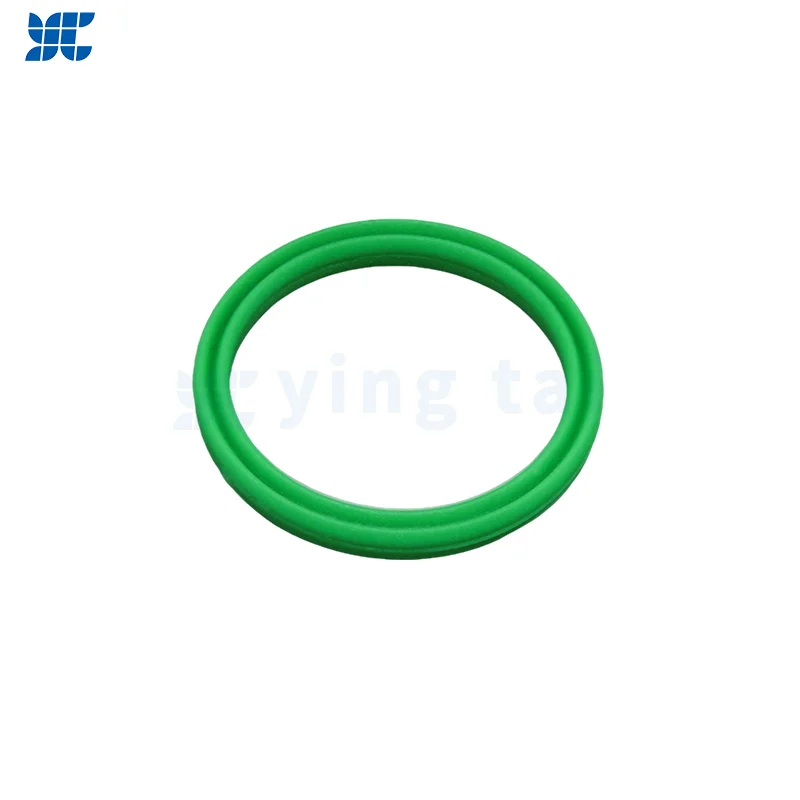
Our boat hatch gaskets are primarily manufactured via liquid silicone rubber (LSR) injection molding, using a network of 55 advanced molding machines and precision tooling developed in-house. This method ensures highly consistent dimensional accuracy and exceptional surface finish.
LSR is prized for biocompatibility, UV and saltwater resistance, elasticity retention, and thermal stability. In many marine applications, it outperforms traditional EPDM or neoprene alternatives by maintaining seal integrity over years despite exposure to compression set forces and harsh elements.
Each gasket undergoes rigorous quality checks including durometer hardness testing, dimensional inspection with CMM, and surface finish evaluation. Our in-house mold development uses CAE simulations to optimize flow and cure cycles, minimizing potential defects caused by material shrinkage or air entrapment — consistent with best practices detailed by studies such as the MDPI research on material characterisation.
Typical Marine Applications & Performance
Our hatch gaskets are designed to fit a wide range of vessels:
Recreational boats and sailboats: sealing overhead and companionway hatches.
Commercial fishing vessels: rugged, saltwater-resistant seals for access hatches and bulkhead doors.
Luxury yachts: custom profiles with soft-touch silicone for comfortable, watertight sealing on curved surfaces.
Military and patrol boats: high-durability gaskets that perform under vibration and mechanical stress.
Marine industrial applications: hatch covers in offshore platforms requiring chemical resistance and temperature stability.
Our product features include:
Waterproof sealing with compression set resistance preventing leaks under repeated hatch closures.
Weatherproofing against UV and ozone to reduce brittleness and cracking over time.
Custom dimensional flexibility to accommodate hatch opening types (flush mount, raised, or lift-and-turn).
Anti-slip surface design to ensure secure hatch operation in wet or marine conditions.
These features translate to operational benefits like reduced maintenance intervals, improved vessel safety, and protection of internal electronics or cargo from water damage.
Installation and Ongoing Maintenance Insights
From a technical engineering standpoint, proper installation significantly extends gasket life and performance:
Surface preparation: Clean and dry hatch frames to ensure correct adhesion for gaskets with pressure-sensitive adhesive backing.
Compression techniques: Avoid over-compressing which leads to material extrusion or permanent deformation; typically 25-30% compression is optimal.
Hardware compatibility: Confirm mating hatch surfaces are free of burrs or warping that can stress gasket edges.
Replacement schedules: Plan inspections every 12-18 months depending on environmental exposure, with more frequent checks in high UV or salt spray regions.
Maintenance involves routine cleaning with mild detergents, avoiding harsh solvents that can degrade compound integrity. Record keeping of gasket part numbers and mold batch IDs helps trace any warranty or quality issues back to manufacturing.
Ignoring proper installation or maintenance increases the chance of leaks at critical moments offshore—a risk no vessel operator can afford.
Logistics, Lead Times & Supplier Evaluation
When sourcing boat hatch gaskets from international manufacturers like Guangdong Yingtai, understanding shipping nuances and lead times is vital:
Standard lead time: Typically 25-35 days from order confirmation to shipment for OEM molded parts, influenced by order size and tooling complexity.
Container loading: Efficient packaging reduces bulk and helps mitigate transport damage; gasket profiles are packed with protective layers preventing deformation.
OEM & ODM options: Collaborative design services allow tailored gasket profiles to suit unique hatch designs, often with rapid prototyping turnaround under 3 weeks.
Trade compliance: Export documentation covers CE and RoHS certificates, ensuring smooth customs clearance in USA and EU ports.
Communication channels: Including phone, WhatsApp, and email support (contact details below) enable timely responses on order status and technical queries.
“Switching over to liquid silicone boat hatch gaskets from this supplier has noticeably reduced our maintenance calls. Quality holds even after two seasons in harsh saltwater. Installation was straightforward thanks to their clear guidelines.”
Get in Touch
If you have any camping barbeque equipment inquiry, please feel free to contact us.