Mark Jefferson, Fleet Manager, Seattle WA
"We switched to Yingtai’s boat hatch seals last year, and the durability in Puget Sound’s tough marine environment is outstanding. Saves maintenance hours every season.”



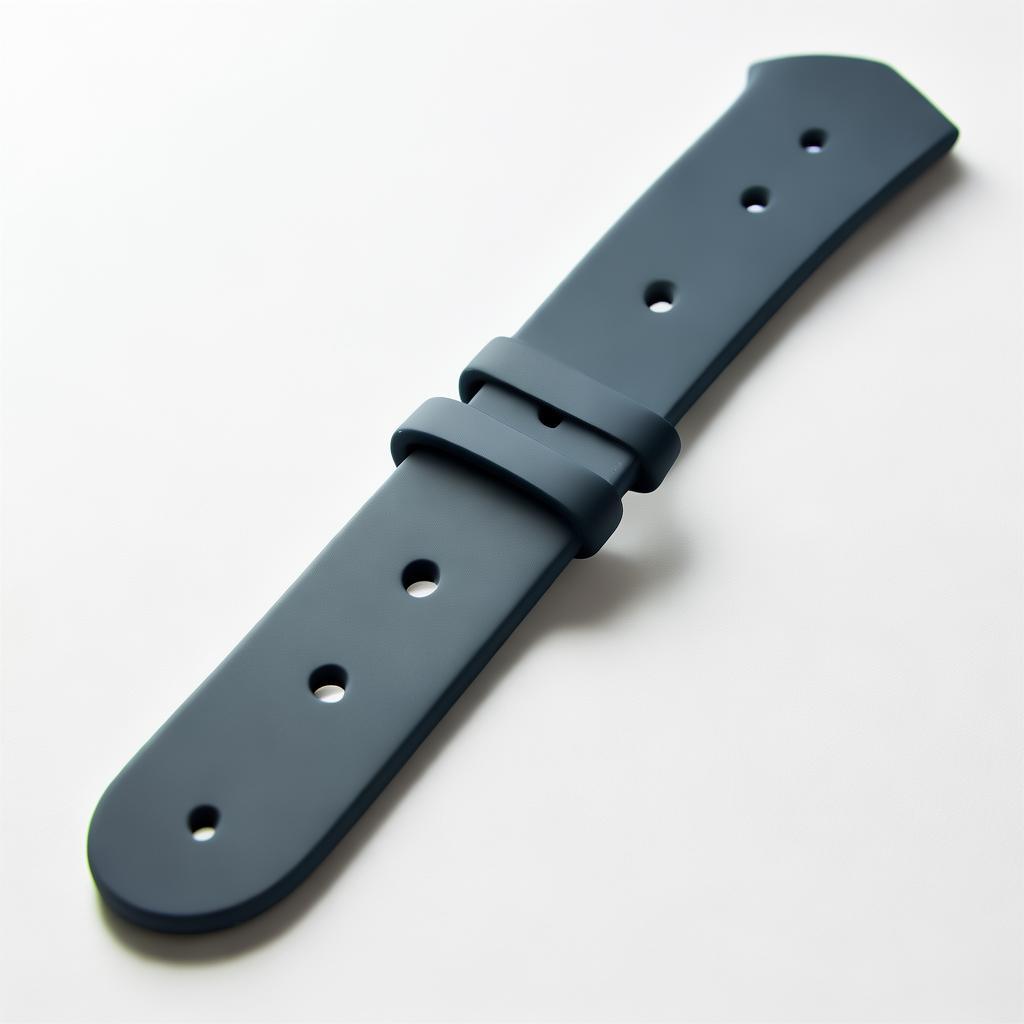
Specialized boat hatch seals that withstand harsh marine environments, delivered by Guangdong Yingtai High Precision Technology Co., Ltd., a trusted OEM/ODM manufacturer with 20+ years of expertise in liquid silicone molding and precision seals.
For marine vessels, the integrity of hatch seals often goes unnoticed until failure occurs. A boat hatch seal might seem like a simple rubber gasket or silicone strip, but its role in preventing water ingress, maintaining airtight environments, and reducing noise and vibration is vital to vessel safety and comfort. Seawater exposure, UV radiation, temperature extremes, and mechanical stress challenge hatch seals daily, demanding materials and manufacturing methods that ensure long-term resilience.
Choosing the right hatch seal means balancing several factors: material properties like UV resistance and saltwater tolerance; manufacturing precision to ensure consistent compression and sealing; and compatibility with the hatch design — whether it’s rigid plastic, fiberglass, or aluminum framed. From procurement and engineering perspectives, inadequate seals translate directly to increased maintenance costs, downtime, and potential damage to sensitive electronics or cargo.
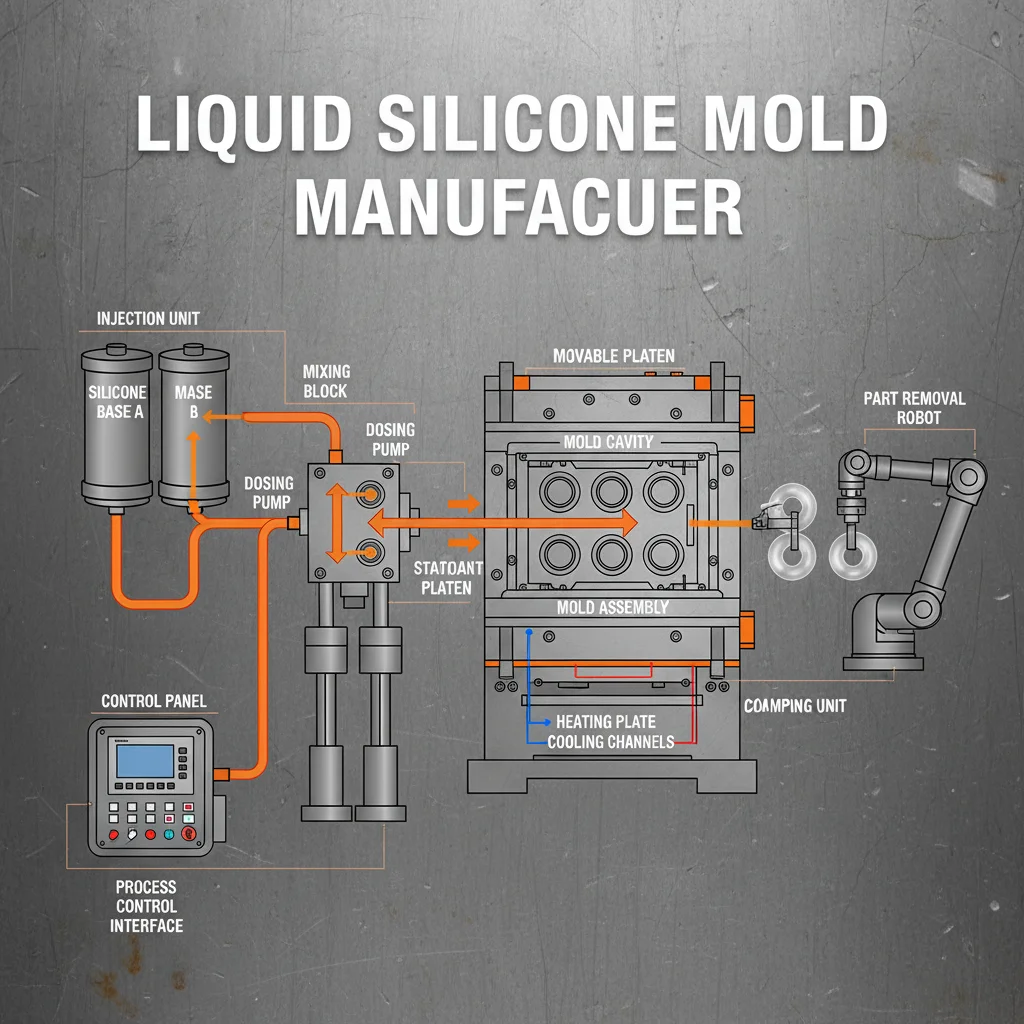
Drawing on over two decades of industrial experience and the latest advances in liquid silicone rubber (LSR) injection molding, Guangdong Yingtai High Precision Technology Co., Ltd. specializes in producing high-performance hatch seals tailored for marine applications. Our seals are designed to endure continuous salt spray exposure, resist Shore A hardness fluctuations, and maintain elasticity throughout multiple compression cycles. Leveraging a vertical integration manufacturing approach that spans from precision mold making to automated LSR molding, we minimize defects such as flash or unevenness which compromise sealing performance.
In this article, we will explore not only why material selection and process control matter but also how operational considerations in purchasing and installation affect total cost of ownership. Understanding these factors is key for any fleet manager, procurement director, or marine engineer aiming to strengthen vessel reliability while optimizing supply chain agility.
Based partly on scientific reports such as the Grand View Research analysis on the LSR market growth and recent injection molding simulation research published by MDPI [1], we also cover innovations and challenges manufacturers face in delivering the quality and consistency required in maritime ambient environments — from material rheology management to mold tool precision.
These challenges highlight the importance of partnering with suppliers who understand marine OEM specifications, can comply with ISO 9001 quality standards, and offer transparent communication during the manufacturing and logistic phases.
Boat hatch seals primarily leverage liquid silicone rubber (LSR) because of its unmatched resistance to heat, ozone, UV rays, and aggressive marine chemicals. Compared to traditional EPDM or neoprene, LSR maintains tensile strength and flexibility after prolonged immersion and temperature cycling.
Our seals are crafted using advanced injection molding processes, supported by high-precision steel molds with surface treatments that ensure tight dimensional tolerances, avoiding defects common in compression molding or extrusion methods.
| Property | Typical Value - Yingtai Seals | Industry Benchmark |
|---|---|---|
| Shore Hardness (A) | 45 ± 5 | 40 - 50 |
| Tensile Strength (MPa) | 9.5 - 11 | 8 - 11 |
| Elongation at Break (%) | 650 - 700 | 600 - 750 |
| UV Resistance (hours) | >1000 (ASTM G154 Cycle) | >800 |
| Salt Spray Resistance (ASTM B117) | >168 hours (No corrosion) | >120 hours |
Beyond material properties, manufacturing controls such as rheology testing, curing cycle optimization, and advanced simulation tools (as described in the MDPI industry study [1]) ensure dimensional consistency that matters most for sealing performance. Our process includes electronic defect inspection and batch traceability to support quality audits and compliance with CE and RoHS certifications.
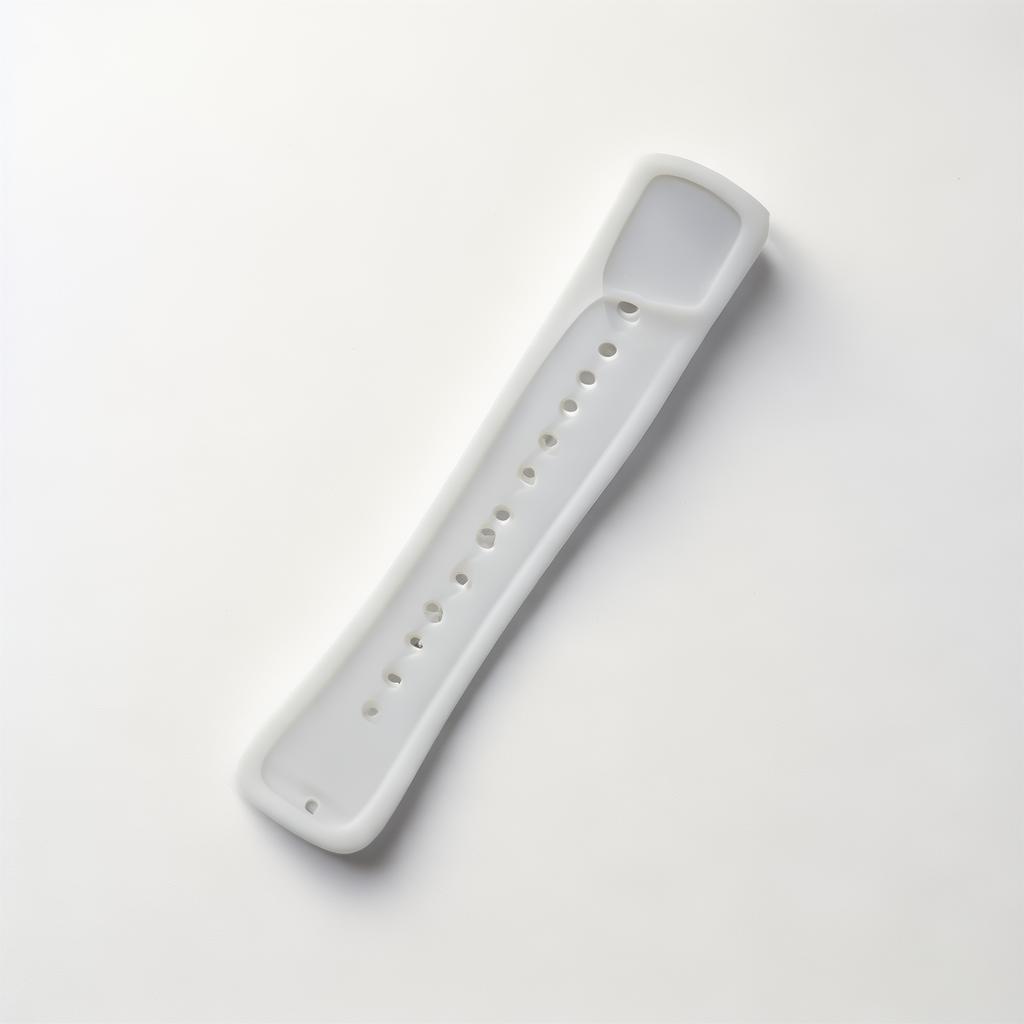
Boat hatch seals from Yingtai combine technical innovation with manufacturing scale.
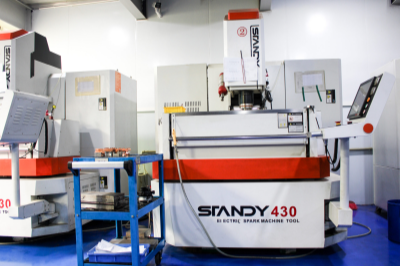
Our marine seals have proven effective in demanding applications spanning recreational boats, commercial fishing vessels, and offshore platforms. Whether you need molded gasket shapes, co-extruded profiles, or customized seal systems, we deploy ISO 9001 and CE-compliant workflows that manifest product consistency and technical confidence.
Even the best seals can fail without proper installation. Marine hatch seals require careful handling during replacement or assembly. The following points address procurement and engineering concerns from an operational standpoint:
boat hatch gaskets piston hydraulic seal airlock inflatable seals
Logistics advisors often overlook the importance of how seals are packed and shipped. Our packaging solutions prevent deformation during transit by using supportive foam inserts and moisture-proof wrapping, essential for importers who handle bulk container loads.
Timely delivery often defines business success in marine component sourcing. Guangdong Yingtai High Precision Technology Co., Ltd. has optimized export workflows to bridge Chinese manufacturing with North American importers seamlessly:
Selecting a boat hatch seal supplier is not just price-driven — accuracy, durability, and after-sales support weigh heavily. Here’s what procurement professionals should prioritize:
Guangdong Yingtai High Precision Technology Co., Ltd. welcomes pre-shipment factory audits and provides comprehensive sample kits. As an experienced exporter with a 35,000 square meter industrial park and 500+ employees, our integrated services reduce supplier risk.
Mark Jefferson, Fleet Manager, Seattle WA
"We switched to Yingtai’s boat hatch seals last year, and the durability in Puget Sound’s tough marine environment is outstanding. Saves maintenance hours every season.”