

Bolt Inserts for Plastic: Precision Solutions for Durable Fastening
Delivering robust, reliable, and cost-effective threaded inserts to enhance plastic component assemblies. Expert insights from Guangdong Yingtai's engineering and export teams based in Dongguan, China.
Industry Pain Points
Plastic assemblies involving threaded fasteners often face common challenges impacting durability and reliability. Plain plastic threads under load tend to weaken rapidly, causing stripping, thread pull-out, or failure after limited cycles of assembly and disassembly.
When engineers rely on molded-in threads, inconsistent plastic density and shrinkage can cause thread deformities. These defects complicate procurement and production schedules with higher failure rates during assembly, increased warranty costs, and unscheduled maintenance.
From a procurement viewpoint, selecting the right insertion method, material compatibility, and supplier expertise becomes a balancing act. Risks include receiving inconsistent insert quality, delays due to tooling modifications, or hidden costs arising from premature fastener failure.
Real-world observation: Many assembly lines report installation time savings when switching from ultrasonic inserts to press-fit bolt inserts—sometimes trimming the process by up to 20%.
Still, the risk of damaging fragile plastic substrates remains a critical concern unless the insert design is truly optimized for the specific polymeric material.
Technical Overview: What are Bolt Inserts for Plastic?
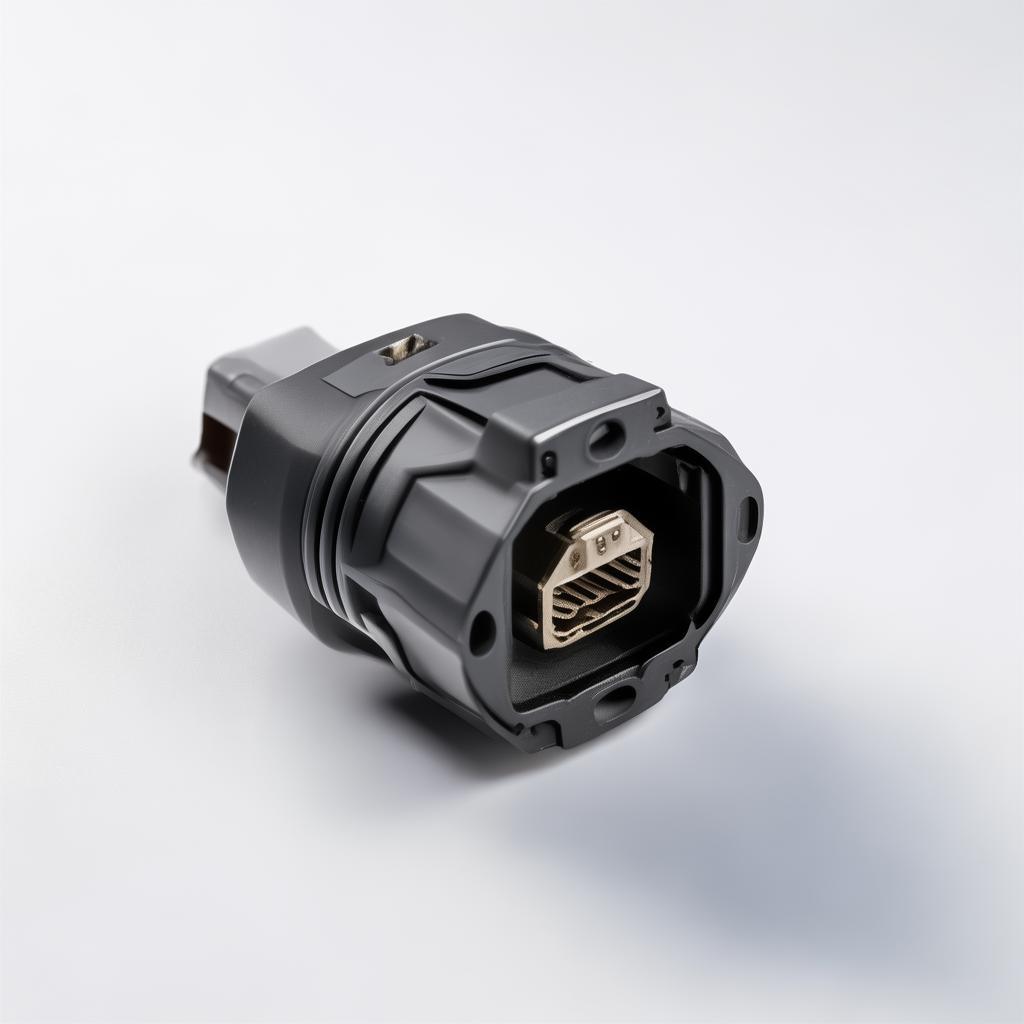
Bolt inserts — often called threaded inserts or fastener inserts — are metal components embedded into plastic parts to provide strong, reusable threads that withstand cyclical loads and torque.
Manufacturing methods typically include:
- Heat Staking: Thermally embedding brass or stainless steel inserts directly into thermoplastic substrates using precise temperature and pressure control.
- Ultrasonic Insertion: Ultrasonic vibrations soften surrounding plastic enabling rapid insertion and strong mechanical locking.
- Press-fit Inserts: Tight-tolerance press-fit designs engineered to expand or deform within specially designed plastic holes for retention.
- Overmolding: Inserts are placed into the mold cavity, and plastic is molded around them, creating a solid bond with excellent load transfer.
Materials vary by application, but brass, stainless steel, and phosphor bronze are industry standards. These metals balance corrosion resistance, machinability, and mechanical strength.
Plastic substrates are often polycarbonate (PC), acetal (POM), nylon (PA), or glass-filled polymers, chosen for rigidity and thermal stability.
The correct insert design respects ISO metric thread standards to ensure compatibility with standard fasteners, while also accounting for plastic thickness, expected load, and environment (e.g., UV exposure or chemical contact).
Key Advantages of Bolt Inserts for Plastic
- Enhanced Load Bearing: Metal inserts eliminate thread wear and deformation, supporting repeated assembly cycles.
- Improved Thermal Resistance: Prevents thread creep common in plastics exposed to heat or mechanical stress.
- Corrosion & Chemical Stability: Depending on material choice (e.g., stainless steel), inserts resist corrosion better than the plastic matrix.
- Cost Saving in Assembly: Reduced scrap rate and rework by increasing first-pass yield of fastener joints.
- OEM Flexibility: Easy to customize insert materials, lengths, thread types, and installation methods (OEM and ODM options).
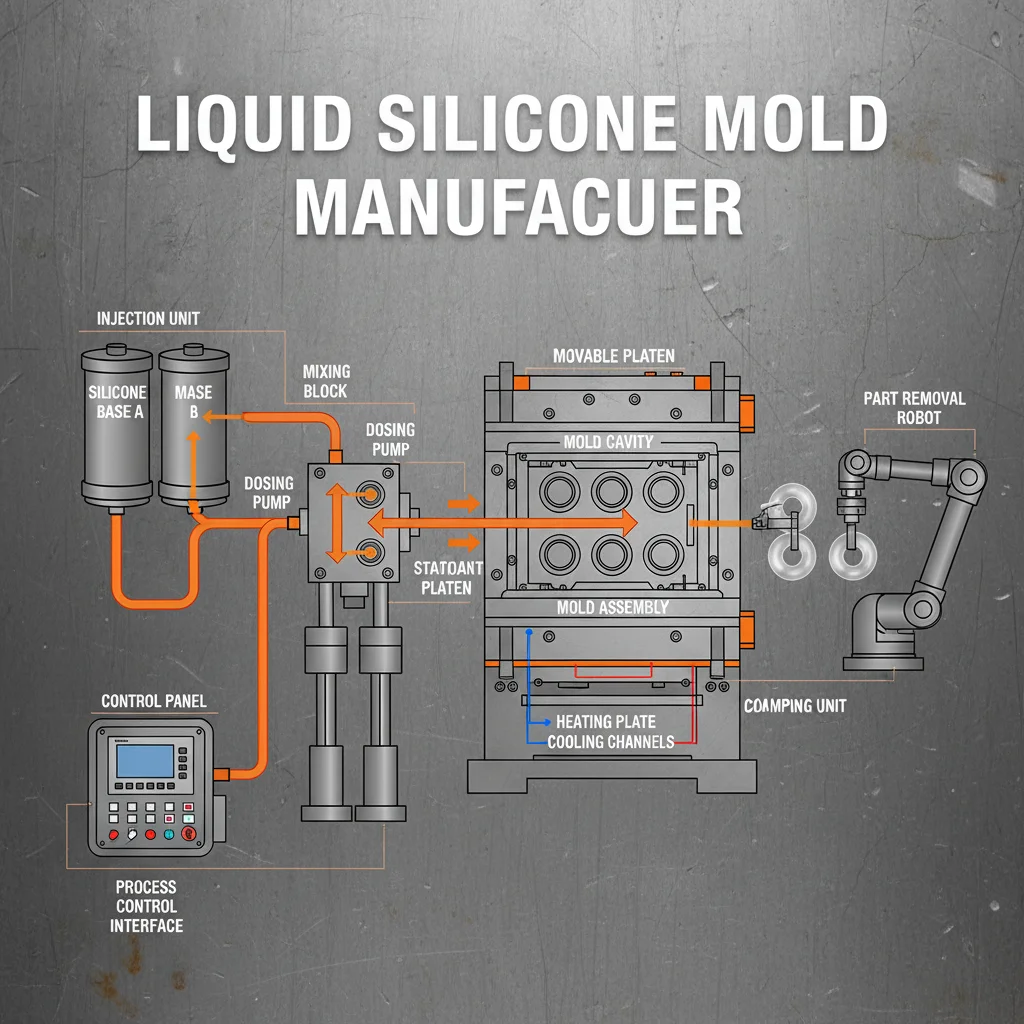
Technical note: Our factory’s 55 liquid silicone molding machines and 80 injection units allow overmolding of bolt inserts with tight tolerances, ensuring consistent mechanical performance.
Applications & Use Cases
Bolt inserts for plastic find essential use in various sectors where precision and durability are non-negotiable:
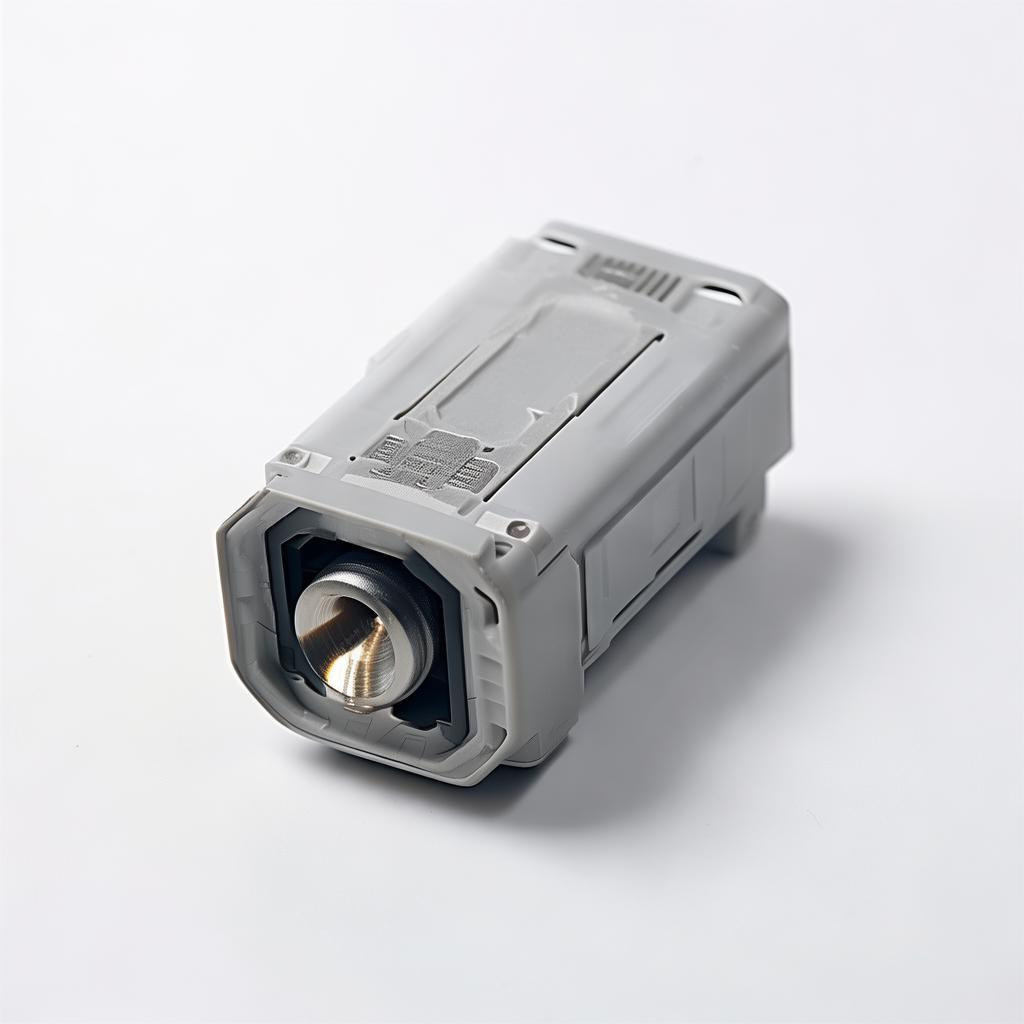
- New Energy Vehicles: Battery housing assemblies and electronic module fastening benefit from corrosion-resistant insert systems.
- Consumer Electronics: Durable fastening for smartphones, wearables, and optical devices with miniature form factors.
- Communication Equipment: Ensuring reliable mechanical joints inside routers, base stations, and antenna modules.
- Medical Devices: Injection molded plastic parts needing hygienic, repeatable assembly for diagnostics or wearable sensor devices.
- Industrial Appliances: Heavy-duty fastener points in home and factory electronics that demand high vibration resistance.
Custom mold tooling and rapid prototyping accelerate OEM developments, enabling faster market entry aligned with the demands of healthcare and consumer trends.
Installation Insights & Best Practices
Successful mounting of bolt inserts for plastic requires precise control of factors:
- Hole Preparation: Injection-molded or machined holes must meet exact tolerances; oversized holes reduce retention strength.
- Temperature Control: For heat-staked inserts, accurate part and insert temperature prevents plastic overheating or cracking.
- Tooling & Alignment: Proper insertion tooling ensures no tilting or damage during ultrasonic or press-fit procedures.
- Cycle Timing: Ultrasonic insertion often completes in seconds; optimized press-fit pressures reduce stress on the plastic matrix.
Note: Over-tightening fasteners into inserts can cause thread galling — torque specifications should always be respected.
Procurement Guide & Supplier Evaluation
For purchasing managers and procurement professionals, evaluating suppliers for bolt inserts for plastic involves:
- Quality Certifications: Verify ISO 9001, RoHS compliance, and material test reports matching specifications.
- Production Capabilities: Check for modern production lines, CNC machining accuracy, and mold design expertise.
- Lead Times & MOQ: Understand tooling setup times and minimum order quantities to align with production schedules.
- Sample Availability: Request free samples to validate thread fit, insert retention, and compatibility with chosen polymers.
- OEM/ODM Support: Suppliers with design engineering teams can assist customization, reducing your development overhead.
Guangdong Yingtai offers all these advantages from its 35,000 sqm Dongguan facility, with exports aligned to stringent international standards.
Technical Specifications
| Parameter | Details | Typical Values |
|---|---|---|
| Insert Material | Brass / Stainless Steel / Phosphor Bronze | ASTM B16 / AISI 303 / C54400 |
| Insert Type | Heat Staked, Ultrasonic, Press-fit, Overmolded | -- |
| Compatible Plastics | PC, PA (Nylon), POM, Glass-filled Nylon | ISO 1043/1 compliant polymers |
| Thread Standard | Metric, UNC, UNF Threads | M2 to M12, 4-40 to 1/2-13 |
| Torque Resistance | Dependent on plastic substrate and insert type | 15 - 35 Nm typical |
| Corrosion Protection | Tin/Nickel Plated Optional | RoHS Compliant |
screw inserts for plastic plastic insert for screws press in inserts for plastic
Frequently Asked Questions
- Q1: How do I choose the correct bolt insert type for my plastic part?
- Consider your plastic's thermal and mechanical properties, assembly volume, and environmental exposure. Heat staked inserts suit thermoplastics; overmolding works well for high volume with tighter tolerances.
- Q2: What tolerances are critical for press-fit inserts?
- Hole diameter tolerance is crucial. Typically, a press-fit insert requires hole tolerances between H7 and H8 depending on the plastic's elasticity to minimize stress and ensure retention strength.
- Q3: Can inserts be installed after molding?
- Yes. Press-fit and ultrasonic inserts are designed for post-molding installation, while overmolding inserts are added during molding for superior retention but require upfront tooling considerations.
- Q4: Are there any corrosion concerns?
- Material selection is key. Stainless steel offers the best corrosion resistance. Brass inserts can be plated with nickel or tin for enhanced protection in humid or chemical environments.
- Q5: What is the lead time for custom OEM inserts?
- Standard insert tooling lead time is approximately 3-6 weeks, varying with complexity. Guangdong Yingtai provides accelerated prototyping leveraging advanced mold processing equipment to meet urgent demands.
Customer Reviews & Procurement Feedback
 Mark T., Purchasing Manager – Automotive Supplier, Michigan
"Switching to Yingtai’s press-fit bolt inserts reduced assembly defects on our EV battery casings. Their technical team helped us tailor the insert size precisely for our nylon substrates, which was invaluable for our tight deadlines."
 Sarah L., Procurement Director – Medical Device OEM, California
"The customization options and quick sample turnaround gave us confidence in integrating bolt inserts into our wearable medical devices. Quality consistency and excellent corrosion resistance exceeded our expectations."
 John M., Operations Manager – Consumer Electronics, Texas
"We decreased assembly line downtime thanks to the precise insertion machines Yingtai recommended. Their engineering support onsite during pre-production was instrumental in optimizing installation parameters."
Chat with Our Experts