By Michael Chen , Industrial Engineer & Export Director applications of silicone rubber siliconen rubber solid silicone rubber Silicone rubber's unique combination of flexibility, thermal resistance, and chemical inertness makes it a go-to material
Product Details
Expert Guide to Bonding Silicone Rubber to Silicone Rubber: Technical Insights & Best Practices
By Michael Chen, Industrial Engineer & Export Director
Overview of Bonding Silicone Rubber to Silicone Rubber
Silicone rubber's unique combination of flexibility, thermal resistance, and chemical inertness makes it a go-to material across multiple industries — from medical devices and automotive seals to wearable electronics and consumer products.
But when it comes to joining silicone rubber substrates — especially bonding silicone rubber to silicone rubber — manufacturers face nuanced challenges that many end-users underestimate.
Unlike bonding silicone to dissimilar materials like metals or plastics, silicone-to-silicone bonding demands precise surface treatment and specialized adhesives due to the material’s inherent chemical stability and low surface energy.
A poor bond can compromise product durability, especially in environments involving thermal cycling, mechanical stress, or repeated flexing.
Extensive industry experience — both on the factory floor and in field installations — shows that overlooking subtle parameters leads to downtime, rework, and added procurement costs.
This article shares actionable insights drawn from Guangdong Yingtai High Precision Technology’s 20+ years manufacturing liquid silicone components and sealing solutions, helping purchasing managers and technical engineers make informed, low-risk decisions on silicone bonding solutions.
Material considerations: Not all silicones bond equally — variables like curing methods, hardness grades (Shore A 20-80), and additives impact adhesive compatibility.
Surface preparation: Cleaning, plasma activation, and abrasion methods significantly enhance adhesive wettability and bonding strength.
Adhesives: Specialty silicone adhesives or primers are often necessary; conventional glues typically fail polymer-to-polymer adhesion demands.
Environmental factors: Temperature fluctuations, UV exposure, and chemical contact in application environments dictate bonding strategy and materials.
Insight: Several end-users report that investing time upfront in bonding specification saves weeks of troubleshooting on-site and prevents premature product failures.
Common Industry Challenges When Bonding Silicone Rubber
Low surface energy: Silicone rubber resists adhesion due to a non-polar, hydrophobic surface that restricts standard adhesive bonding.
Material variability: Differences in silicone formulations and curing processes affect bond performance unpredictably.
Environmental stress: Thermal expansion mismatch and exposure to oils, solvents, or moisture degrade bonds over time.
Installation complexity: Improper surface treatment, adhesive curing times, or contamination frequently cause bond failure.
Cost pressures: Balancing high-performance adhesives with budget and production speed poses constant procurement headaches.
For purchasing managers juggling orders, product developers in R&D labs, and quality engineers on manufacturing lines, these issues highlight why bonding silicone rubber requires expertise and a careful partner selection.
Quick fixes rarely hold up under demanding operational conditions.
Technical Deep Dive: Understanding Silicone to Silicone Bonding Mechanics
At its core, bonding silicone rubber to silicone rubber hinges on overcoming the material's intrinsic chemical inertness. Without proper treatment, silicones’ methyl side groups form a nearly non-reactive surface that resists adhesive wetting and curing.
Surface Preparation Techniques
Plasma Treatment: Ionized gas activation chemically modifies the silicone surface, increasing polarity and surface energy to improve adhesive infiltration.
Corona Discharge: A similar approach to plasma, this method uses high voltage to oxidize the surface, making it temporarily more receptive.
Mechanical Abrasion: Light sanding or micro-blasting exposes fresh substrates and roughens surfaces to aid adhesion.
Solvent Cleaning: Using isopropyl alcohol or acetone removes contaminants but must precede other treatments immediately, as silicone recontaminates quickly.
Adhesive Selection and Bonding Chemistry
Typically, silicone-based adhesives such as RTV (room temperature vulcanizing) silicones or specialized silicone primers are preferred. These chemically compatible products form strong covalent bonds with silicones when cured properly.
Important note: Using generic polyurethane or cyanoacrylate adhesives often results in weak adhesion or bond failure especially under thermal or mechanical stress. For demanding applications, two-part addition-cure silicone adhesives deliver superior hardness match and elongation characteristics.
Curing Parameters & Process Control
Proper curing conditions — temperature, humidity, and time — have outsized effects on final bond strength. For example, typical RTV silicones cure at room temperature but benefit from post-cure heating at 80-120°C to enhance cross-linking density.
Careful attention to adhesive layer thickness and tooling alignment prevents mechanical stress concentrations that cause premature peeling or blistering.
Additionally, controlled environment assembly minimizes surface contamination that can undermine adhesion.
Benchmark Technical Specifications
Property
Target Range
Method / Standard
Adhesion Strength (Peel)
3.5 - 5.0 N/cm
ASTM D1876
Environmental Resistance (Humidity 85% 168h)
Retention > 85%
ASTM D4585
Thermal Stability
-50°C to +230°C
ISO 188
Hardness Compatibility (Shore A)
20 - 80
ASTM D2240
Advantages of Guangdong Yingtai's Silicone Bonding Solutions
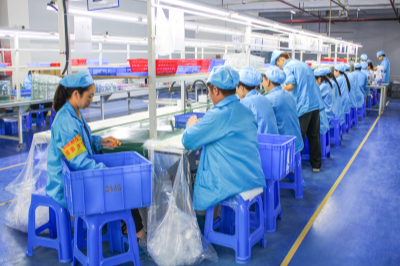
Over two decades, Guangdong Yingtai High Precision Technology Co., Ltd. has refined practices in silicone bonding that reflect deep operational expertise and manufacturing scale.
Below are tangible benefits our clients frequently cite:
Integrated Process Chain: Yingtai controls everything from mold design and processing through liquid silicone molding and final assembly, ensuring consistent material compatibility and bond quality.
Advanced Surface Activation: Utilization of custom plasma and corona treatment lines to prep silicone substrates, drastically reducing adhesive failures.
Premium Adhesives & Primers: Collaborations with certified global chemical suppliers for specialized RTV and addition-cure adhesives with guaranteed performance, verified by ISO, CE, and RoHS certifications.
Process Optimization: Dedicated testing labs and process control instruments enable us to fine-tune curing cycles and environmental exposure parameters minimizing defects and rework.
Wide Application Range: Yingtai bonded silicone products are trusted in automotive seals that withstand temperature swings, consumer electronics with tight dimensional tolerances, and medical-grade components requiring biocompatibility.
Note: Our clients frequently report smoother assembly processes, significantly reduced field failures, and increased product lifespan thanks to our bonding expertise.
Procurement Guide: Evaluating Suppliers for Silicone Rubber Bonding Solutions
For importers and purchasing managers sourcing bonded silicone assemblies or adhesives, a thorough supplier evaluation avoids costly downstream issues.
Key Criteria & Questions
Material Expertise: Can the supplier handle multiple silicone grades and customize adhesives for your hardness and chemical resistance demands?
Quality Certifications: Are ISO 9001, ISO 14001, RoHS, CE, or FDA certifications available and current? Independent quality audits add confidence.
Technical Support: Do they offer in-depth process guidance including surface prep techniques, curing schedules, and testing?
Lead Times & Flexibility: What is average production and delivery lead time? Are they equipped for OEM/ODM adjustments or short runs?
Testing & Validation: Is there a well-equipped lab supporting peel strength, environmental aging, and thermal cycling tests?
Logistics & Compliance: How do they optimize container loading and shipping methods to minimize damage? Are export customs and regulatory processes handled transparently?
Partnering with a factory that offers comprehensive support, end-to-end customization, and stringent quality control saves reordering costs.
OEM / ODM Customization
Yingtai embraces OEM manufacturing models, supporting full custom tooling design, joint development of bonding formulations, and flexible scale-up for mass production.
Our transparent production updates and process verifications reduce surprises in certification-heavy markets like medical devices or automotive components.
Frequently Asked Questions About Bonding Silicone Rubber
Q1: Can silicone rubber be bonded without surface treatment?
Generally no—without treatments like plasma or abrasion, adhesive bonds are weak and prone to failure. Surface activation is a critical step to improve wettability.
Q2: What adhesives are recommended for bonding silicone to silicone?
Silicone-based RTV adhesives, addition cure silicones, or specialty primers designed for silicones provide the best adhesion and durability.
Q3: How does temperature affect silicone bonding?
High or low temps can cause expansion mismatch or adhesive degradation. Bonds designed for automotive or industrial use must be tested to withstand -50°C to +230°C as per ISO 188.
Q4: How long does silicone adhesive curing take?
Room temperature cure takes 24-48 hours; elevated curing at 80-120°C can reduce time to 1-4 hours while improving crosslink density.
Q5: Are silicone bonding solutions tested for medical applications?
Yes, adhesives and bonded parts can be qualified to ISO 10993 biocompatibility standards and FDA regulations for direct or indirect medical device contact.
Customer Insights & Testimonials
John Harris, Procurement Manager – Automotive Seals, Michigan, USA
“Switching to Yingtai’s bonded silicone components cut our seal assembly rejections by nearly 30%. Their attention to surface activation and adhesive selection really made a difference in durability under high heat and vibration.”
Get in Touch
If you have any camping barbeque equipment inquiry, please feel free to contact us.