Premium Book Sleeve Leather: Supplier Insight & Buyer Guide
Expert Analysis for Purchasing Managers & Procurement Professionals
Understanding Book Sleeve Leather: Material & Market Overview
In the niche of book protection and accessory manufacturing, book sleeve leather has established itself as the preferred choice for quality-conscious retailers and importers targeting sophisticated consumers. But what truly defines “book sleeve leather”? It’s much more than just a protective cover; it’s the intersection of material science, craftsmanship, and practical design.
Book sleeve leather typically refers to leather materials tailored for lightweight, flexible, yet durable book covers designed to protect books while maintaining aesthetics and tactile luxury. In international wholesale and OEM contexts, these sleeves frequently use vegetable-tanned or chrome-tanned cowhide, predominantly sourced from established leather manufacturing regions with strict adherence to ISO 17025 and ISO 9001 quality management systems.
Despite the simplicity in appearance, suppliers face a variety of technical challenges: consistently producing leather with ideal thickness (usually between 0.9mm and 1.2mm), ensuring appropriate water resistance and UV stability, and managing grain fidelity to avoid premature wear. Moreover, global buyers are demanding not only product excellence but traceability and certification – such as CE certification for chemical compliance and adherence to eco-labeling standards – reflecting increased scrutiny on ethical sourcing and sustainable tanning methods.
Interestingly, consumer trends in the USA and Europe signal a stronger preference for natural leather book sleeves over synthetic alternatives, driven by tactile authenticity and durability considerations. According to industry reports, premium leather accessories in stationery and gift markets exhibit steady growth, paralleling the wider focus on artisanal, handcrafted goods.
Operationally, procurement specialists must carefully evaluate factors like leather embossing techniques, softness grade, and finishing methods (such as semi-aniline or pigmented finishes) that impact sleeve aesthetics and longevity. Logistics-wise, leather’s hygroscopic nature means packaging and container loading conditions must be optimized to prevent mildew, creasing, or shrinkage during sea freight.
To wrap up this overview, understanding the nuances of book sleeve leather enables buyers and importers to choose suppliers offering a balance of quality, cost-efficiency, and compliance – ultimately impacting their brand reputation and customer satisfaction.
Industry Pain Points in Book Sleeve Leather Procurement
- Material Inconsistency: Unreliable thickness and grain quality can lead to manufacturing defects, resulting in increased waste and rework.
- False Certifications: Some suppliers provide counterfeit environmental or quality certificates, risking compliance issues in export markets.
- Supply Chain Delays: Unforeseen delays in tanning and finishing stages disrupt just-in-time delivery schedules, impacting assembly lines and retail launches.
- Packaging & Handling: Inadequate moisture-proof packaging leads to quality deterioration during transit, especially across humid shipping routes.
- Cost Fluctuations: Raw material price volatility, influenced by hide availability and geopolitical factors, complicates budgeting and pricing strategies.
- Customization Complexities: OEMs face issues integrating embossing, color variations, or patented logos without quality control breakdowns.
Practical note: These pain points often escalate when procurement is driven solely by price, ignoring supplier capability assessments or lacking technical input on material specs.
Technical Specifications & Material Insights of Book Sleeve Leather
Selecting the right leather material is non-negotiable. Typically, high-grade full-grain cowhide is favored for its dense fiber network, delivering a robust yet pliable sleeve structure. Vegetable tanning is commonplace in premium lines, imparting rich patina over time, whereas chrome tanning opts for softer, more uniform finishes suited to color diversity.
| Specification | Range / Standard | Remarks |
|---|---|---|
| Thickness | 0.9 - 1.2 mm | Optimized for flexibility without compromising protection |
| Water Resistance | Minimum 500 mm H₂O | Measured per ISO 811 for splash protection |
| Tensile Strength | ≥ 15 MPa | Ensures durability for daily handling |
| UV Resistance | Class 3 (Good) | Tests per ISO 105 B02 standards |
| Color Fastness | ≥ 4 (Scale 1-5) | Resistance to rubbing & light exposure |
Note: These values are benchmarks from leading OEM suppliers and represent realistic quality parameters suited for international trade compliance and consumer grade expectations.
Leather finishing methods for book sleeves often involve a balance between natural hand-feel and protective coatings. Semi-aniline finishes are preferred for luxurious textures while providing moderate stain resistance. When abrasion resistance is paramount, pigmented protective layers with UV stabilizers are applied without significantly affecting softness.
In terms of production workflow, suppliers employ staged conditioning – tanning, neutralization, drying, and surface finishing – with strict process controls monitored via advanced spectrophotometers and mechanical testers to ensure consistency. These practices align with recent operational insights indicating that process variability is a root cause of delivery inconsistencies in book sleeve manufacturing.
Application Scenarios & Practical Usage
The primary function of book sleeve leather is to protect paperbacks and hardcover books against scratches, dust, and moisture while enhancing aesthetic appeal. Retailers and distributors focusing on lifestyle and gift markets find leather sleeves particularly popular among urban professionals and students who value quality and design.
Beyond retail, corporate gifting and event merchandise frequently incorporate custom embossing or foil stamping on sleeves, necessitating suppliers capable of precise OEM/ODM customization. For example, tech companies commission leather book sleeves as premium packaging for product manuals or to accompany limited-edition releases, adding an upscale touch compared to conventional paper or plastic alternatives.
- Personal & Promotional Use: Custom branded sleeves for conferences or corporate clients.
- Retail & E-commerce: Durable sleeves for bookshops, online sellers, and boutique gift stores.
- Library & Institutional: Protective covers for collectible books and archives.
- Eco-Conscious Consumer Lines: Natural tanned leather targeting sustainable product buyers.
It’s critical to note that environmental factors heavily influence leather sleeve performance. High humidity or exposure to direct sunlight drastically affect product life. Procurement specialists should verify that manufacturing partners apply anti-fungal treatments and UV-resistant coatings, especially for shipments destined to tropical or temperate climate regions.
Procurement Best Practices & Supplier Evaluation
Sourcing book sleeve leather from reliable international suppliers involves more than price negotiations. Successful purchasing managers integrate operational insights with supplier audits, testing protocols, and logistics planning to mitigate risk and optimize ROI.
- Verify Certifications and Compliance: Request third-party lab reports for chemical safety (e.g., REACH, RoHS) and quality standards (ISO 9001). Genuine certificates prevent costly customs blocks and market recalls.
- Material Sampling & Testing: Insist on physical samples evaluated for thickness, grain integrity, and water resistance before mass production approval.
- Factory Visits & Quality Inspections: Conduct onsite audits focusing on process controls, staff training, and finishing technologies to ensure consistent output quality.
- Customized OEM Support: Assess suppliers' capacity for embossing, printing, or finishing customization to preserve brand uniqueness.
- Logistics & Packaging Strategies: Plan container stowage and moisture-proof packaging to avoid transit damages and maintain leather conditioning.
- Lead Time Alignment: Clarify realistic production timelines considering tanning batch cycles and finishing lead times – expect 30-60 days from order confirmation.
- Post-Sale Support: Establish corrective action protocols and quality claim handling to maintain supply chain resilience.
Caution: Overreliance on one supplier without dual sourcing or contingency planning has tripped many importers, given leather manufacturing's sensitivity to raw hide scarcity and tanning plant downtime.
OEM/ODM options are increasingly important for buyers seeking product differentiation. Factories like Guangdong Yingtai High Precision Technology Co., Ltd. offer flexible customizing solutions backed by strict IP protection and advanced finishing machinery to maintain high consistency while enabling branding.
Buyer FAQs
- Q1: What leather type is best for book sleeves?
- Full-grain cowhide with vegetable tanning is preferred for durability and natural aging, while chrome-tanned leather suits color variety and softer finishes. Thickness around 1mm balances protection and flexibility.
- Q2: How is water resistance achieved without harming leather texture?
- Protective finishes use microscopic surface coatings that repel moisture while preserving breathability. Semi-aniline finishes or wax-based conditioning treatments protect without plasticizing the leather.
- Q3: What lead time should I expect for bulk book sleeve leather orders?
- Typically between 30 to 60 days, accounting for tanning, dyeing, finishing, inspection, and shipment. Rush orders may be possible but potentially costlier.
- Q4: Can leather sleeves be customized with logos or embossing?
- Yes, many reputable suppliers offer hot stamping, debossing, and laser engraving. OEM/ODM services usually require minimum order quantities and artwork approval.
- Q5: What packaging considerations are recommended for shipment?
- Leather should be flat-packed with moisture-absorbing desiccants and sealed in water-resistant plastic liners to prevent mildew and deformation during ocean freight.
Selected Customer Testimonials

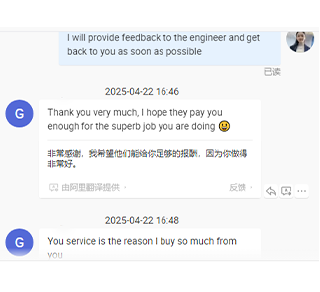
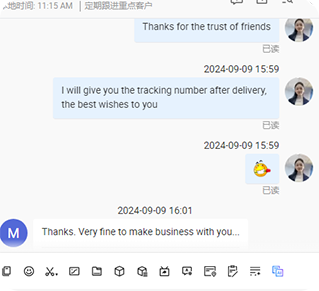
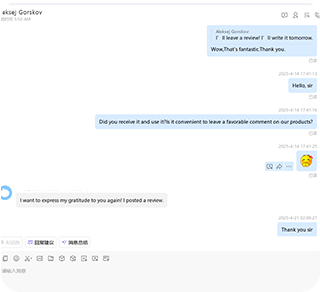
“As a procurement professional sourcing book sleeve leather for a mid-sized book accessory brand, Yingtai’s consistent material thickness and color fastness boosted our production reliability. The semi-aniline finish achieved the premium feel our customers valued. On-time deliveries helped us maintain seasonal launch schedules.”
- Michael J., New York, USA

“I appreciated the open communication and detailed technical datasheets from the supplier. The OEM/ODM services allowed us to incorporate precise embossing of our logo with minimal defects. The flexibility to select different tanning processes helped us cater to diverse customer preferences.”
- Elizabeth K., San Francisco, USA

“Logistics and packaging were crucial for us. The supplier’s expertise in moisture-proofing the leather and optimizing container loading allowed smooth transit without product degradation. This attention to detail prevented issues we previously faced with other vendors.”
- Jason T., Chicago, USA
faux leather book covers leather cover carabiner leather
Get in Touch & Next Steps
For buyers seeking professional-grade book sleeve leather suppliers with over 20 years of experience and advanced manufacturing capabilities, Guangdong Yingtai High Precision Technology Co., Ltd. stands out as a trusted partner.
With a 35,000 m² industrial park in Dongguan, the factory boasts 55 liquid silicone molding machines and 80 automatic injection systems supporting varied customized manufacturing workflows. Their integrated production chain ensures superior quality control from raw material to finished product.
- Phone (Miss Zhang): +86 17722437688
- Fax: +86 0769-83666863
- Email: zmm@yingtai168.com / lh@yingtai168.com
- WhatsApp: +86 17722437688
- Address: No. 359 Chang'an Bubugao Road, Chang'an Town, Dongguan City, Guangdong Province, China
- Official Contact Page
Chat Support