Guangdong Yingtai High Precision Technology Co., Ltd. | Export Department When sourcing materials—especially metals—in bulk for critical industrial applications, understanding mechanical properties is fundamental. Among the key metrics, Brinell hardness and tensile strength emerge
Product Details
Brinell to Tensile Strength: Practical Insights for Industrial Procurement and Material Selection
Guangdong Yingtai High Precision Technology Co., Ltd. | Export Department
Understanding Brinell and Tensile Strength
When sourcing materials—especially metals—in bulk for critical industrial applications, understanding mechanical properties is fundamental. Among the key metrics, Brinell hardness and tensile strength emerge frequently as benchmarks on datasheets and supplier certificates.
The Brinell hardness test measures material resistance to indentation using a hardened steel or carbide ball, offering a surface property indication that correlates but does not directly translate to the material's load-bearing capability. Conversely, tensile strength—expressed in megapascals (MPa) or pounds per square inch (psi)—is an intrinsic metric describing the maximum stress a material withstands under axial tension before failure.
Understanding how to interpret Brinell values in terms of tensile strength is more than academic. Many procurement managers face day-to-day challenges in comparing datasheets where, for instance, a supplier quotes a Brinell hardness but the project spec requires tensile strength parameters. This discrepancy can cause delays, misalignment, or worse—component failure.
The relationship between Brinell hardness number (BHN) and tensile strength (UTS) is not fixed but varies by alloy composition, heat treatment, and microstructure. For common steel grades, a useful rule of thumb used by manufacturing engineers is:
This table serves as a general guide, but the wide variance in alloy compositions and heat treatments means engineering verification via testing or supplier-certified documentation is critical before acceptance. The ANSI/ASTM E10 standard for Brinell hardness testing and ASTM E8 tensile testing protocols remain industry benchmarks and should be requested when sourcing.
In practical operations, the conversion from Brinell to tensile strength often aids rapid material evaluation for purchasing decisions but is never a substitute for mechanical testing on representative batches—especially when dealing with specialized steels or components subject to regulatory standards such as ASME or ISO certifications used in aerospace, automotive, or energy sectors.
Overall, procurement professionals must balance commercial efficiency with technical rigor. Our expertise at Guangdong Yingtai High Precision Technology Co., Ltd., spanning over 20 years in materials processing and mold manufacturing, reiterates that thorough material due diligence, including correct property interpretation, delivery inspection, and process customization, mitigates risks, ensuring project continuity and compliance.
Industry Pain Points in Material Characterization
In our extensive dealings with international buyers and engineering teams, several recurring challenges stand out around Brinell to tensile strength conversion and material selection:
Inconsistent Material Datasheets: Different suppliers use varying conventions, sometimes listing surface hardness but omitting tensile data, leading to misinterpretation.
Misapplication of Conversion Factors: Blindly using a fixed multiplier without understanding alloy specifics risks underestimating mechanical requirements.
Lack of Standardized Testing Certificates: Absence of internationally accredited reports (like NADCAP, ISO/IEC 17025) can frustrate quality control and customs inspections.
Procurement Delays: Cross-border vendors unfamiliar with ASTM/ISO norms cause frequent back-and-forth clarifications, impacting lead time.
Failure to Account for Post-Processing Effects: Heat treatments, coating, or cold working can significantly alter material properties post-testing.
Buying managers should heed these operational risks, prioritizing suppliers that provide transparent testing protocols and who actively collaborate in material verification processes.
Technical Explanation & Conversion Considerations
Let's delve deeper into the mechanics behind the Brinell hardness test and its relation to tensile strength.
The Brinell test uses a fixed diameter ball indented into the surface under standard load for a set time. The size of the indentation inversely measures hardness: smaller indentations mean harder materials.
However, this hardness represents surface resistance to localized deformation, which depends on the microstructure, grain size, and inclusions in the metal.
Tensile strength, on the other hand, involves pulling a uniform cylindrical specimen until fracture, measuring the maximum tensile load divided by the original cross-sectional area. It reflects bulk material strength and ductility rather than just surface characteristics.
The practical conversion from Brinell to tensile is not a direct calculation but an empirical correlation established through extensive tensile and hardness testing on standard steel grades:
For carbon steels, tensile strength (MPa) ≈ 3.4 × BHN is a common approximation.
Alloy steels vary, ranging from 3.2 to 3.6 × BHN, depending on alloying elements and heat treatment.
For cast irons, values are lower, generally 2.8 to 3.0 × BHN, due to material brittleness.
It is important to consider the surface finish and test condition, as hardened coatings or scale can skew Brinell readings.
In industrial settings, engineers often incorporate conversion charts from credible standards or supplier test reports to approximate tensile strength during initial material screening. But final project-critical applications always demand tensile testing following ASTM E8 or ISO 6892 protocols for verification.
Operational tip: If you face a fast turnaround purchase with only Brinell hardness available, request comparative tensile data on the same heat or batch from your supplier, or consult an experienced metallurgist to avoid costly errors downstream.
Applications & Procurement Guidance
Materials reported via Brinell hardness and tensile strength find their way into numerous sectors. Consider these scenarios and advice:
Heavy Machinery Manufacturing: Steel selection for shafts and gears often begins with Brinell tests during supplier qualification but requires tensile data for structural integrity under dynamic loads.
Construction Equipment: Wear-resistant cast irons or steels with established BHN-to-tensile relationships support heavy impact tolerance but warrant detailed certification.
Automotive Components: Alloy steel materials specified by tensile and yield strengths oversee safety-critical components; suppliers must have ISO/TS 16949 certifications for traceability.
OEM Manufacturers: Require consistent, tightly controlled hardness and tensile parameters to maintain compatibility with existing designs and durability standards.
Key Procurement Pointers
Always request material test reports (MTRs) with detailed hardness and tensile results, traceable to batch/heat numbers.
Identify if materials come with third-party accredited certifications (ISO 9001, ISO 17025 for labs).
Discuss the post-processing heat treatment and its impact on mechanical properties clearly with suppliers.
Negotiate lead times factoring in testing and inspection steps — especially for extrusions, forgings, or castings, which may show batch variations.
Check the scope of supplier quality systems and on-site testing capabilities for transparency and risk mitigation.
At Guangdong Yingtai High Precision Technology, we integrate state-of-the-art testing instruments with over 20 years of expertise in precision tooling and production, ensuring all molded and plastic components meet or exceed tensile and hardness specifications as per customer and regulation demands.
Supplier & Factory Strengths Overview
Choosing the right industrial supplier for materials that align with your Brinell and tensile strength requirements can make or break your project timeline and product reliability.
Modern industrial park setup at Guangdong Yingtai High Precision Technology.
Our factory boasts:
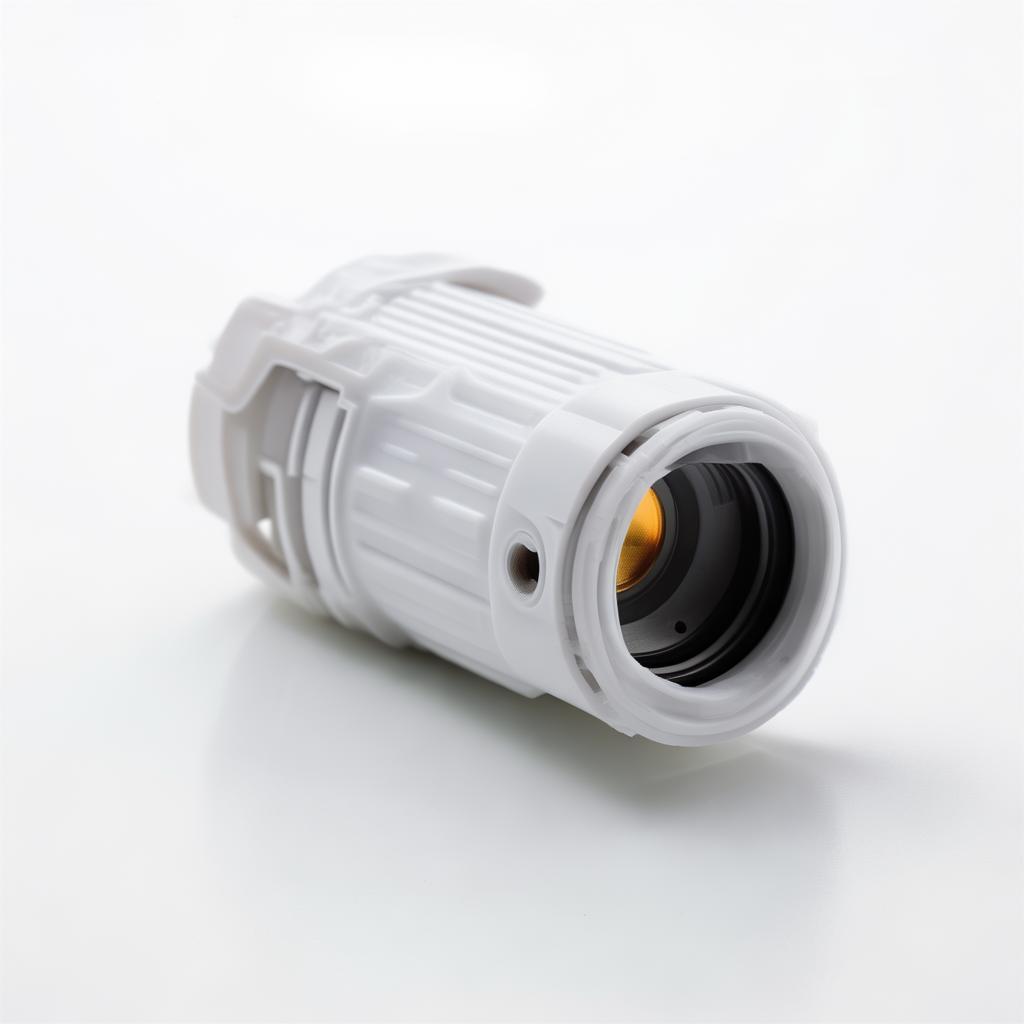
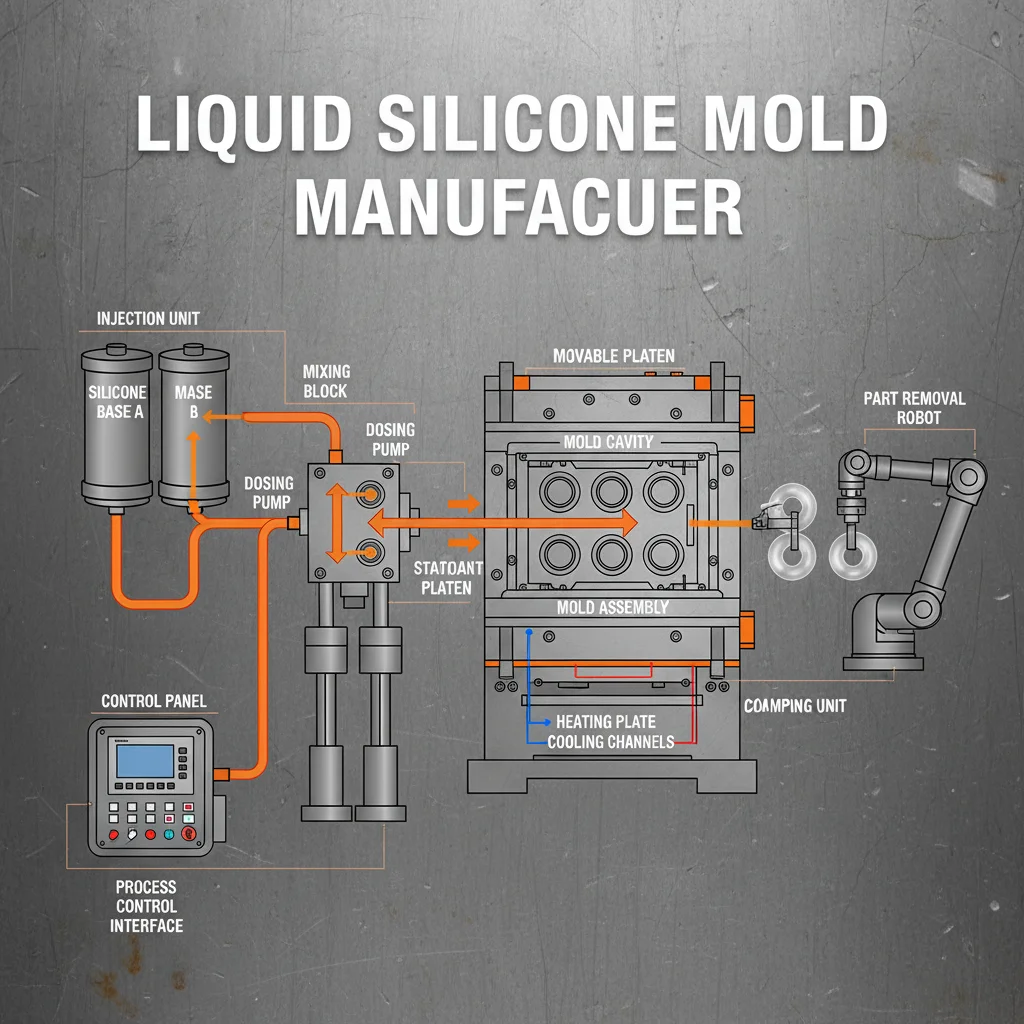
55 sets of liquid silicone molding machines ensuring precision parts with consistent mechanical properties.
80 automatic plastic injection molding machines capable of producing tight-tolerance components with validated hardness and tensile properties.
Advanced testing instruments including tensile testers and hardness measurement devices compliant with ASTM and ISO standards.
Complete in-house mold development facilitating rapid prototyping and conformity checks before mass production.
A team of 500+ professionals—engineers, technicians, quality inspectors—dedicated to delivering quality and uptime assurance.
We embrace industry certifications such as ISO 9001:2015 and maintain stringent export compliance protocols, addressing risks often faced by overseas buyers related to documentation and customs clearance.
Buyer insight: Collaborate closely with your supplier’s technical team before production starts and don't hesitate to request physical samples tested per your tensile and hardness specs. Early prototyping reduces surprises and costly re-tooling.
Buyer FAQs
Q1: Can I rely solely on Brinell hardness values to specify tensile strength for my components?
While Brinell provides a quick surface hardness measurement, it should not be the only criterion. Tensile testing according to ASTM E8 or similar standards gives a direct measure of bulk strength. Use Brinell values as an initial screening, supplemented with tensile data for critical parts.
Q2: How accurate is the conversion factor from Brinell hardness to tensile strength?
Conversion factors are approximate and depend heavily on the alloy type and heat treatment. Deviations of +/-10% or more are common. Always validate with supplier data or lab testing.
Q3: What certifications should I look for to verify mechanical properties?
Look for ISO 9001 management systems, accredited test reports per ISO/IEC 17025, material certificates complying with EN 10204, and supplier compliance to ASTM/ISO testing standards.
Q4: Does heat treatment affect the Brinell to tensile strength relationship?
Definitely. Heat treatment changes microstructure, which directly influences hardness and tensile strength. Confirm if the supplier's Brinell values are measured post-treatment and that tensile data corresponds accordingly.
Q5: How long does it typically take to obtain certified tensile test reports?
Standard tensile tests can take 1-3 weeks depending on batch size and lab turnaround times. Planning procurement timelines accordingly avoids project delays.
Q6: Can you provide OEM/ODM support with customized mechanical specifications?
Yes. Guangdong Yingtai specializes in tailored product development, including custom material formulations, tooling, and testing protocols to meet precise tensile and hardness requirements.
Customer Reviews & Procurement Scenarios
James Richardson | Procurement Manager, Midwestern Manufacturing Co.
“We needed a quick turnaround on steel parts with guaranteed tensile strength for a new machine build. Thanks to Yingtai’s transparent test reports and sample verification, we avoided costly mis-specifications. Their technical support helped us understand when Brinell readings matched tensile expectations, which sped up approvals.”
Get in Touch
If you have any camping barbeque equipment inquiry, please feel free to contact us.




 James Richardson | Procurement Manager, Midwestern Manufacturing Co.