

Build a Prototype Product: Precision, Practicality, and Procurement Insights
Guangdong Yingtai High Precision Technology Co., Ltd. – Your Global OEM/ODM Partner for Prototype Excellence
Introduction: Why Build a Prototype Product?
Bringing a product prototype from concept to reality involves more than just an initial idea. It’s a strategic process rooted in operational precision, engineering coordination, and supply chain savvy. For procurement managers, technical engineers, and operations directors, the prototype stage can be the most decisive in terms of time, cost, and future scalability. Choosing an experienced manufacturing partner—particularly one with robust OEM/ODM capabilities—is no longer a nice-to-have but a fundamental risk mitigation step.
At Guangdong Yingtai High Precision Technology Co., Ltd., with our 35,000 square meters industrial park in Dongguan and over 20 years of expertise in liquid silicone, plastic products, and custom molds, we understand the nuances that define successful prototype product builds. From initial mold design to precision liquid silicone injection molding and overmolding waterproof seals, our integrated manufacturing chain offers a comprehensive blueprint that reduces late-stage rework and accelerates go-to-market timelines.
Why focus on prototyping? It enables:
- Early validation of design intent with realistic materials and tolerances
- Detection and correction of technical challenges before mass production
- Optimizing tooling and material selection – significantly impacting lifecycle cost
- Facilitating buyer confidence with physical samples, critical for U.S. and EU market compliance
Delving deeper, prototyping with advanced materials such as liquid silicone rubber (LSR) places high demands on mold precision, injection parameters, and curing controls. Industry reports now forecast [the global LSR market](https://www.grandviewresearch.com/industry-analysis/liquid-silicone-rubber-lsr-market) growing more than 8% annually through 2030 due to demand for exquisite, biocompatible, and durable products in sectors ranging from medical devices to automotive seals. This growth highlights why prototype product builds must leverage modern molding techniques and strict QA processes to compete globally.
From an operational viewpoint, risks abound: overlooked material compatibility, unoptimized injection cycles, or poor supplier communication can derail schedules and inflate costs. In fact, procurement specialists often report avoidable delays caused by prototype revisions stemming from insufficient CAE simulation or inaccurate rheological data—issues covered extensively in [recent materials research](https://www.mdpi.com/2073-4360/17/22/3086). These practical challenges stress the need for collaborating with partners who provide transparent tooling capabilities, advanced testing, and responsive supply chain logistics.
This article explores the industrial realities of building a prototype product, detailing key pain points, technical insights, material choices, and best procurement practices to help you navigate this critical phase with confidence.
Industry Pain Points in Product Prototyping
Despite advanced technologies, product prototyping remains rife with challenges that often disrupt project timelines and inflate costs:
- Material Misalignment: Prototype samples sometimes use silicone grades or plastic resins unsuitable for full-scale production, leading to severe deviations during transition.
- Tooling Inaccuracies: Overlooking mold venting design or tool wear rate causes flash defects or dimensional instability, forcing redesigns and delay.
- Communication Gaps: Manufacturers lack detailed data transfer with buyers causing mismatches in tolerance expectations and product functionality.
- Extended Lead Times: Long mould development schedules without efficient project management can miss critical market windows, increasing procurement risk.
- Logistics Bottlenecks: Mishandled packaging or container optimization for prototypes inflates shipping costs, especially for cross-border trades.
Understanding these pitfalls is half the battle. Brands should insist on optimized mold design supporting rapid iterations, combined with suppliers offering detailed process transparency and scalable injection molding platforms. For instance, at Yingtai, our use of high-precision mold processing equipment and process audits ensures dimensional consistency before production begins.
Technical Deep Dive: Precision Prototyping Workflow
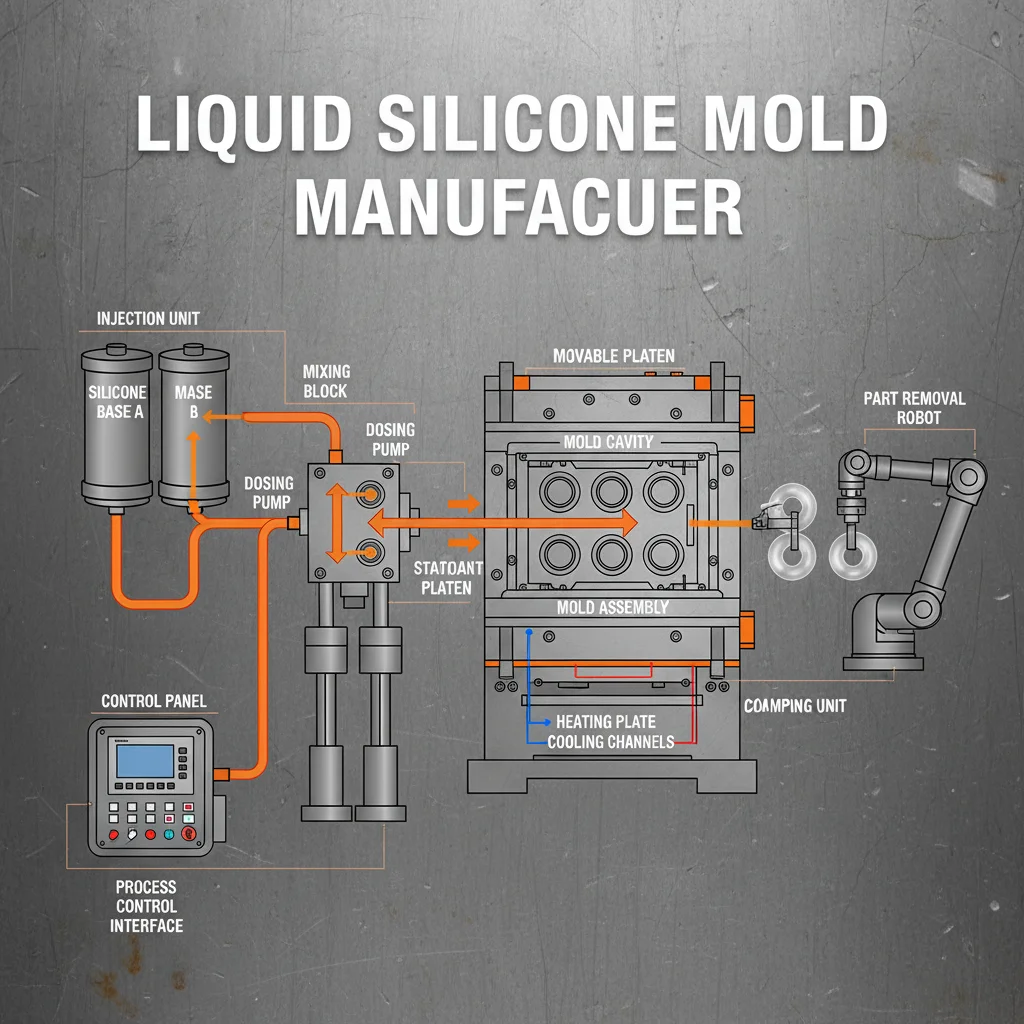
Prototyping isn’t merely a trial run; it requires close attention to tooling, material rheology, and process parameters. For high-end silicone parts, our factory integrates:
- CAE Simulation with Quality Datasets: Prioritizing precise rheological and thermal material data reduces cycle time and pressure prediction errors, enhancing part integrity during liquid silicone injection molding.
- Advanced Mold Tooling: Use of electrical discharge machining (EDM) and precision steel tooling minimize flash and improve cavity sealing, emphasized in industry research.
- Multi-Shot & Overmolding Capabilities: Combining LSR with thermoplastics like ABS delivers hybrid components critical for medical devices and automotive interiors, following proven thermal and bonding standards.
- Optimized Injection Parameters: Careful control of injection speed, temperature, and curing cycles prevents defects like air entrapment or warpage, drawing from our 20+ years on thousands of molds.
- QC & Testing: We deploy advanced measurement instruments for dimensional accuracy and material hardness, aligned with ISO9001 and CE certifications.
| Parameter | Range / Value | Notes |
|---|---|---|
| Injection Temperature | 25-45 °C (material feed) | Material-dependent; maintain stable feed |
| Mold Temperature | 160-200 °C | Optimizes curing rate and surface finish |
| Injection Pressure | 800-1500 bar | High pressure needed for complete filling |
| Curing Time | 10-25 seconds per mm thickness | Depends on thickness and formulation |
| Cycle Time | 30-90 seconds | Includes injection and curing |
The result is a prototype matching production-grade standards, enabling accurate functional testing and user feedback integration before scaling. Skipping these steps can cause irreproducible prototypes that mislead product development or cause costly tooling redesign.
Material & Process Comparison for Prototyping
Selecting the right material for a prototype balances function, manufacturability, and cost. Below is a snapshot of common options contrasted with liquid silicone rubber (LSR):
| Material | Typical Use | Strengths | Limitations for Prototyping |
|---|---|---|---|
| Liquid Silicone Rubber (LSR) | Seals, medical devices, electronics | Biocompatible, heat & chemical resistant, flexible | High tooling cost, needs precise mold design |
| Thermoplastics (ABS, PC, PP) | Structural parts, enclosures | Lower cost, fast processing, widely available | Less flexibility, sometimes insufficient sealing |
| RTV Silicone (Room Temperature Vulcanizing) | Quick prototypes, small batch seals | Rapid cure, low initial cost | Material properties differ from LSR, poor scalability |
| 3D Printed Resin / TPU | Complex shapes, fast iterations | Flexible designs, custom geometries | Mechanical properties limited, surface finish |
working prototype fabricacion de prototipos industrial prototype
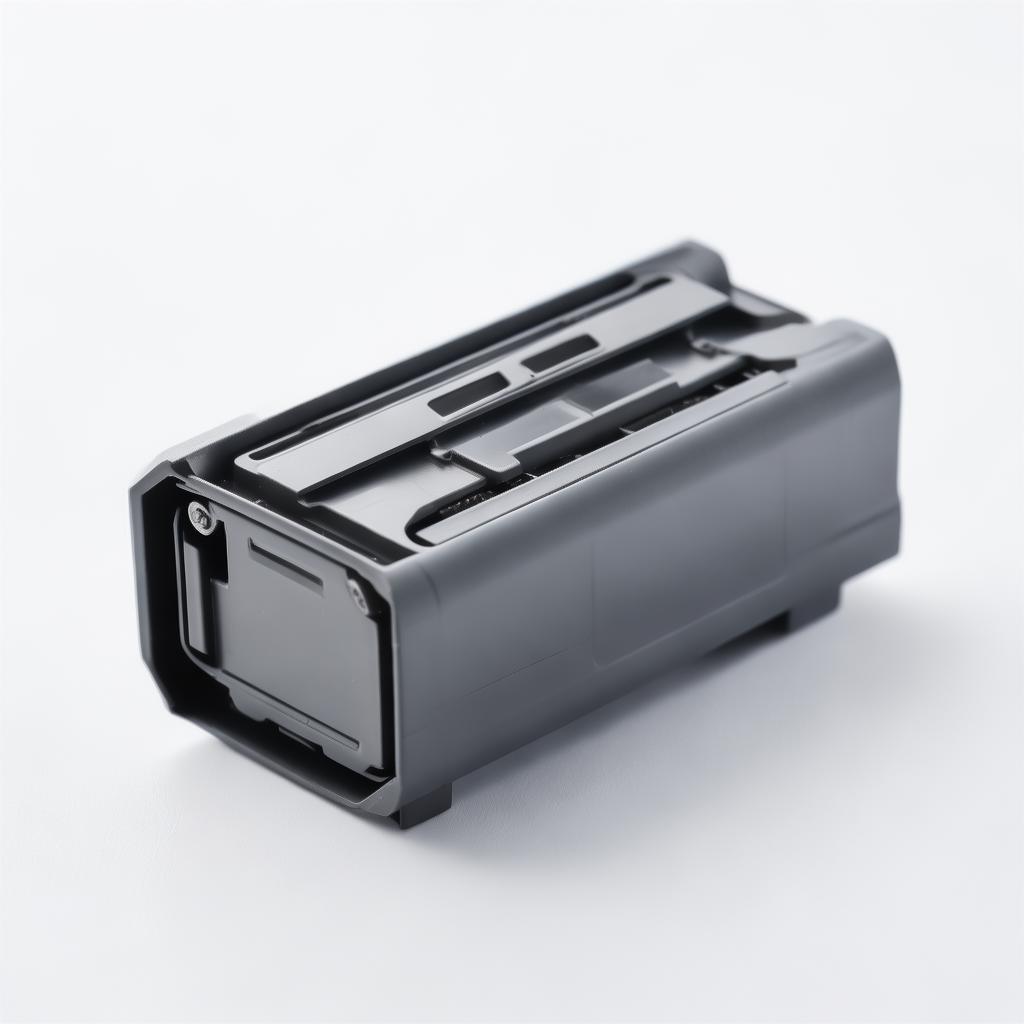
Technical insight: Many startups overlook the ramifications of choosing RTV silicone for prototyping, not realizing it often behaves differently in production-scale LSR injection molding. Industry dialogue underlines the importance of aligning prototype material selection early with final product performance to avoid costly remolds ([Reddit Discussion][14]).
Installation & Logistics Considerations
Beyond manufacturing, prototyping logistics demand operational foresight. A prototype’s usefulness hinges on timely delivery, safe packaging, and adaptability to installation environments.
- Packaging & Protection: For delicate silicone prototypes, moisture-proof packaging and shock absorption reduce transit damage.
- Container Loading Optimization: Reducing empty space via efficient stacking protects parts and lowers freight costs—critical for overseas shipments and cross-border logistics.
- Installation Environment Prep: Awareness of site conditions—humidity, temperature, substrate compatibility—prepares teams for smooth assembly or field testing.
- Documentation & Compliance: Accurate packing lists, material safety data sheets (MSDS), and compliance certificates (e.g., CE, RoHS) expedite customs clearance and buyer auditing.
- Supply Chain Tracking: Real-time shipment visibility via air/sea freight forwarders helps procurement managers coordinate downstream activities and adjust schedules responsively.
At Yingtai, we pack each prototype with multiple layers—inner anti-static bags, foam inserts, and hard cases as needed. Our supported ISO14001-compliant logistics partners understand tight delivery windows for US and EU markets.
Procurement Guide: Risk Reduction and Supplier Evaluation
Navigating supplier selection for prototypes is as critical as manufacturing itself. Key recommendations:
- Evaluate Factory Capabilities: Confirm supplier mold design, machine counts, staff expertise, and in-house testing equipment. Yingtai maintains 55 liquid silicone molding machines and 30+ precision mold processing tools to guarantee precision.
- Check Certifications and Standards: ISO9001, CE, and material-specific standards ensure compliance and quality control. Verify up-to-date testing records.
- Request Samples and Process Transparency: Negotiate early sample deliveries, production flow diagrams, and CAE simulation reports.
- Understand Lead Times & Scalability: Verify molding cycle times, mold storage policies, and ability to ramp from prototype to volume production.
- Confirm Communication Channels: Prefer suppliers with direct engineering support and multilingual exports team to minimize misunderstandings.
- Risk Management: Ask about contingency planning for tooling defects or material shortages. Transparent problem resolution builds trust.
- OEM/ODM Services: Consider if your supplier offers end-to-end solutions from design assistance, molding, assembly, to packaging, reducing multi-vendor risk.
Procurement professionals consistently report cost and timing benefits from partnering with vertically integrated factories like Yingtai that provide all these elements under one roof.
Frequently Asked Questions
- Q1: How long does it typically take to build a prototype product using LSR injection molding?
- From mold design to finished prototype, expect 2-4 weeks depending on complexity and tooling availability. Yingtai expedites some projects within 15 days leveraging advanced machinery.
- Q2: Can I use the prototype mold for mass production?
- Prototypes usually use hardened steel molds optimized for limited runs. However, these can often serve for initial production. Confirm with your supplier on mold life and maintenance.
- Q3: What are common defects in silicone prototypes and how are they prevented?
- Typical defects include flashing, gas bubbles, and incomplete filling. Prevention requires precise mold venting, optimal injection parameters, and strict material batch control.
- Q4: Is it possible to prototype with multi-material overmolding?
- Yes, advanced factories like Yingtai specialize in LSR overmolding with plastics such as ABS for hybrid parts, key in medical and automotive sectors.
- Q5: How do you handle confidentiality and IP protection?
- We execute NDAs and have secured production zones to protect proprietary designs throughout prototyping and mass manufacturing phases.
Customer Reviews

“Yingtai’s expertise in mold design and material recommendations helped us avoid costly delays. Their prototype samples matched production specs perfectly.”

“Their multi-component injection molding today sets the standard for our wearable device soft parts. The prototype fit assembly conditions exactly.”

“Communication was straightforward and responsive throughout. Fast prototyping saved us several weeks for a consumer electronics launch.”
Ready to Bring Your Prototype to Life with Precision?
Connect with Our Expert Export Director: Miss Zhang
Phone / WhatsApp: +86 17722437688
Email: zmm@yingtai168.com / lh@yingtai168.com