Introduction: Why Precision Molds Matter in Medical Plastics
In the medical sector, the stakes for quality and consistency in plastic component manufacturing couldn't be higher. Mold building for medical plastics goes beyond standard injection molding; it demands tight tolerances, biocompatible materials, and rigorous process controls to deliver parts that meet the regulatory and functional standards necessary in healthcare environments.
Guangdong Yingtai High Precision Technology Co., Ltd. (Dongguan, China) has navigated the complex landscape of medical mold manufacturing for over 20 years, specializing in liquid silicone injections, plastic encapsulations, and custom mold processing designed for medical devices, wearables, and disposables. Our modern industrial park with advanced machinery enables rapid prototyping, multi-component molding, and high-volume production with ISO and CE certification compliance.
The global trend toward miniaturization and precision in medical products, underscored by a forecasted annual market growth of 6-9% in liquid silicone rubber (LSR) and specialized plastic molds (Source: Grand View Research, Research Nester, Market US), makes it imperative that buyers select suppliers who understand the nuanced material properties and molding techniques uniquely suited for medical-grade plastics.
Medical mold building encompasses more than just producing parts; it requires integrating material science, precision tooling, and process expertise. Key material considerations include biocompatibility, UV resistance, sterilization compatibility (e.g., autoclaving), and tight dimensional stability to fulfill FDA and EMA regulations. Equally important is understanding production workflows such as multi-shot injection overmolding and liquid injection molding, which are critical for complex device housings, seals, and ergonomic components.
Time-to-market, defect reduction, and lifecycle cost are often sources of frustration for procurement managers. The wrong choice in mold design or plastic grade may lead to costly recalls or processing delays. Our operational insights recommend early-stage supplier engagement for design for manufacturability (DFM) reviews, real-time process monitoring, and strategic inventory planning to optimize production run sizes without incurring overstock.
In the context of international supply chains, reliable export logistics combined with precise container loading documentation can shave weeks off delivery, a non-trivial advantage in the medical sector where demand spikes can be sudden and critical. As such, choosing a supplier like Guangdong Yingtai, experienced in cross-border trade and certified for high-standard medical plastic mold production, mitigates procurement risks and enhances reliability.
The sections below unpack the critical challenges, technologies, and procurement strategies shaping the building of plastic molds for medical devices. Expect technical breakdowns on relevant materials like LSR & liquid silicone, ABS, and thermoplastics; compliance guides; and key questions to ask your supplier before finalizing procurement contracts.
Technical Deep Dive: Materials, Methods & Mold Technologies
For medical plastics, the selection of materials and processes dictates the functionality, safety, and durability of the final product. Below is an operational review informed by industry research and first-hand manufacturing observations:
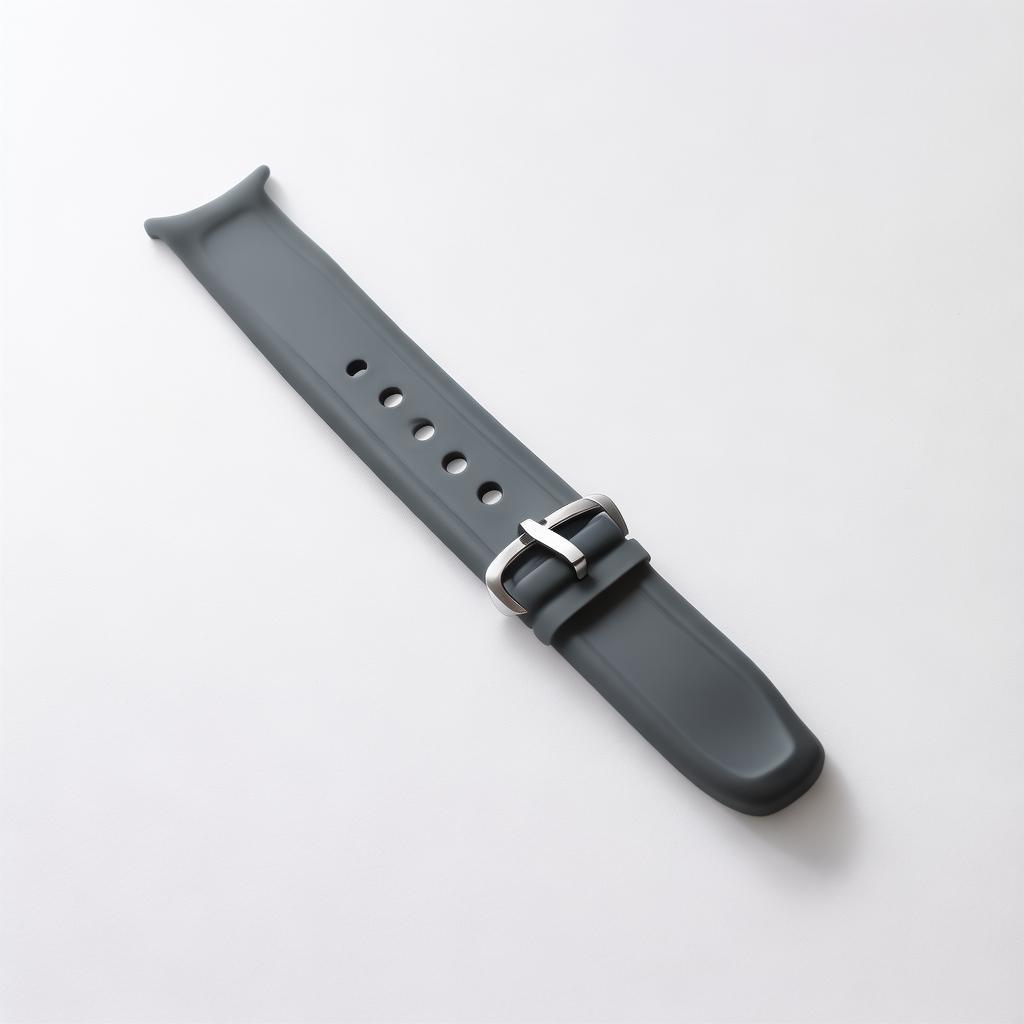
Materials Commonly Used in Medical Mold Manufacturing
| Material |
Key Characteristics |
Typical Applications |
| Liquid Silicone Rubber (LSR) |
Biocompatible, temperature resistant, flexible, durable, sterilizable (autoclave-compatible). |
Seals, gaskets, tubing, wearable medical devices. |
| ABS (Acrylonitrile Butadiene Styrene) |
Rigid, impact resistant, heat tolerant, compatible with overmolding. |
Device housings, structural components, connectors. |
| Polypropylene (PP) |
Chemical resistant, sterilizable, cost-effective. |
Disposable parts, syringe barrels, labware. |
| Polycarbonate (PC) |
Transparent, high impact strength, heat resistant. |
Lens covers, surgical equipment parts. |
plastic mold manufacturing Plastic product molds plastic mold building
Advanced Mold Technologies & Production Methods
- LSR Injection Molding: Leveraging specialized liquid injection molding machines that ensure short cycle times and consistent cavity filling of biocompatible silicone parts. Key for soft seals and wearable parts.
- Multi-Component Injection Molding (MCIM): Enables overmolding of rigid plastics with LSR or TPE to create parts with soft-touch surfaces and complex geometry—crucial for ergonomic medical devices.
- Precision CNC Mold Fabrication: Using EDM tooling and electrical discharge machining for mold inserts to achieve micron-level tolerances required for medical micro-molding.
- Vacuum & Venting Systems: Implemented in tooling design to avoid bubbles, air entrapment, and flash, improving dimensional stability and surface finish as detailed by recent research (Fraunhofer Research, 2024).
- CAE Simulation & Rheological Data: Mold filling simulation powered by high-quality material datasets improves accuracy in cycle time predictions and defect minimization (MDPI Polymers, 2025).
Operational insight: Mold design and material compatibility testing cannot be rushed. We recommend prototyping phases of no less than 10 days with iterative tool refinement before committing to full production. Equipment calibration and automated quality checks are vital during manufacturing runs to avoid costly scrap rates.






 Michael Roberts – Procurement Manager, MedTech USA