
Michael Thompson (Purchasing Manager, Midwest Automotive OEM): “Switching to Guangdong Yingtai’s bulk HDPE pellets reduced our injection molding scrap from 8% to around 3%. Their batch consistency is reliable — the documentation helped our QC teams cut meltdown risks substantially.”

Bulk Plastic Pellets For Injection Molding
A comprehensive guide for purchasing managers and technical engineers on selecting optimal pellets for injection molding processes. Injection molding remains a cornerstone process in manufacturing, but securing high-quality bulk plastic pellets that consistently meet
Product Details
Bulk Plastic Pellets for Injection Molding: Sourcing Excellence for Precision Manufacturing
A comprehensive guide for purchasing managers and technical engineers on selecting optimal pellets for injection molding processes.
Industry Pain Points in Bulk Plastic Pellets
Injection molding remains a cornerstone process in manufacturing, but securing high-quality bulk plastic pellets that consistently meet precise specifications often challenges procurement professionals. Fluctuations in pellet quality can create bottlenecks, leading to production delays and increased scrap rates. Many purchasers face issues such as:
- Inconsistent pellet size and moisture absorption, which affect flow and mold filling.
- Variations in thermal stability and melt flow index (MFI) that demand rigorous process adjustments.
- Lack of transparent certification or supply chain traceability, causing uncertainties in component performance.
- Extended lead times disrupting tight production schedules and inventory management.
- Hidden costs from sub-par batches, including increased wear on injection machines.
From an operational standpoint, ignoring these issues risks costly downtime, inconsistent product quality, and extended validation cycles. Purchasing managers often find themselves juggling these challenges alongside fluctuating market prices and emerging environmental regulations like REACH compliance and RoHS directives.
The reality? Not all plastic pellets are created equal. Selecting a manufacturing partner with proven process control and rigorous quality standards can simplify procurement and streamline your molding workflows substantially.
Material Advantages & Specifications
Our bulk plastic pellets are engineered to optimize the injection molding process. We offer multiple thermoplastic resins tailored for diverse industry applications, including:
- Polypropylene (PP): Excellent chemical resistance and flexibility, ideal for automotive interior parts, containers, and consumer goods.
- High-Density Polyethylene (HDPE): Superior impact resistance and moisture barrier properties, popular in industrial packaging and piping systems.
- Polystyrene (PS): High stiffness with good dimensional stability, used largely in electronics and appliance housings.
- ABS (Acrylonitrile Butadiene Styrene): Combines toughness and aesthetic finish, common in durable goods and OEM components.
All raw pellets conform to relevant ISO standards, such as ISO 1874 for polypropylene and ISO 1133 for melt flow index verification.
Typical Technical Specifications
| Property | PP Standard Grade | HDPE High Impact | ABS Automotive Grade |
|---|---|---|---|
| Melt Flow Index (MFI) (g/10 min) | 12–18 | 5–10 | 3–8 |
| Moisture Absorption (%) | ≤0.05 | ≤0.07 | ≤0.15 |
| Density (g/cm³) | 0.90–0.92 | 0.95–0.97 | 1.04–1.06 |
| Tensile Strength (MPa) | 30–35 | 25–30 | 40–45 |
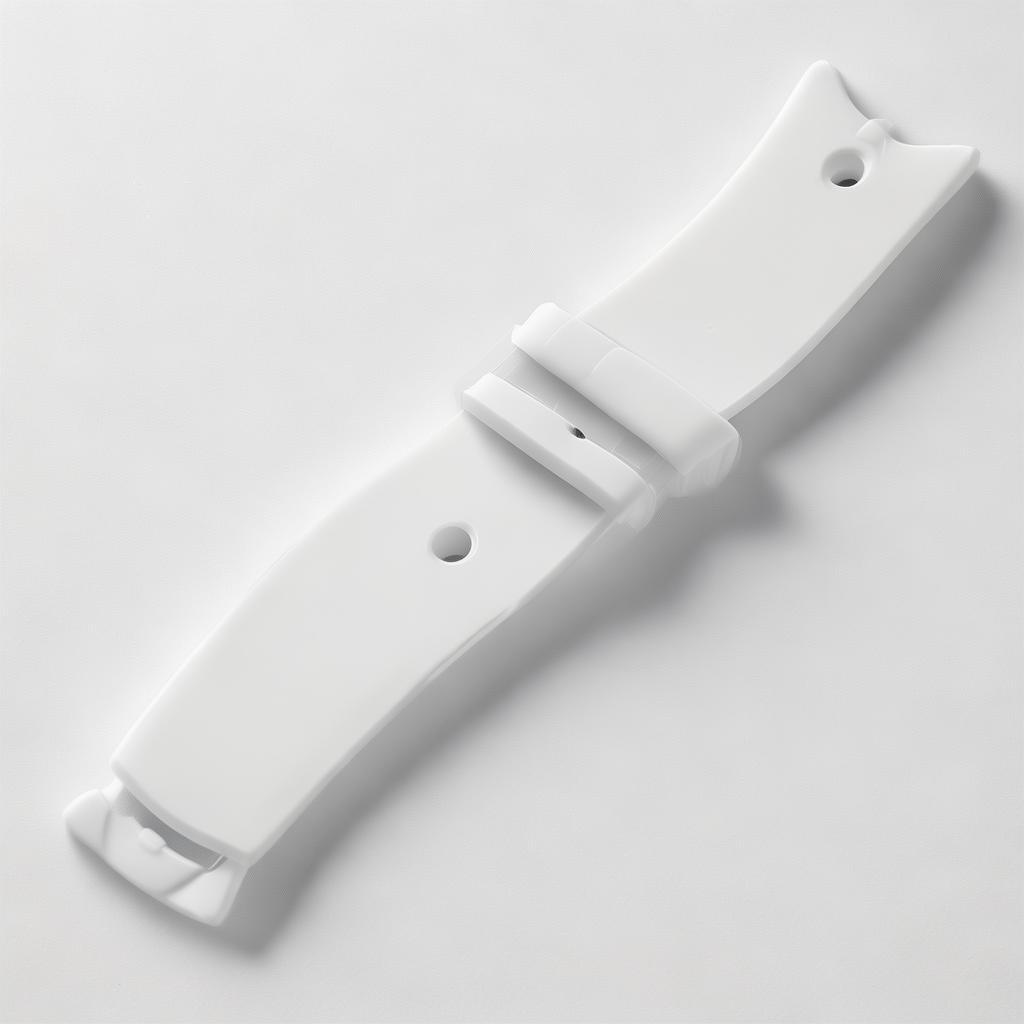
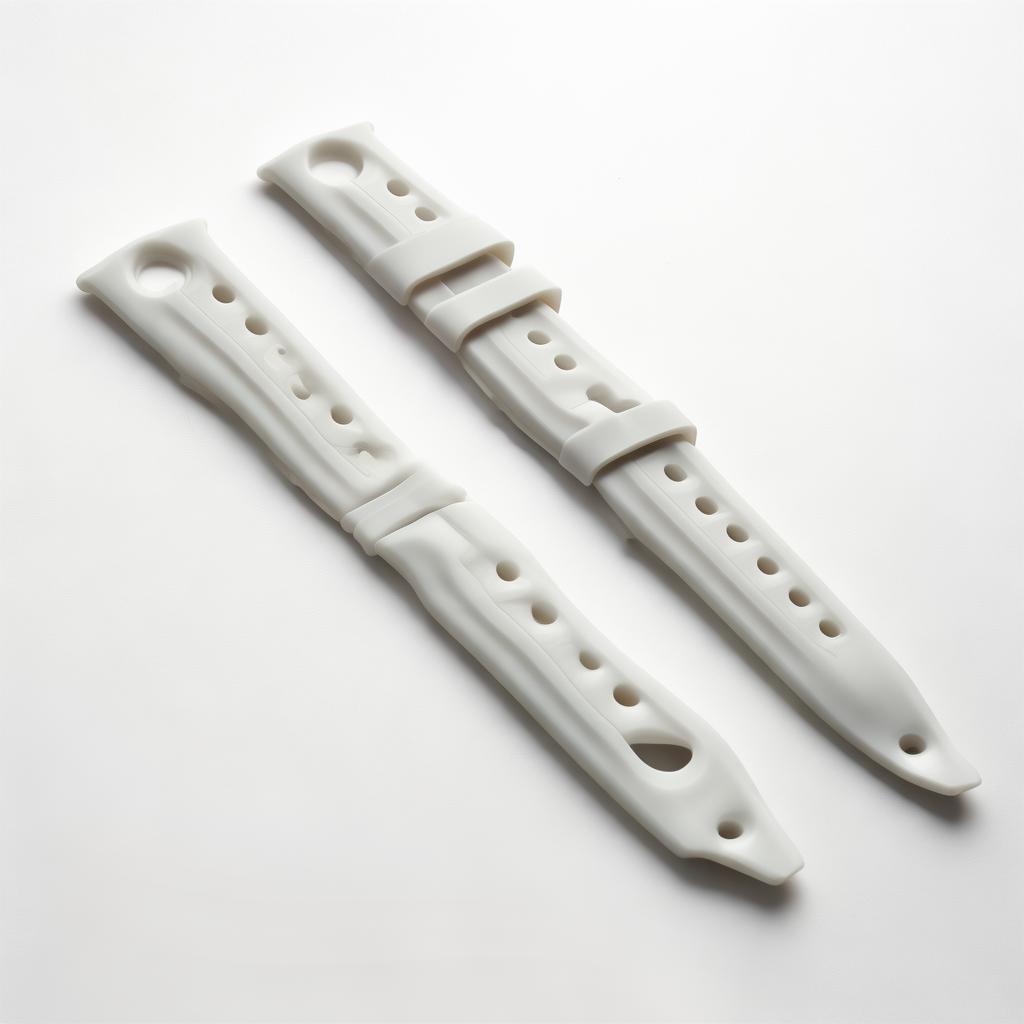
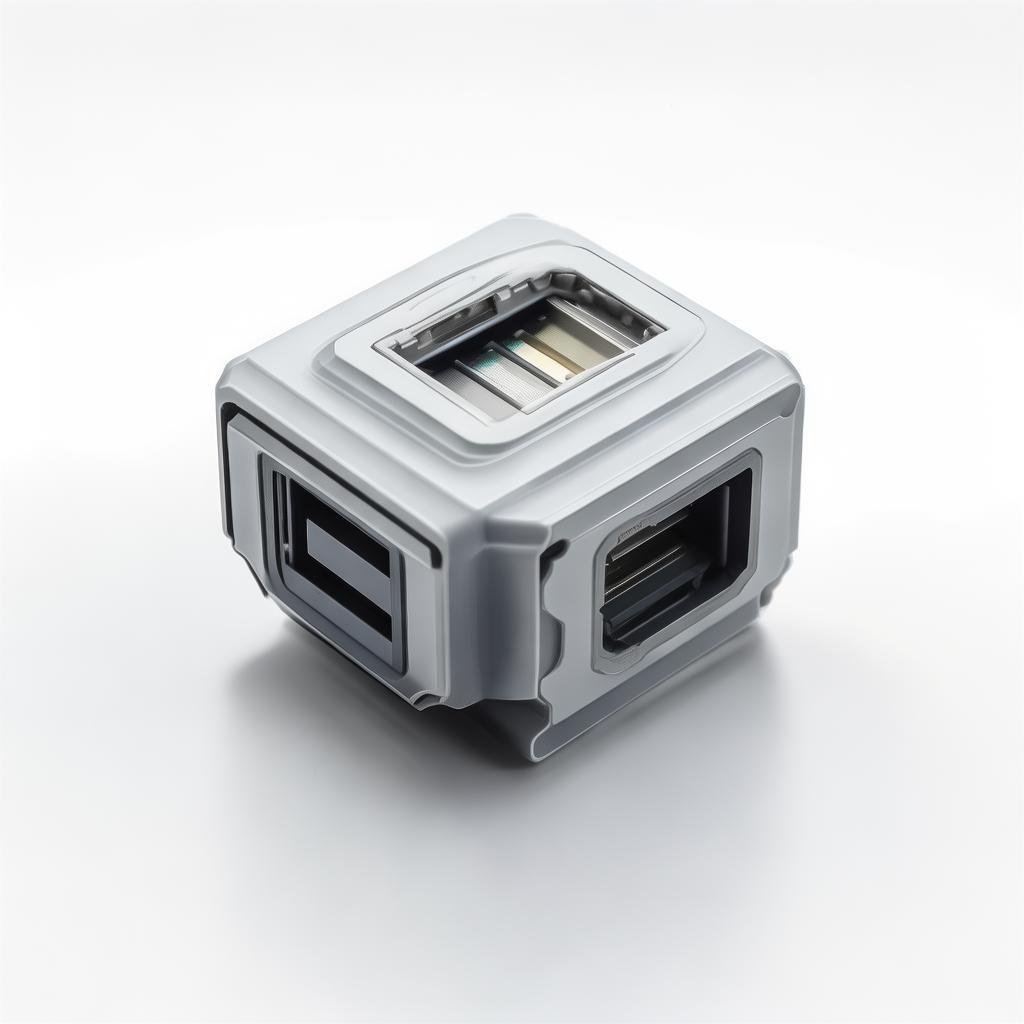
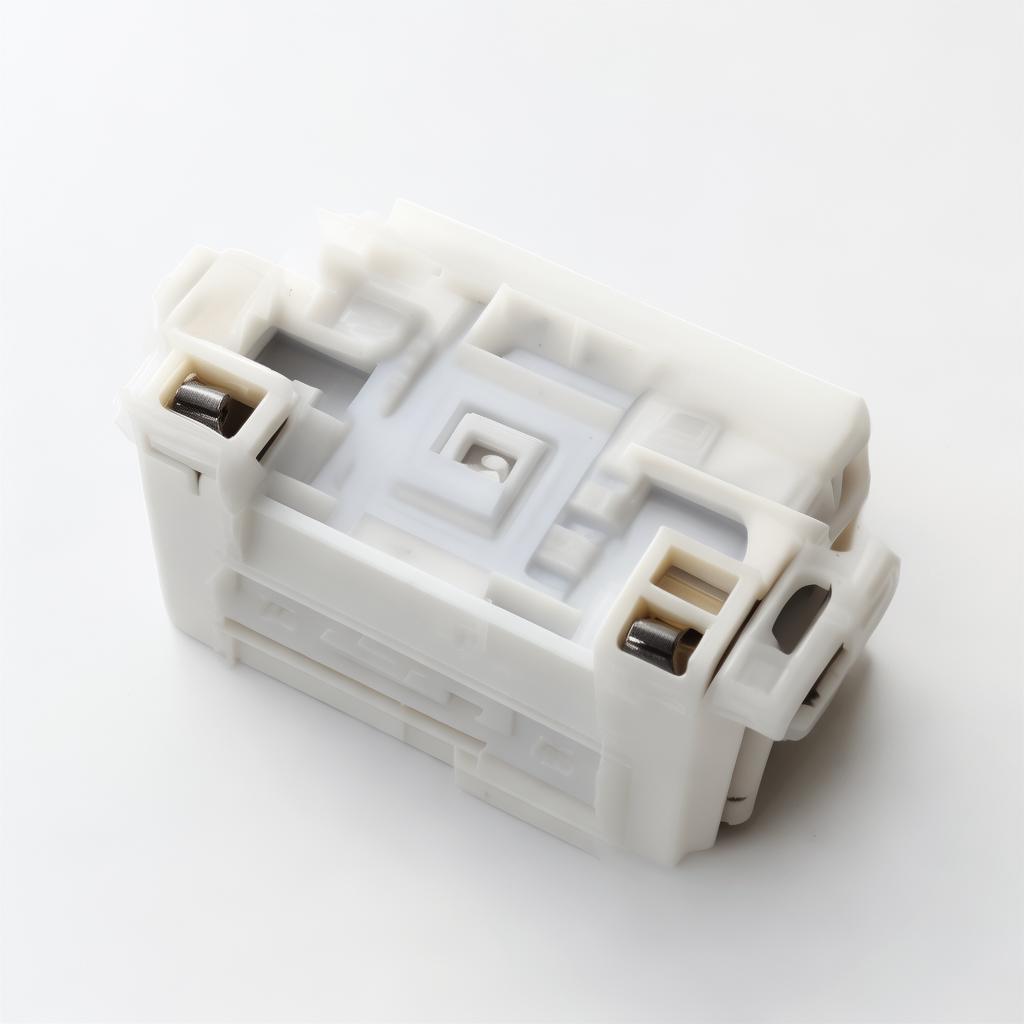
injection molding pellets ppe injection molding Product common plastics for injection molding
Understanding these technical parameters early supports process engineers in mold setup, avoiding defects like short shot, weld lines, or sink marks.
Technical Insights on Injection Molding Pellets
The success of injection molding heavily depends on pellet properties and material behavior during heating and injection cycles. Operational nuances include:
- Melt Flow Index (MFI): A consistent MFI range is essential to maintain stable viscosity for predictable injection pressure and cycle times. Fluctuations can cause dimensional variability.
- Thermal Stability: Pellets must withstand elevated processing temperatures without premature degradation which results in discoloration or loss of mechanical strength.
- Pellet Uniformity: Uniform pellet size and shape improve hopper feeding and reduce jams, easing automation integration and minimizing downtime.
- Moisture Control: Hygroscopic polymers demand pre-drying protocols; residual moisture leads to hydrolytic degradation and void formation in finished parts.
It is a common mistake for injection molding technicians to overlook precise pellet conditioning. For example, absorptive materials like nylon or PET require drying under specific temperature and time conditions to ensure optimal melt quality.
Working closely with pellet suppliers to access detailed material data sheets including viscosity curves at processing temperatures can help optimize molding parameters. Advanced manufacturers now increasingly rely on CAE simulation datasets enhanced with rheological insights (see Material Characterisation Techniques on LSR Injection Moulding CAE) to reduce trial runs and defects.
Application Scenarios
Bulk plastic pellets we offer are trusted across a range of industries requiring precision injection molded components. Typical use cases include:
- Automotive Industry: Interior trims, instrument panels, connectors, and protective housings.
- Consumer Electronics: Durable yet lightweight casings for smartphones, laptops, and smart devices.
- Household Appliances: Injection molded parts for coffee makers, vacuum cleaners, and kitchen tools.
- Medical Devices: Components requiring biocompatibility and tight tolerances, such as housings or grip parts (with FDA-grade resins available).
- Packaging Solutions: Containers and closures with high barrier performance and chemical resistance.
This versatility underscores why a comprehensive understanding of the pellet formulation and its injection molding behavior is invaluable. Matching the resin grade with your injection equipment and part design ensures optimal surface finish, mechanical strength, and lifecycle durability.
Procurement Guidance & Risk Mitigation
Bulk plastic pellet procurement is not merely transactional; it requires strategic considerations beyond pricing. Our practical advice includes:
- Supplier Verification: Prioritize suppliers with verified credentials supporting ISO 9001 or equivalent quality management systems.
- Sample Testing: Always request physical samples to conduct internal molding trials and compatibility checks under your process conditions.
- Batch Consistency: Enquire about batch-to-batch variability controls and request Certificates of Analysis (CoA) with each shipment.
- Delivery & Packaging: Bulk pellets are sensitive to contamination and moisture pickup; confirm packaging methods such as vacuum-sealed polybags inside waterproof containers.
- Technical Support: Choose partners offering engineering collaboration for material selection and troubleshooting.
- OEM/ODM Options: For clients with proprietary requirements, custom resin formulation and specialized pellet blending services are available.
Working with an experienced supplier reduces procurement risks such as unexpected molding defects or material compatibility challenges. Avoid impulse decisions driven by price alone; operational predictability is paramount.
Logistics and Shipping Considerations
Handling and transporting plastic pellets require particular attention to preserve their quality during transit:
- Container Loading: Efficient loading minimizes cross-contamination and damage. Palletized sacks or bulk containers should allow for breathable stacking.
- Moisture Protection: Exposure to humid environments can degrade pellets. Suppliers must use desiccants or moisture-barrier packaging.
- Customs Documentation: Ensure all import/export paperwork complies with destination country regulations including any material safety data sheets (MSDS).
- Lead Times: Typical lead times range from 3 to 8 weeks depending on resin type, order volume, and origin port. Factoring realistic timelines into production schedules avoids costly downtime.
We often observe clients neglecting these logistics variables and encountering unexpected quality issues post-arrival. Collaborate closely with logistics teams to ensure traceability from factory to your production line. Our export team is ready to assist with creating tailored shipping plans and documentation — reach out to discuss details.
Certifications & Quality Assurance
Our manufacturing partner Guangdong Yingtai High Precision Technology Co., Ltd. holds extensive certifications ensuring compliance with stringent industry standards:
- ISO 9001: Comprehensive quality management system assuring process consistency and continuous improvement.
- ISO 14001: Environmental management standards supporting sustainable manufacturing practices.
- RoHS Compliance: Certified free of restricted hazardous substances for electronics and consumer products.
- CE Certification: Product safety conformity for European market entry.
- FDA Compliance: Available grades suitable for food-contact and medical device applications.

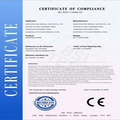

Trust in certified suppliers translates to smoother audit processes and higher confidence for buyers managing compliance-heavy projects.
Frequently Asked Questions
- Q1: Can you provide custom color masterbatches in bulk pellets?
- Yes, our OEM/ODM services include custom color batching to match your specific visual requirements while maintaining material integrity.
- Q2: What is the typical shelf life of bulk plastic pellets?
- Under recommended storage conditions—cool, dry, and sealed—pellets generally maintain quality for 6 to 12 months.
- Q3: Are your pellets suitable for high-temperature injection molding?
- We offer grades with enhanced thermal resistance supporting processing temperatures above 280°C, ideal for engineering plastics applications.
- Q4: How is the moisture content tested prior to shipment?
- Our quality control includes Karl Fischer titration and near-infrared spectroscopy to verify moisture levels are below threshold before packaging.
- Q5: Can you supply just-in-time deliveries to US warehouses?
- Yes, we coordinate with logistics partners to support JIT inventory models, reducing your storage needs and ensuring fresh material supply.
Customer Reviews & Procurement Experiences
Get in Touch
If you have any camping barbeque equipment inquiry, please feel free to contact us.