

Understanding and Mitigating Burn Marks in Injection Molding
Insights from Guangdong Yingtai High Precision Technology Co., Ltd. – Precision solutions for flawless plastic and silicone components
Injection Molding Burn Marks: What They Are & Why They Matter
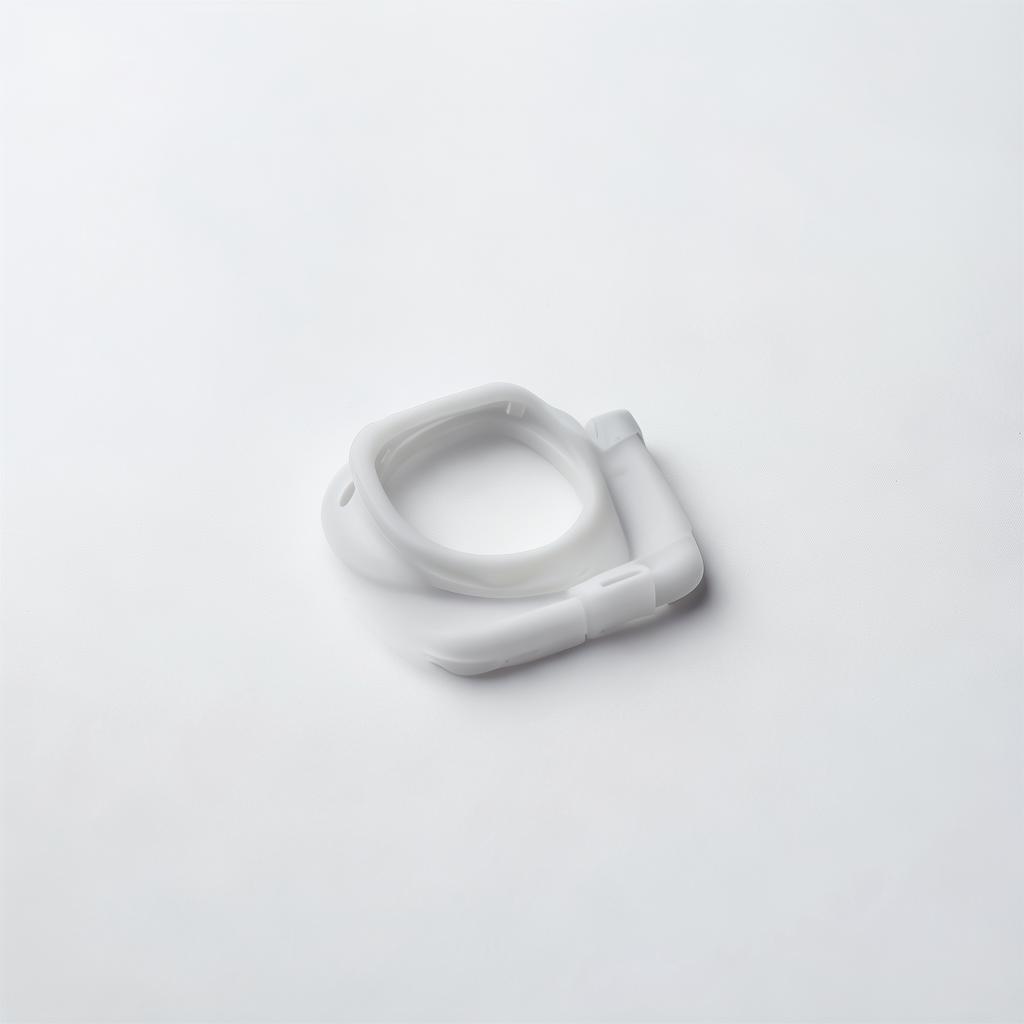
When working with injection molding — especially in high-precision environments like silicone or thermoplastic production — burn marks represent one of the most persistent and frustrating defects. These dark, sometimes shiny discolorations occur at or near the mold surface and can drastically impact not only the aesthetics but also the mechanical integrity of a finished part.
In industries where quality standards are stringent — automotive seals, consumer electronics housings, medical device components — even minor burn marks can lead to costly rejects, production delays, and ultimately expensive retooling or downtime. More importantly, these defects can raise red flags during international quality audits (ISO 9001, IATF 16949) and compliance reviews, particularly when ordering for large-scale OEM production.
Understanding the root causes, early signals, and potential remedies for burn marks is key to keeping injection molding operations efficient and competitive. Burn marks are not just a surface blemish — they often hint at underlying molding process imbalances or unoptimized material parameters that could lead to significant yield loss.
Over our 20+ years producing precision injection molded components in Dongguan, Guangdong, our technical teams have observed that burn marks primarily stem from trapped gases igniting under high temperature and pressure during the mold filling phase. Yet, their exact location, size, and severity depend heavily on factors like injection speed, venting design, resin viscosity, and mold surface conditions.
Unlike some defects that are easily predictable, burn marks sometimes appear only after prolonged runs or material changes, frustrating quality control and procurement teams alike. Many manufacturing engineers overlook the effects of small tooling wear or incorrect gate placement, unknowingly allowing micro air pockets to develop inside the cavity.
Tackling burn marks requires an intersection of semiconductor-like precision in molding parameter tuning, careful material science understanding, and strategic tooling design. Suppliers claiming “no burn marks guaranteed” without sharing their process data or tooling certifications (e.g., CE, RoHS compliant molds) may not deliver consistent quality.
For importers and purchasing managers sourcing injection molded silicone parts or plastic housings, due diligence means asking pointed questions about:
- The supplier’s mold venting strategy and mold flow simulations
- Material grade, filler content, and batch stability
- Process controls around injection velocity and mold temperature
- Experience with ISO or IATF certified injection molding environments
Regional nuances also hide here: injection molding lines in Asia-Pacific, for example, often adapt mold coatings designed to minimize burn mark susceptibility under aggressive cycle times. Conversely, North American manufacturers leverage extensive rheological testing and AI-based process monitoring to minimize these defects in precision consumer electronics assemblies.
The economic impact is palpable. Burn marks cause up to 4-7% scrap rates on complex parts, whereas slight process optimizations can halve that loss. Many top-tier manufacturers invest heavily in CAE (computer-aided engineering) simulation to predict airflow and temperature gradients during mold filling, working alongside silicone material suppliers to select grades less likely to generate gas upon thermal stress. This approach aligns with industry research projecting a significant rise in LSR (liquid silicone rubber) injection molding demand, expected to reach nearly USD 7.5 billion globally by 2035, where burn-free finishes are critical.
Our team at Guangdong Yingtai High Precision Technology Co., Ltd. stands ready to share operational insights and proven countermeasures for burn marks, tailored to your specific product needs, production volumes, and market compliance requirements.
Common Challenges & Risks in Injection Molding Production
- Reduced Part Strength: Burn marks not only taint surface appearance but may degrade the polymer structure locally, causing weak points, cracks, or early fatigue in critical components.
- Quality Rejections & Costs: Visual defects lead to rejected batches, increased labor for sorting, and lost production time – impacting supply chain timelines and customer trust.
- Tool and Mold Damage: Persistent burn marks can indicate excessive cavity pressure or hot spots, accelerating mold wear and requiring premature maintenance or costly re-machining.
- Process Instability: Inconsistent injection parameters lead to variable burn marks, complicating quality control and increasing the risk of shipment delays.
- Compliance and Certification Risks: For industries like medical or automotive, failure to meet standards due to surface burn defects can cost OEM qualification or create liability concerns.
- Material Waste and Environmental Impact: Burned parts contribute to scraps, increasing raw material use and environmental footprint, directly affecting corporate sustainability initiatives.
Technical Causes of Burn Marks in Injection Molding
Burn marks occur mainly due to localized overheating and trapped gases inside mold cavities. Several critical technical factors contribute directly:
- Air Trapped in Mold Cavities: When molten plastic or silicone fills the mold too quickly or vents are inadequate, air gets compressed and overheated, igniting to cause a burnt discoloration on the part surface.
- High Injection Speeds and Pressures: Excessively fast injection causes 'air traps' and mechanical shear heating that degrade polymer chains locally, resulting in visible burn marks.
- Insufficient Mold Venting: Poorly designed vents or blocked venting slots cause pressure build-up near gates and undercuts, trapping hot gases that burn the polymer surface.
- Overheating in Hot Runner or Gate Areas: Uneven temperature control or excessively high mold temperatures raise the local decomposition rate of the polymer or LSR, creating dark burn patches.
- Material Decomposition: Certain thermoplastics and silicone grades with fillers or additives may degrade under prolonged exposure to high heat inside tight mold sections.
From a process engineering perspective, optimizing parameters like melt temperature, injection speed, and hold pressure is critical to minimizing burn mark formation. Even slight variations can cause large quality fluctuations.
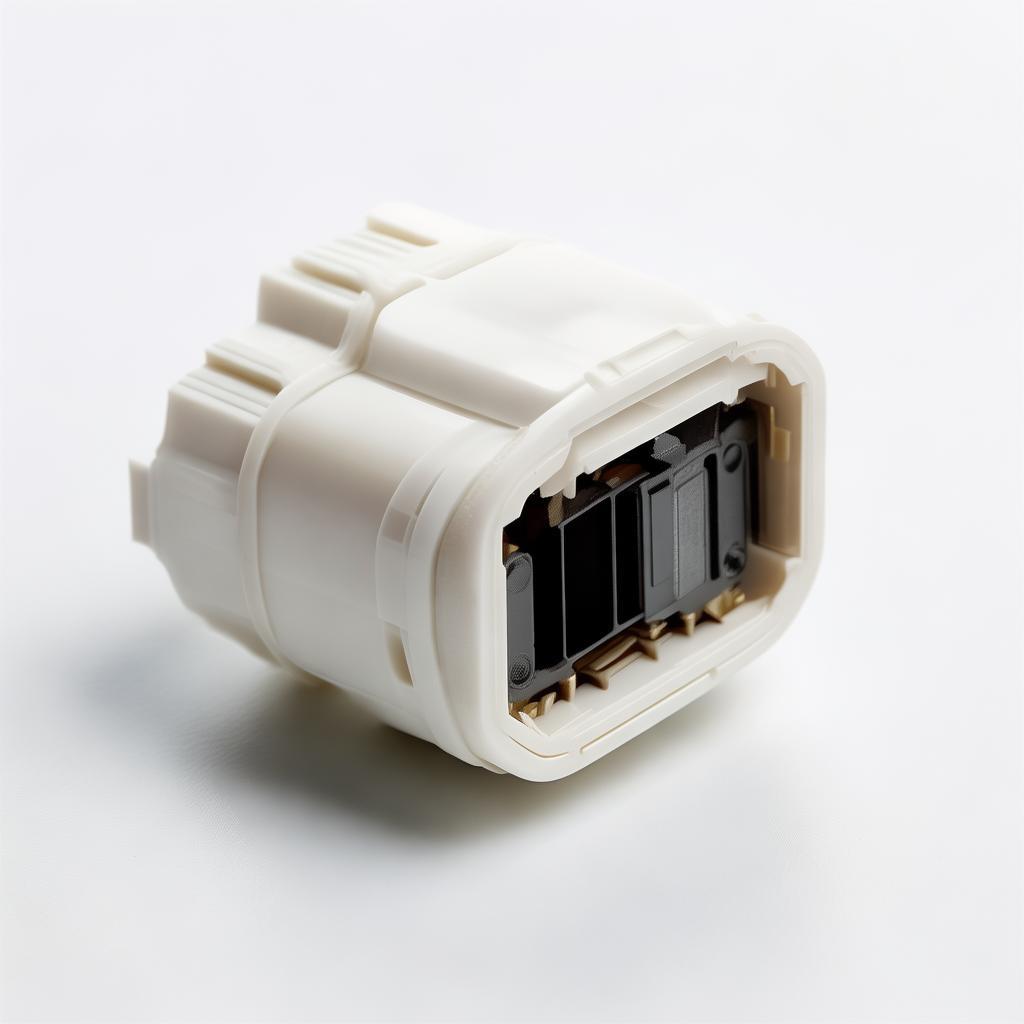
Additionally, tooling expertise is essential. Mold design that incorporates strategically placed vents, polished surface finishes, and robust gating systems significantly reduces the risk of burn marks by enabling efficient air evacuation and uniform thermal distribution.
Material & Process Variables Impacting Burn Mark Formation
| Material Type | Common Causes of Burn Marks | Recommended Process Controls |
|---|---|---|
| Thermoplastics (e.g., ABS, Polycarbonate) | - Air entrapment in thin-walled areas - Degradation at high melt temperatures |
- Moderate injection speed - Optimize mold cooling circuits - Adequate vent design |
| Liquid Silicone Rubber (LSR) | - Bubble formation due to unvented air - Localized curing inconsistencies |
- Vacuum venting techniques - Precisely controlled injection profiles - Use of specialized LSR-grade molds |
| Fillers and Additives (e.g., glass fibers, flame retardants) | - Increased melt viscosity causes uneven flow - Local hotspots due to friction |
- Adjust melt temperature lower - Slower injection speed - Balanced cavity filling |
injection moulding burn marks injection molding injection molding Product
Effective Solutions and Process Optimization
Tackling burn marks involves a multi-pronged approach grounded in both material science and mold engineering best practices:
- Upgrade Mold Venting and Design: Incorporate well-positioned vents and micro-venting zones near gate areas and core features. Ensure vents are regularly cleaned and not clogged by debris or flash.
- Optimize Injection Parameters: Balance injection speed and pressure carefully to avoid high shear and compressed air pockets. Lower melt temperatures where material allows reduce thermal degradation.
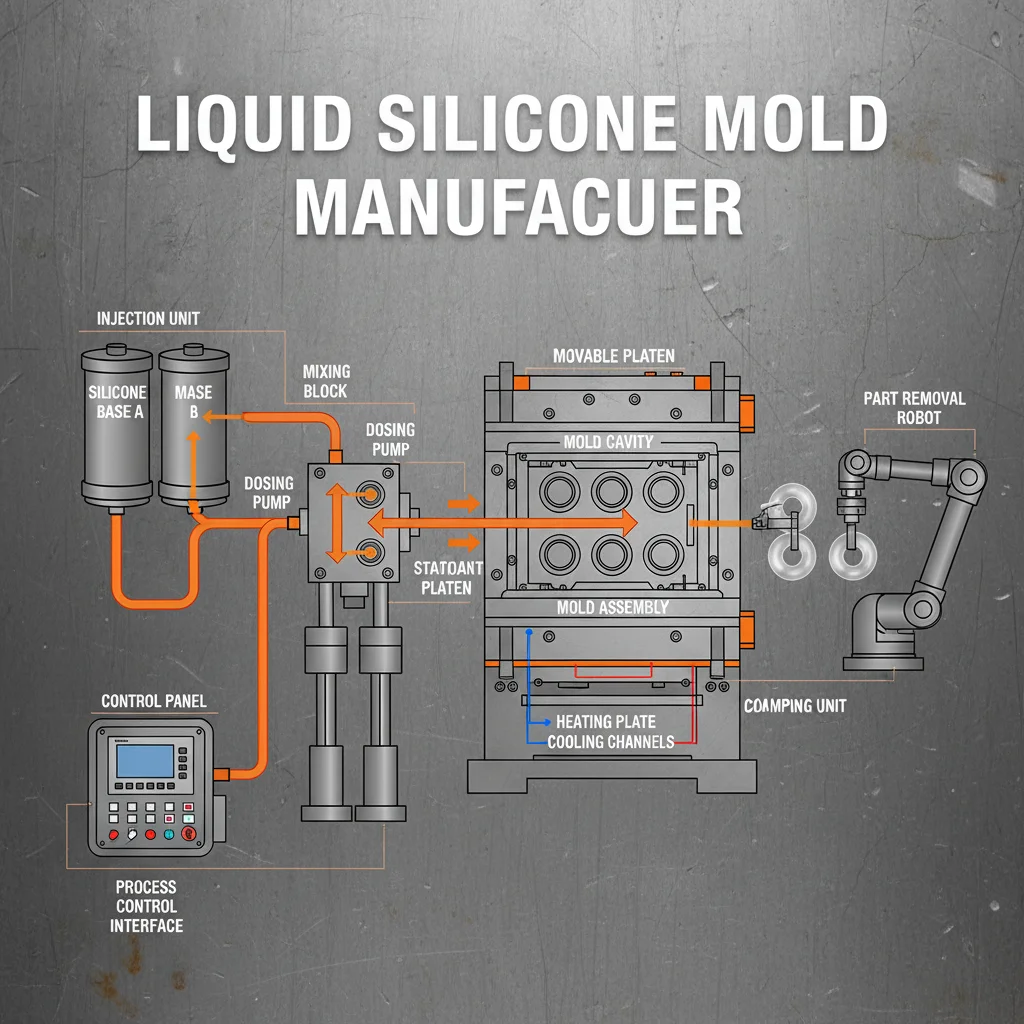
- Implement Vacuum-Assisted Molding: For critical LSR or thermoset silicone parts, vacuum venting can eliminate internal air and reduce burn risk effectively, as demonstrated by recent advances in soft robotics manufacturing (Springer Study).
- Regular Mold Maintenance & Monitoring: Precision tooling requires periodic inspection for wear or corrosion. Degraded mold surfaces impact flow dynamics leading to burn marks.
- Select Appropriate Materials & Grades: Using certified injection molding resins with thermal stability and fillers optimized for flow reduces burn defects. Working with suppliers who provide material certifications ensures batch consistency.
- Utilize Simulation & Process Control Software: Digital twin systems and AI-powered injection molding control can predict and prevent burn mark formation by adapting parameters in real-time (arXiv AI Research).
- Adopt Multi-Shot or Overmolding Techniques: Combining LSR with other materials such as rigid plastics using optimized interface treatments can reduce hot spot formation and improve product finish (MDPI Study).
Careful collaboration with your injection molding supplier to implement these controls delivers measurable improvements in product yield and lowers scrap — essential for sustaining profitability in competitive B2B manufacturing environments.
Procurement Insights and Supplier Evaluation
For Purchasing Managers and Procurement Directors sourcing injection molded components — precise assessment of suppliers’ expertise with burn mark mitigation can prevent costly supply chain headaches. Keep these operational tips in mind:
- Request Mold Flow and Venting Documentation: Suppliers should provide evidence of mold venting design and CAE mold flow analysis to predict defect hotspots.
- Ask for ISO/IATF Certifications: Confirm supplier quality management system certifications that encompass molding process controls relevant to defect management.
- Audit Sampling and Inspection Reports: Review incoming inspection data focusing on surface defects and maintain records for defect trend analysis.
- Verify Material Batch Traceability: Ensure suppliers can trace resin origin and certify thermal stability and viscosity ratings.
- Discuss Production Run Times: Burn marks often appear after extended runs, so inquire about long-term process consistency & maintenance schedules.
- Explore OEM/ODM Customization Options: Experienced suppliers like Yingtai offer tailored mold design and process control optimizations for specific burn mark challenges.
- Engage Engineering Support: Work with suppliers offering joint problem-solving engineering reviews to collaboratively resolve molding issues.
In short, transparency and technical dialogue with your injection molders lay the foundation for defect-free components that streamline assembly and increase end-product reliability.
Frequently Asked Questions (FAQ)
- Q: Can burn marks be completely eliminated from injection molding?
- While it’s challenging to guarantee zero burn marks in all scenarios, particularly in high-speed or complex thin-wall molding, optimized process parameters and proper mold venting can reduce occurrences to near zero in high-quality production environments.
- Q: How does mold venting design affect burn marks?
- Vents allow trapped air to escape during mold filling. Poor vent design traps air, which compresses and combusts under heat and pressure causing burn marks. Proper vent sizing and placement are critical to defect prevention.
- Q: Does material choice impact burn mark formation?
- Yes, materials with fillers, high thermal degradation points, or specific chemical additives behave differently under heat and shear. For example, LSR requires careful temperature control and curing cycle optimization to avoid burn-like discolorations.
- Q: What role does injection speed play?
- Faster injection speeds help reduce cycle times but risk trapping more compressed air pockets leading to burn marks. Adjusting speed to balance productivity and quality is essential.
- Q: Can advanced AI or simulation tools predict burn marks?
- Absolutely. Advanced mold flow analyses combined with AI-driven parameter optimization have proven to anticipate defect locations and suggest process adjustments to minimize burn marks effectively (see research).
Customer Reviews and Real-World Feedback

Procurement Manager, Midwest Electronics Inc.
"…After switching to Yingtai's injection molding services, our scrap rates caused by burn marks dropped by nearly half within three months. Their team's deep understanding of material properties and mold venting was evident from day one."

Industrial Engineer, Soft Robotics Solutions
"…Handling sensitive silicone parts with tight tolerances, Yingtai's vacuum-assisted LSR molding significantly curtailed burn marks that we struggled with in previous suppliers. Their process control and mold tooling precision were top tier."

Operations Manager, Automotive Components Supply
"…Their factory’s advanced simulation and mold design cuts down defect-related downtime. With longer runs meeting IATF 16949 standards, Yingtai helps us stay competitive with burn mark-free parts delivered on schedule."
Contact Our Experts for Customized Solutions
Interested in learning how to minimize burn marks on your injection molded products? Get in touch with our experienced technical team for tailored recommendations and competitive quotes.
- Phone: +86 17722437688 (Miss Zhang)
- Email: zmm@yingtai168.com / lh@yingtai168.com
- WhatsApp: +86 17722437688
- Address: No. 359 Chang'an Bubugao Road, Chang'an Town, Dongguan City, Guangdong Province, China
- Visit Our Contact Page