

Burrs Machining: Precision Solutions for Industrial Edge Finishing
Highly technical machining for burr removal and edge correction is vital in manufacturing workflows where safety, function, and finish come first. Discover expert insights on burrs machining methods, challenges, and sourcing guidance directly from industry practitioners.
Industry Pain Points in Burrs Management
In manufacturing sectors ranging from aerospace to automotive and medical devices, unaddressed burrs cause recurring issues—poor part fit, functional failures, and safety hazards all raise costs and risks.
Common operational challenges include:
- Inconsistent burr removal leading to quality control bottlenecks
- Damage to delicate parts during aggressive deburring
- Extended cycle times because of inefficient manual finishing
- Higher scrap rates from incorrect machining parameters or methods
- Supplier reliability issues affecting lead times and batch uniformity
The cost implications aren't trivial — burr-related defects often trigger rework loops or recalls, impacting both the production efficiency and your client’s reputation. This makes selecting a burrs machining partner with deep-process knowledge essential.
Technical Deep Dive: What is Burrs Machining?
Burrs are raised edges or small pieces of material adhering to a workpiece after metal cutting, drilling, stamping, or grinding. Commonly found on metals such as stainless steel, aluminum alloys, and hard plastics, burrs affect mechanical performance and user safety.
Burrs machining encompasses a range of finishing processes designed to remove or minimize these unwanted features. These include:
- Mechanical Deburring: Techniques like grinding, sanding, brushing, and vibratory finishing physically abrade burrs away.
- Chemical Deburring: Selective etching dissolves burr material—useful for internal or delicate features.
- Thermal Deburring: Rapid thermal energy combustion removes burrs with consistent precision, especially in hard alloys.
- Electrochemical Deburring (ECD): Utilizes anodic dissolution to clean hard-to-access burr edges without mechanical stress.
Choosing the right method depends on:
- Material hardness and composition
- Burr size, location, and type (rollover, tear, cut burrs)
- Required surface finish and tolerances
- Volume and batch size — from prototypes to mass manufacturing
Material science insights: Some alloys, such as titanium or Inconel, generate stubborn burrs due to toughness and ductility. Advanced burrs machining equipment with CNC-controlled precision and adaptable tooling is pivotal here.
From an engineering perspective, burrs removal is not just cosmetic—it directly impacts mechanical assembly integrity, electrical continuity, and downstream coatings adhesion.
Advantages of Precision Burrs Machining
Choosing a specialized burrs machining supplier brings measurable gains in product quality, operational efficiency, and supply chain reliability.
- Improved Dimensional Accuracy: Advanced CNC and robotic deburring ensure tight tolerances unaffected by operator variance.
- Enhanced Surface Finish and Safety: Smooth edges reduce risks for end-users and prevent premature equipment wear.
- Shorter Lead Times: Automated deburring integrated with production lines accelerates throughput and reduces labor intensity.
- Process Transparency & Repeatability: In-line inspection and process control systems uphold quality throughout production cycles.
- Material & Cost Optimization: Minimal material removal avoids compromising part strength or increasing scrap.
Manufacturers benefit from direct collaboration with experienced burrs machining experts who tailor processing parameters to material chemistry, part geometry, and client specifications. This translates into reduced returns, less manual rework, and improved supplier scorecard rankings.
Application Scenarios
Industrial burrs machining targets diverse fields requiring precision edge finishing:
- Aerospace Components: Burr-free critical fittings improve fatigue resistance and assembly accuracy.
- Medical Device Manufacturing: Burrs elimination ensures patient safety and regulatory compliance (FDA requirements).
- Automotive Part Production: Enhances sealing surfaces, electrical contacts, and mechanical joints.
- Electronics Enclosures: Supports clean assembly and protects sensitive circuitry from metal shards.
- Heavy Machinery & Industrial Equipment: Prevents premature wear from sharp edges during part interfacing.
- Consumer Appliance Manufacturing: Creates smooth aesthetic finishes and user-friendly products.
Beyond metal, precision burrs machining also covers advanced polymers and composites used in modern lightweight manufacturing.
Procurement & Supplier Evaluation
In sourcing burrs machining services, procurement managers must balance technical capability with supply chain reliability. Here are key criteria for supplier assessment:
- Process Expertise: Proven track record in handling your specific materials and burr types.
- Certifications: ISO 9001, AS9100, or IATF 16949 compliance reflects quality systems maturity.
- Factory Capabilities: Equipped with CNC deburring, robotic cells, inspection metrology.
- Lead Time & Flexibility: Ability to handle urgent orders and batch variability without quality loss.
- Communication & Technical Support: Access to engineering consultation and iterative feedback loops.
- Cost Transparency: Clear quotations with no hidden fees for tooling or setup runs.
Beware of common pitfalls, such as suppliers overpromising cycle times or underestimating the difficulty of certain burr removal processes. Field validation visits and sample inspections are invaluable to preempt production headaches.
Technical Specification Highlights
| Parameter | Typical Range | Remarks |
|---|---|---|
| Burr Height Removal | 5 - 100 µm | Depends on machining type and material |
| Surface Finish Achievable (Ra) | 0.2 - 1.5 µm | Polishing or grinding may follow deburring |
| Supported Materials | Stainless Steel, Aluminum, Titanium, Plastics | Process parameters adapt per material hardness and ductility |
| Typical Batch Sizes | Prototype to Mass Production (up to 1M+ pcs) | Robotic systems enable consistent high-volume deburring |
| Lead Time | 1 - 4 weeks | Depending on batch, process selection, and inspection requirements |
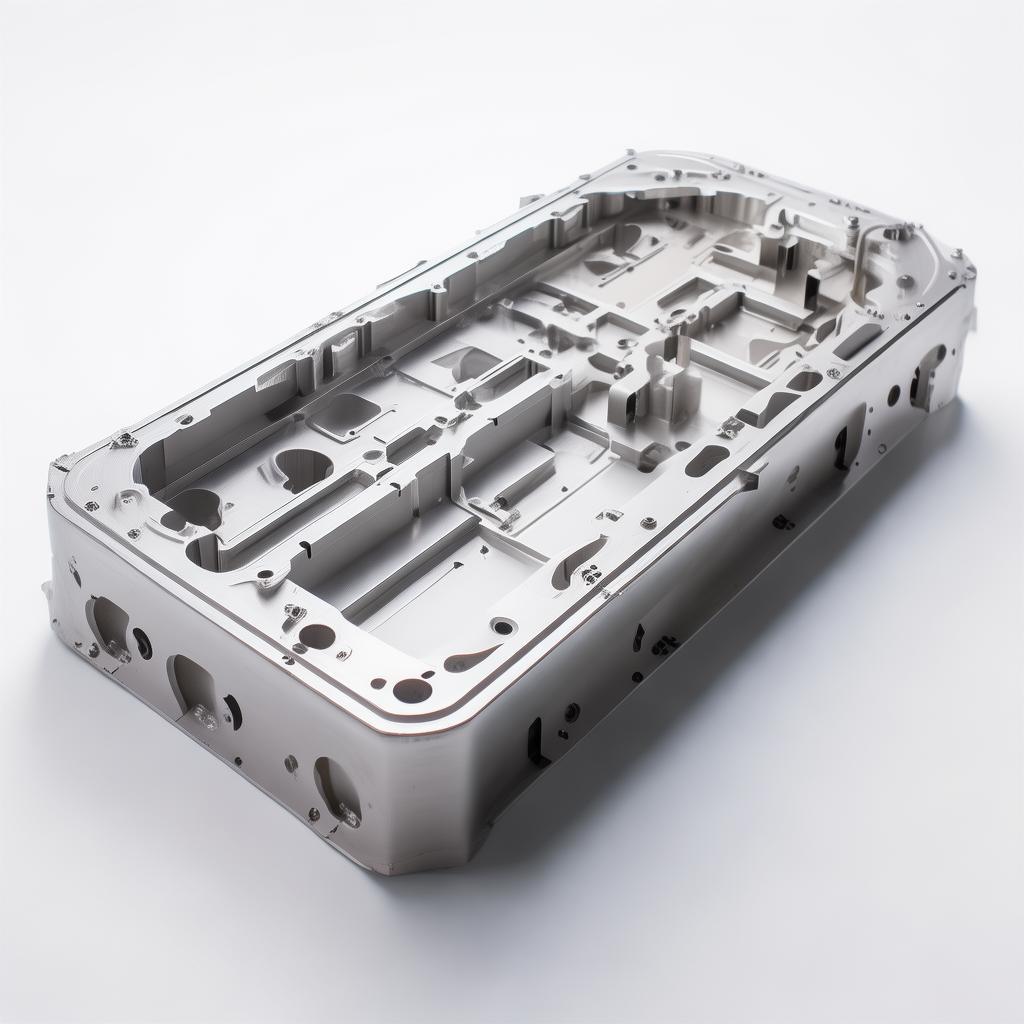
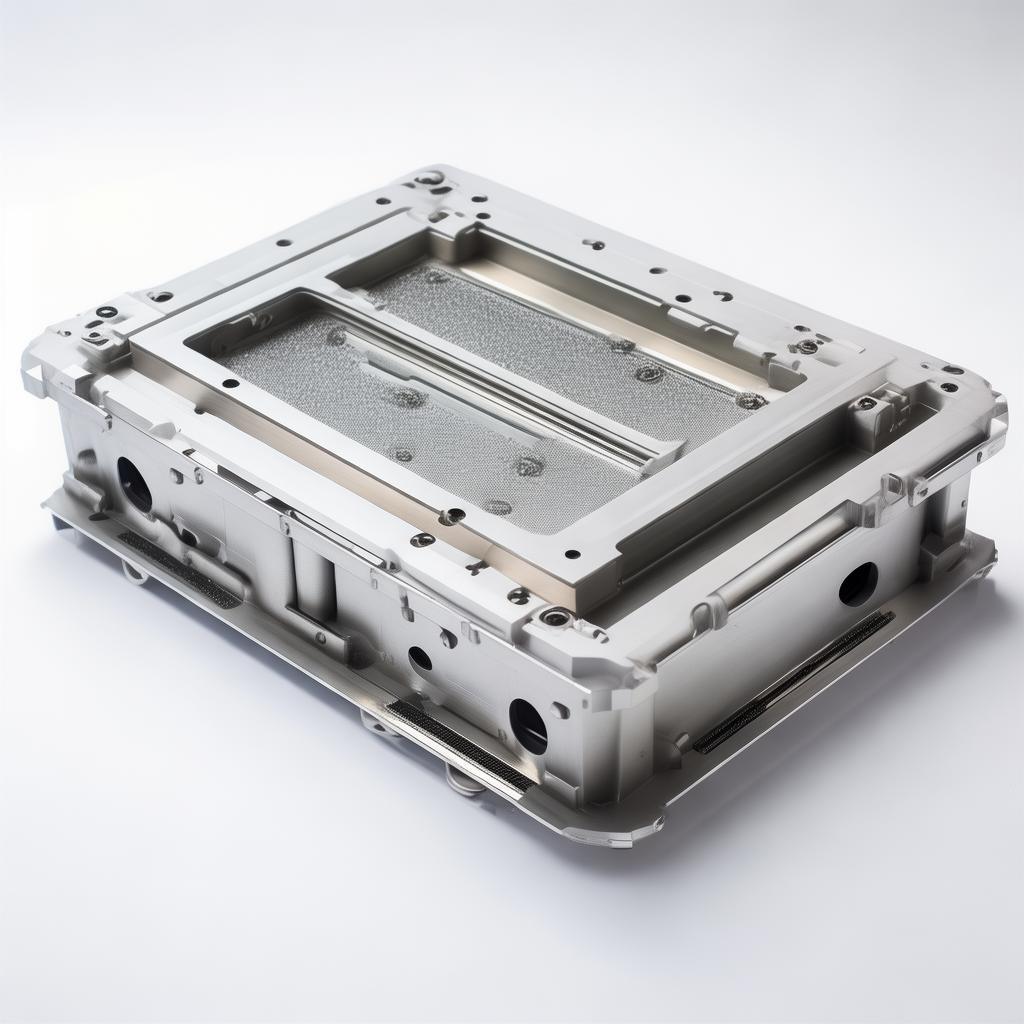
3+2 machining shearing blades close tolerance machining
Note: Tailored burrs machining solutions require upfront technical consultation to optimize quality and cost-efficiency.
Frequently Asked Questions
- Q1: What factors determine the choice of burrs machining method?
- Material type, burr size, part geometry, surface finish requirements, and production volume are primary factors influencing the appropriate deburring technique.
- Q2: Can burrs machining be integrated with automated production lines?
- Yes, many advanced suppliers offer robotic deburring and inline inspection to maintain throughput and quality in mass production setups.
- Q3: How do you ensure burr removal does not damage sensitive parts?
- Through precise process parameter control, tooling selection, and sometimes using non-mechanical methods like chemical or electrochemical deburring.
- Q4: What certifications should a reliable burrs machining provider have?
- Quality management certifications like ISO 9001, AS9100 for aerospace, or IATF 16949 for automotive are key indicators of operational discipline.
- Q5: What lead times can I expect for small vs large batches?
- Small prototype batches may be completed in under one week; mass production can take several weeks depending on complexity and inspection rigor.
Customer Reviews

"Our aerospace contract required extremely tight burr tolerances on titanium fittings. Partnering with Guangdong Yingtai provided us with consistent deliveries and high-quality finishing. The engineering team’s attention to detail saved us costly rework downstream."
– Michael Trent, Procurement Director, AeroDynamics Inc.
"The ability to handle multi-material deburring, especially overmolded plastics and metal parts, made their service stand out. Their feedback on design for manufacturability helped us redesign a chip sealing gasket with no burr-related failures."
– Linda Cho, Product Engineer, MedTech Solutions
"Transitioning from manual hand deburring to their robotic machining cells cut cycle times by nearly half on our aluminum extrusion parts. The quality gains alone justified the investment."
– Thomas Rivera, Operations Manager, BrightAuto ComponentsReady to Eliminate Burr Issues from Your Production?
Talk directly with our engineering team to discuss tailored burrs machining solutions — optimized for your materials, volumes, and quality goals.
Request a Custom QuotationCustomer Conversations