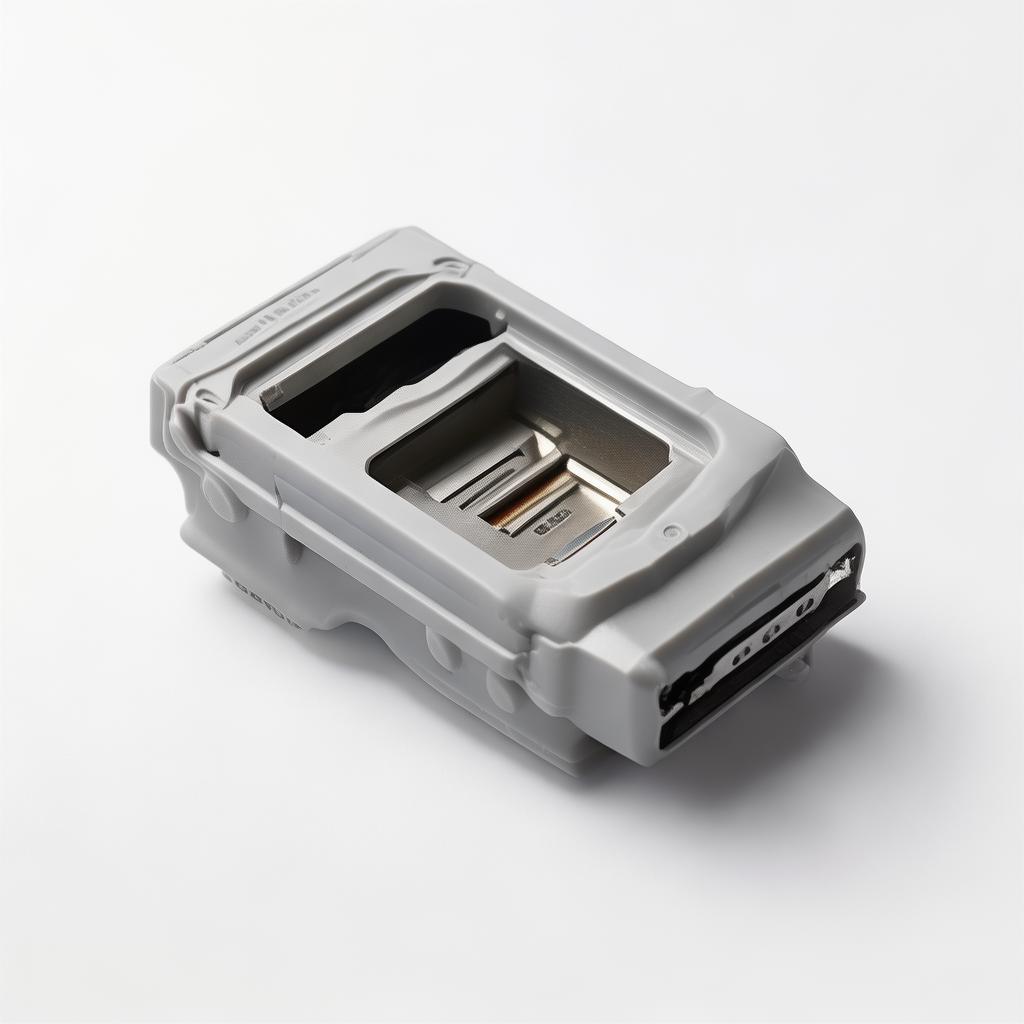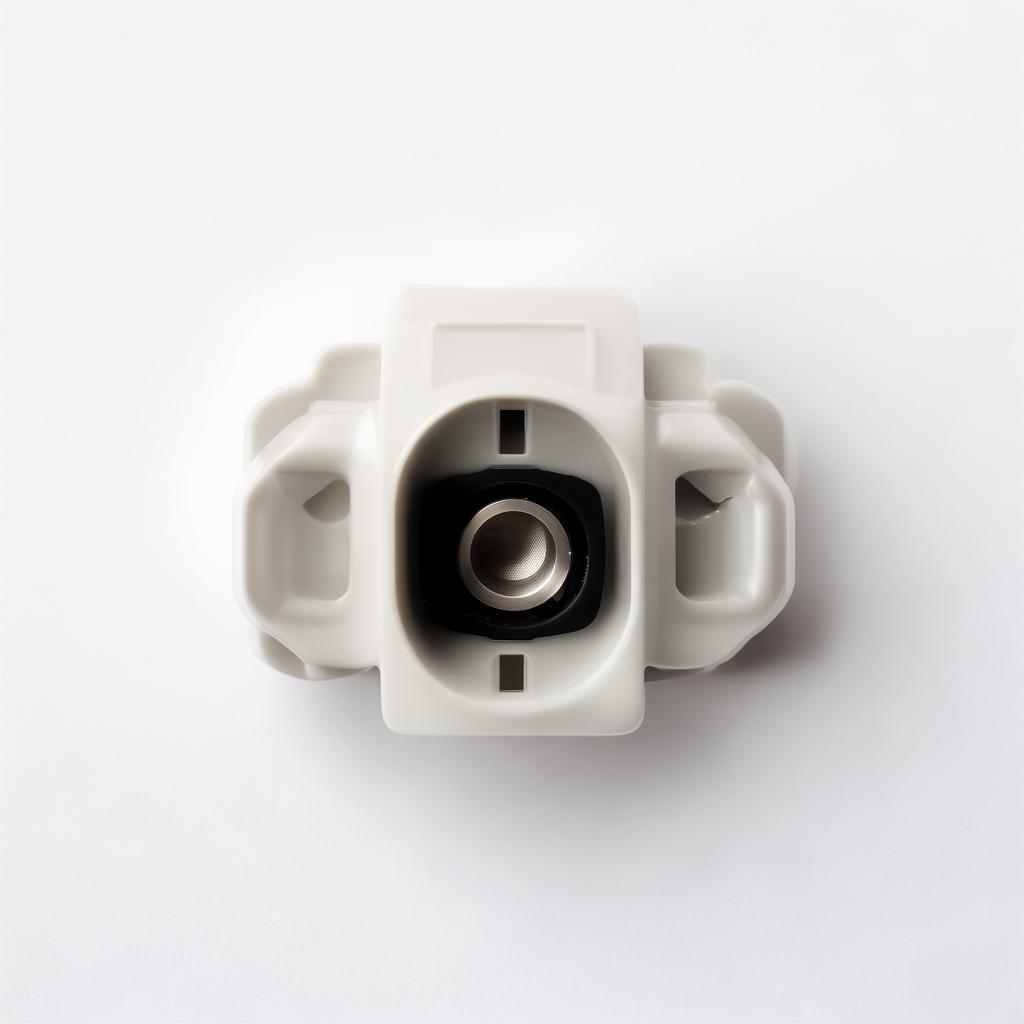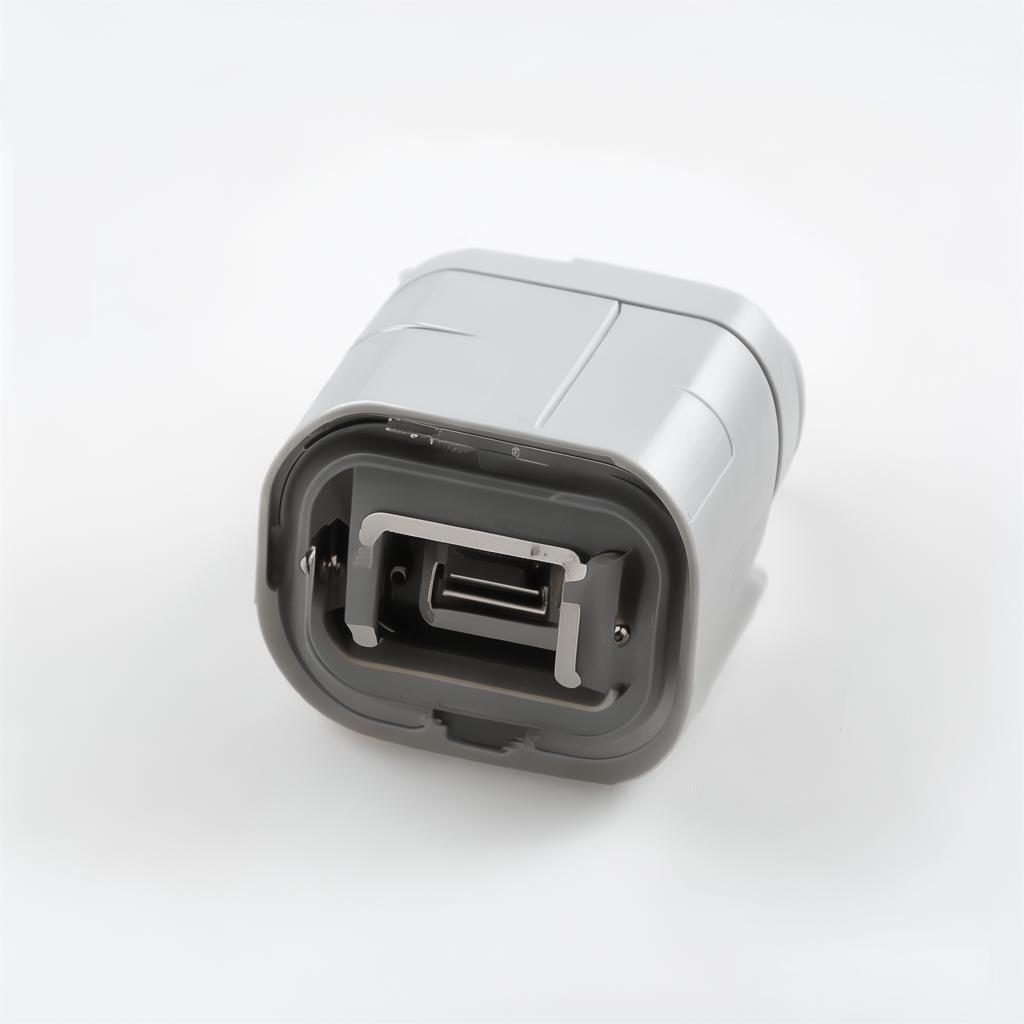


Industrial Button Pad Solutions | Precision, Durability & Custom OEM Manufacturing
Guangdong Yingtai High Precision Technology Co., Ltd. offers expertly engineered button pads designed for demanding industrial environments, blending high-performance materials like liquid silicone rubber (LSR) with cutting-edge injection molding processes. Serving B2B purchasers, technical engineers, and OEM partners worldwide, we deliver highly customizable, robust input interfaces tailored for electronics, automotive controls, medical devices, and industrial appliances.
Navigating Key Industry Challenges for Button Pads
From high-volume electronic manufacturing to specialized OEM assemblies, procuring reliable button pads demands overcoming several operational obstacles. Procurement directors and technical engineers alike face:
- Material degradation under harsh environments: exposure to UV, oils, moisture, and temperature fluctuations can warp or crack low-grade pads.
- Precision tactile feedback requirements: inconsistent actuation force or poor rebound degrades user experience and device reliability.
- Customization constraints: diverse shapes, sizes, and configurations needed for different product lines.
- Long lead times and quality inconsistencies: especially with overseas suppliers lacking transparent production controls.
- Compliance with standards: medical-grade components require FDA materials certification; automotive parts often need ISO/TS 16949 compliance.
In our experience exporting precision button pads globally, these factors frequently delay projects or inflate costs unnecessarily. Understanding the root causes, such as subpar liquid silicone formulations or imprecise injection molding tooling, helps reduce risks in both procurement and performance.
Technical Overview: Advanced Materials & Production Processes
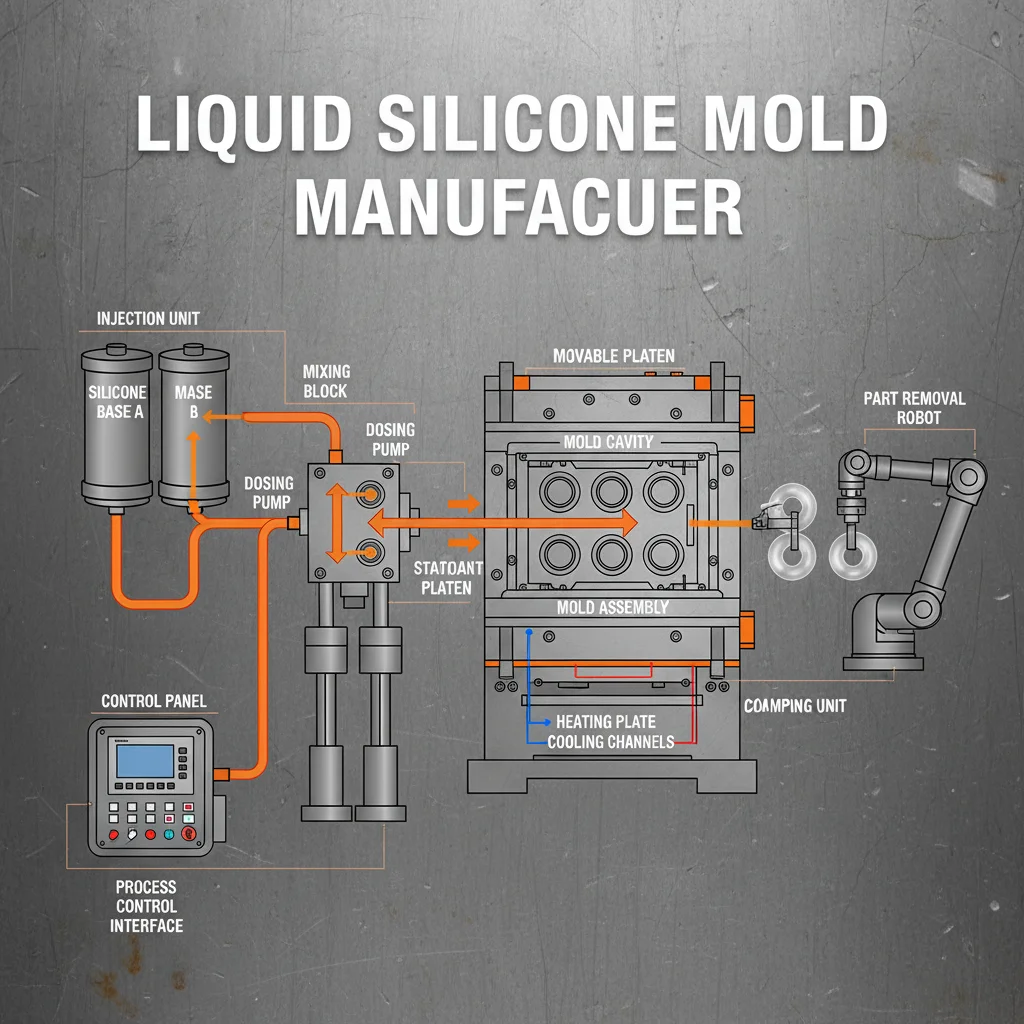
Liquid Silicone Rubber (LSR) Injection Molding is at the core of our button pad manufacturing. LSR provides excellent flexibility, chemical resistance, and thermal stability—ideal for durable button pads. Our factory in Dongguan employs 55 advanced LSR molding machines enabling precision parts with tight tolerances down to ±0.05 mm.
| Specification | Details |
|---|---|
| Material | Platinum-cured Liquid Silicone Rubber (FDA & RoHS compliant) |
| Tensile Strength | Minimum 7 MPa, optimized for durability |
| Operating Temperature Range | -60°C to +230°C |
| Durometer Hardness | 30-80 Shore A, customizable for tactile feedback |
| IP Rating | Up to IP67 sealing for waterproof button pads |
| Fabrication Methods | Liquid injection molding, overmolding, multi-shot molding |
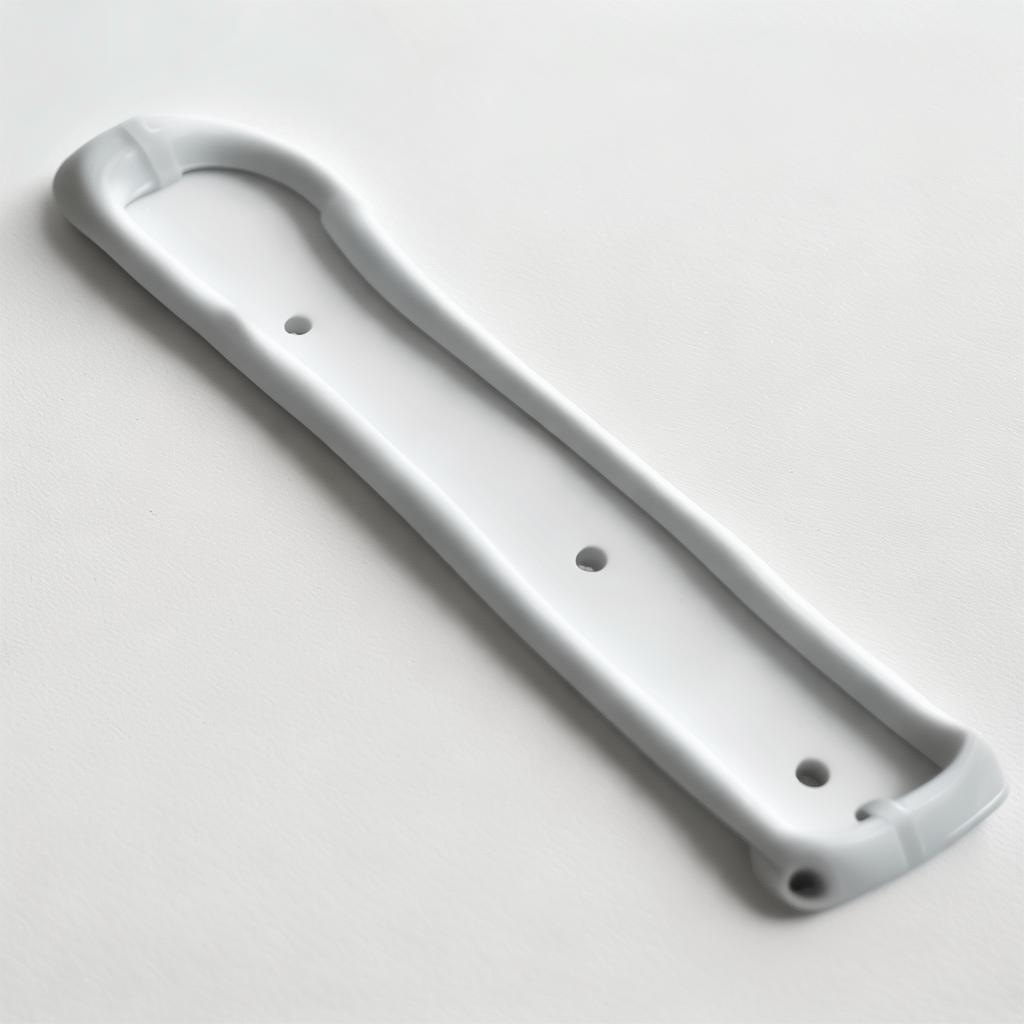
button grommet plastic push button electronic button
Our tooling uses rapid tooling technology to reduce development cycles dramatically, improving time-to-market for new designs (see development of injection mold for LSR). Moreover, precise rheological characterization lends itself to more accurate simulation and mold filling prediction, minimizing defects like air bubbles or flash.
Core Advantages of Our Button Pads
- Exceptional Tactile Feedback: Customizable durometer options provide consistent push force and rebound performance, enhancing user experience in control panels and wearables.
- Long-Term Durability: Resistant to UV, oils, and harsh chemicals, ensuring button pads maintain elasticity and form in tough industrial environments.
- Precision Customization: OEM/ODM capabilities include bespoke layouts, shapes, colors, surface finishes, and overmolding options to meet diverse product requirements.
- Sealed & Waterproof Designs: Integrated sealing ensures IP67-rated protection against moisture and dust, suitable for outdoor or automotive controls.
- Scalable Production: Efficient use of injection molding machines and advanced tooling yields competitive lead times and volume pricing for wholesale buyers.
- Compliance Tested: Materials and processes comply with ISO 9001, CE, RoHS, and FDA where applicable—critical for medical and consumer product markets.
Through extensive cross-industry cooperation, including medical device manufacturers and smart electronics brands, our button pads have proven reliable under rigorous use scenarios.
Typical Application Environments
Consumer Electronics
Wearable devices, remote controls, gaming peripherals requiring responsive buttons with anti-slip silicone textures and long operational lifetimes.
Automotive & New Energy Vehicles
Dashboard switches, infotainment panels, and key fob buttons designed for thermal resistance and chemical durability per ISO/TS standards.
Medical Devices
Sealed control pads in diagnostic equipment and handheld monitors made from biocompatible materials, FDA-registered for patient safety.
Industrial Equipment
Control panels and interfaces in factory automation machinery demanding chemical resistance, IP65 or higher ingress protection, and structural integrity.
Installation & Maintenance Insights
Proper integration of button pads into assemblies significantly impacts product longevity and operational stability. From a production manager's perspective:
- Sealing Considerations: When embedding waterproof pads, ensure matching gasket compression and panel cut-out tolerances to maintain IP ratings.
- Alignment Precision: Misalignment can cause premature wear or inconsistent tactile feedback—use assembly jigs for large volume production.
- Cleaning & Wear: Periodic cleaning with compatible solvents extends surface life. Avoid petroleum-based cleaners that degrade silicone surfaces.
- Replacement Cycles: Typical operational lifetime exceeds 1 million presses; however, visual inspection for hardened or cracked surfaces is recommended in maintenance routines.
Logistics and Packaging: Our button pads are packaged using anti-static, moisture-proof bags and loaded in optimized pallets to reduce damage risk in container shipping. Factory lead times typically range from 8 to 12 weeks for custom OEM orders depending on tooling complexity.
Strategic Procurement Tips for Button Pads
As a procurement consultant who has witnessed challenges in component sourcing across international markets, I recommend these practices:
- Request comprehensive product specs: Verify chemical composition, durometer ranges, and compliance certificates upfront.
- Evaluate supplier factory capabilities: Confirm access to advanced LSR molding machines, mold design expertise, and quality control protocols.
- Start with samples & pilots: Testing under real use cases reduces costly redesigns or batch failures later.
- Consider OEM/ODM partnerships: Collaborate early with manufacturers to refine design for manufacturability, potentially reducing total cost of ownership.
- Clarify terms on lead times & MOQ: Plan for tooling setup duration and batch sizes to align with your production schedules.
- Audit certifications: ISO9001, CE, RoHS, FDA, and automotive TS16949 certifications reflect supplier maturity and process reliability.
Being mindful of these factors has helped our clients avoid common procurement pitfalls such as receiving inconsistent batch quality or unexpected shipping delays.
Buyer FAQs
- What is the typical lifespan of a liquid silicone button pad?
- Under normal use, button pads can withstand over 1 million actuation cycles without performance degradation.
- Can you customize the tactile feedback or stiffness?
- Yes, durometer hardness can be adjusted between 30 to 80 Shore A to meet your specific tactile requirements.
- Are your button pads compatible with multi-shot molding?
- Absolutely, our production lines support multi-shot and overmolding processes for composite button pad assemblies.
- How do you ensure consistency across large production volumes?
- We employ precision mold temperature control, in-line vision inspection, and rheological monitoring during injection molding to maintain tight tolerances.
- What certifications do your materials and production lines have?
- Our materials are RoHS and FDA compliant, with ISO9001-certified factory processes and CE mark adherence where applicable.
Customer Voices
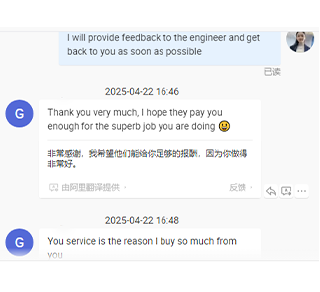
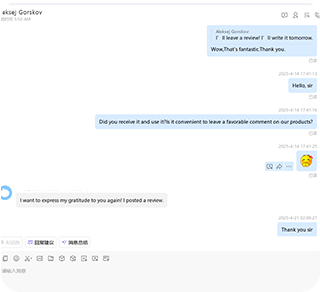
"We switched to Yingtai for our automotive dashboard button pads, and found their precision molding and material quality vastly superior to previous suppliers. Reduced defects and better tactile feel improved end-user satisfaction significantly."
- Michael Torres, Procurement Manager, Detroit Auto Parts, USA
"As a medical device OEM, FDA compliance and biocompatibility are non-negotiable. Yingtai’s button pads met our exacting requirements and the ease of integration helped shorten our assembly times."
- Lisa Nguyen, Project Engineer, MedTech Solutions, CA
"Their transparent communication about lead times and material certifications made working with them easier. The samples matched specs perfectly, saving us costly revisions."
- Javier Moreno, Operations Director, SmartWear Electronics, TX
Certifications & Factory Capabilities
At Guangdong Yingtai High Precision Technology Co., Ltd., our engineering team champions quality backed by ISO 9001 certification and CE compliance. Our 35,000 m² modern industrial park houses:
- 55 liquid silicone rubber molding machines for consistent high-volume production
- 80 automatic injection molding machines tailored for precision plastic components
- 20 hydraulic presses for solid silicone parts requiring specialized compression molding
- Over 30 sets of precision processing equipment for mold fabrication and finishing
- Advanced testing instruments for tensile strength, hardness, and environmental simulation
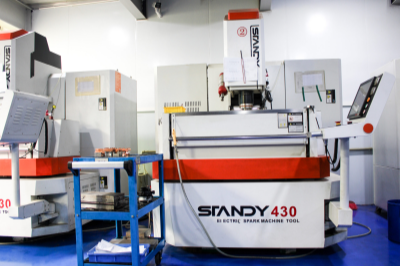
Our factory is uniquely positioned to deliver integrated OEM/ODM solutions, from mold development and prototyping to final assembly, providing customers with a streamlined supply chain and reduced risk.

Contact Miss Zhang at +86 17722437688 or email zmm@yingtai168.com