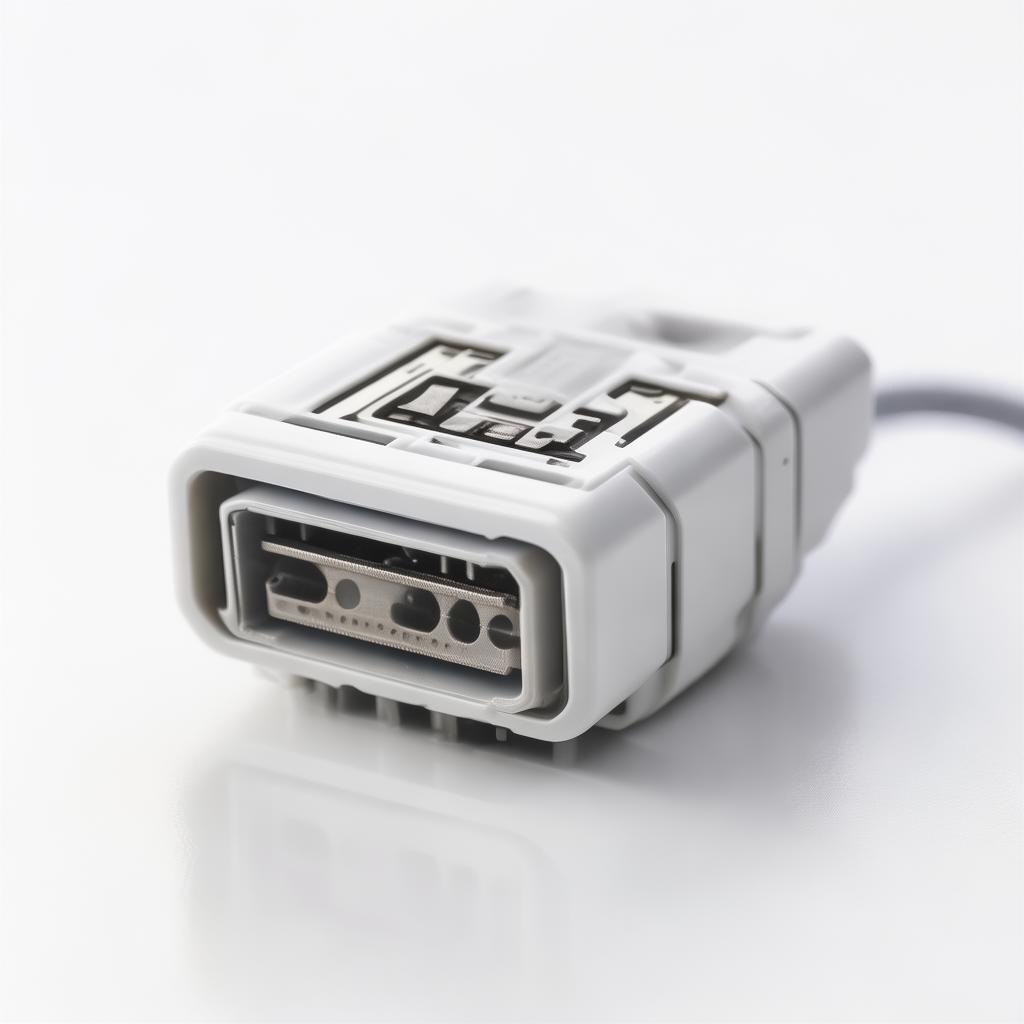
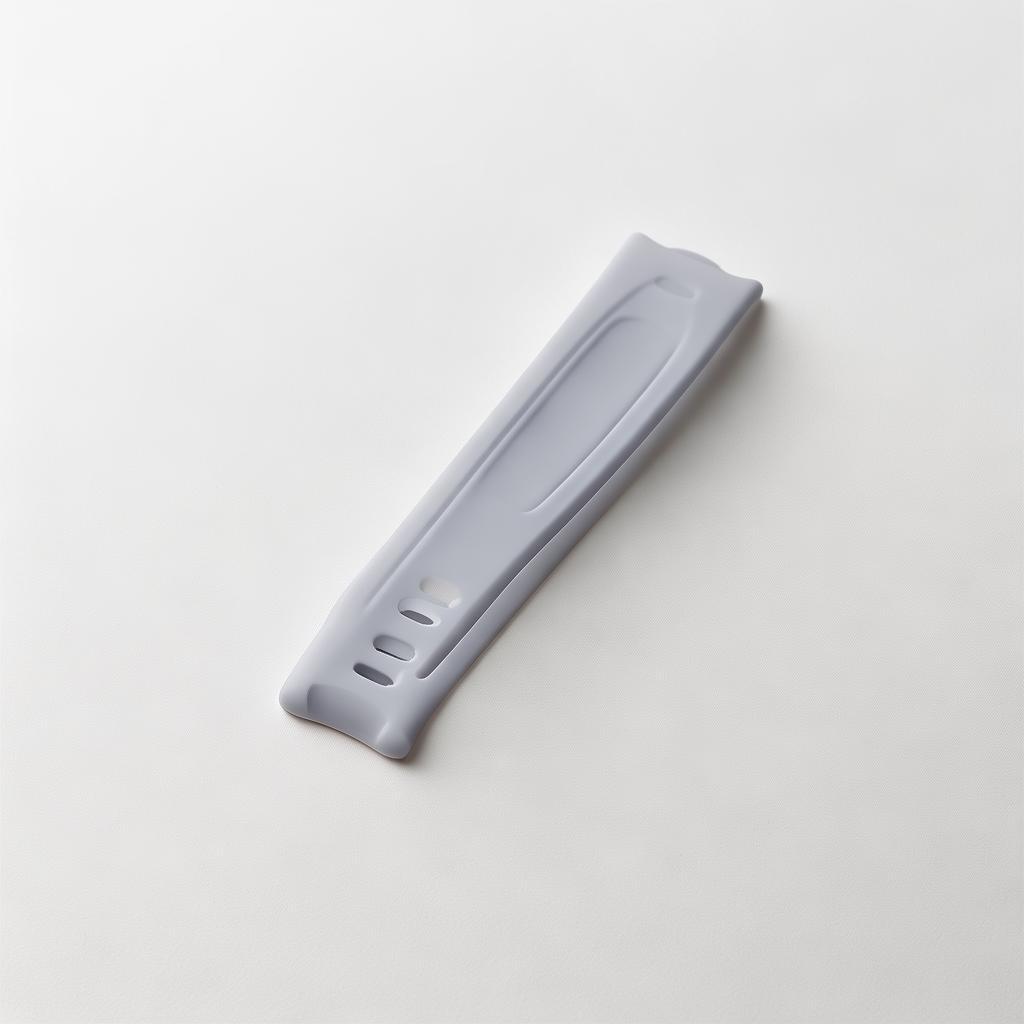
Guangdong Yingtai High Precision Technology Co., Ltd. | Expert solutions in liquid silicone and plastic buttons for electronics In the electronics manufacturing sector, buttons might seem like a simple component, but their role is
Product Details
Precision Buttons for Electronics – Quality Components for Industrial Excellence
Guangdong Yingtai High Precision Technology Co., Ltd. | Expert solutions in liquid silicone and plastic buttons for electronics
Industry Challenges in Electronics Buttons
In the electronics manufacturing sector, buttons might seem like a simple component, but their role is anything but minor. From consumer gadgets to industrial control panels, buttons for electronics must deliver consistent tactile feedback, durability, and reliability under various environmental stresses — factors often overlooked in early procurement phases.
Several operational pain points persist across industries: premature button failure due to material fatigue, inconsistent electrical contact, design mismatch with assembly lines, and difficulties in sourcing OEM buttons that meet evolving UL and CE certifications. For procurement managers handling high-volume electronic assemblies, balancing cost-effectiveness with component quality becomes critical.
Another key challenge lies in material selection and production methods. Often, buttons are produced using thermoplastics or rubber composites that fail quickly in harsh environments — especially in applications involving frequent user interactions, exposure to dust, moisture, or temperature swings.
Additionally, the growing demand for smart devices and wearables requires buttons with integrated waterproof sealing and antimicrobial surfaces to maintain hygiene and reliability—something typical plastic injection molded buttons may struggle to provide without advanced overmolding or sealing techniques.
For electronics manufacturers looking to stay ahead, partnering with suppliers who understand these nuances and can deliver custom-engineered buttons incorporating advanced liquid silicone injection molding and precision tooling is vital.
Material Advantages: Why Liquid Silicone Matters
Liquid Silicone Rubber (LSR) technology has revolutionized electronic button manufacturing. By leveraging LSR's inherent qualities such as flexibility, heat resistance (up to 250°C), chemical inertness, and biocompatibility, precision buttons can meet the rigorous standards of modern electronics.
Unlike traditional thermoplastic elastomers, LSR buttons resist aging and environmental degradation. This significantly reduces replacement frequency in demanding use cases like wearable controllers, automotive interfaces, and industrial equipment. Moreover, the unique overmolding process integrates LSR with rigid plastics like ABS, creating seamless buttons featuring robust mechanical strength and soft touch.
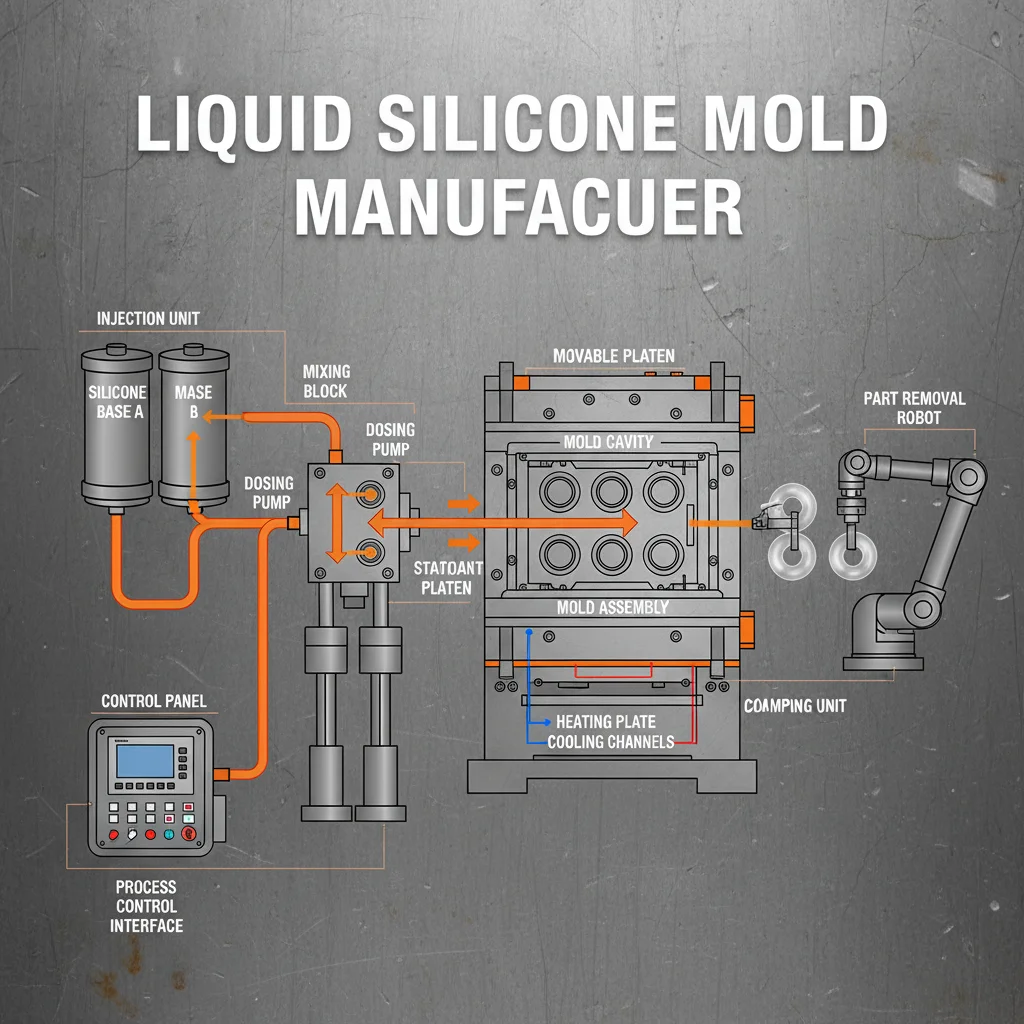
Our factory uses advanced liquid silicone injection molding machines with precision tooling, allowing complex geometries and multi-color designs at scale, producing exquisite finished products suitable for sensitive consumer electronics and harsh industrial environments alike.
Heat and UV resistance: No deformation or discoloration under extended exposure.
Electrical insulation: Ideal for preventing accidental shorts in compact PCBs.
Waterproof sealing: Compatible with IP67-rated enclosures for outdoor electronics.
Biocompatibility: Suitable for wearable health devices requiring skin safety.
Longevity: Proven lifecycle of over 1 million actuation cycles without performance loss.
At Guangdong Yingtai High Precision Technology Co., Ltd., all buttons comply with global industry standards and undergo rigorous quality control protocols. Below is a snapshot of key technical parameters frequently requested by procurement teams for electronics button applications.
Parameter
Value / Range
Remarks
Material Type
Liquid Silicone Rubber (LSR) & ABS (optional)
Options for soft-touch or rigid base
Operating Temperature
-50°C to 250°C
Thermal stability under harsh environments
Durometer Hardness
Shore A 20 to 70
Adjustable by formulation for tactile feel
Ingress Protection Rating
IP65 to IP67
Sealed designs for dust and water resistance
Lifecycle
Up to 1,000,000 actuations
Validated durability testing
Certifications
ISO9001, CE, RoHS, UL
Compliance with environmental and safety regulations
We integrate CAE simulation and rigorous rheological data benchmarking within our liquid silicone molding processes, matching approaches recommended by industry research such as the MDPI rheology simulation study to ensure precise cavity filling and minimized defects. This attention to process fidelity leads to consistently tight dimensional tolerances and improved product reliability.
Application Scenarios and Installation Tips
Buttons for electronics find themselves at the heart of many ecosystems, each with its own operational requirements.
Communication gear: Handsets, radios, base stations.
From an installation standpoint, buttons molded with high-precision LSR typically feature tight dimensional consistency and excellent adhesion to substrate plastics through overmolding, minimizing assembly risks such as joint failure or misalignment.
Important to note: When integrating buttons into PCBs or assembly lines, verify footprint compatibility early to avoid costly production downtime. Also monitor environmental exposure — selecting seals with the appropriate IP ratings tailored to your device’s usage environment can prevent premature failure.
Customers report smoother installation flows when assembly templates and fixtures account for silicone’s slight reflow during curing — something our engineering support team can assist with during project planning.
Procurement Guidance & Supplier Evaluation
Selecting the right supplier for electronics buttons is no trivial task. Aside from price, expect to evaluate capabilities around:
Material expertise: Proven experience in LSR molding and multi-component assemblies.
Technical support: Access to engineering expertise for product design, CAE simulations, and mold flow analysis.
Quality assurance: Adherence to ISO9001 and traceability protocols to documents material batches and test records.
Certifications: Compliance with RoHS, UL, and regional environmental regulations.
Production capacity: Adequate machinery (LSR molding machines, hydraulic presses) to meet your lead times.
OEM/ODM flexibility: Ability to customize designs, colors, and functionalities to your specifications.
Logistics efficiency: Expertise in container loading, export documentation, and shipping to reduce your supply chain risks.
Practical advice: Request free samples to validate tactile feel and durability under your own QC tests. Consider visiting factory production lines (virtual or in-person) for greater confidence.
Our factory in Dongguan operates 55 advanced LSR molding machines supplemented by precision tooling and automatic inspection lines, supporting volume batches with consistent quality. With 35,000 sqm of modern industrial park space, we integrate the entire value chain from mold design to finished button assembly for speed and reliability.
Q1: What makes liquid silicone rubber buttons better than traditional plastic ones?
LSR buttons offer superior durability, tactile response, temperature resistance, and sealing capabilities. Unlike general plastics, LSR resists UV aging, chemicals, and maintains softness even after extensive use, which is essential for high-reliability electronics.
Q2: Can you manufacture buttons with custom colors or embedded logos?
Yes, our advanced injection molding and overmolding processes support multi-color designs, transparent or translucent finishes, and precise logo embossing or laser marking based on your artwork.
Q3: What lead times are typical for production runs?
For standard specifications, production lead times range from 3 to 6 weeks depending on order volume and tooling requirements. Prototype samples can often be delivered within 10 to 15 working days.
Q4: How do you ensure quality control during manufacturing?
We implement statistical process control (SPC), in-line dimensional inspections, 100% visual checks, and final functional testing. Our team also performs batch material testing to comply with ISO9001 standards and provide full traceability.
Q5: Can you assist with design optimization for improved manufacturability?
Absolutely. Our engineering team uses CAE simulation and decades of molding experience to advise on draft angles, wall thickness, and material flow, reducing tooling costs and ensuring repeatable production quality.
Customer Reviews & Real-World Feedback
John H., Procurement Manager, ElectroTech Solutions, USA
"The liquid silicone buttons from Yingtai significantly reduced our warranty claims over the past year. Installation was straightforward, and the waterproof sealing performed flawlessly even in outdoor units. Their engineering team was responsive, helping customize the button feel exactly as we wanted."
Get in Touch
If you have any camping barbeque equipment inquiry, please feel free to contact us.