Guangdong Yingtai High Precision Technology Co., Ltd. | Expert OEM Manufacturer & Exporter Within industrial sealing technologies, butyl rubber O-rings occupy a specialized niche noted for their exceptional resistance to environmental extremes and chemical
Product Details
Precision Butyl Rubber O-Rings for Industrial Sealing Solutions
Understanding Butyl Rubber O-Rings & Their Industrial Importance
Within industrial sealing technologies, butyl rubber O-rings occupy a specialized niche noted for their exceptional resistance to environmental extremes and chemical exposures. Unlike general-purpose elastomers, butyl rubber (IIR) boasts a unique polymer structure providing significant impermeability to gases and excellent resilience to ozone and weathering. This combination makes butyl O-rings a preferred sealing solution where leakage prevention and long-term stability under harsh conditions are critical.
Originating from isobutylene-isoprene polymer chemistry, butyl rubber's closed molecular architecture resists permeation better than many other elastomers. These properties translate to enhanced performance in applications ranging from fuel handling systems to HVAC units and industrial compressors. Selecting the optimal butyl rubber composition and hardness grade is a critical procurement decision, especially considering the diversity in fillers, curing agents, and processing parameters that impact mechanical and thermal endurance.
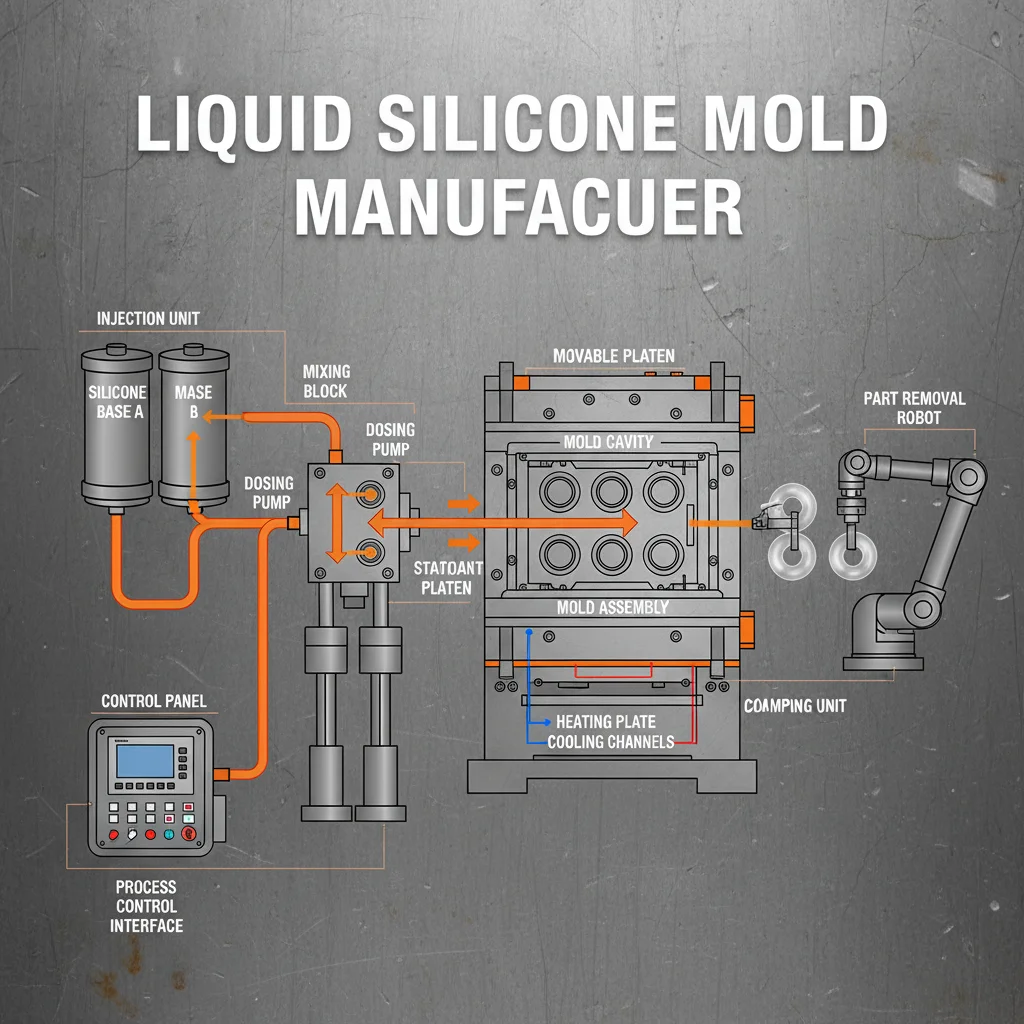
From a manufacturing perspective, our facility in Dongguan leverages advanced injection and compression molding technologies, adhering to ISO 3601 dimensional standards and ASTM D2000 classifications. We emphasize precision tooling and systematic quality control to guarantee seal uniformity and minimize defects like flash or extrusion. Considering butyl’s moderate temperature tolerance and its specific resistance profile, engineering input on compound formulation is often required to tailor O-ring specifications to the intended media and operating conditions.
Notably, in procurement cycles, buyers should always verify material certifications including but not limited to REACH, RoHS, and FDA compliance where applicable, alongside standard testing reports for compression set, tensile strength, and aging resistance. Voluminous OEM orders demand strict lead-time management with factory capacity planning and container loading optimization to avoid production delays and reduce shipping costs.
Industry data from Grandview Research and others reveal the growing demand for reliable sealing materials in automotive and industrial sectors. While liquid silicone rubber increasingly challenges some sealing applications, butyl O-rings remain irreplaceable where gas impermeability and chemical resistance take priority. Combining this with our 20+ years of manufacturing expertise positions us uniquely to serve both standard and highly customized sealing requirements.
Common Sealing Challenges in Industrial Applications
Procuring and deploying O-rings often confronts several operational hurdles that can compromise sealing integrity if overlooked:
Material incompatibility with media causing premature swelling or degradation.
Temperature extremes leading to compression set or brittle failure.
Improper installation creating uneven sealing pressure and extrusion.
Surface finish discrepancies on mating parts affecting leak tightness.
Storage and handling errors resulting in ozone cracks or contamination.
Logistical delays impacting project timelines due to lead time miscalculations.
Many procurement managers highlight the risk of accepting generic rubber grades without validated testing, leading to costly equipment downtime or warranty claims. The nuanced understanding of how butyl rubber's chemical resistance matches specific fluids or gases is essential for risk mitigation.
Additionally, operational environments such as fuel systems, potable water treatment, and refrigeration cycles place stringent demands on the sealing elements — not just in wear resistance, but also in meeting regulatory compliance and avoiding contamination.
Why Choose Butyl Rubber O-Rings? Key Advantages
When performance specs require a seal to withstand aggressive gas permeation, ozone exposure, and high mechanical stress, butyl rubber O-rings deliver distinct benefits:
Feature
Benefit
Industrial Impact
Low Gas Permeability
Effective sealing of gases like oxygen and nitrogen
Critical in fuel systems, compressors, and vacuum tech
Superior Ozone & Weather Resistance
Lasts longer than nitrile under UV and outdoor exposure
Ideal for HVAC and outdoor equipment sealing
Good Chemical Resistance
Resists polar solvents, brake fluids, and acids
Used in automotive, chemical processing seals
Flexibility at Low Temperature (-40°C to +120°C)
Maintains sealing performance in cold climates
Common in refrigeration and cold-storage industries
Excellent Compression Set Resistance
Retains shape under prolonged compression stress
Longer service life in hydraulic and pneumatic fittings
Our butyl rubber O-rings undergo rigorous compound formulation tuning and curing processes to maximize these properties within your target application’s constraints. We recommend buyers specify material grade and testing requirements during inquiry to align expectation and reduce rework.
Technical Specifications & Industry Standards
Precision in dimensions and material integrity are paramount for sealing reliability. Our butyl rubber O-rings meet or exceed the following benchmarks:
ISO 3601: Standardized O-ring dimensions ensuring interchangeability and fitment.
ASTM D2000: Rubber product classification reflecting resistance grades for heat, oil, ozone, and more.
RoHS & REACH Compliance: Confirming non-toxicity and environmental safety.
Compression Set Testing (ASTM D395): Typical values for 70 hours at 70°C targeted below 25%.
Tensile Strength (ASTM D412): Average minimum 8 MPa to ensure mechanical durability.
Hardness (Shore A): Typically ranging from 55 to 75, customizable per project.
Our production workflow incorporates advanced molding machines equipped with precise cavity pressure controls and temperature-regulated curing chambers, providing dimensional consistency within ±0.05 mm tolerance. Testing instruments verify hardness uniformity and aging resistance after heat, UV, and chemical exposure simulations.
As a matter of operational insight, buyers should request certification copies and inspect ISO certifications documented for batch traceability. These help mitigate procurement risks related to substandard deliveries and non-compliant products.
Typical Use Cases & Application Environments
Understanding where butyl rubber O-rings excel reinforces their value in your industrial supply chain:
Automotive Fuel Systems: sealing petrol, diesel, and LPG components requiring low gas permeability to prevent vapor losses.
HVAC & Refrigeration: compressors and expansion valves exposed to refrigerants and cyclic temperature loads.
Potable Water & Chemical Processing: seals compatible with acidic and alkaline media where contamination prevention is critical.
Industrial Pneumatics & Hydraulics: flexible seals resistant to brake fluids, lubricants, and oil hydrocarbons.
Electrical & Electronics: outdoor enclosures needing robust environmental sealing from moisture and pollutants.
Our customers in North America, Europe, and Asia-Pacific have successfully deployed butyl O-rings in rugged field environments — often paired with precision-machined metal housings. We advise aligning O-ring hardness and cross-sectional thickness with flange geometry to optimize compression and sealing pressure without over-stressing the elastomer.
Procurement Insights & Supplier Evaluation
Navigating supplier selection for butyl rubber O-rings requires a clear scope and checklist:
Verification of manufacturer’s production capacity to meet batch requirements and ensure short lead times.
Capability to provide customized compounds per ASTM grades and adhere strictly to ISO 3601 tolerances.
Transparent quality control systems including batch sampling, material traceability, and defect rate data.
After-sales support with technical consultation for troubleshooting seal failures or installation guides.
Compliance with export regulations, including provision of MSDS, RoHS, REACH, and other relevant certificates.
OEM/ODM experience for custom sizes, colors, or material blends, reducing your own product development costs.
Flexibility in packaging and logistics, supporting container loading optimization and global shipping schedules.
At Guangdong Yingtai High Precision Technology Co., Ltd., our sales team works closely with purchasing managers and engineers from inquiry to delivery. Clients appreciate our quick turn-around on quotations and transparent shipment tracking. We encourage prospective buyers to request free samples and factory pricing early in the evaluation process.
Installation Best Practices & Maintenance
Incorrect installation can degrade O-ring performance regardless of material quality. Keep these practical tips in mind:
Ensure the O-ring groove is free from debris, sharp edges, or surface imperfections.
Lubricate the O-ring with a compatible lubricant to ease installation and prevent twisting or extrusion.
Use proper tooling or fingers to stretch and place rings evenly without over-extension.
Verify gland dimensions meet ISO 3601 recommended tolerances for compression ratio and squeeze.
Regularly inspect installed O-rings for signs of compression set, abrasion, or chemical attack.
Replace damaged or aged O-rings periodically based on operational hours or maintenance cycles.
Our technical engineers can provide on-site training support or detailed guides to optimize your sealing system assembly. Maintenance planning is also critical: many industries report that scheduled seal replacement intervals reduce unscheduled downtime and extend system lifetime.
Shipping, Packaging, and Lead Time Considerations
Efficient logistics are key to keeping your productions on schedule:
Standard packaging involves anti-static bags and sealed polybags to prevent contamination and moisture ingress during transit.
Bulk orders shipped via sea freight optimize container loading; we advise consolidated shipments to reduce freight cost per unit.
For faster turnaround, air freight options are available with optimized packaging to ensure product integrity.
Lead times typically range from 15 to 30 days depending on order quantity, OEM customization, and production backlog.
Supplier coordination on documentation, customs clearance, and delivery tracking ensures smooth import processes on the buyer’s side.
We have refined our export workflows by leveraging supply chain digital tools and maintaining buffer stocks on key products to reduce delays. Buyers should plan procurement timelines factoring realistic transit and customs clearance durations.
Frequently Asked Questions (FAQs)
Q1: What differentiates butyl rubber O-rings from nitrile or EPDM?
Butyl rubber offers superior gas impermeability and ozone resistance but tolerates lower temperature ranges than nitrile. EPDM excels in weather resistance but lacks chemical resistance for fuels. Selection hinges on application media and environmental exposure.
Q2: Can I request custom sizes or compound formulations?
Absolutely. Our factory supports OEM/ODM services, including molded-in-color variations, hardness customization, and precision machining of complex sealing profiles.
Q3: What is the typical shelf life of butyl rubber O-rings?
Stored properly in cool, dark, and dry environments, butyl rubber O-rings maintain integrity for up to 5 years. Exposure to UV or ozone may reduce this timeframe.
Q4: How do you test quality before shipment?
Each batch undergoes hardness testing, dimensional checks via precision calipers, compression set tests, and visual inspections for defects. Random samples can be provided upon request.
Q5: Can you support regulatory compliance documentation?
Yes, we provide full documentation including MSDS, RoHS certificates, and compliance with customer-specific standards.
Real Customer Reviews & Industry Feedback
James R., Procurement Manager, Texas, USA
“We switched to Yingtai’s butyl O-rings for our fuel injector projects due to their lower gas permeability. The results? Noticeably fewer leaks and extended maintenance cycles over our previous supplier. Lead times and technical support are also reliable.”
Get in Touch
If you have any camping barbeque equipment inquiry, please feel free to contact us.