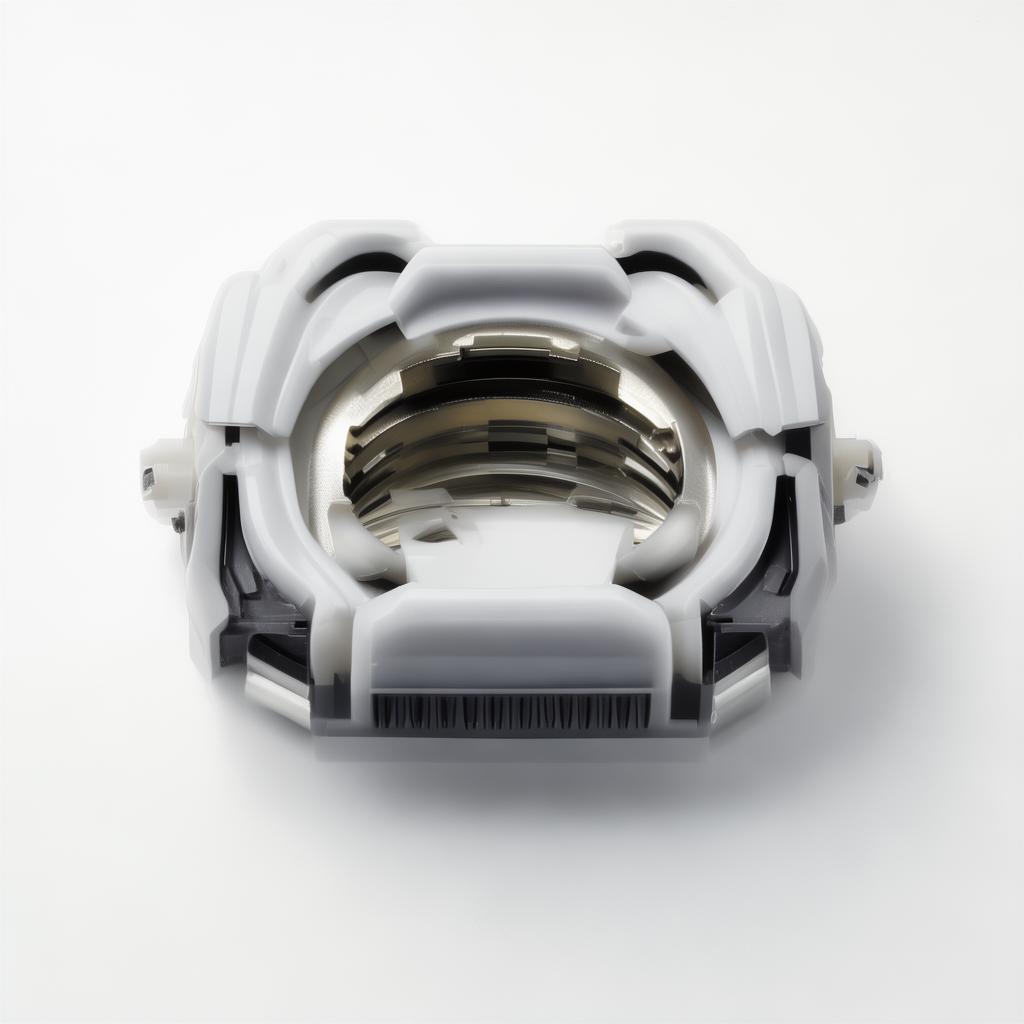
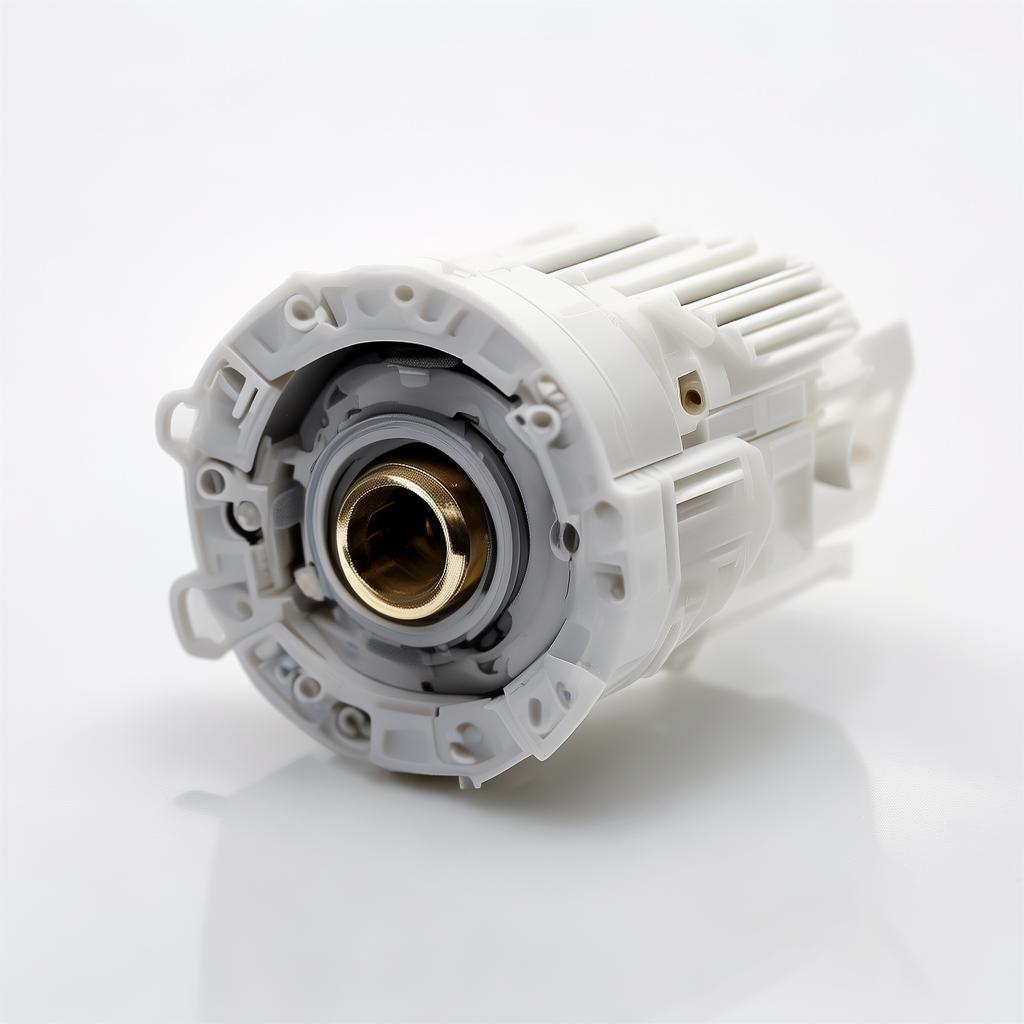
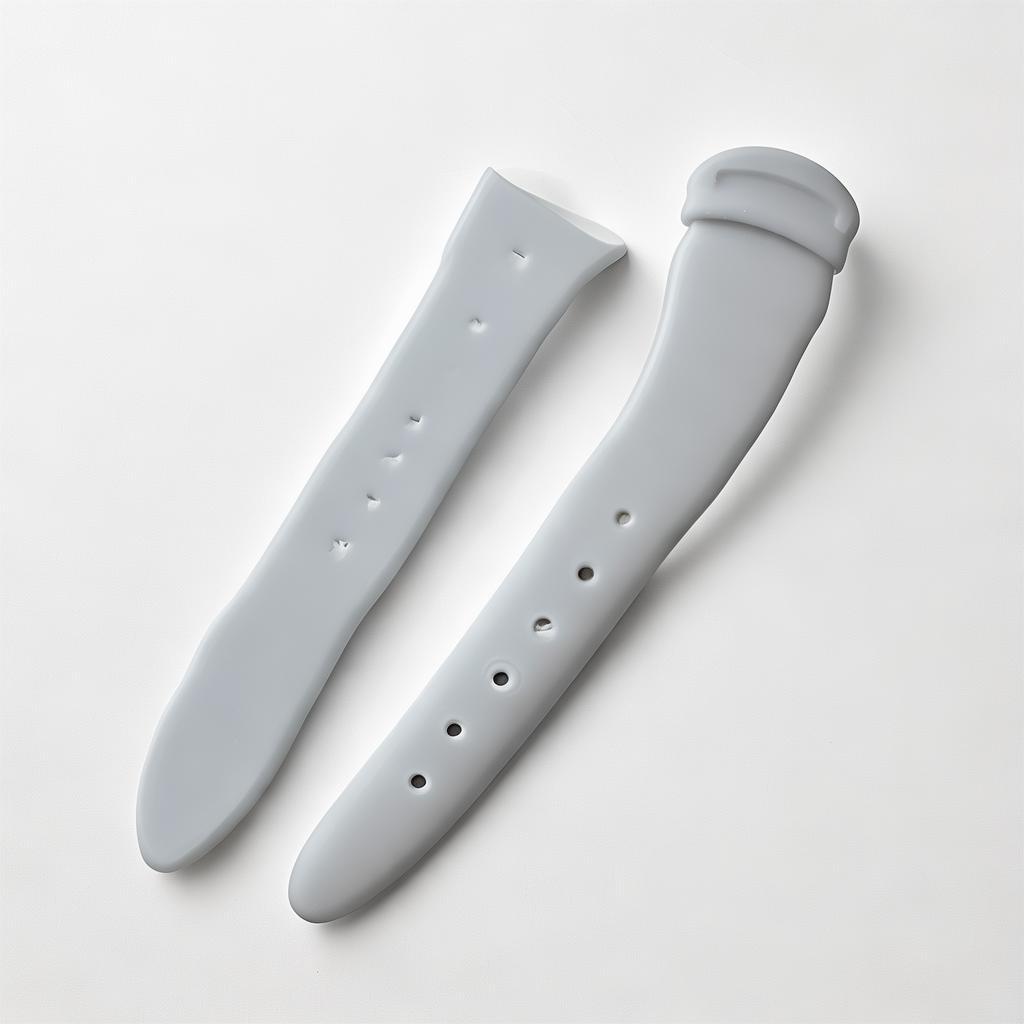
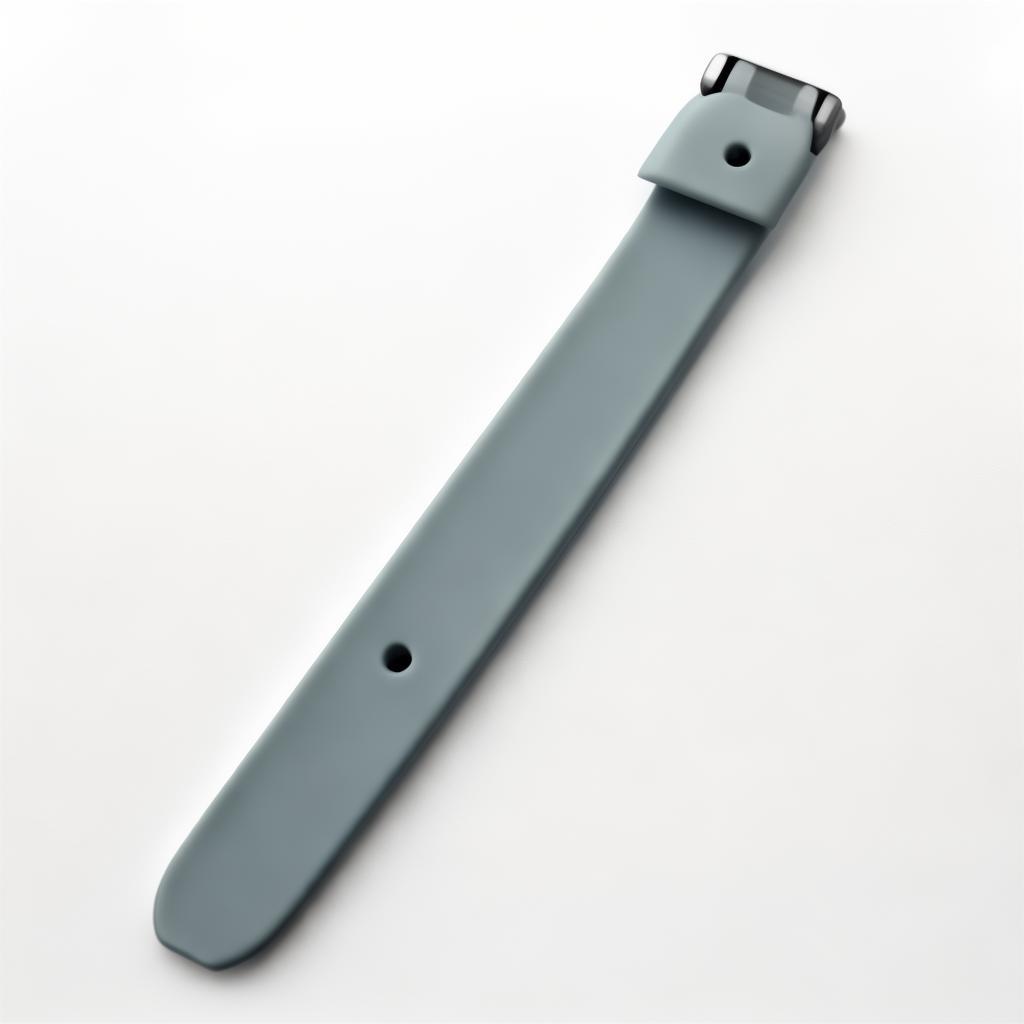
Discover high-performance silicone molds engineered for exceptional quality, long-term durability, and tailored manufacturing needs. Step beyond conventional tooling and partner with experienced industry professionals to optimize your production workflow. Liquid silicone rubber (LSR) molding
Product Details
Buy Silicone Molds – Precision Solutions for Industrial Scale Production
Discover high-performance silicone molds engineered for exceptional quality, long-term durability, and tailored manufacturing needs. Step beyond conventional tooling and partner with experienced industry professionals to optimize your production workflow.
Understanding Silicone Molds: A Critical Asset in Precision Manufacturing
Liquid silicone rubber (LSR) molding has steadily become a central manufacturing process for a wide range of industries—from automotive parts to medical devices and consumer electronics. The transition to precision injection molds made of silicone addresses demands for toughness, biocompatibility, temperature resistance, and repeatability. Yet, purchasing the right silicone molds involves far more than selecting design and size. It requires deep expertise in material science, mold engineering, production workflows, and supply chain logistics.
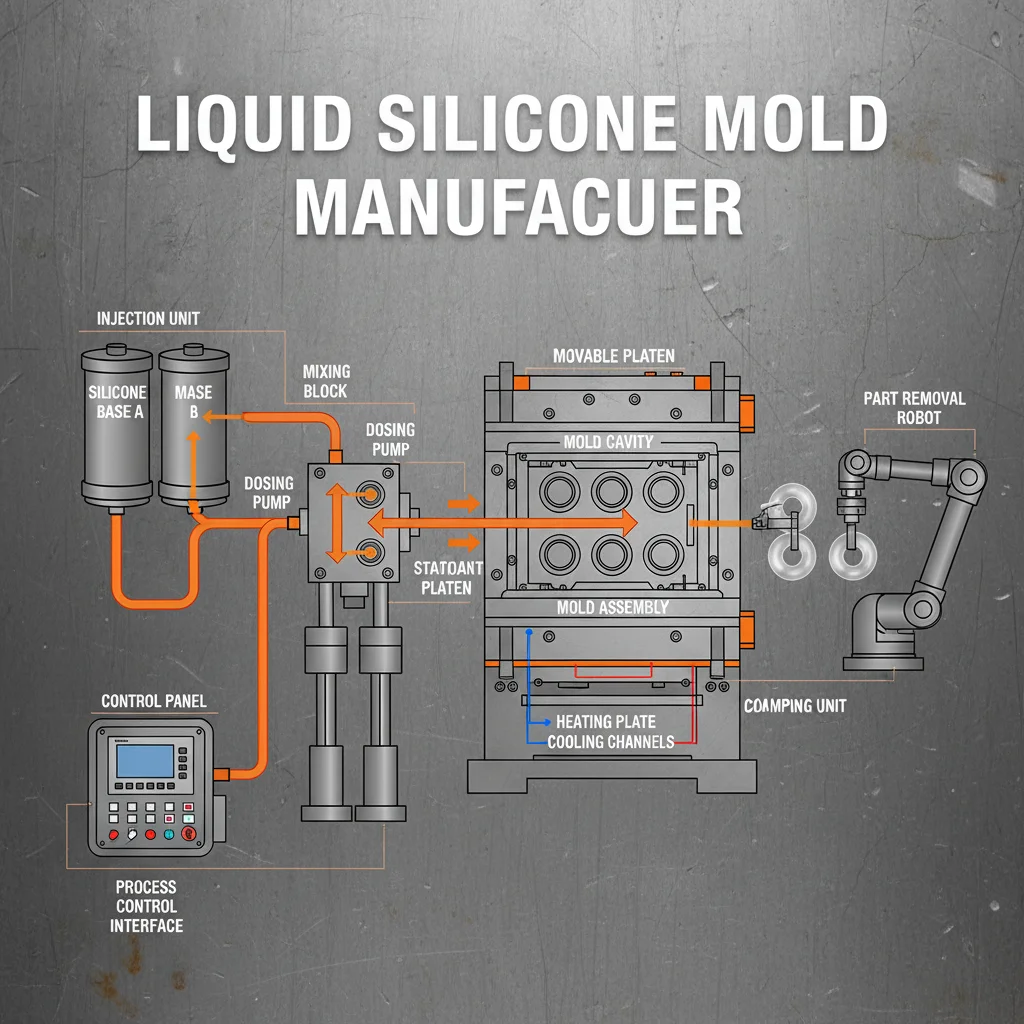
Unlike traditional plastic molds, silicone molds exhibit unique rheological and thermal properties demanding specialized tool manufacturing methods and attention to ISO quality standards (ISO 9001, ISO 13485 for medical grade). Advanced tooling, including precise steel or aluminum mold bases with integrated heating and cooling channels, ensures stable curing times and dimensional consistency. These considerations hugely impact part lifespan and assembly performance downstream.
Procurement managers should note that the upfront investment in a high-precision LSR mold is balanced by potential reductions in cycle times, defect rates, and secondary finishing costs. The increasingly competitive LSR market—projected to reach USD 7.55 billion globally by 2035, growing at ~8–9% CAGR [[Grand View Research][1], [Research Nester][2]]—reflects broad expansion across healthcare, automotive, and electronics sectors. This intensifying demand puts strain on supply chains, making manufacturer reliability and logistical transparency paramount.
Many buyers underestimate the technical risks and subtle complexity involved in scaling silicone mold procurement—from material specification matching, curing kinetics, to mold venting. Common mistakes include selecting unsuitable LSR grades unfit for injection molding workflows or neglecting mold maintenance plans that affect long-term productivity.
This comprehensive guide draws on operational experience and industry insights to simplify the complex decision matrix surrounding buying silicone molds. The goal: empower purchasing, engineering, and supply chain teams with practical knowledge, helping avoid pitfalls and make informed, cost-effective sourcing decisions.
Challenges in Silicone Mold Procurement & Industry Realities
For procurement leaders in manufacturing and wholesale export, the journey to acquiring silicone molds reveals several friction points and operational risks:
Material Compatibility & Specification Alignment: Selecting silicone grades that match product end-use environment is non-negotiable. Medical-grade LSR demands precise biocompatibility certifications; automotive seals require resistance to UV, oils, and extreme temperatures.
Tooling Quality & Technical Support: Superior mold manufacturing involves expert mold flow simulation, precision machining, and rigorous testing. Poor tooling results in inconsistent part characteristics and costly mold repairs.
Hidden Costs & Lead Times: Many first-time buyers neglect tooling complexity that drives up costs. Lead times can extend beyond 10 weeks for intricate molds with multi-cavity configurations, requiring careful production scheduling.
Logistics & Shipping Complexity: Mold weight, packaging, customs compliance, and import duties must be factored in early. Mishandling during transport may cause damage to fine mold surfaces, impacting product quality.
Supplier Reliability & Risk of Off-the-Shelf Molds: Off-the-shelf silicone molds rarely meet bespoke production demands or industry standards — risking rework and regulatory non-compliance.
These challenges require experienced collaboration with suppliers who understand OEM/ODM nuances and can tailor molding solutions integrating both prototyping and scale manufacturing considerations.
Key Advantages & Technical Specifications of Professional Silicone Molds
High Dimensional Accuracy: CNC-machined mold cavities combined with controlled LSR injection deliver tight tolerances suitable for complex geometries—ideal for sensitive medical or electronic components.
Excellent Thermal Stability: Mold materials designed to handle cyclic heating at 150–180°C without deformation guarantee consistent curing times and prevent premature wear.
Enhanced Part Surface Quality: Polished molds ensure smooth, defect-free surfaces reducing secondary finishing steps and improving aesthetic appeal.
Process Automation Compatibility: Injection molding machines synchronized with molds featuring automatic gates and valve systems enable higher throughput and lower scrap rates.
Durability & Material Resistance: Long-lasting molds support high cavity counts and produce parts resistant to chemicals, UV, and mechanical fatigue per ASTM and ISO silicone standards.
Specification
Details
Mold Base Material
High-grade steel (P20, H13) or aluminum alloy
Mold Type
Liquid Silicone Rubber Injection Mold
Max Operating Temperature
Up to 180°C
Cavity Count
Single to multi-cavity (up to 16 cavities tested)
Cooling System
Conformal cooling channels integrated for cycle time reduction
Surface Finish
Mirror finish available (Up to 0.2μm Ra)
Certifications
CE, FDA compliant molds for medical-grade components, ISO 9001 quality management systems
Operational Note: Mold maintenance, including lubrication of sliding parts and regular cavity inspections, dramatically preserves mold life extending production capacity and lowering downtime.
Silicone Mold Application Scenarios & Industry Use Cases
The versatility of silicone molds speaks to their broad applications across demanding sectors:
Automotive: Seals, gaskets, and vibration dampers—requiring silicone that endures temperature cycles, oil resistance, and UV exposure.
Medical Devices: Biocompatible tubing, seals, and wearable patches manufactured to FDA and ISO 10993 standards with ultra-clean molding conditions.
Consumer Electronics: Button covers, protective seals, flexible connectors with precise tactile properties and seamless overmolding.
Smart Wearables: Flexible housings and sensors demanding lightweight, skin-safe silicone molded to micro-tolernaces.
Household Appliances: Flexible silicone valves, lids, and gaskets, combining durability with food-grade safety certifications.
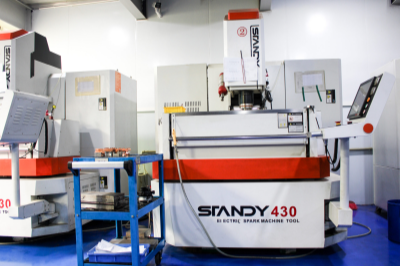
Industrial precision molding at Guangdong Yingtai High Precision Technology Co., Ltd.
Insight: Leading manufacturers increasingly employ vacuum-assisted molding techniques to mitigate internal air entrapment—critical for soft robotics and medical-grade parts where micro-defects are unacceptable [[Springer][3]].
Investing in silicone molds requires a clear strategic approach. Here are key considerations for procurement teams, supply chain directors, and technical engineers:
Define Product Requirements Early: Detailed design specs including dimensions, material grade, intended usage environment, and production volume inform mold complexity and materials needed.
Partner with Manufacturers Offering End-to-End Services: Look for factories capable of mold design, manufacturing, testing, and post-mold processing. Guangdong Yingtai High Precision offers a seamless chain—from mold development to finished parts with intellectual manufacturing systems.
Evaluate OEM/ODM Flexibility: Verify if the supplier supports customization, rapid tooling, and prototyping services. OEM/ODM collaboration reduces time-to-market and allows iterative development reflecting real-world feedback.
Check Certifications & Compliance: Ensure molds comply with necessary standards like CE, FDA, RoHS. For medical or food applications, this cannot be compromised.
Assess Logistics & After-Sales Support: Reliable communication, condition secure packaging, and spare parts availability are essential, especially for long-distance international shipments.
Never overlook the importance of sample mold testing and in-depth technical consultations before mass orders.
OEM/ODM notes: Manufacturers with advanced tooling, such as 55 liquid silicone molding machines and 80 plastic injection machines at Yingtai, can tailor molds for unique industrial applications—enabling scalable production and improved product consistency.
Logistics, Packaging & Shipping Insights for Silicone Molds
Silicone molds are precision instruments requiring special handling during transport:
Custom Crating: Shock-absorbent crates with humidity control prevent corrosion and damage during ocean freight and air shipping.
Compliance with Import Regulations: Correct HS codes and documentation avoid customs delays. Partnering with experienced exporters like Guangdong Yingtai ensures smooth clearance.
Shipping Insurance: Recommended for high-value tooling to mitigate financial risk due to transit accidents.
Lead Time Awareness: Allow 12+ weeks for complex multi-cavity molds including prototyping and quality checks.
Practically, buyers should schedule periodic production updates and consider local warehousing options when possible to shorten delivery delays.
Frequently Asked Questions (FAQ)
What is the difference between liquid silicone rubber molds and solid silicone molds?
Liquid silicone rubber molds allow injection molding with precise temperature and flow control, producing intricate and repeatable parts. Solid silicone molds are typically compression or transfer molded and used for lower volume or simpler shapes.
How long does it take to manufacture a silicone mold?
Standard lead times range from 8 to 14 weeks depending on mold complexity, cavity count, and finish requirements. Prototyping iterations may extend this timeline.
Can I order custom-designed molds for specialized silicone products?
Yes. OEM/ODM suppliers typically offer comprehensive design-to-production services including CAD modeling, mold flow simulation, and sample testing.
What certifications should I require from silicone mold manufacturers?
Look for ISO 9001 for quality management, CE certification for European market compliance, and FDA approvals for medical or food-contact applications.
How do I maintain and extend the life of silicone molds?
Routine cleaning, lubrication of moving parts, controlled cooling cycles, and timely repair of minor wear prevent early deterioration.
Customer Testimonials
Mark T. — Procurement Manager, Ohio
“Partnering with Guangdong Yingtai for our automotive LSR molds was game-changing. The technical support with mold flow simulations ensured zero defects on first shots. Lead times were transparent and shipping handled flawlessly.”
Get in Touch
If you have any camping barbeque equipment inquiry, please feel free to contact us.




 Mark T. — Procurement Manager, Ohio