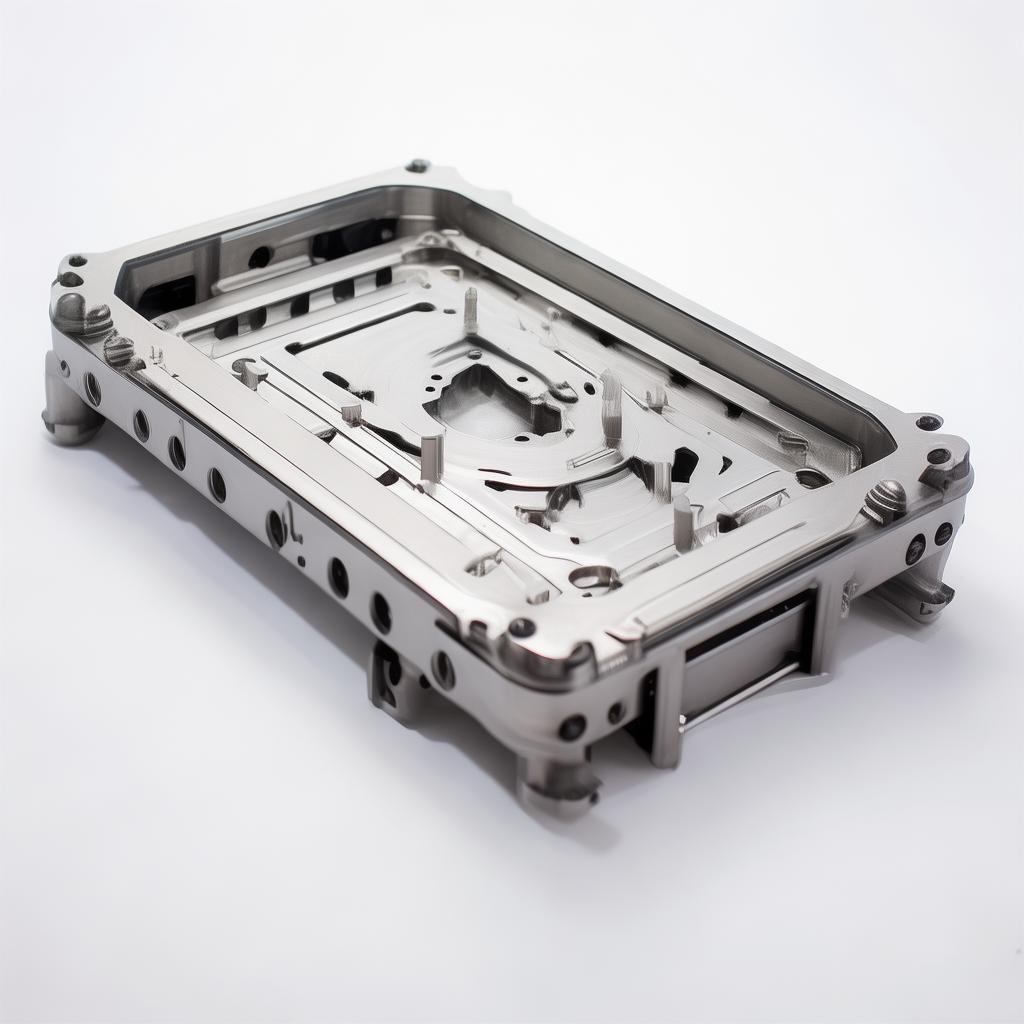
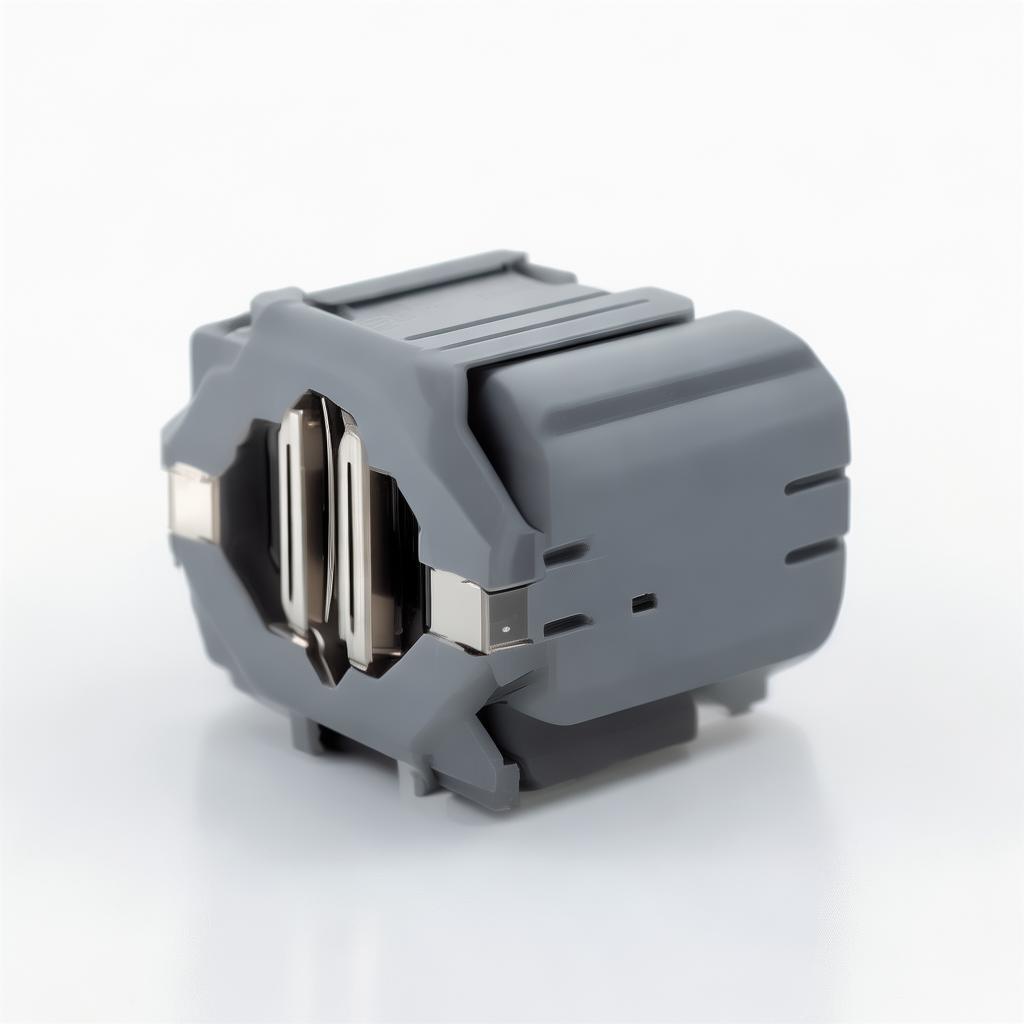
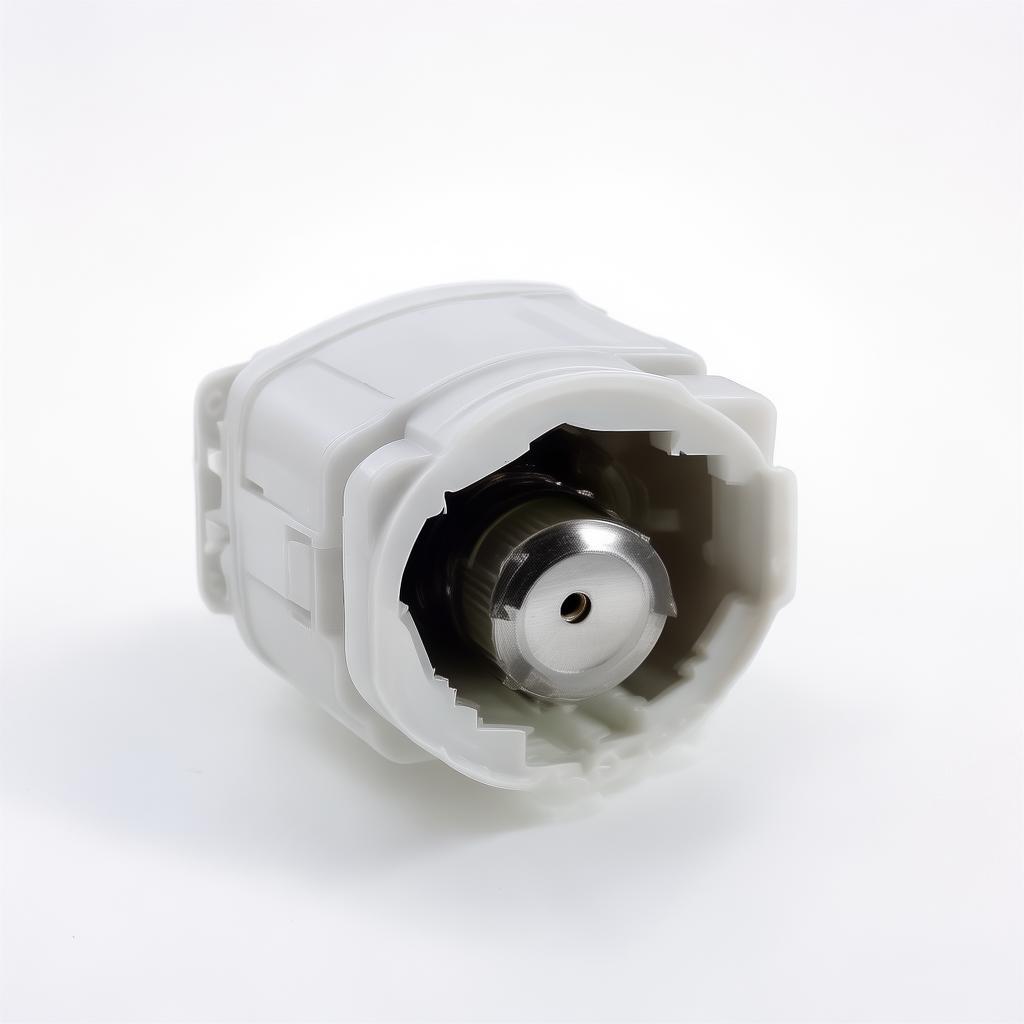
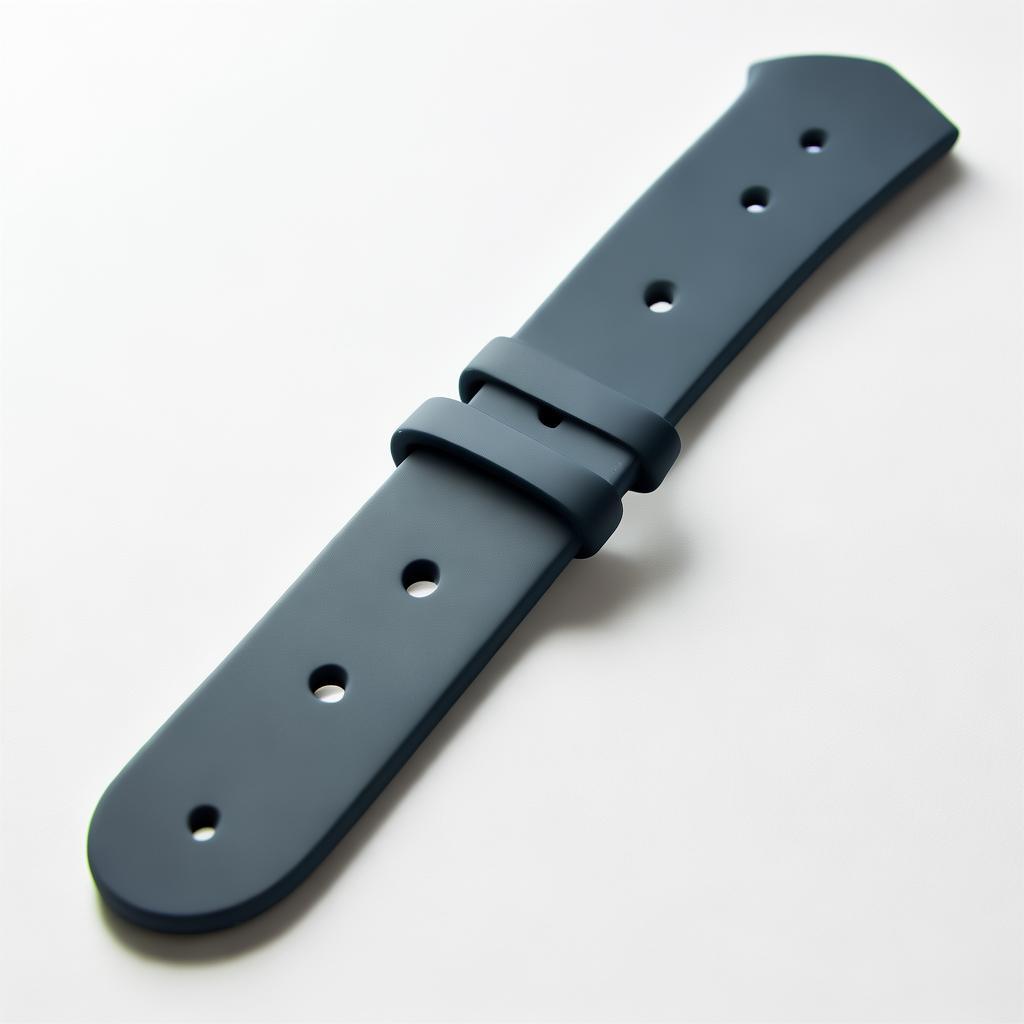
Precision-engineered, durable rubber grommets designed for industrial, automotive, and electronic cable protection When it comes to safeguarding cables in industrial and commercial environments, the choice of cable grommet rubber can make a significant difference
Product Details
Premium Cable Grommet Rubber Solutions
Precision-engineered, durable rubber grommets designed for industrial, automotive, and electronic cable protection
Introduction & Industry Context
When it comes to safeguarding cables in industrial and commercial environments, the choice of cable grommet rubber can make a significant difference in performance, longevity, and safety. These seemingly simple components often go unnoticed, but their role in securely routing cables through metal panels, plastic housings, or electrical enclosures is foundational to system reliability.
In the USA and broader English-speaking international markets, procurement managers and technical engineers face mounting pressure to source components that meet tight tolerances, comply with certifications like UL94 V-0 or RoHS, and withstand harsh conditions—whether from UV exposure, temperature extremes, or chemical contaminants.
Rubber cable grommets serve as a critical interface, reducing strain on cables, sealing against moisture ingress, and preventing abrasion or damage from sharp-edged cutouts. The surge in demand for higher quality silicone and EPDM variants reflects the industry’s shift toward materials offering enhanced elasticity, heat resistance, and dielectric properties. The global liquid silicone rubber (LSR) market is forecasted to exceed $4 billion by 2030, driven largely by such industrial applications ([GrandViewResearch](https://www.grandviewresearch.com/industry-analysis/liquid-silicone-rubber-lsr-market)).
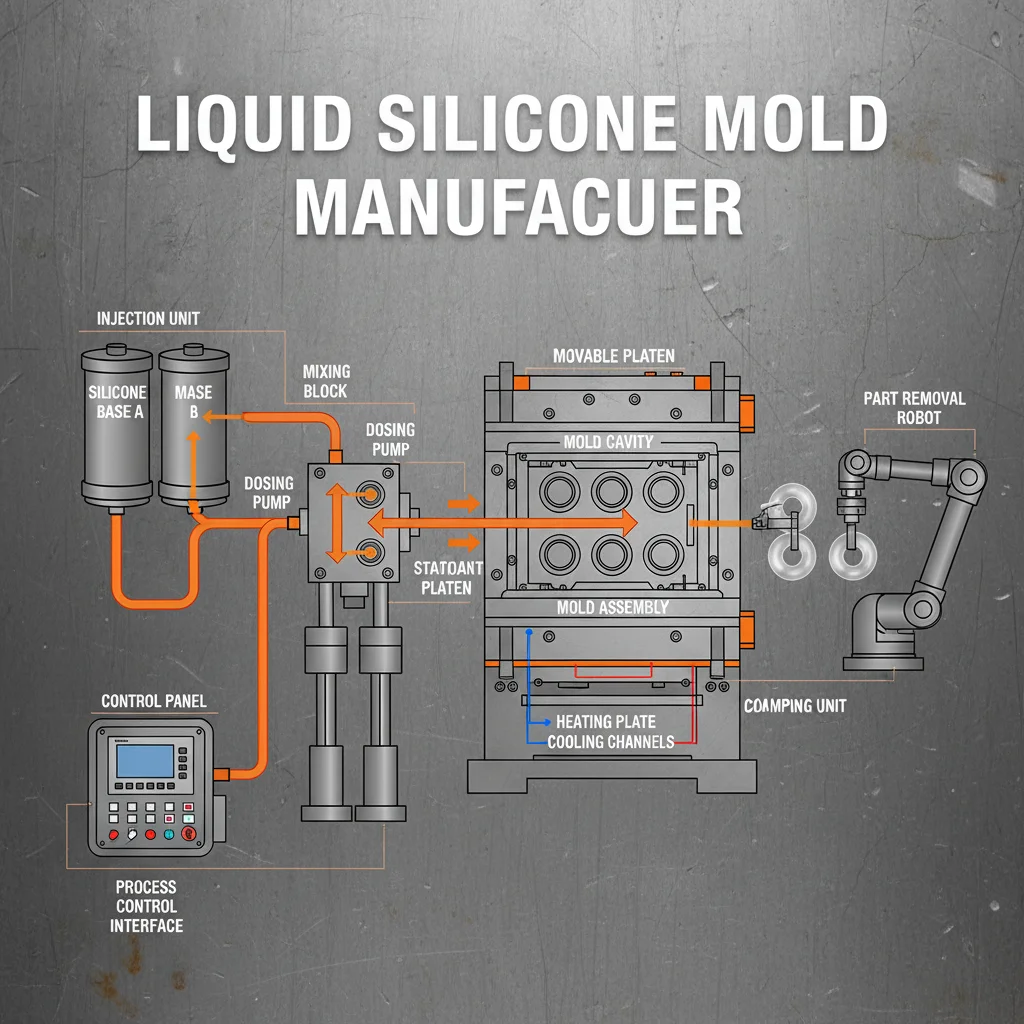
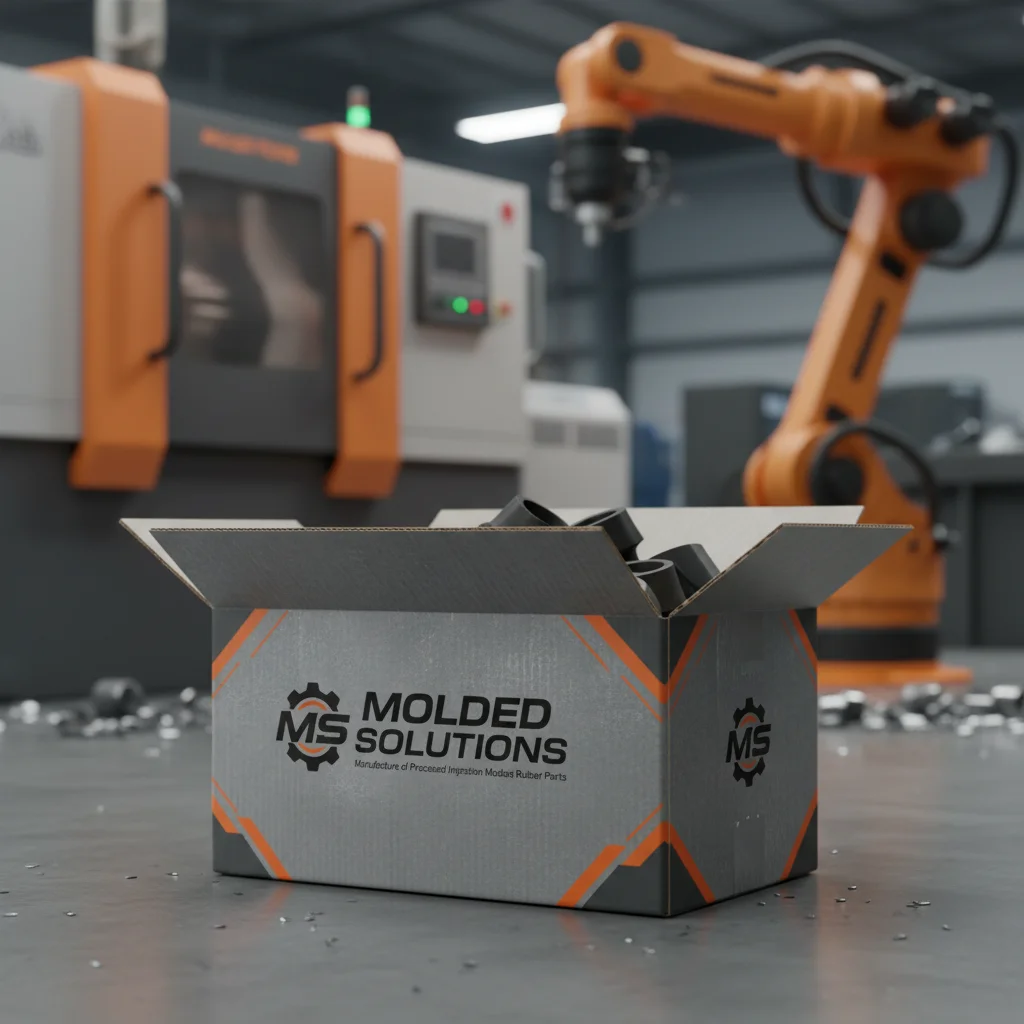
Companies like Guangdong Yingtai High Precision Technology Co., Ltd. leverage over 20 years of OEM experience, combining advanced injection molding technologies with in-house tooling capabilities to deliver custom rubber grommets with exacting dimensional control and consistency. Their factory in Dongguan includes 55 liquid silicone molding machines and a team of over 500 professionals dedicated to quality and innovation.
For buyers, this means access to cable grommet rubber solutions that integrate seamlessly with OEM/ODM projects, support rigorous performance standards, and enable shorter lead times — without compromising on material integrity.
In real-world procurement scenarios, time and cost pressures coexist with stringent quality requirements. Selecting grommets molded from premium LSR or weather-resistant EPDM can enhance cable longevity by reducing failure points under vibration or thermal cycling. Yet, without technical supplier guidance, risk of mis-specified hardness, compound formulation, or insufficient certification often leads to costly product rejections or premature recalls.
Vendor transparency, material traceability, and production expertise become invaluable. This article shares experienced insights into cable grommet rubber manufacturing, operational challenges, and sourcing strategies to empower purchasing professionals and engineers in making informed decisions for industrial-grade cable protection.
Common Industry Challenges
It’s no secret: cable grommets often suffer from overlooked technical and supply chain issues. Here are several operational pain points that frequently trip up procurement teams:
Material Inconsistency: Variations in hardness or swelling properties caused by different rubber compounds can compromise sealing and durability, particularly when moving from prototypes to high-volume production.
Insufficient Certification: Some suppliers fail to provide reliable UL 50, CE, or RoHS documentation, risking regulatory non-compliance on large-scale projects.
Lead Time Delays: Complex mold tooling or overseas shipping bottlenecks often push delivery beyond initial estimates, affecting project timelines.
Installation Difficulties: Poor design or wrong grommet sizing can make cable feeding cumbersome, increasing labor costs on assembly lines and field service visits.
Environmental Resistance Shortcomings: Inadequate UV, oil, or chemical resistance may cause premature degradation when deployed in automotive engine compartments or outdoor equipment.
Supplier Communication Gaps: Lack of engineering support or limited OEM customization options hinders adapting grommet designs to unique system requirements.
These issues highlight why robust factory capabilities and proven quality management systems, as well as supplier partnerships with transparent lead-time projections, are indispensable in mitigating risk.
Cable Grommet Rubber Advantages
High-performance cable grommet rubbers are engineered to solve the pain points detailed above. Choosing the right material and manufacturing process leads to noticeable operational improvements:
Enhanced Cable Protection: Soft yet durable LSR compounds cushion cables against mechanical abrasion and cutout edges while maintaining elasticity over extended periods.
Superior Environmental Resistance: Materials like platinum-cured silicone resist UV exposure, extreme temperatures (-60°C to 230°C), oil, and chemicals — ideal for automotive and outdoor industrial usage.
Waterproof Sealing: Precision-molded rubber grommets provide reliable ingress protection (up to IP67-rated environments), critical for electrical enclosures and smart devices.
Customization & OEM Compatibility: Ability to tailor hardness, color, hardness shore, and inner diameter to match specific cable dimensions and installation requirements. This flexibility supports custom molded sealing assemblies.
Fire and Safety Compliance: Compliance with UL94-V0 or similar flame retardancy standards provides peace of mind in electrical and automotive applications.
Rapid & Consistent Production: State-of-the-art injection molding systems facilitate repeatable quality with minimal flash, ensuring batch-to-batch uniformity and reduced post-processing.
These advantages culminate in lower maintenance costs, fewer operational disruptions, and improved overall system reliability, crucial for procurement leaders balancing ROI with product safety.
Technical Specifications & Materials
Knowing the key technical parameters behind cable grommet rubber components helps procurement professionals set realistic expectations and refine supplier quotes.
Parameter
Typical Range
Notes
Material
Liquid Silicone Rubber (LSR), EPDM, Neoprene
LSR preferred for biocompatibility, heat resistance; EPDM suited for outdoor use
Hardness (Shore A)
40 – 70
Depends on flexibility and grip needed
Operating Temperature
-60°C to 230°C (LSR)
LSR maintains physical properties over wide temperature ranges
Chemical Resistance
Oil, fuels, UV, ozone
Critical for automotive and outdoor electrical applications
Dimensional Tolerance
±0.1 mm or better
Dependent on mold quality and molding process
Certifications
UL, RoHS, CE
Assures compliance with safety and environmental standards
The manufacturing process predominantly involves precision liquid injection molding (LIM), favored for intricate shapes and seamless surfaces. Advanced tooling and rheological data integration have significantly improved dimensional accuracy and reduced cycle times, as detailed in recent studies ([MDPI Paper][1]).
Applications & Installation Insights
Cable grommet rubber finds diverse applications across multiple industrial segments including:
Automotive Manufacturing: Wiring harness protection in engine bays, door seals, and dashboard cable passages, where heat and vibration resistance are essential.
Consumer Electronics: Protective gland seals for cables powering devices like smart home appliances and audio equipment.
Industrial Machinery: High-performance grommets in control panels and power distribution units safeguarding cables from abrasion and ingress of dust or liquids.
Renewable Energy: Seals for solar panel junction boxes and electric vehicle charging stations benefiting from weatherproof and UV-resistant rubber compounds.
From an installation perspective, engineers appreciate grommets designed for easy snap-in mounting or push-through styles that minimize tooling investments on field assembly jigs.
Operational note: Installation success depends not just on correct sizing but also on choosing rubber hardness and surface finishes compatible with cable jacketing to avoid slippage or damage — a sometimes underestimated factor impacting long-term reliability.
Procurement & Supplier Evaluation
Selecting a trustworthy cable grommet rubber supplier involves multi-faceted evaluation criteria beyond just unit cost. Here are practical considerations for sourcing professionals:
In-House Mold Development: Suppliers with robust mold design and manufacturing capacities can accommodate rapid tooling changes and custom profiles with shorter lead times.
Material Traceability: Certification records and batch traceability ensure consistent quality and support regulatory audits.
Production Scale & Equipment: Verify availability of modern injection molding machinery (e.g., tie bar-less LSR machines) to guarantee repeatability on large orders.
Engineering Collaboration: Engage suppliers offering technical consultation on compound selection, hardness specification, and installation factors.
Logistics Capabilities: Assess container loading efficiency, shipment reliability, and export export documentation support especially for cross-border B2B deals.
Risk Mitigation Policies: Look for clear agreements on warranty, defect management, and regular quality audits.
Guangdong Yingtai High Precision Technology Co., Ltd. exemplifies these traits, focusing on intellectual manufacturing systems from mold design to finished products. Their blend of technical expertise, comprehensive machinery assets, and 20+ years’ export experience results in trackable lead times and fewer supply chain interruptions.
When evaluating suppliers, request detailed product specs, ask for material datasheets, and where possible, order free or paid samples prior to large purchase commitments to validate fit and performance.
Frequently Asked Questions
Q: What is the typical lead time for cable grommet rubber production?
Lead time usually ranges from 3 to 6 weeks depending on tooling complexity, order quantity, and material availability. Suppliers with in-house mold shops tend to offer faster turnarounds.
Q: Can cable grommets be custom designed for unique cable diameters?
Absolutely. OEM/ODM suppliers typically work closely with purchasers to create custom grommets tailored to specific cable sizes and installation requirements.
Q: How do I know which rubber material is best for my application?
Consult your engineering contacts to assess environmental factors such as temperature, UV exposure, moisture, and chemical contact. LSR is highly versatile, but EPDM or Neoprene may be preferable in certain outdoor or oil-exposed conditions.
Q: What certifications should I look for?
CE, RoHS, UL94-V0 fire safety, and ISO 9001 quality management certification are standard markers of reliable manufacturing and regulatory compliance.
Q: How can I reduce installation issues?
Ensure proper grommet sizing, verify compatibility with cable jacket materials, and request engineering support for fit testing. Snap-fit designs generally reduce labor costs on OEM assembly lines.
Customer Reviews
Melissa T., Procurement Manager, Texas
“We switched to Yingtai's cable grommet rubber last year after several failed batches from previous suppliers. Their technical advice on selecting the correct silicone hardness prevented costly fitment issues. Delivery was reliable, and the grommets withstand our automotive test cycles without degradation.”
Get in Touch
If you have any camping barbeque equipment inquiry, please feel free to contact us.



 Melissa T., Procurement Manager, Texas