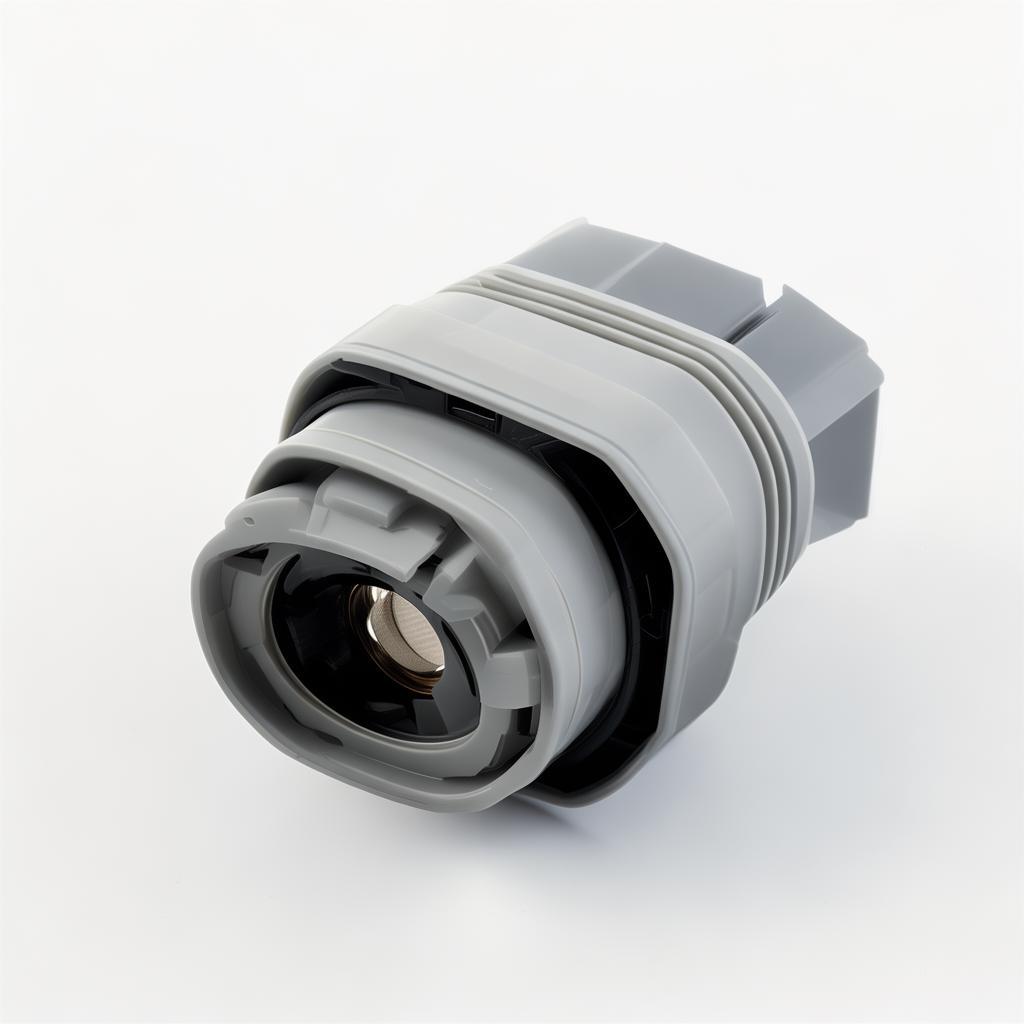
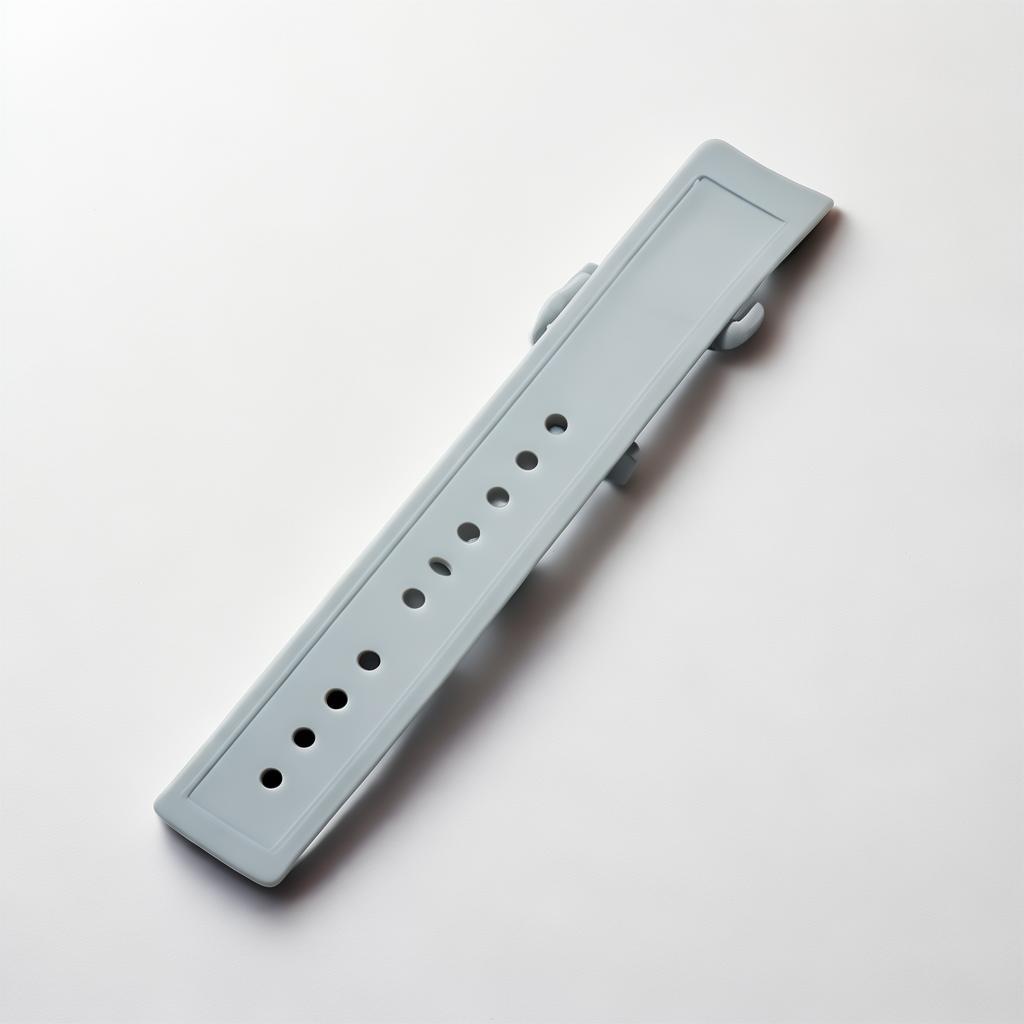
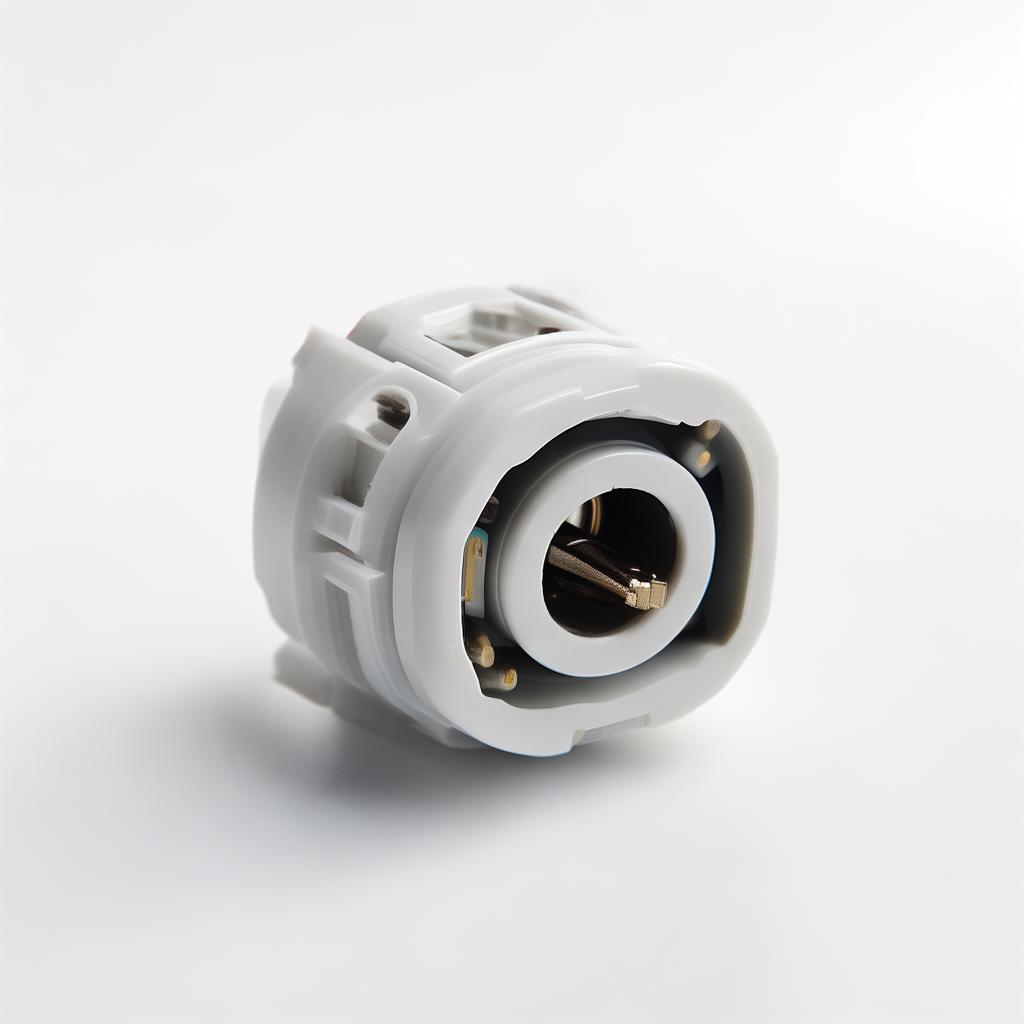
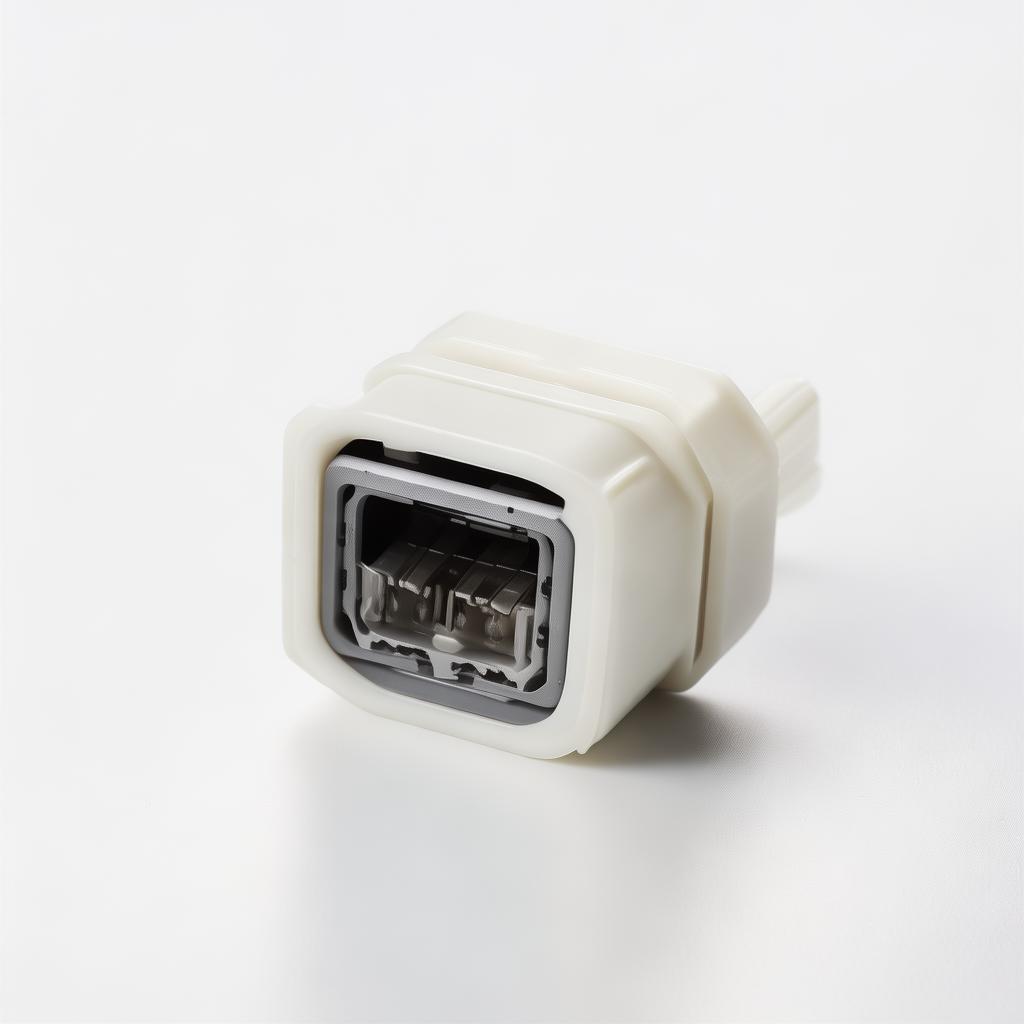
Expertly engineered silicone protection for camera devices, designed for durability, precision fit, and operational resilience in demanding industrial and commercial environments. The global liquid silicone rubber (LSR) market is experiencing vigorous growth, projected to
Product Details
Premium Camera Silicone Cover Solutions
Expertly engineered silicone protection for camera devices, designed for durability, precision fit, and operational resilience in demanding industrial and commercial environments.
Current Market Trends & Industry Context
The global liquid silicone rubber (LSR) market is experiencing vigorous growth, projected to nearly double its market size by 2030 according to Grand View Research. This rise is intrinsically tied to increased demand for precision molded products in electronics, automotive, and consumer devices.
Silicone-based covers for camera modules have evolved from simple protective skins into critical components offering environmental sealing, impact dampening, and ergonomic handling enhancements. Android phones, surveillance systems, and professional DSLR manufacturers alike require camera silicone covers that meet stringent standards of thermal stability, UV resistance, and chemical inertness, helping protect delicate optic lenses under harsh operating conditions.
Suppliers face increasing pressure from procurement teams for customizable, reliable products that integrate seamlessly with various camera models using OEM-grade molds compliant with ISO 9001 and CE certification standards. Manufacturers leveraging advanced liquid injection molding techniques with overmold technology are positioned to satisfy these rising expectations.
Technical Overview of Camera Silicone Covers
Camera silicone covers are typically produced using liquid silicone rubber (LSR) injection molding, a process offering precise dimensional control, rapid cycle times, and excellent mechanical properties. Our covers utilize a proprietary medical-grade LSR compound, engineered for optimal elasticity combined with longevity.
From a material science perspective, LSR offers several advantages:
Heat resistance: Sustains properties at temperatures up to 230°C without degradation.
UV and Ozone protection: Prevents brittleness and discoloration, crucial for outdoor camera use.
Biocompatibility: Safe for consumer electronics and wearable devices.
Waterproof sealing: Enables IP67 and IP68-rated protection for sensitive optical components.
Compatibility: Designed to maintain optical clarity and not interfere with camera sensors or flash functions.
Our manufacturing process integrates advanced CAE simulation and CAE-material characterization, facilitating highly accurate mold filling predictions and minimizing defects like bubbles or warpage, per findings from MDPI Polymer studies [1]. This ensures we consistently deliver parts that meet tight tolerances and functional demands.
Understanding diverse use cases is crucial for procurement managers aiming for compatibility, longevity, and ease of installation.
Consumer Electronics: Smartphones, tablets, and cameras benefit from lightweight, scratch-resistant camera silicone covers helping prevent damage during daily use.
Industrial Cameras: Security surveillance and inspection cameras exposed to dust, moisture, and vibration fields rely on silicone covers for enhanced durability and sealing.
Outdoor & Wearables: Hiking cameras, drones, and wearable glasses require covers with excellent UV and water resistance for prolonged field operation.
OEM Integration: Customized OEM/ODM camera silicone covers that match unique device geometries improve ergonomic handling and aesthetic consistency.
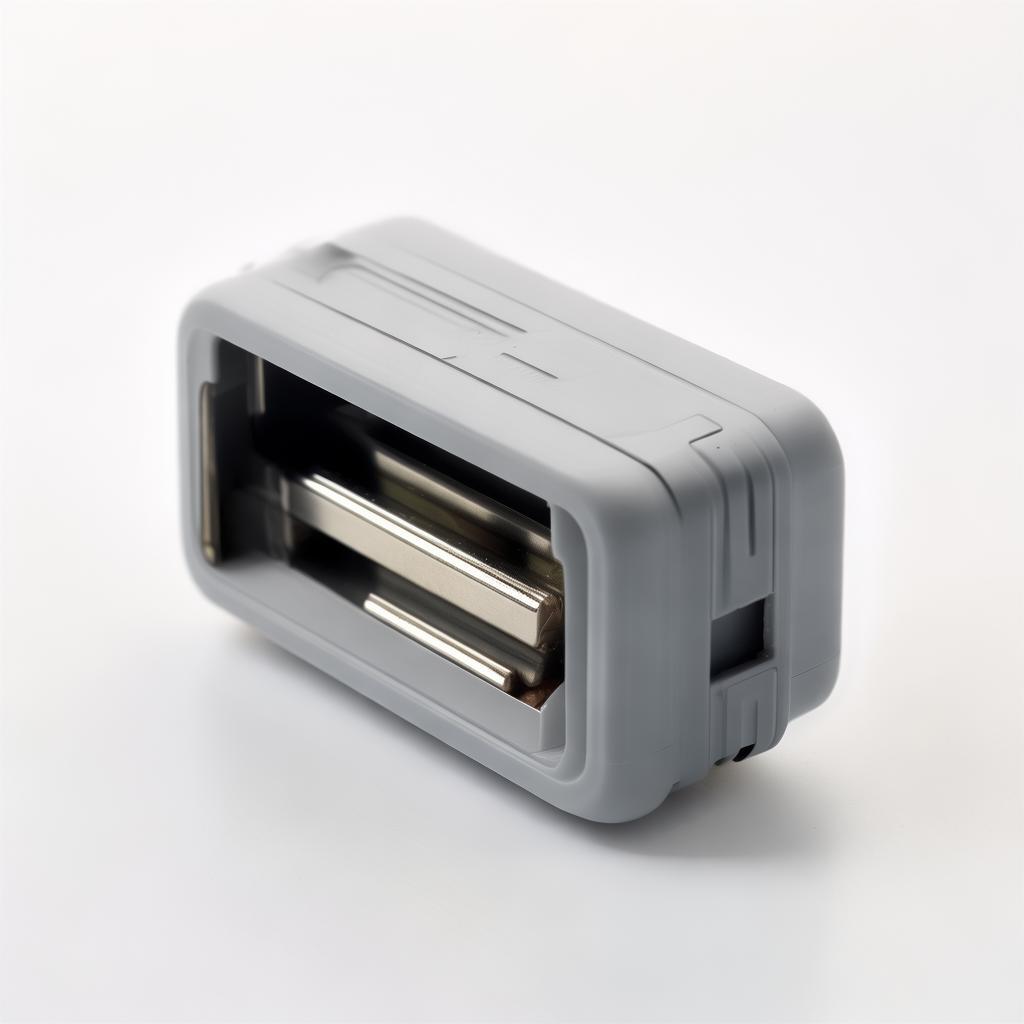
Precision injection molding ensures tight tolerances and consistent cover performance
Installation considerations include ensuring snug fit around camera lenses and sensors while preserving optical clarity and flash functions. Silicone’s inherent flexibility allows covers to conform well to complex surface contours without sagging or detachment. Yet, improper installation can cause light reflection issues or sensor obstruction. It's advisable to work with experienced suppliers who provide installation guides and sample approvals.
Procurement Guidance for Buyers
Acquisition of camera silicone covers often involves challenges balancing cost efficiency, mechanical performance, and supplier reliability. Here are key considerations for procurement professionals:
Material Grade & Certification: Confirm the silicone compound meets required industry certifications such as FDA for biocompatibility or RoHS compliance when applicable.
OEM/ODM Services: Look for factories offering mold design customization, multiple shot molding, and variable hardness options that align with your product’s ergonomic needs.
Lead Times: Typical production cycle runs from 15 to 30 days depending on complexity; advanced suppliers utilize CAE tooling simulations to reduce risk of mold trial errors.
Sampling & Testing: Request physical samples and third-party lab test reports for mechanical durability, aging resistance, and color fastness before bulk orders.
Logistics & Packaging: Full-container load optimization and careful packaging are essential to prevent deformation during long-haul shipping, especially for large-volume orders.
Beware of overly cheap offerings that cut corners on mold quality or use substandard raw materials—these often result in inconsistent part dimensions and poor durability, increasing total cost of ownership.
Factory Capabilities & Certifications
Guangdong Yingtai High Precision Technology Co., Ltd., based in Dongguan’s renowned manufacturing hub, operates a large-scale industrial park spanning 35,000m2. We specialize in LSR injection molding, advanced overmolding, and precision mold processing.
Equipped with:
55 liquid silicone molding machines
80 automatic plastic injection molding presses
20 solid silicone hydraulic presses
30+ precision mold processing units
20+ advanced testing instruments including tensile and aging apparatus
Our factory emphasizes:
Strict adherence to ISO 9001 quality management
CE and RoHS certifications on final products
Whole chain intellectual manufacturing from mold design to finished product
Strong export operations servicing North America, Europe, and Asia-Pacific markets
Dedicated engineering support to optimize LSR formulations and process parameters
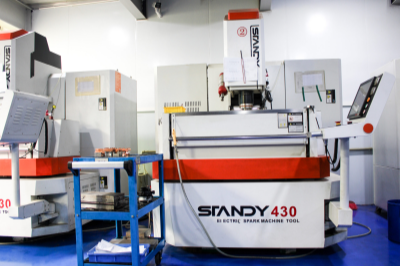
Guangdong Yingtai High Precision Technology's advanced manufacturing infrastructure
Partnering with Yingtai means engaging a supplier capable of scalable volume production, custom OEM solutions, and commitment to continuous improvement evidenced by participation in global industrial forums and ongoing R&D.
Frequently Asked Questions
What distinguishes liquid silicone rubber (LSR) camera covers from solid silicone options?
LSR offers superior processability with injection molding allowing for intricate shapes, tighter tolerances, and faster production cycles. Solid silicone typically involves compression molding, posing limitations on design complexity and higher labor costs.
Are these silicone covers compatible with camera flash and sensors?
Yes, our materials maintain excellent transparency where necessary and can be formulated to minimize light reflection or distortion, ensuring camera flash and sensors operate optimally.
What is the typical lifespan of a silicone camera cover in outdoor use?
Under conditions involving direct sunlight, temperature swings, and physical handling, our covers maintain functional integrity generally beyond 3-5 years, depending on environmental severity and use frequency.
Can custom colors and logos be integrated into production runs?
Absolutely. We offer OEM/ODM customization including precise color matching, logo embossing or debossing, and packaging solutions tailored to client branding requirements.
What packaging and shipping options are available for bulk orders?
We optimize packaging to prevent deformation and include options for bulk-packed pallets or packed-in-container packaging per client logistics preferences. Our shipping team provides detailed container loading plans to maximize space and minimize transit damage.
Customer Reviews
Emma J., Procurement Manager, Seattle
“We switched to Yingtai’s camera silicone covers after facing repeated issues with overseas suppliers. The durability and fit precision are a noticeable improvement. Installation time has dropped by nearly 20%. The sample approval process was straightforward and transparent.”
Get in Touch
If you have any camping barbeque equipment inquiry, please feel free to contact us.