When durability, dimensional accuracy, and cost-efficiency matter most, carbon steel CNC machined parts deliver dependable performance across diverse industrial sectors. From automotive chassis components to heavy machinery fittings, these parts remain a procurement favorite
When durability, dimensional accuracy, and cost-efficiency matter most, carbon steel CNC machined parts deliver dependable performance across diverse industrial sectors. From automotive chassis components to heavy machinery fittings, these parts remain a procurement favorite for global buyers navigating complex supply chains.
Understanding Industry Pain Points & Procurement Risks
Across sectors ranging from heavy equipment manufacturing to oil & gas industries, sourcing carbon steel CNC machined parts often presents multifaceted challenges. Buyers regularly report issues with inconsistent tolerances, delayed deliveries, and subpar material traceability.
A prominent operational risk lies in accepting parts without verified chemical composition or hardness verification, which can cause premature wear or failure in demanding applications. In addition, some suppliers may underestimate the complexity of machining carbon steel grades like ASTM A105 or AISI 1045, leading to surface defects or improper heat treatment.
Delayed lead times: Misalignment between manufacturing schedules delays project progress.
Material variability: Untested metal batches compromise mechanical performance, raising warranty risks.
Quality control gaps: Incomplete inspections often miss burrs, dimensional drifts, or hardness deviations.
A procurement specialist strongly cautions: “Always verify steel certifications such as EN 10025 or ASTM, and check heat treatment reports before approving the first batch.” Notable delays in installation stem from reworks caused by ignoring these flag points.
Technical Overview of Carbon Steel CNC Machining
CNC machining of carbon steel blends precision engineering with material science to produce components with complex geometries and tight tolerances reliably repeatable in volume. Carbon steel’s machinability varies depending on carbon content, requiring adjusted tool wear monitoring and cutting parameters.
Common grades like AISI 1045 or 1018 require specific cutting fluids and speeds to optimize surface finish without compromising machinability. Heat treatment processes further refine properties such as yield strength and hardness post-machining, essential for high-stress parts.
Rough machining: Removing bulk material with durable carbide tooling.
Finish machining: Achieving final dimension and surface quality, commonly Ra < 1.6 µm.
Heat treating & inspection: Hardness testing per ASTM E18 and dimensional QC via CMM.
Such meticulous steps support compliance with industrial standards like ISO 9001 and ensure production stability.
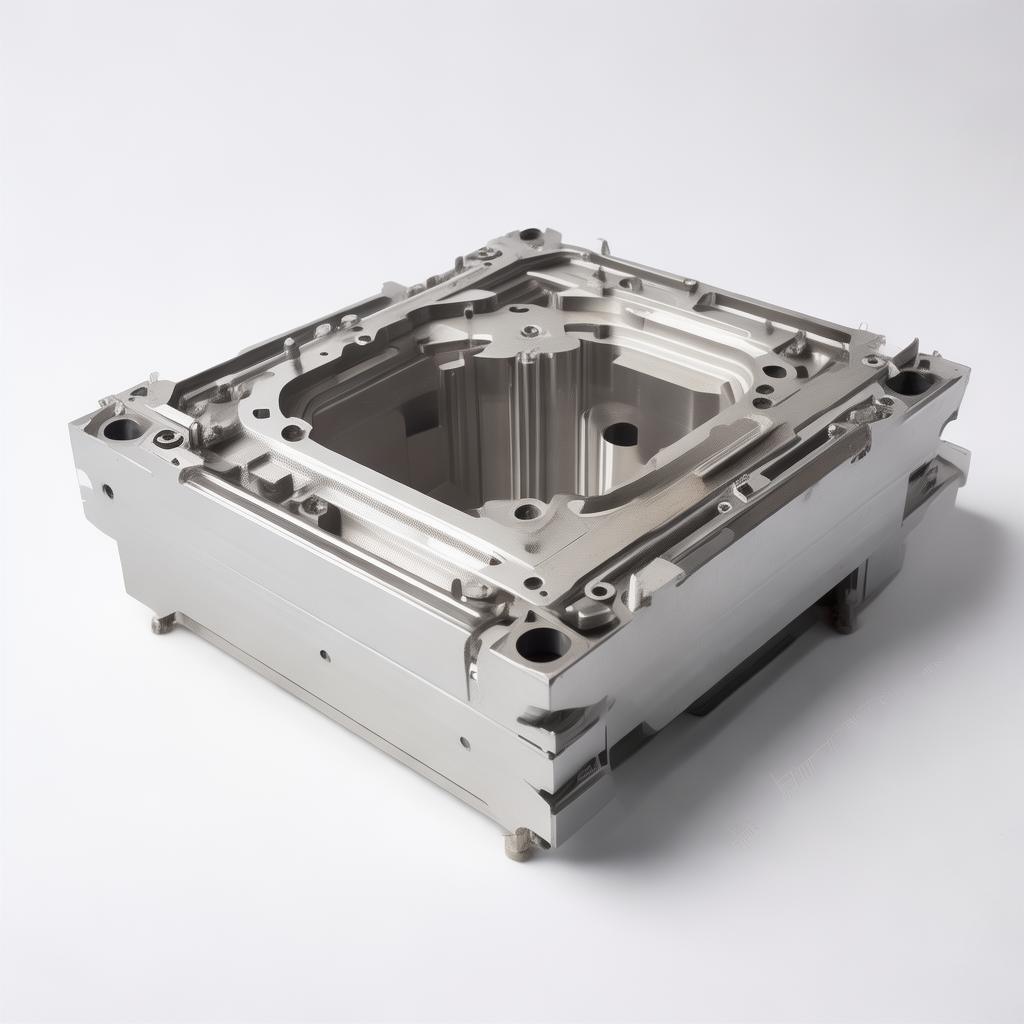
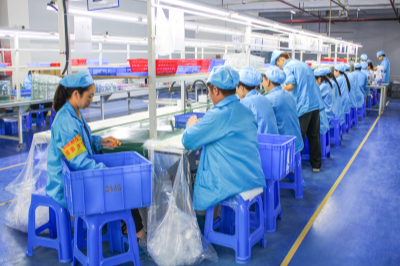
Precision CNC machining at Guangdong Yingtai’s Dongguan plant
Key Advantages of CNC Machined Carbon Steel Parts
Buyers lean on carbon steel CNC machined parts largely because they represent a balanced combination of strength, cost-effectiveness, and manufacturability. Let's unpack the main benefits:
Superior mechanical strength: Carbon steel’s microstructure allows high tensile and yield strength, ideal for structural components.
Excellent machinability: Adaptable to a wide range of cutting techniques while maintaining tool longevity.
Cost-efficient sourcing: Compared to stainless or alloy steels, carbon steel reduces material expenses without compromising necessary performance.
Customizable properties: Heat treatment options for hardening or stress relief can be tailored to end-use.
Wide availability: Global supply chain readiness enhances lead-time predictability.
Operational note: Proper tooling selection and coolant management directly influence surface integrity and dimensional stability in high-volume runs. Overlooking this can cause premature maintenance headaches.
Applications & Material Comparisons in Real-World Scenarios
The adaptability of carbon steel CNC machined parts extends into challenging operational environments:
Automotive: Drive shafts, gears, brackets, and chassis mounts.
Oil & Gas: Pipe fittings, valves, and structural framing intolerant to wear.
Manufacturing Equipment: Bearing housings, clamps, and custom tooling.
Heavy Machinery: Components with high fatigue resistance needs.
When compared to alternative materials, carbon steel is often preferred for its mechanical resilience and cost-to-performance ratio, but it requires corrosion protection if exposed to moisture or chemicals. This often takes the form of galvanization, painting, or powder coating.
For select environments (such as marine or high-acidity situations), stainless steel or alloy steels might edge out carbon steel — but this comes with price premiums and longer machining cycles.
Practical advice:
Collaborate with your supplier’s technical engineering team early to balance
material grade selection, machining parameters, and post-processing treatments tailored to your target application.
Yingtai Factory's Expertise & Certifications
Guangdong Yingtai High Precision Technology Co., Ltd., located in Dongguan’s industrial hub, integrates advanced machining and quality management systems under one roof. Our 35,000 sqm modern park with over 30 CNC machining centers specializes in carbon steel components to exacting standards.
Quality Systems: Certified to ISO 9001, with in-house metallurgical testing and CMM inspection.
Materials Expertise: Extensive experience with ASTM A29, EN 10025, and AISI 10xx/ 15xx series steels.
OEM/ODM Flexibility: Scalable production from prototypes to high-volume orders with quick turnaround.
Our integrated digital workflow minimizes defects and optimizes lead time, supporting just-in-time deliveries for buyers in North America and Europe.
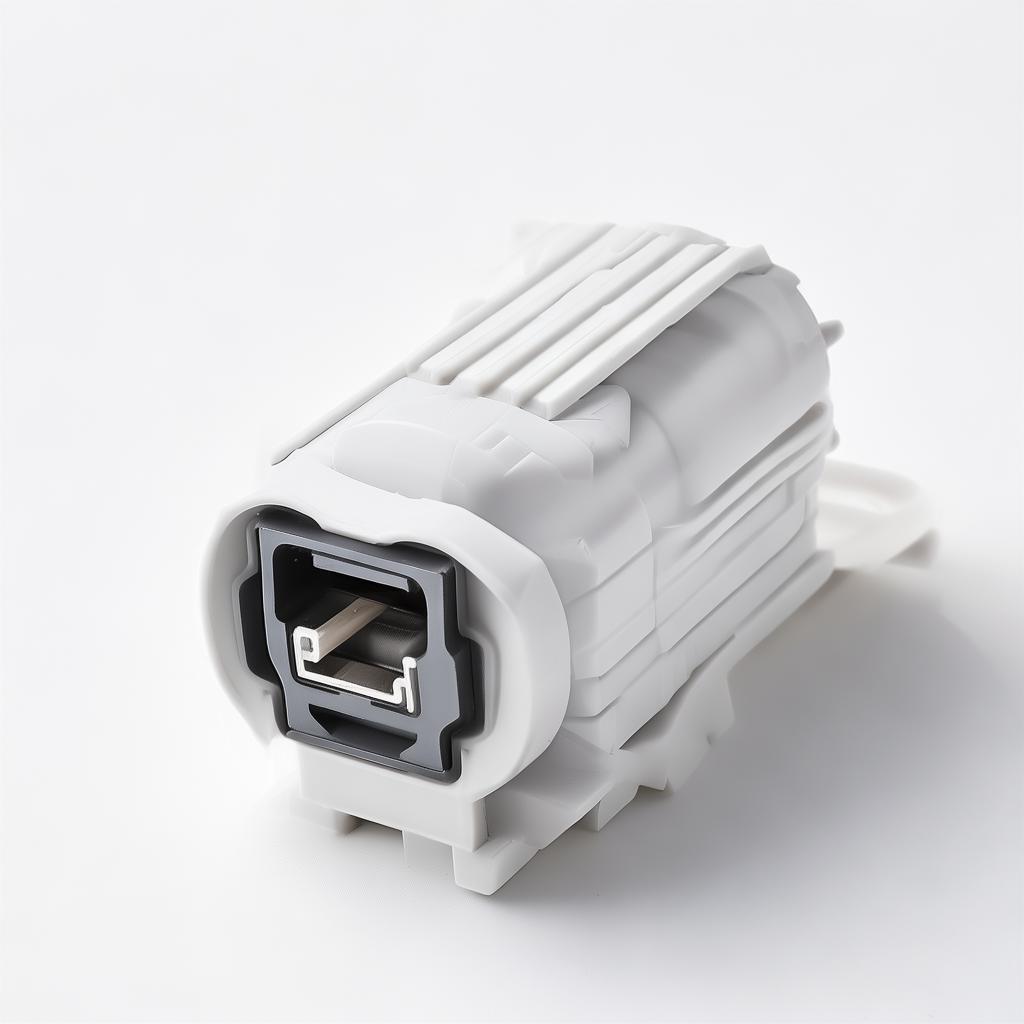
Yingtai’s CNC machining center specializing in carbon steel parts
Procurement Guidance & How to Evaluate Suppliers
Selecting the right supplier for CNC machined carbon steel parts requires scrutinizing beyond price tags. Here are critical criteria buyers should apply:
Material Certification & Traceability: Ask for Mill Test Reports (MTRs), and verify heat treatment logs tied to lot numbers.
Precision & Quality Control: Confirm use of Coordinate Measuring Machines (CMM) and adherence to tolerances outlined in ASME Y14.5.
Manufacturing Capabilities: Check CNC machine types, tooling options, and volume capacity to match your order size.
Lead Time & Logistics: Understand the typical lead times and capacity for urgent orders; request detailed shipping plans aligned to container loading standards.
Communication & Support: Efficient, transparent dialogues with engineering and export teams greatly reduce misalignments.
Beware of suppliers lacking testing infrastructure or unwilling to share process details — these omissions often foreshadow headaches down the line.
Pro Tip: Maintain a small qualified suppliers list and perform periodic audits remotely or on-site to ensure consistent product quality.
Buyer Frequently Asked Questions
Q1: What are typical tolerances achievable on carbon steel CNC machined parts?
Generally, tolerances range from ±0.01 mm to ±0.1 mm depending on part complexity and batch size. Critical features can often meet tighter specs with specialized tooling.
Q2: How do I ensure corrosion resistance for carbon steel parts?
Carbon steel requires surface treatments such as galvanizing, black oxide coating, or powder coating. Discuss your environment with the supplier to choose suitable protection.
Q3: What is the average lead time for custom carbon steel components?
Standard orders typically ship within 3-5 weeks. Expedited service may be available depending on order size and tooling status.
Q4: Can Yingtai accommodate OEM/ODM requests?
Yes. We specialize in OEM & ODM projects, offering engineering support from prototype phase through to mass production.
Customer Reviews & Feedback
Michael R., Procurement Manager, Texas, USA
“Yingtai’s carbon steel parts have helped us reduce downtime by improving the consistency of critical components on our construction machines. Their engineering team provides practical feedback that prevented costly reworks.”
Get in Touch
If you have any camping barbeque equipment inquiry, please feel free to contact us.






 Michael R., Procurement Manager, Texas, USA