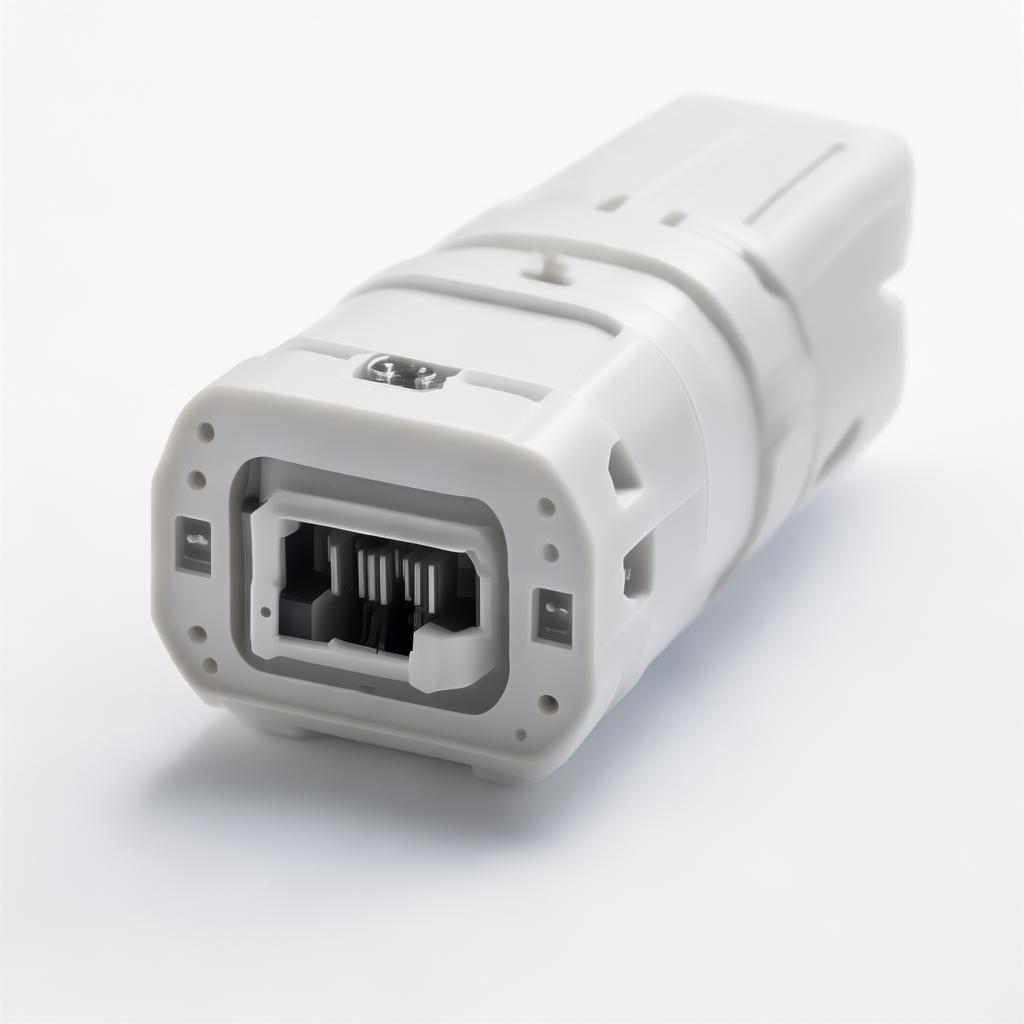
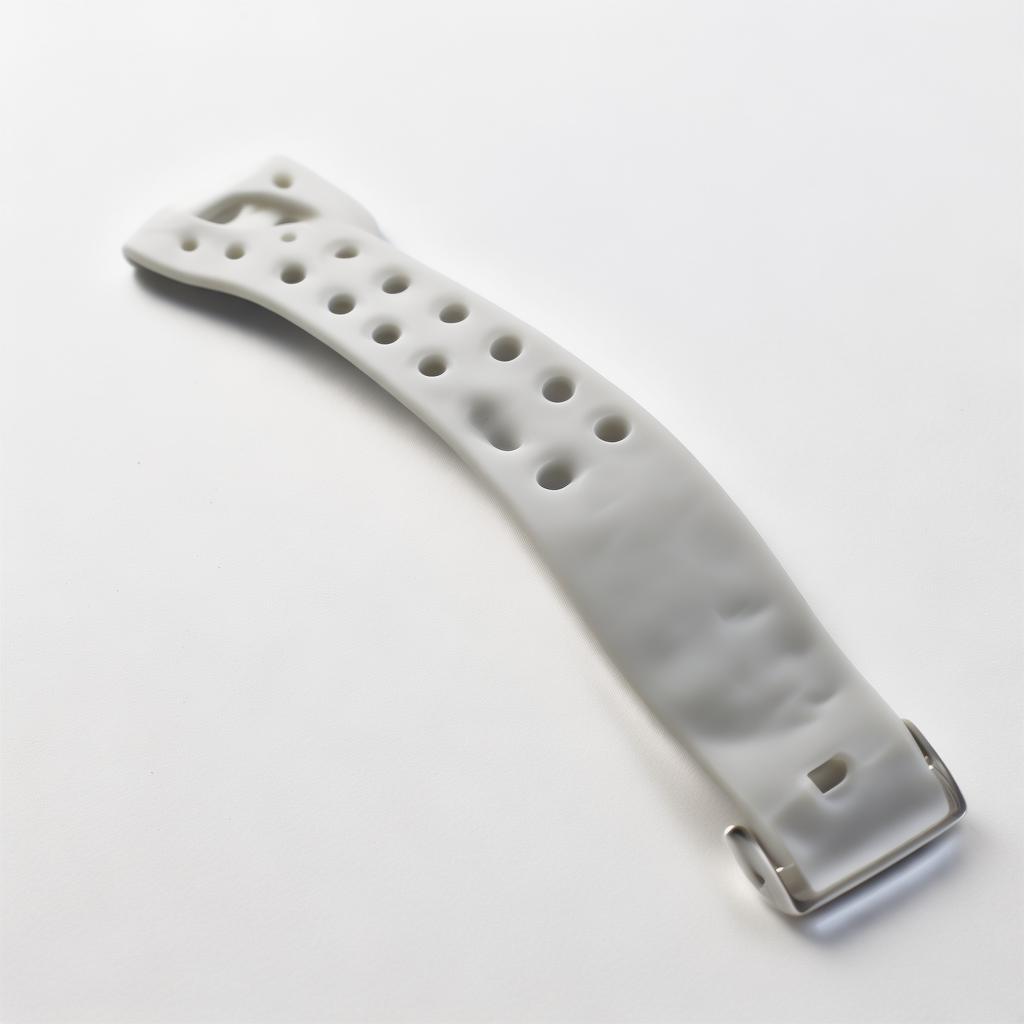
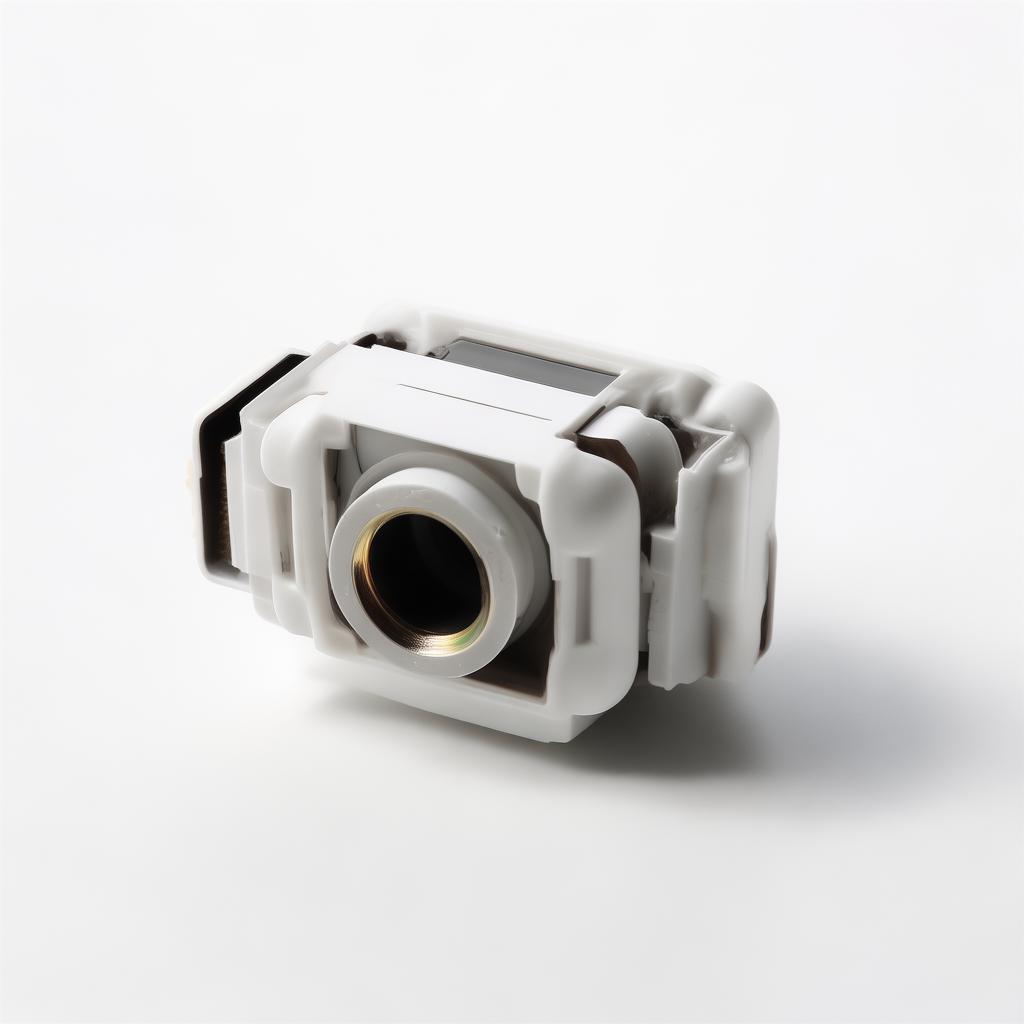
Guangdong Yingtai High Precision Technology Co., Ltd. proudly offers expert solutions in custom casting silicone rubber parts , enabling high-volume, precision molding for industries demanding durability, flexibility, and biocompatibility. Rooted in Dongguan’s manufacturing hub,
Product Details
Precision Casting Silicone Rubber Parts for Industrial Excellence
Guangdong Yingtai High Precision Technology Co., Ltd. proudly offers expert solutions in custom casting silicone rubber parts, enabling high-volume, precision molding for industries demanding durability, flexibility, and biocompatibility. Rooted in Dongguan’s manufacturing hub, we marry 20+ years of advanced OEM/ODM expertise with cutting-edge injection molding technologies.
Industry Pain Points & Operational Insights
When sourcing casting silicone rubber parts, procurement managers and operations engineers often face hurdles such as inconsistent material quality, prolonged lead times, and production defects including flash and dimensional variances. Many report difficulties balancing the demand for flexibility and durability with cost-effective manufacturing. A frequent operational challenge is the selection of appropriate silicone grades that align with application-specific requirements like UV resistance, thermal stability, and biocompatibility.
Logistics complexities add another layer — shipments of delicate silicone components require specialized packaging to avoid deformation during container transport. Many importers underestimate the nuances of customs clearance for silicone products, especially when certifications like CE or FDA compliance must accompany orders. At Guangdong Yingtai, we observe that early alignment on technical specs and robust supplier communication significantly reduces costly production delays and quality issues.
Avoid common mistakes: overlooking production method details leads to scalability and cost surprises.
Ensure detailed rheological data: which impacts mold filling and curing — key for dimensional accuracy.
Plan packaging and shipment: silicone’s flexibility demands anti-compression measures to prevent deformation across ocean freight.
Evaluate supplier mold expertise: improper mold design causes flashes and material wastage, squeezing margins needlessly.
Before placing large-scale orders, engaging with engineering teams on prototype testing and reviewing full material certifications sets the stage for success in manufacturing.
Technical Deep Dive: Material & Molding Process
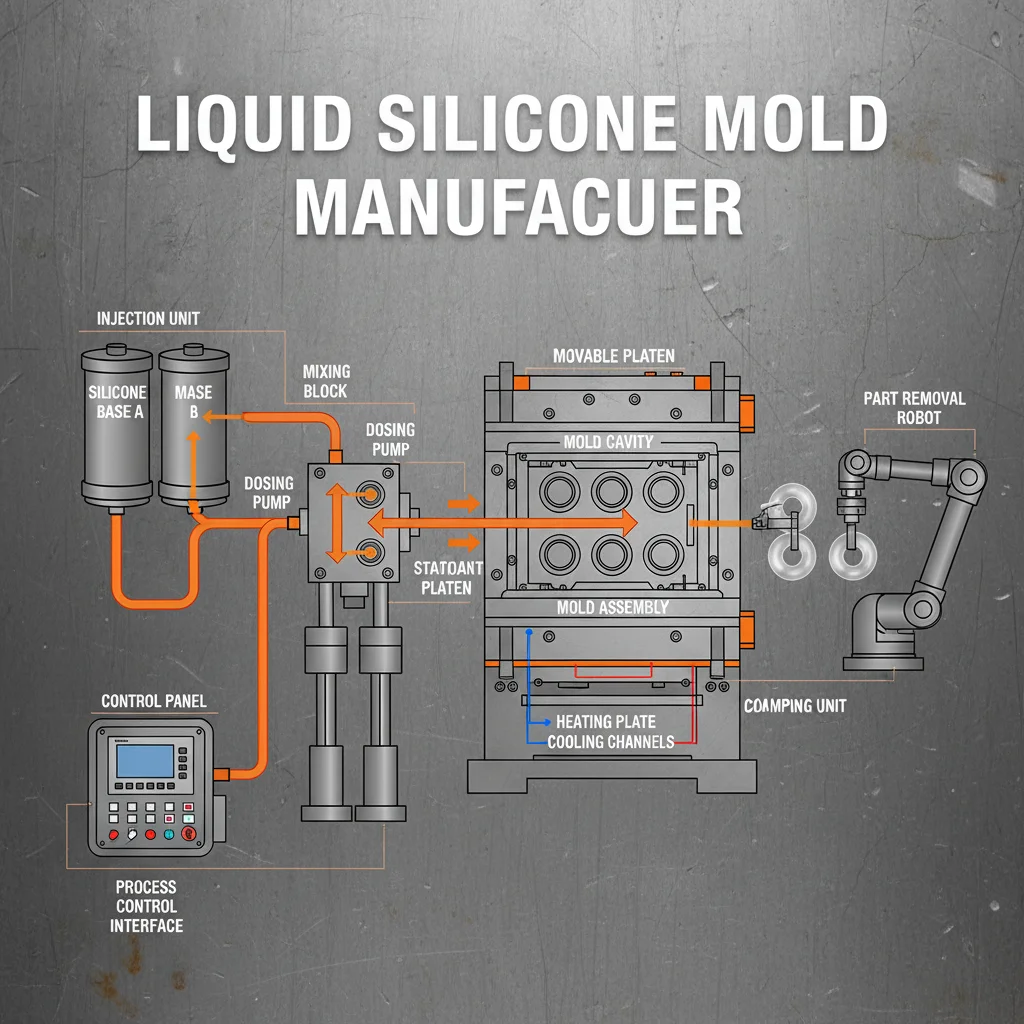
At the core of casting silicone rubber products is the Liquid Silicone Rubber (LSR) injection molding process — a high-precision technique providing superior surface finish, dimensional consistency, and excellent mechanical performance. Using two-component LSR materials that cure rapidly under heat, our factory's 55 state-of-the-art liquid silicone molding machines specialize in repeatability and intricate designs.
LSR grades vary widely; selecting medical-grade silicone, industrial-grade high-temperature resistant compounds, or UV-stabilized variants shapes product end-use suitability. For example, silicone parts used in new energy vehicles require resistance to extreme thermal cycles and chemicals, whereas medical devices demand biocompatibility and tight tolerances.
The following table summarizes key technical specs for typical casting silicone rubber parts we produce:
Parameter
Range/Standard
Notes
Shore Hardness
30A – 80A
Adjustable per customer specs
Tensile Strength
6 – 11 MPa
Depends on curing and formulation
Thermal Resistance
-60°C to 230°C
Sustained use, varies with grade
Elongation at Break
250–600%
High elasticity reduces tearing
Compliance Certs
ISO 9001, CE, RoHS, FDA
Available upon request
Production efficiency is often governed by mold design. Our tooling experts employ advanced CAE simulation to optimize flow, venting, and cooling channels, minimizing risks of flash and short shots as discussed in the MDPI study on material characterization and simulation. This process yields parts with superior dimensional stability and surface quality, suitable for ISO-compliant medical devices or automotive assemblies.
From logistics to end-use reliability, we recommend early-stage involvement of cross-functional teams including procurement, engineering, and quality assurance to identify the best-matched LSR formulation and mold specifications.
Product Advantages & Material Comparison
What separates precision casting silicone rubber parts from alternative elastomers? Here’s a nuanced breakdown with operational takeaways:
Chemical & Thermal Resistance: Silicone holds up excellently against oils, acids, extreme temperatures, and UV — outperforming natural or synthetic rubber in harsh industrial conditions.
Biocompatibility & Food Safety: Silicone's inert nature meets rigorous standards — making it a preferred choice in medical devices and consumer products requiring FDA-compliant grades.
Long-Term Elasticity & Durability: Silicone maintains mechanical properties across wide temperature ranges, reducing replacement frequency and maintenance downtime.
Customizable Hardness & Transparency: Shore hardness ranges from soft gels (30A) to firmer seals (70-80A), and transparent grades enable high-precision visual inspection post-production.
Advanced Overmolding Compatibility: Silicone bonds effectively with plastics such as ABS during multi-shot injection molding processes, facilitating combined function parts in automotive and electronics markets.
Material Selection Table for common elastomers compared with silicone rubber parts highlights:
*Note: The choice depends on application demands, but for demanding automotive, medical, or electronics cushioning, LSR casting parts often outperform alternatives.
Application Scenarios: Where Performances Matter Most
Casting silicone rubber parts deliver reliably across diverse sectors. Here are some insights from our client base and operational experiences:
New Energy Automotive: High-temperature-resistant sealing gaskets, vibration dampers, and electrical insulation parts withstand under-hood conditions and battery pack exposure.
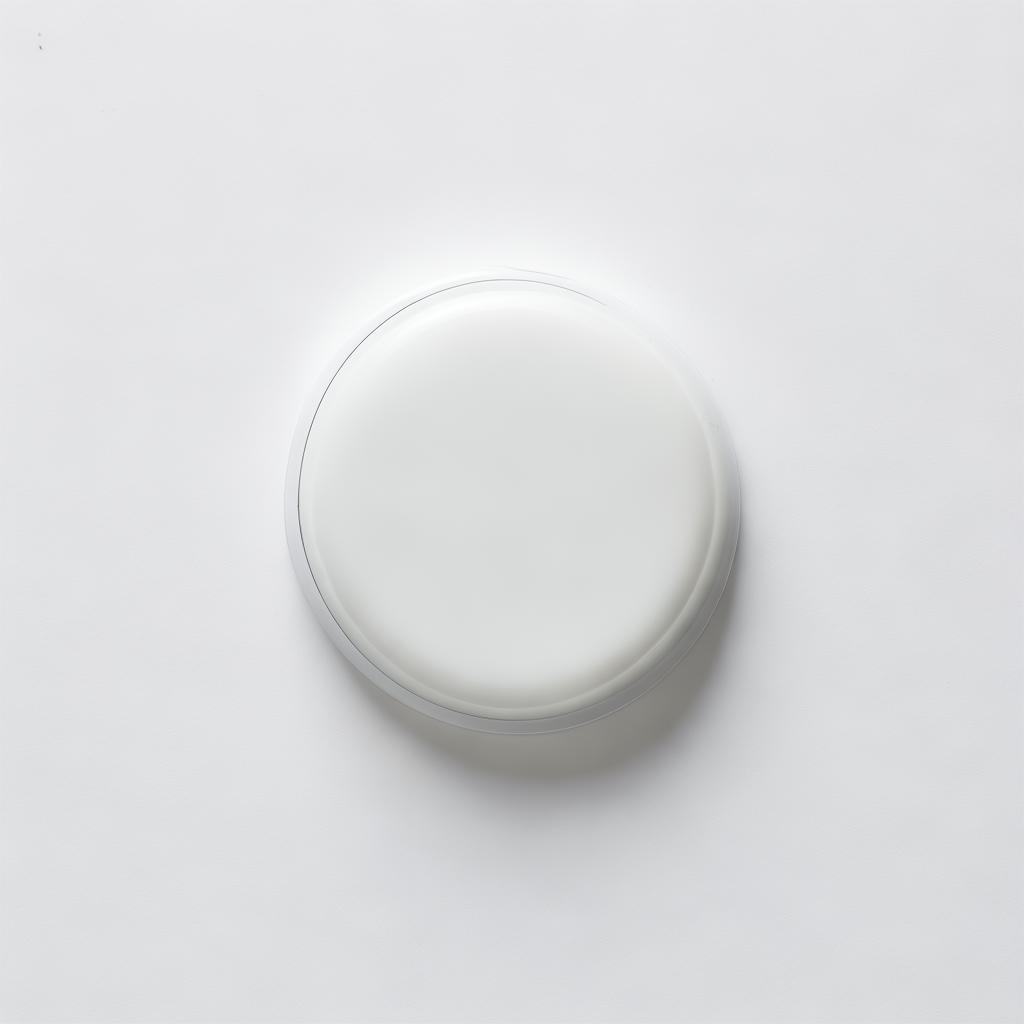
Consumer Electronics: Soft-touch buttons, protective keypads, and waterproof seals benefit from silicone’s elasticity and long-term stability.
Medical Devices: Biocompatible LSR parts such as tubing connectors, valves, and seals meet FDA and ISO standards, supporting sterilization processes without degradation.
Wearable Devices & Communication Equipment: Flexible, durable silicone components enable waterproofing and ergonomic comfort essential for smartwatches, headsets, and wearable health monitors.
Household Appliances & Industrial Equipment: Silicone gaskets and seals perform in harsh chemical environments and maintain elasticity through repeated temperature cycles.
Operational note: Our customers often request multi-component silicone-to-plastic overmolding, an increasingly important design trend enabling functional integration without secondary assembly.
Understandably, procurement teams juggling multiple RFQs want to avoid hidden risks. Here are practical guidelines refined from 35,000 sqm factory operations in Guangdong Yingtai:
Verify full material certification packages before supplier selection: Ensure compliance with relevant ISO, RoHS, FDA, or CE documentation, since partial documentation often signals shortcuts.
Specify dimensional tolerances clearly and confirm production capabilities for consistent delivery, especially for high-volume orders.
Request samples early for functional testing under simulated end-use conditions — don’t rely on pictures or quotations alone.
Discuss container loading and packaging methods upstream to minimize damage risks during ocean freight.
Factor in OEM/ODM options if custom design or branding is needed, leveraging supplier expertise to reduce lead times and engineering costs.
Our export director often advises: “Building close supplier relationships and transparent technical communication pays off by minimizing costly rework and delivery risks.”
Note: Yingtai’s integrated industry chain—from mold development to finished product manufacturing—reduces coordination headaches common in multi-vendor sourcing.
Quality Certifications & Factory Strengths
Achieving consistent quality hinges on robust in-house capabilities and rigorous compliance checks. Guangdong Yingtai operates under strict ISO 9001 quality management systems. Our products come with certifications including CE, RoHS, and FDA upon request.
With an assembled team of 500+ skilled professionals, Yingtai’s factory contains 55 LSR molding machines, 80 plastic injection machines, and 30 precision mold processing units — giving clients a seamless OEM/ODM process.
Recent improvements include enhanced mold venting and electrical discharge machining techniques to lower material waste and flash defects, aligning with Fraunhofer’s research on sustainable LSR manufacturing.
Factory Tour Highlight: Our integrated digital quality control system ensures each casting silicone rubber part undergoes precise measurement and defect detection before shipment.
Frequently Asked Questions (FAQs)
Q: What is the typical lead time for casting silicone rubber parts?
Lead times vary based on tooling complexity and order volume. Standard production generally ranges from 15 to 30 days, including mold making and sample approval. For custom multi-shot molds, plan on 30-45 days. - Early supplier communication reduces delays.
Q: How does liquid silicone rubber compare with solid silicone molding?
LSR allows injection molding with higher precision, shorter cycle times, and better automation. Solid silicone (HTV) compresses slower and is typically for lower-volume or simpler parts. For high-volume exquisite products, LSR is often preferred.
Q: Are FDA and medical-grade silicone parts available?
Yes, we offer FDA-compliant LSR grades. Our quality control adheres to strict processes ensuring biomedical-grade material compatibility and sterilization tolerance.
Q: Can you support OEM/ODM custom part development?
Absolutely. Our engineering team collaborates on design, tooling, and 3D printing rapid prototyping to bring your custom silicone designs to full production.
Q: What packaging methods protect silicone parts during shipping?
Parts are packed with anti-static, non-abrasive materials in reinforced cartons. For bulk ocean freight, we incorporate multipart trays and anti-compression inserts to prevent deformation during transit.
Q: How to evaluate supplier tooling expertise to avoid quality risks?
Request mold flow studies, sample prototypes, and factory tour or virtual audit. Suppliers with in-house mold making and precision EDM offer better control over defects and lead times.
Customer Feedback & Testimonials
Stephen M., Procurement Manager (USA)
“After switching to Guangdong Yingtai for our LSR sealing components, we noticed reduced defect rates and faster delivery. Their engineering team worked closely with us on mold adjustments to fit automotive thermal demands — helped prevent typical flash problems.”
Get in Touch
If you have any camping barbeque equipment inquiry, please feel free to contact us.