Expert insights on sourcing, application, and performance from Guangdong Yingtai High Precision Technology Co., Ltd. The growing complexity of chemical processing environments demands materials that can withstand aggressive chemicals, extreme temperature swings, and mechanical
Product Details
Chemical Processing Silicone Foam: Precision Solutions for Demanding Industrial Applications
Expert insights on sourcing, application, and performance from Guangdong Yingtai High Precision Technology Co., Ltd.
Understanding Chemical Processing Silicone Foam: Market & Material Insights
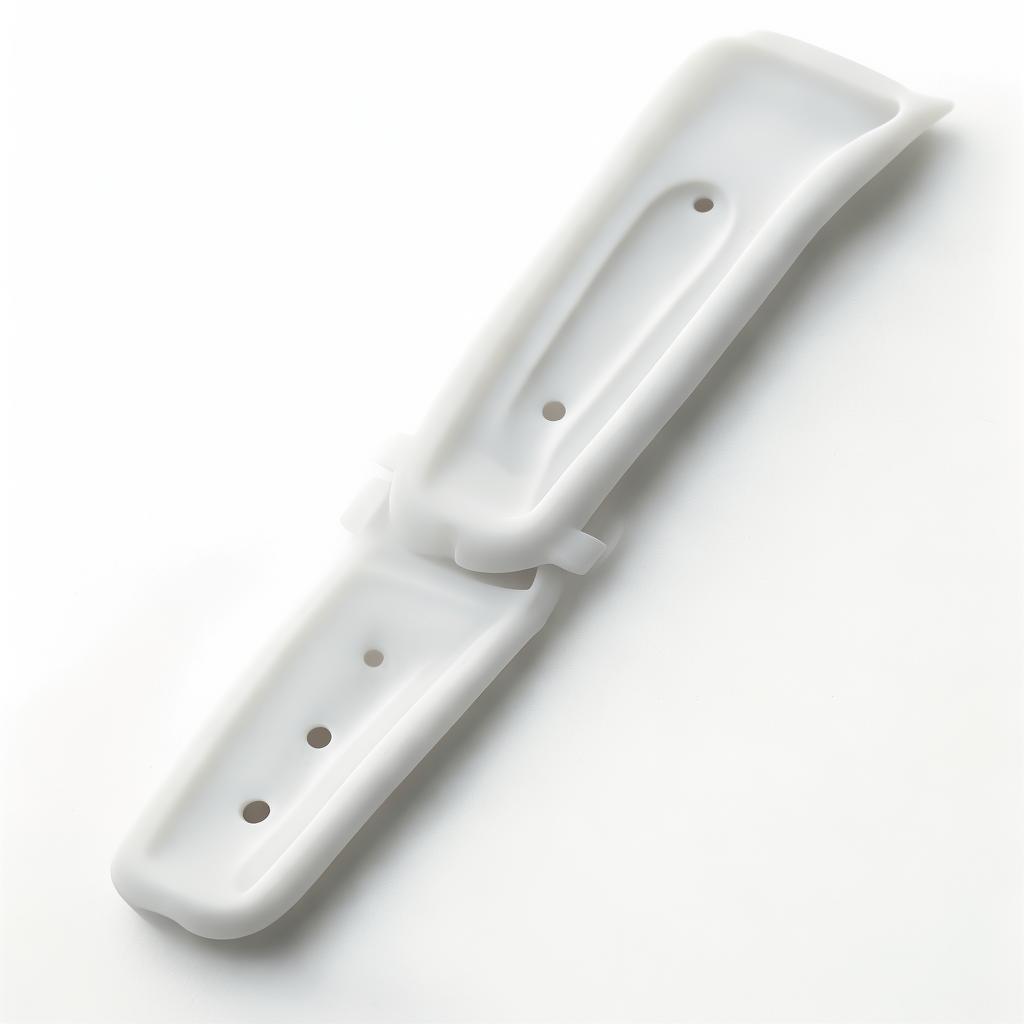
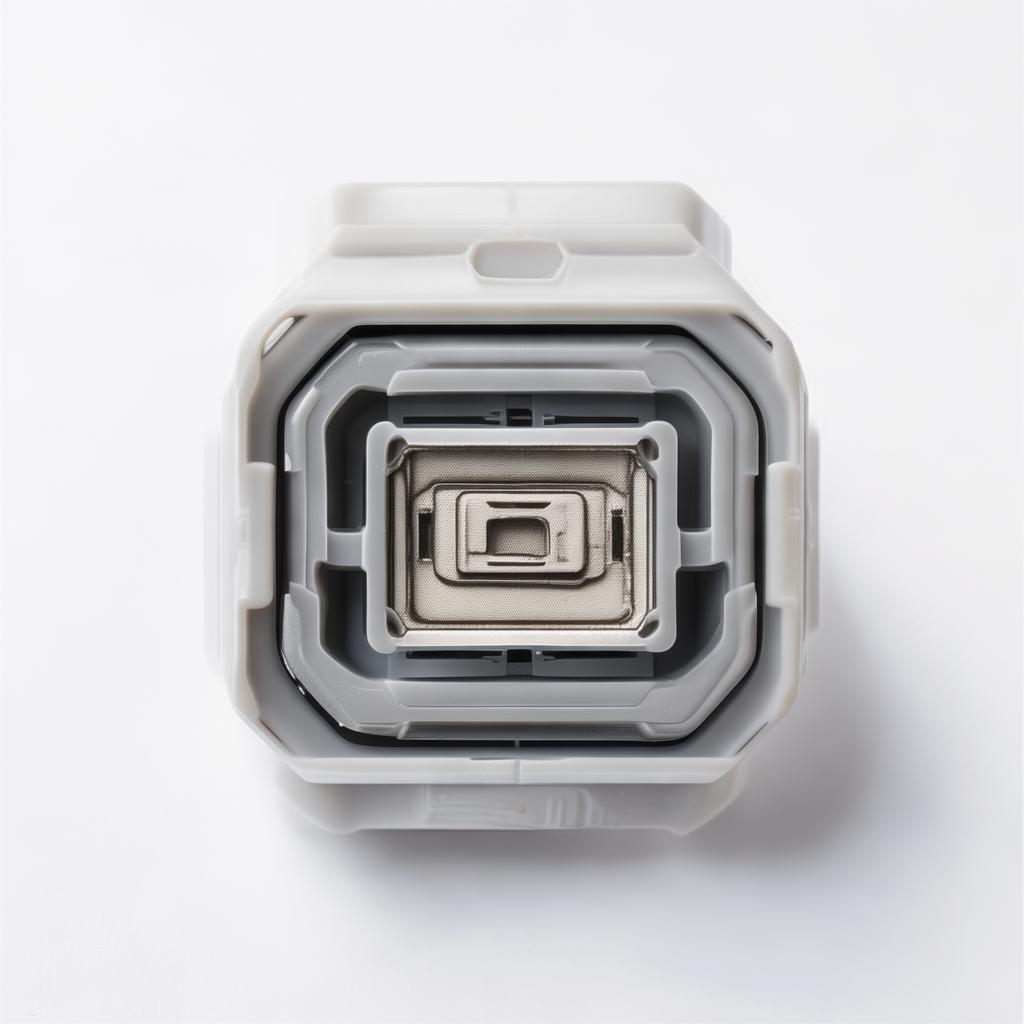
The growing complexity of chemical processing environments demands materials that can withstand aggressive chemicals, extreme temperature swings, and mechanical stress. Silicone foam has emerged as a versatile solution in this space, combining chemical resistance, compressibility, and durability. Its closed-cell structure provides excellent sealing capabilities, while maintaining a lightweight profile for easier installation and maintenance access.
Despite being niche, the liquid silicone rubber (LSR) foam market has seen robust expansion. Recent industry analyses forecast LSR foam demand growth at a CAGR between 6% and 9% through 2030 globally, with particular strength in North America and Asia-Pacific regions. This growth reflects increasing adoption in chemical plants, power generation, and specialty processing facilities requiring precision-engineered sealing parts, insulation, and cushion elements.
Manufacturers increasingly favor foam-grade LSR for its:
Resistance to oils, solvents, acids, and bases, critical in chemical processing.
Thermal stability spanning from -60°C to +230°C in continuous operation.
Compliance with industry standards such as ISO 9001, RoHS, and chemical industry-specific certifications.
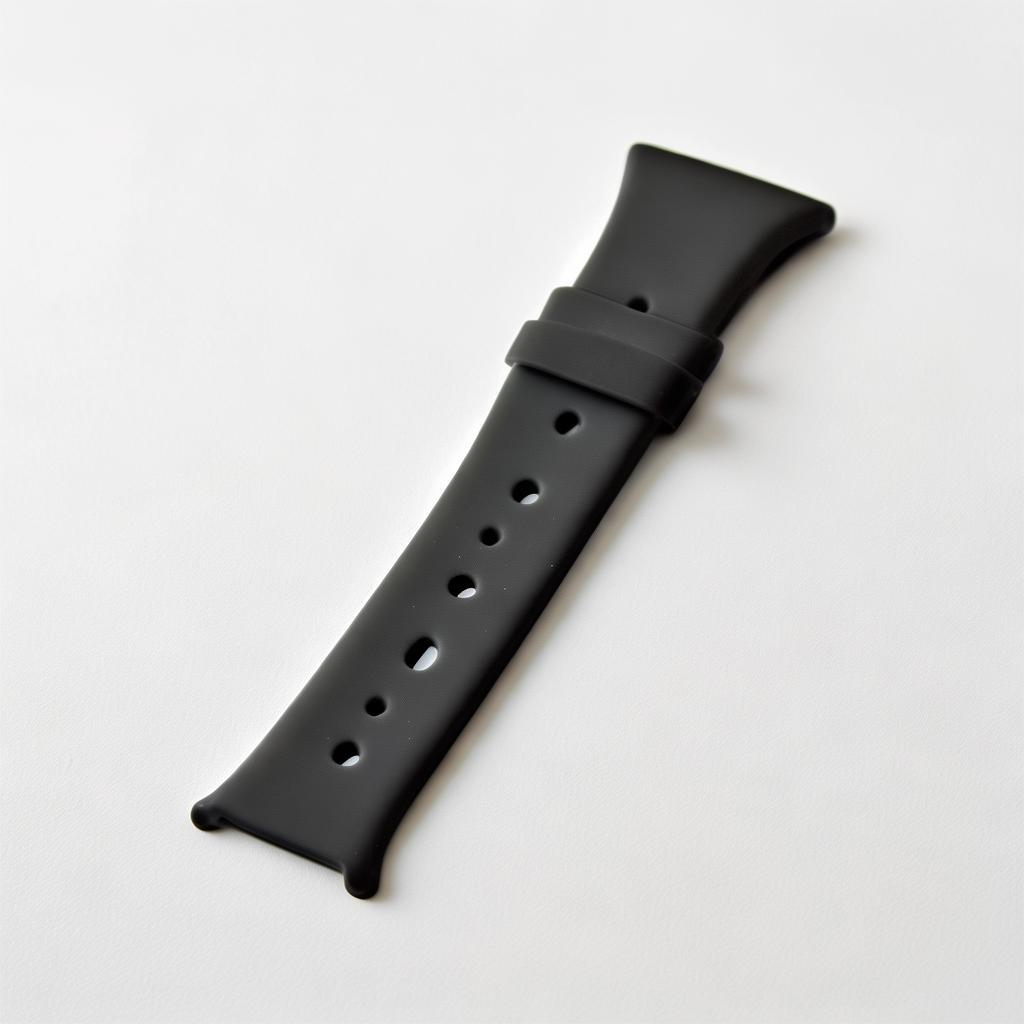
Dimensional flexibility allowing design customization for gaskets, seals, and padding under varied compression sets.
Superior aging qualities, resisting degradation in UV exposure and ozone-rich environments common in outdoor processing stations.
At the same time, operational realities such as long lead times for customized foam products, challenges in sourcing consistent densities, and adherence to quality batches often complicate procurement protocols. We’ve observed that managers skipping rigorous supplier audits risk encountering material voids, inconsistent compression profiles, or unexpected curing anomalies on site.
Guangdong Yingtai High Precision Technology Co., Ltd. has invested heavily in mastering OEM/ODM liquid silicone foam manufacturing — from specialized injection molding lines to precision tooling and in-house lab verification. Our factory, strategically located in Dongguan’s industrial hub, supports high-volume, precise foam production with tailored formulations suitable for aggressive chemical environments.
Real operational insight: Procuring chemical processing silicone foam isn’t about picking the lowest price. It involves aligning technical specifications, installation constraints, and chemical compatibilities with a reliable manufacturer verified for process consistency and industry certifications.
Industry Challenges in Chemical Processing Environments
Procurement and engineering teams frequently face persistent issues in selecting suitable silicone foam for chemical processing:
Material degradation: Exposure to harsh chemical compounds often exceeds initial warranties, causing silicone foams to lose elasticity or develop cracks prematurely.
Seal failures: Improper foam compression set tolerance results in leaks or gasket blowouts, affecting plant safety and causing downtime.
Inconsistent manufacturing batches: Variations in foam density or hardness lead to non-uniform sealing performance across different lots, complicating maintenance schedules.
Installation difficulties: Foam sheets or seals that do not appropriately accommodate thermal expansion or mechanical stresses can deform or detach during service.
Long lead times: Custom foam formulations with specialized chemical resistance often require extensive development cycles.
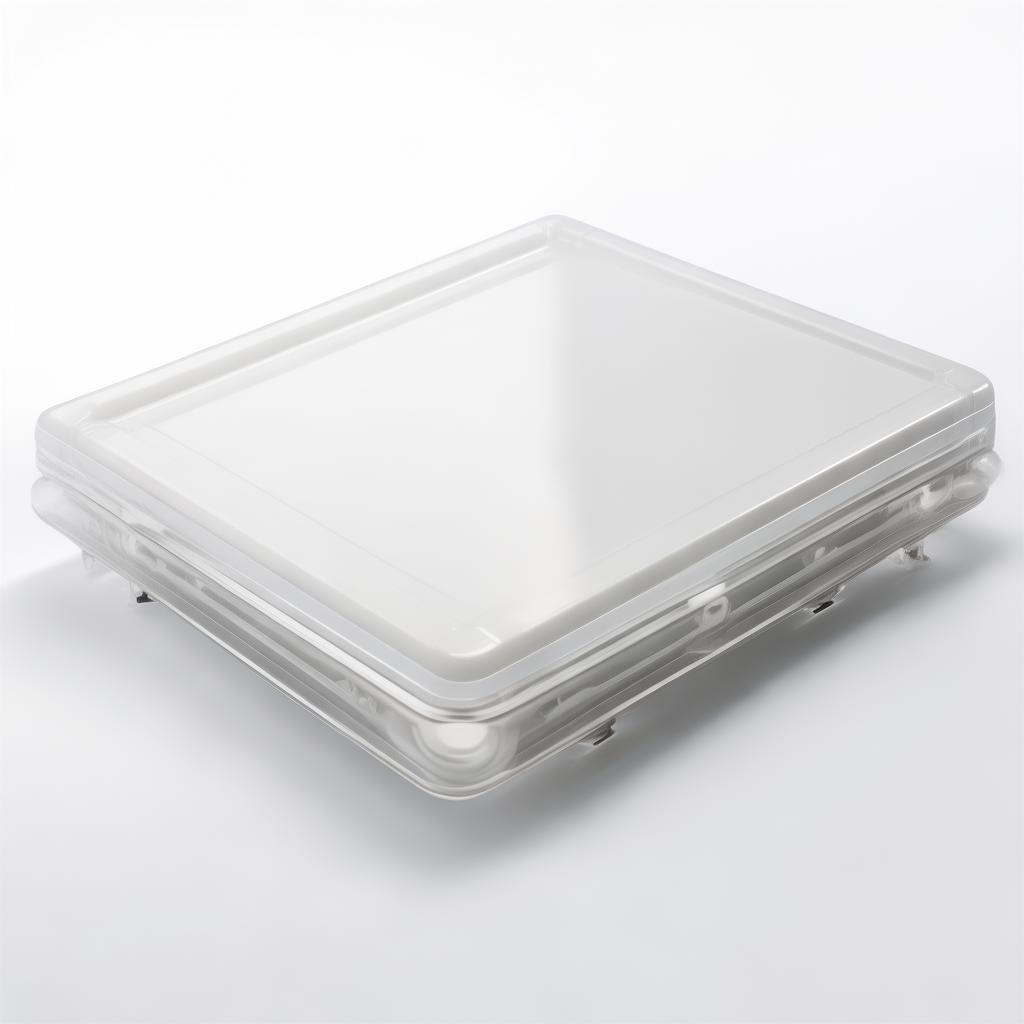
Logistical constraints: Bulk foam shipping entails careful packaging to avoid compression damage and contamination before on-site deployment.
Understanding these challenges upfront promotes smarter material selection and supplier collaboration. Efficient planning requires anticipating chemical exposure profiles, expected mechanical stresses, and installation environment variables.
Technical Deep Dive: Key Attributes of Chemical Processing Silicone Foam
Our chemical processing silicone foam products feature formulation and manufacturing protocols that optimize physical, chemical, and dimensional properties critical in industrial settings.
Property
Specification Range
Industry Impact
Density
150-350 kg/m³ (customizable)
Balancing cushioning with sealing tightness and weight.
Compression Set (22h/175°C)
< 25%
Ensures maintenance of elasticity after thermal exposure.
Temperature Range
-60°C to +230°C (continuous)
Withstands extreme plant process temperatures without hardening.
Chemical Resistance
Resistant to acids, bases, organic solvents, fuels
Suitable for varied chemical atmospheres, minimizes material breakdown.
Resistance to UV & Ozone
Excellent (no cracking up to 1000h exposure)
Ideal for outdoor or partial-exposure installations.
Hardness (Shore 00)
20-50 (adjustable via foam density)
Controls foam softness for compressible gasket applications.
In production, our manufacturing specialists use advanced liquid injection molding techniques controlled under ISO 9001 audits, paired with precise curing profiles to ensure uniform cell structure and foam resilience. Selecting the correct hardness and density for your specific chemical exposure reduces premature seal failures significantly. Customized foam formulations can comply with FDA and RoHS standards where needed for specialty applications.
Operational note: Proper storage conditions after production—cool, low humidity environments—are critical to preserving silicone foam quality during transit and on-site storage.
Industrial & Commercial Applications: Where Silicone Foam Excels
Chemical processing silicone foam has rugged versatility across several sectors:
Sealing solutions in chemical reactors and piping: Compression seals and gasketing able to endure wide pH ranges.
Thermal insulation in heat exchangers: Lightweight foam used as thermal barriers reduces heat loss and limits corrosion.
Valve packing and pressure vessel seals: Custom-designed foams absorb mechanical vibrations and maintain pressure containment.
Electronics and instrumentation protection: Shock-absorbing foam casings protect delicate sensor assemblies in harsh plants.
Transportation and logistics padding: Shock-resistant foam cushions high-value chemical transport containers during cross-border shipment.
Case Insight: A US-based chemical equipment OEM integrated our custom silicone foam seals into their reactor assembly, resulting in a documented 20% reduction in seal replacements over 18 months compared to competitor materials—reflecting both chemical durability and mechanical resilience achieved through our closed-cell foam technology.
Procurement Guide & Supplier Evaluation for Chemical Processing Silicone Foam
Choosing a supplier for chemical processing silicone foam is not simply transactional. It entails assessing capabilities across these vectors:
Technical expertise: Confirm supplier uses modern LSR injection molding machines with real-time process monitoring to assure batch consistency.
Certifications and compliance: ISO 9001, UL, RoHS, FDA (if applicable) validation signals high-quality standards and material safety.
Material traceability: Request full documentation on silicone raw material sourcing and formulation specifics for chemical resistance validation.
R&D and customization ability: Partners who offer formulation tweaks and tooling design support reduce your risk of non-conformance in demanding chemical environments.
Delivery & logistics: Map lead times realistically—custom foam batches typically require 4-8 weeks depending on tooling and batch volume.
Post-sales engineering support: Suppliers providing installation guidance, certificate copies, and prompt technical consultation ease your procurement lifecycle.
Our facility in Dongguan supports complete OEM/ODM services from mold design to finished product packaging, providing detailed sampling and pilot batch programs to verify fit-for-purpose performance before full-scale orders.
Procurement Tip: Always request free sample sets for on-site testing, especially when switching suppliers or materials. Field trials mitigate unexpected compatibility issues.
Buyer FAQs: Addressing Your Top Questions on Silicone Foam
Q1: Can silicone foam resist strong acids and alkalis encountered in chemical plants?
Yes, depending on formulation, liquid silicone foam exhibits excellent chemical resistance to many acids and bases. However, you should specify your exact chemical exposure profile so we can confirm compatibility or recommend tailored compounds.
Q2: What are typical size tolerances for custom foam parts?
Our production tolerances generally fall within ±0.2 mm for dimensions under 200 mm, tightened further for precision gasket applications. Tolerances are verified through mold design and in-line inspection.
Q3: How should I store foam sheets to maintain quality before installation?
Store in a sealed, cool, dry environment away from direct sunlight. Avoid compressive loads during storage to prevent permanent deformation. Ideally, use original factory packaging until installation.
Q4: Can Yingtai manufacture multi-layer silicone foams or composites?
Yes. Our advanced molding technologies enable co-molding of foam layers with different densities or overmolding silicone foam onto rigid substrates like ABS for complex seals.
Q5: What is the typical lead time for standard silicone foam gaskets?
For stocked standard foam grades, shipments can occur within 2-3 weeks. Customized material grades or tooling variants generally require 5-8 weeks depending on order volume.
Customer Voices: Real-World Feedback on Our Silicone Foam Solutions
Mark T., Procurement Lead – Texas Chemical Processing Plant
“Switching to Yingtai’s chemical-resistant silicone foam seals reduced our gasket replacement frequency visibly. The foam’s resilience to aggressive solvents and heat cycles saved us costly downtime. The factory’s engineering team assisted in refining foam density and hardness to match our valve sealing needs perfectly.”
Get in Touch
If you have any camping barbeque equipment inquiry, please feel free to contact us.